















May 2026 - Prega News | Pregnancy Test | Pregnancy Test at Home | Pregnancy Test Kit

Causes of Post Partum Haemorrhage: A Complete Guide for New Mothers

If you have recently given birth and are worried about heavy bleeding, take a deep breath. Most bleeding after pregnancy is a normal part of recovery. However, understanding the causes of post partum haemorrhage can help you tell the difference between what is expected and what needs urgent attention.

Seek immediate medical help if you are soaking through a pad every hour, feel dizzy or faint, or are passing large clots repeatedly. If these do not apply right now, read on to learn more.

What Is Post Partum Haemorrhage

Post partum haemorrhage (PPH) refers to excessive delivery of bleeding after childbirth. It is typically defined as blood loss of more than 500 ml following a vaginal delivery or more than 1,000 ml after a caesarean section. PPH can be primary (within 24 hours) or secondary (between 24 hours and 12 weeks postpartum).

While it is a serious condition, it is also one that doctors are highly trained to manage effectively.

Normal vs Abnormal Postpartum Bleeding

Here is a simple way to tell the difference between normal recovery and a possible concern:

Normal recovery bleeding (Lochia):

  • Gradually reduces over days and weeks
  • Colour changes from bright red to pink to yellowish-white

Possible signs of PPH (seek help promptly):

  • Soaking through one or more pads every hour
  • Large, frequent blood clots
  • Feeling faint, dizzy, or extremely weak

If you are ever unsure, trust your instincts. You know your body best.

Small clots early on can be normal, whereas large or recurrent clots are concerning.

If you are ever unsure, trust your instincts. You know your body best.

Causes of Post Partum Haemorrhage

Several factors can lead to excessive bleeding after childbirth, commonly grouped into the “4 Ts.”

The 4 Ts of Post Partum Haemorrhage

The most common cause is the uterus not contracting properly after delivery. Here is what each of the 4 Ts means:

  • Tone (Uterine Atony): The uterus does not tighten after birth. It must contract to compress blood vessels at the placental site, and when it fails, significant blood loss can occur.
  • Trauma: Tears or injury during delivery. Lacerations to the cervix, vagina, or perineum can cause heavy bleeding.
  • Tissue (Retained Placenta): Parts of the placenta remain inside the uterus, preventing it from contracting effectively.
  • Thrombin (Clotting Disorders): The blood does not clot as it should, due to pre-existing or pregnancy-related conditions.

    In some cases, more than one “T” may coexist, particularly in severe PPH.

Other Contributing Causes of Post Partum Haemorrhage

Beyond the 4 Ts, additional factors may play a role:

  • An overdistended uterus due to a large baby, twins, or excess amniotic fluid
  • Prolonged or very rapid labour
  • Uterine infection or infection of the uterus after delivery (endometritis postpartum)

Causes of Post Partum Haemorrhage After Different Delivery Types

The triggers for PPH can vary depending on how your baby is delivered.

  • Vaginal delivery: Uterine atony and perineal tears are among the more common triggers.
  • Caesarean section: Surgical complications, incision extensions, and placental abnormalities may contribute.

Risk Factors That Increase Chances of Post Partum Haemorrhage

While PPH can happen to anyone, certain factors may raise the likelihood:

  • A history of PPH in a previous pregnancy
  • Carrying multiple babies (twins or more)
  • Obesity or advanced maternal age (over 35 years)
  • Placenta previa or placental abruption
  • Pre-eclampsia or high blood pressure during pregnancy

Discussing these with your doctor during prenatal visits helps your team plan ahead.

Also Read – How to Use the Prega News Pregnancy Test Kit

Signs and Symptoms to Watch For

Being aware of the symptoms of bleeding post birth can help you act quickly:

  • Soaking through a sanitary pad every hour or less
  • Passing large blood clots (bigger than a small lemon)
  • Feeling dizzy, lightheaded, or faint
  • A rapid or irregular heartbeat
  • Skin appearing pale or clammy

For example: If your pad is completely soaked within an hour and you feel dizzy when standing, this is not typical recovery bleeding. Do not wait to see if it improves on its own.

Diagnosis and Medical Evaluation

Healthcare providers typically diagnose PPH through:

  • Monitoring blood loss during and after delivery
  • Physical examination of the uterus, cervix, and vagina
  • Blood tests to check haemoglobin and clotting function
  • Ultrasound to detect retained placental tissue

How Is Post Partum Haemorrhage Treated

Treatment depends on the cause and severity. Your healthcare team may use one or more approaches:

  • Uterine massage: Gently massaging the uterus to encourage contractions
  • Medications: Drugs that help the uterus contract and reduce bleeding
  • Fluid replacement and blood transfusions: To restore lost blood volume
  • Surgical procedures: In severe cases, procedures to stop bleeding may be necessary

When identified early, PPH is highly treatable. You are in safe hands.

How to Prevent Post Partum Haemorrhage

While not all cases can be prevented, certain steps may help reduce the risk:

  • Regular prenatal check-ups to identify risk factors early
  • Active management of the third stage of labour (delivery of the placenta)
  • Adequate nutrition, including iron-rich foods, during pregnancy
  • Open communication with your healthcare provider about your medical history

Recovery After Post Partum Haemorrhage

Recovering from PPH takes time and self-care. It is okay if recovery feels slower than expected. Your body is healing from a major event.

  • Focus on iron-rich foods such as spinach, lentils, dates, and fortified cereals
  • Stay well-hydrated and rest as much as possible
  • Accept help from family and friends

When Should You Seek Medical Help

While some bleeding after birth is normal, certain situations need immediate action. Do not wait at home if the bleeding feels heavier than your normal period. Seek emergency care if you experience:

  • Very heavy bleeding that soaks through a pad every hour or less
  • Large blood clots that persist beyond the first few days
  • Fever along with heavy bleeding
  • Severe dizziness, confusion, or fainting

What to do: Call your doctor or go to the nearest hospital immediately. Track how many pads you are soaking to share with your medical team.

If you need guidance from a certified gynaecologist, use the PregaNews Ask a Gynae portal for expert consultation from home.

Conclusion

Understanding the causes of post partum haemorrhage is an important step towards a safer recovery. PPH is a well-understood condition, and healthcare providers are trained to manage it effectively.

The information provided here is for educational purposes only and should not replace professional medical advice. Please consult your gynaecologist or healthcare provider for personalised guidance.

Most women recover safely with timely care. Knowing these signs puts you in control.

Frequently Asked Questions

Q. What are the main causes of postpartum haemorrhage?

The main causes are grouped into the 4 Ts: Tone (uterine atony), Trauma (tears or lacerations), Tissue (retained placenta), and Thrombin (clotting disorders). Uterine atony is the most common.

Q. How much postpartum bleeding is considered normal?

Some bleeding after delivery is completely normal. Lochia starts as heavy, bright red flow and gradually becomes lighter. However, soaking through a pad every hour, passing large clots, or feeling dizzy may indicate something more serious.

Q. What are the warning signs of excessive bleeding after pregnancy?

Warning signs include soaking through a pad every hour or less, passing large blood clots repeatedly, feeling faint or dizzy, a rapid heartbeat, pale or clammy skin, and fever alongside heavy bleeding.

Q. Can postpartum haemorrhage be prevented?

Not all cases can be prevented, but the risk can be lowered through regular prenatal check-ups, active management of the third stage of labour, and open communication with your healthcare team.

Q. What is the most common cause of postpartum haemorrhage?

Uterine atony is the most common cause. It occurs when the uterus does not contract firmly enough after delivery to compress blood vessels at the placental site, leading to excessive bleeding.

Q. How do you stop postpartum bleeding naturally?

While medical intervention is essential for PPH, certain steps may support recovery. These include resting, staying hydrated, breastfeeding (which may help the uterus contract), and eating iron-rich foods. If bleeding is heavy, seek medical help immediately.

Q. How long does bleeding last after giving birth?

Normal lochia typically lasts about 4 to 6 weeks after delivery. The duration of postpartum bleeding varies from person to person, but it should gradually reduce in flow and change colour from red to pink to yellowish-white.

Q. Is postpartum bleeding heavier at night?

Some women may notice heavier bleeding after lying down, as blood can pool in the uterus while resting. A small gush when standing up is usually normal. However, if bleeding is consistently heavy or accompanied by dizziness, consult your doctor.

Medical Claims & Links Table

Blog SectionMedical ClaimLink
What Is Post Partum HaemorrhagePPH refers to excessive bleeding after childbirth, defined as blood loss of more than 500 ml following vaginal delivery or more than 1,000 ml after caesarean sectionhttps://www.webmd.com/baby/what-is-a-postpartum-hemorrhage
PPH can be primary (within 24 hours of birth) or secondary (between 24 hours and 12 weeks postpartum)
Normal vs Abnormal Postpartum BleedingNormal postpartum bleeding (lochia) gradually reduces over days and weeks, changing colour from bright red to pink to yellowish-whitehttps://my.clevelandclinic.org/health/body/22485-lochia
Soaking through one or more pads every hour, large frequent blood clots, and feeling faint or dizzy are possible signs of PPHhttps://www.webmd.com/women/vaginal-bleeding-after-birth-when-to-call-doctor
The 4 Ts of Post Partum Haemorrhage  The causes of PPH are categorised into the 4 Ts: Tone (uterine atony), Trauma, Tissue (retained placenta), and Thrombin (clotting disorders)https://my.clevelandclinic.org/health/diseases/22228-postpartum-hemorrhage  
Uterine atony is the most common cause of PPH, accounting for 70-80% of all caseshttps://www.ncbi.nlm.nih.gov/books/NBK499988/
Retained placental fragments can prevent effective uterine contraction, leading to continued bleedinghttps://www.webmd.com/baby/what-is-a-postpartum-hemorrhage
Other Contributing CausesAn overdistended uterus (due to large baby, twins, or excess amniotic fluid) and prolonged labour can contribute to PPHhttps://www.webmd.com/baby/what-is-a-postpartum-hemorrhage
Risk FactorsRisk factors include history of previous PPH, multiple pregnancy, placenta praevia, placental abruption, and pre-eclampsiahttps://www.webmd.com/baby/what-is-a-postpartum-hemorrhage
Signs and SymptomsSymptoms of PPH include soaking through a pad every hour, passing large blood clots, dizziness, rapid heartbeat, and pale or clammy skinhttps://www.webmd.com/women/vaginal-bleeding-after-birth-when-to-call-doctor
Diagnosis and Medical EvaluationPPH is diagnosed through monitoring blood loss, physical examination, blood tests for haemoglobin and clotting, and ultrasoundhttps://my.clevelandclinic.org/health/diseases/22228-postpartum-hemorrhage
How Is PPH Treated When identified early, PPH is highly treatable with prompt medical intervention https://www.webmd.com/women/vaginal-bleeding-after-birth-when-to-call-doctor
Treatment includes uterine massage, uterotonic medications, fluid replacement, blood transfusions, and surgical procedures in severe caseshttps://internationalmidwives.org/resources/guidelines-postpartum-haemorrhage/
How to Prevent PPHActive management of the third stage of labour (delivery of the placenta) helps reduce the risk of PPHhttps://internationalmidwives.org/resources/guidelines-postpartum-haemorrhage/
Causes After Different Delivery TypesCaesarean section carries a higher risk of PPH compared to vaginal delivery due to surgical complications and placental abnormalitieshttps://www.webmd.com/women/vaginal-bleeding-after-birth-when-to-call-doctor
FAQ – How much postpartum bleeding is considered normalNormal lochia starts as heavy, bright red flow and gradually becomes lighter; soaking a pad every hour or passing large clots may indicate PPHhttps://www.webmd.com/women/vaginal-bleeding-after-birth-when-to-call-doctor
FAQ – Is postpartum bleeding heavier at nightBlood can pool in the uterus while lying down, causing a small gush when standing; this is usually normal unless accompanied by dizziness or consistently heavy flowhttps://www.webmd.com/women/vaginal-bleeding-after-birth-when-to-call-doctor
Causes After Different Delivery Types , Risk Factors Uterine atony and perineal tears are common triggers in vaginal delivery; surgical complications and placental abnormalities may contribute in caesarean sectionhttps://www.thelancet.com/journals/lancet/article/PIIS0140-6736(25)00448-9/fulltext

GTT Test During Pregnancy: A Complete Guide for Expectant Mothers

If your doctor has recently mentioned a glucose test, it is completely normal to feel a little anxious. You might be wondering if this test could mean something is wrong, but in most cases, it is simply a routine check to keep you and your baby safe. Many expectant mothers wonder what the GTT test during pregnancy involves, whether fasting is needed, and what the results could mean. This guide will walk you through the process so you can feel prepared and confident.

What Is the GTT Test During Pregnancy?

The GTT, also known as the Glucose Tolerance Test, is a routine screening that measures how well your body processes sugar. During pregnancy, hormonal changes can affect insulin function. This test helps your doctor check whether your blood sugar levels are healthy or if there are signs of gestational diabetes, a temporary condition that may develop during the second or third trimester.

Why Is GTT During Pregnancy Important?

The placenta produces hormones that can interfere with insulin function. While this is a natural process, it may sometimes lead to elevated blood sugar levels. GTT during pregnancy helps detect this early, so your healthcare team can manage it effectively and help reduce the chances of issues like higher birth weight or delivery challenges.

This test is recommended for almost all pregnant women as routine care. If your doctor has asked you to take it, it simply means your healthcare team is being thorough.

When Is the GTT Sugar Test During Pregnancy Done

This test is typically performed between 24 and 28 weeks, when pregnancy hormones are most likely to affect insulin. Your doctor may recommend earlier testing if you have risk factors like a family history of diabetes.

Tip: Use the PregaNews Due Date Calculator to track your gestational weeks and plan your appointments.

Types of Glucose Tests During Pregnancy

There are two types of glucose tests during pregnancy:

  • 1-Hour Glucose Screening Test: Usually no fasting is required. You drink a 50g glucose solution, and blood is drawn after one hour. If results are above the expected range, a diagnostic test may follow.
  • 2-Hour OGTT (One-Step Method): Requires fasting for 8 to 12 hours. You drink a 75g glucose solution, and blood is drawn at fasting, 1-hour, and 2-hour intervals. This method follows the ADA guideline.
  • 3-Hour OGTT (Two-Step Method): Requires fasting for 8 to 12 hours. You drink a 100g glucose solution, and blood is drawn at fasting, 1-hour, 2-hour, and 3-hour intervals. This method follows the ACOG guideline.

How Is the GTT Test During Pregnancy Performed?

The process is simple and done routinely at clinics every day. Here is what you can expect:

  1. You arrive at the clinic at your scheduled time.
  2. A fasting blood sample is drawn (for the diagnostic test).
  3. You drink a measured glucose solution. It tastes quite sweet, but most women tolerate it well.
  4. You wait at the clinic while your body processes the glucose.
  5. Blood samples are drawn at specific intervals (1, 2, or 3 hours).
  6. Once all samples are collected, you can go home.

The clinic staff are there to support you throughout, so let them know if you feel uncomfortable at any point.

Tip: Bring a book or your phone to keep occupied during the wait.

How to Prepare for GTT During Pregnancy

Preparation is straightforward. Getting a good rest the night before can help you feel more comfortable. Even if results come back higher than expected, gestational diabetes is very manageable.

1. For the 1-Hour Screening Test

You can usually eat normally beforehand. Avoid sugary foods or drinks right before, as they may affect your results.

2. For the 3-Hour Diagnostic OGTT

Eat at least 150g of carbohydrates daily for three days before the test. Then fast for 8 to 12 hours before your appointment, consuming only water.

3. Follow Your Doctor’s Specific Instructions

Preparation guidelines may vary. Always follow the instructions given by your doctor or lab.

Normal Range of GTT Sugar Test During Pregnancy

Thresholds depend on the type of test used. As a general guide:

For the 2-Hour OGTT (75g, ADA method):

  • Fasting: Often below 92 mg/dL
  • 1-hour: Often below 180 mg/dL
  • 2-hour: Often below 153 mg/dL

One abnormal value may indicate gestational diabetes under this method.

For the 3-Hour OGTT (100g, ACOG method):

  • Fasting: Often below 95 mg/dL
  • 1-hour: Often below 180 mg/dL
  • 2-hour: Often below 155 mg/dL
  • 3-hour: Often below 140 mg/dL

Two or more abnormal values are typically required for diagnosis under this method.

Your doctor will interpret results based on the specific test and criteria used. Consult your healthcare provider for personalised guidance.

Risks and Side Effects of the GTT Test During Pregnancy

The test is generally safe for both mother and baby. Some women may experience:

  • Nausea after drinking the glucose solution
  • Dizziness or lightheadedness from fasting
  • A slightly sore arm at the blood draw site

These are common reactions and usually pass quickly. Let the medical staff know if you feel unwell during the test.

What Happens After a Positive GTT Result?

A positive result can feel overwhelming, but gestational diabetes is one of the most manageable pregnancy conditions. It is caused by placental hormones, not by your diet or lifestyle choices.

Your doctor may recommend:

  • Dietary adjustments with complex carbohydrates and balanced meals
  • Regular blood sugar monitoring
  • Light physical activity, such as walking after meals
  • Medication or insulin, if needed

Gestational diabetes typically resolves after delivery. With proper care, most women have healthy pregnancies.

For expert guidance, consider the PregaNews Ask a Gynae portal to connect with certified gynaecologists.

Also Read : Pregnancy Due Date Calculator

Tips to Maintain Healthy Blood Sugar During Pregnancy

These habits can support stable blood sugar levels throughout pregnancy:

  • Choose complex carbohydrates like whole grains and oats over refined sugars
  • Eat smaller, frequent meals throughout the day
  • Stay hydrated by drinking plenty of water
  • Include fibre-rich foods such as vegetables and legumes
  • Take a short walk after meals to help regulate blood sugar
  • Swap sugary beverages for water or fresh lime water

Common Myths About the GTT Test

  • Myth: Gestational diabetes means you ate too much sugar. Fact: It is caused by placental hormones that affect insulin function, not dietary choices.
  • Myth: If you have gestational diabetes, your baby will have diabetes too. Fact: With proper management, most babies are born perfectly healthy.
  • Myth: Only women with a family history of diabetes need to worry. Fact: Gestational diabetes can develop in any pregnant woman, which is why routine testing is recommended.

Conclusion

The GTT test during pregnancy is a straightforward part of prenatal care that helps detect gestational diabetes early. While fasting or drinking the glucose solution may feel daunting, knowing what to expect makes the experience smoother. By showing up for your appointment, you are already taking a positive step towards a healthy pregnancy. Trust your healthcare provider’s guidance and take things one step at a time.

This blog is for educational purposes only and should not replace professional medical advice. Always follow the instructions provided by your healthcare professional. Consult your gynaecologist or doctor for personalised guidance.

Frequently Asked Questions

Q. What is the GTT test during pregnancy used for?

The GTT (Glucose Tolerance Test) screens for gestational diabetes by measuring how well your body processes sugar. It helps your doctor identify if blood sugar levels need management.

Q. Is fasting required for the GTT sugar test during pregnancy?

For the 1-hour screening, fasting is usually not required. The diagnostic OGTT (both the 2-hour ADA method and 3-hour ACOG method) requires fasting for 8 to 12 hours. Always follow your doctor’s specific instructions.

Q. How long does the GTT test take?

The 1-hour screening takes about one hour. The diagnostic OGTT takes two to three hours depending on the method your doctor uses (2-hour ADA method or 3-hour ACOG method), as blood is drawn at multiple intervals.

Q. What happens if I fail the GTT test during pregnancy?

For the 2-hour OGTT (ADA method), general values include fasting below 92 mg/dL, 1-hour below 180 mg/dL, and 2-hour below 153 mg/dL. The 3-hour OGTT (ACOG method) uses different cut-offs. Consult your doctor for interpretation based on your specific test.

Q. What is the normal range for GTT during pregnancy?

General reference values include fasting below 92 mg/dL, 1-hour below 180 mg/dL, and 2-hour below 153 mg/dL. Thresholds may vary, so consult your doctor for interpretation.

Q. What should I eat before a glucose test during pregnancy?

For the 1-hour screening, you can eat normally. For the diagnostic OGTT, eat at least 150g of carbohydrates daily for three days before the test, followed by an overnight fast.

Q. Can I drink water during the GTT test?

Yes, you can usually drink water during the test. Avoid any other beverages, food, or flavoured drinks unless your doctor says otherwise.

Q. Is GTT test compulsory during pregnancy? The GTT is strongly recommended for all pregnant women between 24 and 28 weeks. Your doctor will guide you based on your health profile. It is a standard part of prenatal care.

Medical Claims & Links Table

Blog SectionMedical ClaimLink
What Is the GTT Test During Pregnancy?The GTT is a routine screening that measures how well the body processes sugar and checks for gestational diabeteshttps://www.webmd.com/diabetes/pregnancy-diabetes
Hormonal changes during pregnancy can affect the way insulin works, potentially leading to gestational diabeteshttps://www.webmd.com/diabetes/gestational-diabetes-guide/normal-blood-sugar-levels-chart-pregnant-women
The placenta produces hormones that can interfere with insulin function, causing insulin resistance during pregnancyhttps://www.hopkinsmedicine.org/health/conditions-and-diseases/diabetes/gestational-diabetes
Unmanaged gestational diabetes may lead to higher birth weight (macrosomia) and delivery challenges  https://my.clevelandclinic.org/health/diagnostics/9696-glucose-test-pregnancy
When Is the GTT Sugar Test During Pregnancy Done?The GTT is typically performed between 24 and 28 weeks of gestationhttps://www.webmd.com/diabetes/pregnancy-diabetes
Types of Glucose Tests During PregnancyThe 1-hour screening uses 50g glucose and does not require fasting; the 3-hour diagnostic OGTT requires fasting for 8 to 12 hours and uses 75g to 100g glucosehttps://www.webmd.com/diabetes/oral-glucose-tolerance-test
How Is the GTT Test Performed?The test involves drinking a glucose solution and having blood drawn at specific intervals (1, 2, or 3 hours)https://www.webmd.com/baby/glucose-testing
How to Prepare for the GTT TestEating at least 150g of carbohydrates daily for three days before the diagnostic OGTT is recommendedhttps://my.clevelandclinic.org/health/diagnostics/9696-glucose-test-pregnancy
Normal GTT Range During PregnancyGeneral reference markers include fasting below 92 mg/dL, 1-hour below 180 mg/dL, and 2-hour below 153 mg/dLhttps://www.webmd.com/diabetes/gestational-diabetes-guide/normal-blood-sugar-levels-chart-pregnant-women
Risks and Side Effects of the GTT TestSome women may experience nausea, dizziness, or lightheadedness after drinking the glucose solution; serious side effects are rarehttps://medlineplus.gov/ency/article/007562.htm
What Happens After a Positive GTT Result?Gestational diabetes is caused by placental hormones, not by the mother’s diet or lifestyle choiceshttps://www.webmd.com/diabetes/gestational-diabetes
Gestational diabetes is managed through dietary adjustments, blood sugar monitoring, exercise, and sometimes insulinhttps://www.webmd.com/diabetes/understanding-gestational-diabetes-treatment
Gestational diabetes typically resolves after delivery in most womenhttps://www.ncbi.nlm.nih.gov/books/NBK582729/
Tips to Maintain Healthy Blood SugarFibre-rich foods, complex carbohydrates, smaller frequent meals, and walking after meals may help regulate blood sugar during pregnancyhttps://www.webmd.com/diabetes/gestational-diabetes-can-i-lower-my-risk
Common Myths About the GTT TestGestational diabetes can develop in any pregnant woman regardless of family history; routine testing is recommended for allhttps://diabetes.org/living-with-diabetes/pregnancy/gestational-diabetes

What is the Ideal AMH Level to Get Pregnant? A Complete Guide

If you’ve recently received your AMH test results and feel a wave of worry, know that this is a completely valid response. Many women stare at that number wondering if motherhood is slipping out of reach. You are not alone, and that number is not the final word on your fertility story.

Your AMH level to get pregnant is just one piece of a larger picture. It does not decide whether you can become a mother. In this guide, you’ll learn what AMH measures, what the ideal levels look like, and what steps you can take towards pregnancy.

What is AMH and Why is It Important for Pregnancy?

AMH (Anti-Mullerian Hormone) is a hormone produced by the small follicles in your ovaries. It serves as a marker of your ovarian reserve, the estimated number of eggs remaining in your ovaries.

Here’s something important: AMH measures the quantity of your eggs, not the quality. A lower number indicates fewer eggs, but it does not tell you how healthy those eggs are. Your doctor may use AMH alongside other tests to understand your reproductive health.

What Is the Ideal AMH Level to Get Pregnant?

While there’s no single “perfect” number, fertility specialists generally use these ranges:

  • Normal AMH: 1.0 to 3.0 ng/mL, typically suggesting a healthy ovarian reserve.
  • Low AMH: Below 1.0 ng/mL, which may indicate fewer eggs but does not mean pregnancy is impossible.
  • High AMH: Above 3.0 ng/mL, sometimes associated with PCOS (Polycystic Ovary Syndrome).

The normal AMH level to get pregnant varies from person to person. Your doctor will interpret results based on your age, health history, and fertility profile.

Also Read – How to Use the Prega News Pregnancy Test Kit?

Can You Get Pregnant with Low AMH?

Yes, you can. Here’s something important: AMH primarily predicts how your ovaries may respond to fertility treatments like IVF. It does not predict your ability to conceive naturally.

If you are ovulating regularly, you still have a real chance of conception each cycle. A woman in her early 30s with low AMH but regular ovulation still has healthy monthly opportunities to conceive.

Many women become low AMH pregnant naturally or with fertility support. A low AMH result is information, not a verdict.

Factors That Influence AMH Levels

Several factors can affect your AMH levels:

  • Age: AMH naturally declines with age, with a noticeable drop after 35.
  • Genetics: Family history can play a role in ovarian reserve.
  • PCOS: Women with Polycystic Ovary Syndrome often have higher-than-normal AMH.
  • Endometriosis: This condition may be associated with lower AMH levels.
  • Previous ovarian surgery: Procedures involving the ovaries can reduce AMH levels.

AMH Levels by Age: What You Should Know

AMH levels naturally change throughout a woman’s life:

  • In your 20s: AMH is typically at its highest, often above 3.0 ng/mL.
  • In your early 30s: Levels may begin to decrease, usually remaining in the normal range.
  • In your late 30s: A noticeable decline often occurs, potentially dropping below 1.5 ng/mL.
  • In your 40s: AMH may fall significantly, often below 1.0 ng/mL.

A lower AMH at any age does not automatically mean you cannot conceive.

How AMH Levels Affect Your Fertility Journey

Your AMH results help your doctor plan the best approach:

  • For IVF (In Vitro Fertilisation): AMH helps determine medication dosage and estimate egg retrieval numbers.
  • For IUI (Intrauterine Insemination): AMH can help assess whether ovulation induction may be beneficial.
  • For natural conception: If AMH is healthy and you’re ovulating regularly, your doctor may recommend timed intercourse and lifestyle adjustments.

How to Test AMH Levels

Testing your AMH involves a simple blood test that can be done on any day of your menstrual cycle. Results are typically available within a few days.

If you’re planning to start a family, discussing AMH testing with your doctor can be a proactive first step.

Ways to Improve Your Chances of Pregnancy with Low AMH

If your AMH levels are on the lower side, here is a practical roadmap:

1. Get a Complete Fertility Assessment

AMH alone doesn’t give the full picture. Ask your doctor about additional tests such as FSH (Follicle Stimulating Hormone) and an AFC (Antral Follicle Count) scan to create a personalised plan.

2. Track Your Ovulation Accurately

Knowing when you ovulate helps you time intercourse during your fertile window. An ovulation detection kit like Ova News can identify your 5 most fertile days in just 5 minutes. You can also use the PregaNews Ovulation Calculator for cycle tracking.

3. Nourish Your Body with the Right Nutrients

A pre-pregnancy fertility supplement like Prega Hope is designed to promote healthy ovulation with key nutrients such as iron, folic acid, and zinc that support reproductive health.

4. Adopt a Healthy Lifestyle

A balanced diet, regular activity, stress management, and adequate sleep contribute to better reproductive health. Avoiding smoking and limiting alcohol are also recommended.

Common Myths About AMH and Pregnancy

Several misconceptions about AMH can cause unnecessary worry:

  • Myth: Low AMH means you cannot get pregnant. Fact: Low AMH indicates fewer eggs, but natural conception is possible as long as ovulation occurs.
  • Myth: Low AMH means you need IVF immediately. Fact: Many women with low AMH conceive naturally. IVF is one option, not the only path.
  • Myth: Low AMH means early menopause. Fact: AMH reflects current ovarian reserve, not a timeline for menopause.
  • Myth: High AMH guarantees easy conception. Fact: High AMH may be linked to PCOS, which can make conception more complex.
  • Myth: AMH tells you everything about your fertility. Fact: Egg quality, fallopian tube health, and your partner’s fertility all play important roles too.

When Should You Consult a Doctor?

Certain situations call for professional guidance. Consider consulting a fertility specialist if:

  • You’ve been trying to conceive for over 12 months (under 35) or over 6 months (over 35)
  • You have irregular periods or have stopped menstruating
  • You’ve been diagnosed with PCOS or endometriosis

If you’re feeling the pressure of time, remember: a low AMH number is not an emergency. It’s a signal to plan thoughtfully, not to panic.

The PregaNews Ask a Gynae platform can connect you with certified gynaecologists for expert guidance from your home.

Conclusion

Your AMH level to get pregnant is a data point, not a deadline. It helps your doctor plan, but it does not define your ability to become a mother.

Early testing, ovulation tracking, proper nutrition, and timely medical advice can make a meaningful difference. Many women who once felt anxious about their AMH numbers have gone on to hold their babies. Your story is still being written.

The information provided here is for educational purposes only and should not replace professional medical advice. Please consult your gynaecologist or healthcare provider for any fertility concerns.

Frequently Asked Questions

Q. What is the normal AMH level to get pregnant?

A normal range typically falls between 1.0 and 3.0 ng/mL. The ideal level varies by age and health, so discuss your results with your doctor.

Q. What is the minimum AMH required to get pregnant?

There is no specific minimum level needed. As long as ovulation occurs, natural conception is possible even with lower AMH.

Q. Can I get pregnant with low AMH naturally?

Yes. AMH predicts IVF response more than natural fertility. With low AMH, pregnant outcomes are still achievable as long as regular ovulation occurs.

Q. How accurate is AMH testing for pregnancy prediction?

AMH is a reliable marker of egg quantity but cannot predict pregnancy on its own. Egg quality, fallopian tube health, and your partner’s fertility also play important roles.

Q. Is 1.0 AMH enough to conceive?

An AMH of 1.0 ng/mL is at the lower end of the normal range. Many women with this level conceive naturally or with fertility support. Your doctor can assess your full profile to guide you.

Q. What is a good AMH level by age?

In your 20s, levels above 3.0 ng/mL are typical. By the early 30s, 1.5 to 3.0 ng/mL is common. In the late 30s and 40s, levels often drop below 1.5 ng/mL.

Q. Does high AMH mean better fertility? Not necessarily. While higher AMH suggests a larger egg reserve, very high levels (above 3.0 ng/mL) may be linked to PCOS, which can make conception more complex. AMH reflects quantity, not quality.

Medical Claims & Links Table

Blog SectionMedical ClaimLink
What is AMH and Why is It Important for Pregnancy?AMH is a hormone produced by the small follicles in the ovaries and serves as a marker of ovarian reservehttps://www.webmd.com/a-to-z-guides/what-to-know-anti-mullerian-hormone-levels
What is AMH and Why is It Important for Pregnancy?AMH measures egg quantity (ovarian reserve) but does not indicate egg qualityhttps://my.clevelandclinic.org/health/diagnostics/22681-anti-mullerian-hormone-test
What Is the Ideal AMH Level to Get Pregnant?Normal AMH ranges from 1.0 to 3.0 ng/mL; below 1.0 ng/mL is considered low; above 3.0 ng/mL may be associated with PCOS
What Is the Ideal AMH Level to Get Pregnant?High AMH levels may sometimes be associated with Polycystic Ovary Syndrome (PCOS)https://my.clevelandclinic.org/health/diagnostics/22681-anti-mullerian-hormone-test
Can You Get Pregnant with Low AMH?AMH primarily predicts ovarian response to fertility treatments like IVF, not the ability to conceive naturallyhttps://medlineplus.gov/lab-tests/anti-mullerian-hormone-test/
Can You Get Pregnant with Low AMH?Women with low AMH can still conceive naturally as long as ovulation occurs regularlyhttps://www.healthline.com/health/fertility/amh
Factors That Influence AMH LevelsAMH naturally declines with age, with a noticeable drop after 35https://www.webmd.com/a-to-z-guides/what-to-know-anti-mullerian-hormone-levels
Factors That Influence AMH LevelsWomen with PCOS often have higher-than-normal AMH levels due to excess follicleshttps://www.webmd.com/women/what-is-pcos
Factors That Influence AMH LevelsEndometriosis may be associated with lower AMH levelshttps://pubmed.ncbi.nlm.nih.gov/26594869/
Factors That Influence AMH LevelsOvarian surgery can reduce AMH levels and diminish ovarian reservehttps://www.webmd.com/infertility-and-reproduction/what-is-diminishing-ovarian-reserve
AMH Levels by AgeAMH peaks in a woman’s 20s and gradually declines through the 30s and 40shttps://pmc.ncbi.nlm.nih.gov/articles/PMC7486884/
How AMH Levels Affect Your Fertility JourneyAMH helps doctors determine IVF medication dosage and estimate egg retrieval numbershttps://www.webmd.com/infertility-and-reproduction/what-is-diminishing-ovarian-reserve
How to Test AMH LevelsAMH testing involves a simple blood test that can be done on any day of the menstrual cyclehttps://www.webmd.com/a-to-z-guides/what-to-know-anti-mullerian-hormone-levels
Ways to Improve Your ChancesAdditional fertility tests such as FSH and AFC scan can provide a more complete fertility assessment alongside AMHhttps://www.webmd.com/infertility-and-reproduction/what-is-diminishing-ovarian-reserve
When Should You Consult a Doctor?Women should consult a fertility specialist after 12 months of trying (under 35) or 6 months (over 35)https://www.acog.org/womens-health/faqs/polycystic-ovary-syndrome-pcos

What Causes Fetal Growth Restriction? Symptoms, Risks, and Prevention

Routine ultrasounds are meant to be reassuring moments during pregnancy. But sometimes, they bring unexpected terms like “fetal growth restriction” that can leave you feeling worried. If your doctor has mentioned that your baby is measuring smaller than expected, you are not alone, and it is important to know that this is not something that happened because of you.

Many mothers who receive this news go on to deliver healthy babies with proper care. Understanding the causes of fetal growth restriction can help you feel more informed. In this blog, we will cover what FGR means, its symptoms, types, risks, and how it is managed for the safest outcome.

What Is Fetal Growth Restriction (FGR)?

Fetal growth restriction (FGR), also known as intrauterine growth restriction (IUGR), is a condition where a baby’s estimated weight or abdominal circumference falls below the 10th percentile for their gestational age. Simply put, the baby is smaller than expected for how far along the pregnancy is.

Not every small baby has FGR. Some babies are naturally petite due to genetics, while fetal growth restriction refers to slowed growth because the baby is not receiving enough nutrients or oxygen.

Knowing your exact gestational age is key to accurate diagnosis. Use the PregaNews Due Date Calculator to track your pregnancy timeline.

Causes of Fetal Growth Restriction

The causes of fetal growth restriction can be grouped into three categories:

Placental issues:

  • Problems with blood flow to the placenta, limiting the supply of oxygen and nutrients
  • Placental abnormalities affecting nutrient transfer

Maternal health factors:

  • High blood pressure or preeclampsia
  • Anaemia or nutritional deficiencies
  • Poorly managed diabetes
  • Infections during pregnancy

Fetal factors:

  • Genetic conditions or chromosomal differences
  • Multiple pregnancies, such as twins, where resources are shared

In many cases, the causes of fetal growth restriction are related to placental function and are not something a mother could have prevented. Your medical team will guide you at every step and observe your baby closely.

Fetal Growth Restriction Symptoms

The symptoms of this condition are often not obvious at home. Most signs are detected during routine prenatal visits.

Your doctor may notice:

  • A smaller-than-expected fundal height (the measurement from your pubic bone to the top of your uterus)
  • Abnormal findings on ultrasound scans

It is worth noting that most babies with FGR continue to move normally throughout pregnancy. However, a noticeable decrease in your baby’s movements can sometimes be a late warning sign. While reduced movement alone does not confirm FGR, any change in your baby’s usual kick pattern should be reported to your healthcare provider promptly.

Types of Intrauterine Growth Restriction

Doctors classify this condition into two types:

Symmetric FGR:

  • The baby’s entire body measures smaller than expected
  • Often develops in early pregnancy
  • May be associated with genetic factors or first-trimester infections

Asymmetric FGR:

  • The baby’s head measures normally, but the abdomen appears smaller
  • Typically develops in the third trimester
  • Commonly linked to placental issues where the body redirects nutrients to protect brain development

Risks and Complications of Growth Restriction Pregnancy

Most cases of growth restriction pregnancy are tracked through regular follow-up care and are not sudden emergencies. However, being aware of potential risks can help you stay prepared.

Possible complications may include:

  • Low birth weight affecting the baby’s initial days after delivery
  • Difficulty regulating body temperature after birth
  • Low blood sugar levels in the newborn

These are manageable in hospital settings, and medical teams are well-equipped to handle them. The outcome often depends on when FGR is detected and how closely it is observed. Early detection generally leads to better results.

How Fetal Growth Restriction Affects Baby Development

When a baby does not receive adequate oxygen and nutrients through the placenta, their body naturally prioritises the most vital organ: the brain. This is why, in asymmetric FGR, the baby’s head often measures normally while the abdomen may be smaller.

Doctors track this closely through regular ultrasounds and Doppler scans (a special ultrasound checking blood flow to the baby). Many babies born with this condition catch up in growth during their first year with proper postnatal care.

Prevention of Fetal Growth Restriction

While not all cases can be prevented, certain precautions may help reduce the risk:

  • Attend all prenatal check-ups: Regular visits help your doctor track growth and catch concerns early
  • Manage existing health conditions: Work closely with your doctor to control blood pressure, diabetes, or anaemia
  • Eat a nutrient-rich diet: Focus on iron, folic acid, protein, and essential vitamins
  • Avoid smoking and alcohol: These can restrict blood flow to the placenta
  • Stay hydrated: Good hydration supports healthy blood circulation

Treatment and Management Options

There is currently no treatment to speed up a baby’s growth inside the womb. The focus is on careful observation and planning for the safest delivery.

Management approaches may include:

  • Frequent ultrasound scans: To track growth and amniotic fluid levels
  • Doppler scans: To observe blood flow through the umbilical cord
  • Modifying activity levels: Your doctor may recommend changes based on your condition
  • Early delivery planning: If the baby’s health is at risk, your doctor may recommend an earlier delivery

Every case is different, and your obstetrician will create a plan tailored to your situation.

Also Read – Ask a Gynae

When to See a Doctor

Certain signs require immediate medical attention. Please contact your healthcare provider if you experience:

  • A sudden decrease in your baby’s movements or kick counts
  • Vaginal bleeding at any stage of pregnancy
  • Severe or persistent abdominal pain
  • Sudden swelling of the hands, feet, or face

Trust your instincts. If something does not feel right, seek advice sooner rather than later. You can also consult an expert through the PregaNews Ask a Gynae portal for guidance.

Conclusion

Learning about the causes of fetal growth restriction can feel overwhelming, but knowledge is empowering. With regular prenatal check-ups, careful tracking, and a supportive medical team, most babies do well. Doctors are experienced in handling this condition and will ensure you receive the best possible care.

Many mothers feel anxious at first, but with the right support, they go on to welcome healthy babies. This condition is typically related to placental or genetic factors and is not something you caused. Your attentiveness in noting baby movements and keeping up with appointments is already making a difference.

Disclaimer: This blog is for educational purposes only and should not replace professional medical advice. Every pregnancy is unique. Please consult your obstetrician or healthcare provider regarding fetal growth, baby movements, or any concerns you may have.

Frequently Asked Questions

Q. What are the main causes of fetal growth restriction?

These typically include placental problems, maternal health conditions like high blood pressure or anaemia, and fetal factors such as genetic conditions or multiple pregnancies.

Q. Can fetal growth restriction be prevented?

Not always, but regular prenatal visits, managing existing health conditions, eating a balanced diet, and avoiding smoking may help reduce the risk.

Q. Is intrauterine growth restriction dangerous?

While it does carry some risks, most cases are managed effectively with close follow-up care. Many babies catch up in growth during their first year with proper postnatal support.

Q. What is the difference between FGR and IUGR?

FGR (fetal growth restriction) and IUGR (intrauterine growth restriction) refer to the same condition. FGR is the more commonly used term today, while IUGR is an older term still used in medical literature.

Q. What are the symptoms of fetal growth restriction?

Most symptoms are detected by doctors during prenatal visits through fundal height measurements and ultrasounds. At home, a noticeable decrease in baby movements is the key sign to watch for.

Q. Can stress cause fetal growth restriction?

Chronic or severe stress may contribute to conditions like high blood pressure, which can affect blood flow to the placenta. Managing stress through rest and support is recommended during pregnancy.

Q. What is the best treatment for fetal growth restriction?

There is no treatment to accelerate growth in the womb. Management focuses on close observation through ultrasounds and Doppler scans, and early delivery if needed.

Q. How can I prevent growth restriction during pregnancy? Attending all prenatal check-ups, managing blood pressure and diabetes, eating nutrient-rich meals, staying hydrated, and avoiding smoking and alcohol may help support healthy growth.

Medical Claims & Links Table

Blog SectionMedical ClaimLink
What Is Fetal Growth Restriction (FGR)?FGR is defined as a baby’s estimated weight falling below the 10th percentile for their gestational agehttps://www.webmd.com/baby/fgr-fetal-growth-restriction  
Not every small baby has FGR; some are naturally small due to genetics, while FGR refers to restricted nutrient or oxygen supplyhttps://my.clevelandclinic.org/health/diseases/24017-intrauterine-growth-restriction  
Causes of Fetal Growth RestrictionPlacental issues such as abnormal blood flow can limit oxygen and nutrient supply to the babyhttps://www.webmd.com/baby/fgr-fetal-growth-restriction
Maternal health factors including high blood pressure, preeclampsia, anaemia, diabetes, and infections can contribute to FGRhttps://www.webmd.com/baby/iugr-intrauterine-growth-restriction
Fetal factors such as genetic conditions, chromosomal differences, and multiple pregnancies (twins) may cause FGRhttps://www.ncbi.nlm.nih.gov/books/NBK562268/
Fetal Growth Restriction SymptomsFundal height measurement (from pubic bone to top of uterus) is a key clinical indicator, and lower-than-expected measurements may suggest FGRhttps://www.webmd.com/baby/fgr-fetal-growth-restriction
A noticeable decrease in fetal movements is an important home symptom to monitor; decreased kick counts should be reported to a healthcare providerhttps://www.stanfordchildrens.org/en/topic/default?id=fetal-growth-restriction-90-P02462
Types of Intrauterine Growth RestrictionSymmetric FGR means the entire body is proportionally small, often linked to early pregnancy factors; asymmetric FGR means the head is normal-sized but abdomen is smaller, typically caused by placental insufficiency in the third trimesterhttps://my.clevelandclinic.org/health/diseases/24017-intrauterine-growth-restriction
Types of Intrauterine Growth RestrictionAsymmetric IUGR accounts for 70-80% of all cases and involves brain-sparing, where the body redirects blood flow to protect the brainhttps://www.ncbi.nlm.nih.gov/books/NBK562268/
Risks and Complications of Growth Restriction PregnancyBabies with FGR may experience complications including low birth weight, difficulty regulating body temperature, and low blood sugar levelshttps://www.webmd.com/baby/fgr-fetal-growth-restriction
How Your Doctor Manages FGR: What Happens NextDoppler ultrasound uses sound waves to check blood flow in the umbilical cord and between the uterus and placenta to assess fetal wellbeinghttps://www.webmd.com/baby/doppler-velocimetry
Management includes frequent ultrasound monitoring, Doppler scans, and potentially planning an early delivery if the baby’s health is at riskhttps://www.webmd.com/baby/fgr-fetal-growth-restriction
Ultrasound is the primary method for diagnosing and tracking FGR by estimating fetal weight and measuring growth over timehttps://www.webmd.com/baby/iugr-intrauterine-growth-restriction
What You Can Do TodayRegular prenatal care, a healthy diet, avoiding smoking and alcohol, and steady weight gain may help reduce the risk of FGRhttps://www.stanfordchildrens.org/en/topic/default?id=fetal-growth-restriction-90-P02462
When to See a DoctorWarning signs requiring immediate medical attention include sudden decrease in fetal movements, vaginal bleeding, severe abdominal pain, and sudden swellinghttps://www.webmd.com/baby/fgr-fetal-growth-restriction

Foods That Can Cause Miscarriage During Pregnancy: What to Avoid for a Safe Pregnancy

If you are pregnant and feeling anxious about what you ate or worried about whether a certain food could harm your baby, take a breath. You are not alone. Almost every expecting mother goes through this phase of second-guessing meals.

This blog will walk you through the foods that can cause miscarriage risks, explain the science behind them, bust common myths, and share practical alternatives so you can eat with confidence instead of fear.

Why Diet Matters During Pregnancy

What you eat during pregnancy directly supports your baby’s growth and development. Your body needs essential nutrients like folic acid, iron, and calcium to build your baby’s organs, bones, and immune system.

At the same time, your immune system undergoes changes during pregnancy, making you more susceptible to foodborne infections. This is why food safety becomes just as important as nutrition. Choosing the right foods helps protect both you and your growing baby.

Foods That Can Cause Miscarriage: What Science Says

Here is the most important thing to remember: no single food directly causes miscarriage on its own. Most miscarriages, especially in the first trimester, are caused by chromosomal factors that are completely beyond your control.

However, certain foods carry harmful bacteria such as Listeria and Salmonella or contain toxins like mercury, which are associated with an increased risk of complications. The risk comes from how food is prepared, stored, or sourced rather than the food itself.

List of Foods That Can Cause Miscarriage

Here are some foods that may pose risks during pregnancy and the reasons behind them:

  • High-mercury fish (shark, swordfish, king mackerel, tilefish): Mercury can accumulate in the body and may affect the baby’s developing brain and nervous system
  • Raw or undercooked meat: May harbour Toxoplasma and Salmonella bacteria, which can lead to serious infections during pregnancy
  • Raw or undercooked eggs: Can contain Salmonella, which may cause food poisoning and complications
  • Unpasteurised dairy products (soft cheeses, raw milk): May contain Listeria bacteria, which is particularly dangerous during pregnancy and associated with miscarriage risk
  • Excessive caffeine (more than 200 mg per day): High caffeine intake has been linked to an increased risk of miscarriage in some studies
  • Alcohol: There is no known safe amount of alcohol during pregnancy, and consumption is associated with serious developmental risks

Worried because you already ate something from this list? Take a deep breath. In most cases, a single exposure does not cause harm. Watch for symptoms like fever, cramping, or unusual pain over the next 24 to 48 hours. If you feel fine, your baby is very likely fine too.

Also Read – How to Use the Prega News Pregnancy Test Kit

Food That Lead to Miscarriage: Myths vs Facts

There are plenty of myths surrounding food that lead to miscarriage, especially in Indian households:

  • Myth: Eating spicy food can cause miscarriage. Fact: Spicy food may cause heartburn or indigestion but is not associated with miscarriage.
  • Myth: Cold foods or cold drinks are harmful during pregnancy. Fact: There is no scientific evidence linking cold foods to pregnancy complications.
  • Myth: Eating outside food is always unsafe. Fact: Eating out is fine as long as the food is freshly prepared, properly cooked, and from a hygienic source.
  • Myth: Papaya and pineapple always cause miscarriage. Fact: Ripe papaya and moderate amounts of pineapple are generally considered safe. However, unripe or semi-ripe papaya is often advised to be avoided during pregnancy due to theoretical risk and a lack of sufficient safety data, though no proven causal link has been established.

Which Foods Cause Miscarriage in Early Pregnancy

The first trimester can feel especially nerve-wracking because your baby’s vital organs are forming. It is natural to feel more protective during this time.

During early pregnancy, raw sprouts, unwashed fruits and vegetables, and undercooked meats may carry bacteria that your changing immune system finds harder to fight off. Taking extra care with food hygiene during the first 12 weeks can help reduce these risks considerably.

Safe Alternatives to High-Risk Foods

Making simple swaps can help you enjoy a varied, nutritious diet:

1. Choose Low-Mercury Fish

Opt for salmon, sardines, or tilapia instead of high-mercury varieties. These provide omega-3 fatty acids that support your baby’s brain development.

2. Cook Meats Thoroughly

Ensure all meats are well-cooked until there is no pink remaining.

3. Switch to Pasteurised Dairy

Choose pasteurised milk, cheese, and yoghurt. Hard cheeses like cheddar and paneer are generally safe during pregnancy.

4. Opt for Fully Cooked Eggs

Enjoy eggs that are cooked until both the yolk and white are firm. This eliminates the risk of Salmonella.

5. Limit Caffeine Intake

Switch to decaffeinated beverages or herbal teas (after checking with your doctor). Keeping caffeine below 200 mg per day is generally recommended.

Tips to Maintain a Safe Pregnancy Diet

Following a few simple habits can make a big difference in keeping your diet safe:

  • Wash all fruits and vegetables thoroughly under running water before eating or cooking
  • Store raw and cooked foods separately in the refrigerator to avoid cross-contamination
  • Always check expiry dates and food labels before purchasing packaged items
  • Reheat leftovers until they are steaming hot throughout
  • Avoid eating food that has been left at room temperature for more than two hours

In addition to a balanced diet, your doctor may recommend prenatal supplements to fill nutritional gaps. Prega Hope Pre-Pregnancy Fertility Supplement, trusted by doctors, contains essential nutrients like iron and folic acid that support your body during this phase.

Also Read – Body Changes During Pregnancy: First Trimester

When to Seek Medical Advice

If you accidentally consume a high-risk food, try not to panic. In most cases, a single exposure does not lead to complications. However, seek medical attention if you experience: – Fever or chills after eating – Severe stomach cramps or persistent abdominal pain – unusual bleeding or spotting – Vomiting or diarrhoea that does not improve within a few hours

Your doctor can provide personalised guidance. You can also reach out to certified gynaecologists through the PregaNews Ask a Gynae portal for expert advice.

Conclusion

Being mindful of what you eat during pregnancy is one of the simplest ways to protect your health and your baby’s development. While the list of foods that can cause miscarriage risks may seem concerning, remember that most pregnancies progress safely when basic food safety guidelines are followed.

You are already doing a wonderful job by seeking the right information. If you ever have doubts, your healthcare provider is always the best person to consult.

This blog is for informational purposes only and should not replace professional medical advice. Please consult your gynaecologist or healthcare provider for personalised dietary guidance during pregnancy.

Frequently Asked Questions

Q. What foods can cause miscarriage in early pregnancy?

Raw or undercooked meats, unpasteurised dairy, high-mercury fish, raw eggs, excessive caffeine, and alcohol are some foods associated with increased risk during early pregnancy.

Q. Is papaya really unsafe during pregnancy?

Ripe papaya is generally considered safe in moderate amounts. However, unripe or semi-ripe papaya is often advised to be avoided due to theoretical risk and a lack of sufficient safety data. Consult your doctor if you have concerns.

Q. How much caffeine is safe during pregnancy?

Most healthcare providers recommend limiting caffeine to 200 mg per day, roughly one cup of coffee. Excessive caffeine has been associated with an increased risk of miscarriage.

Q. Are spicy foods harmful during pregnancy?

No, spicy foods are not associated with miscarriage. They may cause heartburn or indigestion, but they do not pose a risk to your baby. You can enjoy them in moderation.

Q. Which foods should be avoided during pregnancy to prevent miscarriage?

Avoid high-mercury fish, raw or undercooked meats and eggs, unpasteurised dairy, and alcohol. Limiting caffeine to under 200 mg per day is also recommended.

Q. What are the top foods that can cause miscarriage?

No single food directly causes miscarriage. However, foods carrying Listeria (unpasteurised dairy), Salmonella (raw eggs, undercooked meat), mercury (shark, swordfish), and alcohol are most commonly associated with increased pregnancy risks.

Q. What foods are completely safe during pregnancy? Well-cooked meats, pasteurised dairy, thoroughly washed fruits and vegetables, low-mercury fishlike salmon and sardines, whole grains, and legumes are all considered safe and nutritious during pregnancy.

Medical Claims & Links Table

Blog SectionMedical ClaimLink
Foods That Can Cause Miscarriage: What Science SaysNo single food directly causes a miscarriage on its own; most first-trimester miscarriages are caused by chromosomal factorshttps://my.clevelandclinic.org/health/diseases/9688-miscarriage  
Certain foods carry harmful bacteria such as Listeria and Salmonella, or contain toxins like mercury, which are associated with increased risk of complicationshttps://www.webmd.com/food-recipes/food-poisoning/food-poisoning-while-pregnant  
List of Foods That Can Cause MiscarriageMercury in high-mercury fish (shark, swordfish, king mackerel, tilefish) can accumulate in the body and may affect the baby’s developing brain and nervous systemhttps://www.webmd.com/baby/what-to-know-mercury-pregnant-breastfeeding  
Raw or undercooked meat may harbour Toxoplasma and Salmonella bacteria, which can lead to serious infections during pregnancy  https://my.clevelandclinic.org/health/diseases/toxoplasmosis  
Raw or undercooked eggs can contain Salmonella, which may cause food poisoning and complications in pregnancyhttps://www.webmd.com/food-recipes/food-poisoning/what-is-salmonella  
Unpasteurised dairy products may contain Listeria bacteria, which is particularly dangerous during pregnancy and associated with miscarriage riskhttps://www.mayoclinic.org/diseases-conditions/listeria-infection/symptoms-causes/syc-20355269
Excessive caffeine intake (more than 200 mg per day) has been linked to an increased risk of miscarriage  https://www.webmd.com/baby/features/does-caffeine-raise-risk-of-miscarriage  
  There is no known safe amount of alcohol during pregnancy, and consumption is associated with miscarriage and serious developmental risks  https://www.webmd.com/baby/fetal-alcohol-syndrome  
Food That Leads to Miscarriage: Myths vs FactsUnripe or semi-ripe papaya contains latex, which may trigger uterine contractions in large quantities  https://www.webmd.com/vitamins/ai/ingredientmono-488/papaya#precautions
Which Foods Cause Miscarriage in Early PregnancyThe first trimester is a sensitive period; infections from contaminated food can have a more significant impact on early developmenthttps://www.acog.org/womens-health/faqs/listeria-and-pregnancy  
Safe Alternatives to High-Risk FoodsLow-mercury fishlike salmon, sardines, and tilapia provide omega-3 fatty acids that support baby’s brain developmenthttps://www.mayoclinic.org/healthy-lifestyle/pregnancy-week-by-week/in-depth/pregnancy-and-fish/art-20044185  
Pasteurised dairy products are safe alternatives; pasteurisation kills harmful bacteria including Listeriahttps://www.webmd.com/food-recipes/food-poisoning/food-poisoning-while-pregnant  
Tips to Maintain a Safe Pregnancy DietFood hygiene practices such as washing produce, avoiding cross-contamination, and proper storage reduce risk of foodborne illness during pregnancyhttps://www.mayoclinic.org/healthy-lifestyle/pregnancy-week-by-week/in-depth/pregnancy-nutrition/art-20043844  
When to Seek Medical AdviceWarning signs after consuming high-risk food include fever, severe cramps, unusual bleeding, and persistent vomiting or diarrhoeahttps://www.webmd.com/food-recipes/food-poisoning/food-poisoning-while-pregnant  
FAQ: How much caffeine is safe during pregnancyACOG recommends limiting caffeine intake to less than 200 mg per day during pregnancy; no significant increase in miscarriage risk below this levelhttps://www.acog.org/clinical/clinical-guidance/committee-opinion/articles/2010/08/moderate-caffeine-consumption-during-pregnancy  

Good News Deserves Good Care: A Mother’s Day Guide for Moms-to-Be

If you are pregnant and reading this while curled up in bed at 4 PM, exhausted by a day that barely happened, please know two things. You are not alone, and you are not falling behind. Many expecting women quietly carry guilt for needing rest, wonder why they are not “glowing”, or compare themselves to others who seem to breeze through pregnancy. At PregaNews, we believe good news deserves good care, and that care begins with how gently you treat yourself in these tender early months. This Prega News Mother’s Day, we want every expecting woman to feel seen. A happy mother’s day starts with permission to be exactly where you are.

Celebrating Prega News Mother’s Day 2026: A Special Moment for Moms-to-Be

Mother’s Day 2026 is more than a date on the calendar. For women carrying their first or next child, it’s an emotional milestone that quietly redefines what motherhood means.

Why Mother’s Day is meaningful even before childbirth

The journey of motherhood doesn’t begin at delivery. It starts the moment two pink lines appear and your world shifts. A happy Mother’s Day for moms-to-be acknowledges this very beginning, the love you are already giving before anyone can see it.

Emotional connection to motherhood

Many expecting women describe pregnancy as falling in love slowly. You may speak softly to your bump, dream about tiny fingers, or feel a fierce love for someone you haven’t met yet. These feelings are real, valid, and worth celebrating this Mother’s Day.

Understanding Pregnancy Fatigue in Early Stages

If you’ve been feeling exhausted during early pregnancy, please know you’re far from alone. Pregnancy fatigue is one of the most common experiences in the first trimester. You might feel grateful and drained at the same time, happy about the baby yet a little disconnected from your usual self. Some days, messages pile up, chores slide, and you simply don’t have the energy to explain yourself to anyone. That isn’t weakness. That’s your body doing extraordinary, invisible work.

Also Read How Soon Can Pregnancy Be Detected

Why You Feel Tired During Early Pregnancy

Tiredness in pregnancy usually has a clear, gentle explanation behind it. Some common reasons include:

  • Rising progesterone: This hormone climbs sharply in early pregnancy and is one of the main reasons you feel sleepy, almost like your body is asking you to slow down.
  • Increased blood volume: Your body is making more blood to nourish your growing baby, which is hard work and can leave you feeling drained.
  • Higher metabolic demand: Even before there’s a visible bump, your system is quietly working overtime to nurture the embryo.
  • Emotional adjustments: Processing such a significant life change is tiring on its own, even when nothing visible is happening.

While extreme fatigue pregnancy first trimester symptoms are common, certain signs deserve a closer look. Please consult your healthcare provider if you experience:

  • Fatigue so severe that you cannot manage daily tasks
  • Dizziness, fainting, or shortness of breath
  • Pale skin, palpitations, severe headaches, or sudden vision changes
  • Fatigue accompanied by fever, heavy bleeding, severe abdominal pain, or shoulder tip pain

A doctor may rule out anaemia, as low iron can contribute to tiredness (often more common later in pregnancy), and may also evaluate other causes such as thyroid issues, hypertension, and diabetes. The information shared here is for educational purposes and is not a substitute for professional medical advice. You can also reach out through the Ask a Gynae portal for expert guidance whenever you need it.

Also Read How to Use the Prega News Pregnancy Test Kit?

Self-Care Tips for Moms-to-Be This Mother’s Day

At Prega News, we believe every mom-to-be deserves extra care during the early weeks. This Mother’s Day for mom to be, here are five gentle, doable habits that don’t ask too much of you.

1. Prioritise Rest Without Guilt

Rest is productive when you are growing a baby. Try breaking your day into 10-minute chunks instead of long to-do lists and say no to extra commitments without explanation. You don’t owe anyone a reason.

2. Stay Gently Hydrated

Sip water through the day rather than gulping all at once. Keep a bottle on your nightstand so the first sip happens before you even sit up.

3. Eat Small, Frequent Meals

Snacking before nausea hits often helps more than waiting for hunger. Keep simple snacks like nuts, fruit, or biscuits beside your bed for those slow mornings.

4. Move Gently

Light walking or pregnancy-safe stretching can lift your mood, even five minutes counts. Always check with your doctor before starting any new activity.

5. Make Space for Joy

Watch a comforting film, light a candle, or call someone who makes you laugh. Letting someone else cook dinner or run an errand is also self-care.

Your First Mother’s Day: Embrace the Journey

Your first Mother’s Day while expecting is a quiet, in-between moment, and it deserves to be marked in a way that feels personal. You could write a short note to your future baby, take a soft bump photo, or sit with one hand on your belly and a single thought: “I’m already enough.” A happy Mother’s Day before birth isn’t about doing more. It’s about letting yourself receive, allowing someone else to take care of you for a change. There’s no right way to celebrate this first Mother’s Day, only your way.

The First Step to Care: Early Pregnancy Awareness

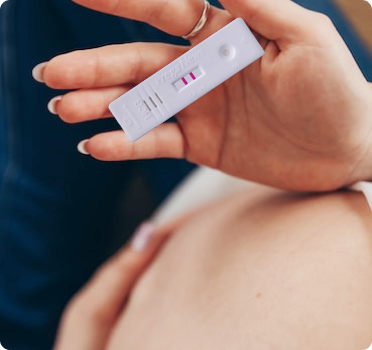
For many women, the first quiet shift towards motherhood happens in a bathroom, alone, holding their breath as two pink lines appear. That moment, full of hope and uncertainty, deserves a test you can trust.

The Prega News Advance Pregnancy Test Kit is designed to make that moment as calm as possible. Easy to hold, mess-free, and offering rapid results in just 3 minutes, lets you take that first step in privacy and comfort. It detects hCG, which rises after implantation, helping you step into motherhood with awareness and care from day one.

Also Read Body Changes During Pregnancy: First Trimester

Conclusion

Pregnancy can feel both magical and demanding, sometimes within the same hour. This Mother’s Day, give yourself the same softness you’d offer a dear friend. From all of us at PregaNews, a heartfelt happy mother’s day to all moms, and to every woman quietly stepping into this beautiful new chapter. Remember this, even if today you only rested, you did enough. Growing a life is the work, and you are already doing it beautifully. Motherhood hasn’t begun with your baby’s first cry. It began the moment your heart made room for someone new, and that quiet beginning is worth honouring today.

FAQ’s

Q. What makes Mother’s Day 2026 special for moms-to-be?

Mother’s Day 2026 celebrates the bond that begins long before birth, honouring the strength of every expecting woman.

Q. Is it normal to feel extreme fatigue during early pregnancy?

Yes, many women experience significant tiredness in pregnancy due to hormonal changes. If fatigue feels overwhelming, please consult your doctor.

Q. How can I manage tiredness in pregnancy?

Rest often, stay hydrated, eat small balanced meals, and engage in gentle movement when you feel up to it.

Q. What should a pregnant woman do on Mother’s Day?

Choose what feels good, whether that’s a quiet day at home, a family meal, or a long nap. Letting someone care for you is also a wonderful choice.

Q. How to celebrate the first Mother’s Day while pregnant?

Mark the moment by writing a letter to your baby, taking a bump photo, or sharing a meal with loved ones. Your firsts Mother’s Day is worth treasuring.

Q. What are the early signs of pregnancy fatigue?

You may feel unusually sleepy, mentally foggy, or low on stamina even after rest.

Q. Can pregnancy make you feel weak all the time?

Many women feel weaker during early pregnancy as their body adjusts to hormonal changes. If weakness becomes persistent, please speak with your healthcare provider.

Q. How to take care of yourself in early pregnancy?

Focus on rest, balanced nutrition, hydration, gentle movement, and regular prenatal check-ups.

Medical Claims & Links Table (Updated)

Blog SectionMedical ClaimLink
Understanding Pregnancy Fatigue in Early StagesPregnancy fatigue is one of the most common experiences in the first trimesterhttps://www.webmd.com/baby/coping-with-pregnancy-fatigue
Understanding Pregnancy Fatigue in Early StagesFatigue was one of the first signs of pregnancy and can keep nagging through most of the 9 monthshttps://www.webmd.com/baby/coping-with-pregnancy-fatigue
Why You Feel Tired During Early PregnancyRising progesterone levels in early pregnancy contribute to feeling sleepy and tiredhttps://www.webmd.com/baby/first-trimester-of-pregnancy
Progesterone has a sedative effect that contributes significantly to fatigue in early pregnancyhttps://health.clevelandclinic.org/pregnancy-fatigue
Increased blood volume during pregnancy causes the heart to work harder, leading to fatiguehttps://www.webmd.com/baby/coping-with-pregnancy-fatigue
The body’s metabolism increases to support the baby’s growth, contributing to exhaustionhttps://www.webmd.com/baby/first-trimester-of-pregnancy
Understanding Pregnancy Fatigue in Early StagesDizziness, fainting, or shortness of breath during pregnancy require immediate medical consultationhttps://www.heart.org/en/news/2024/01/18/dizziness-during-pregnancy-when-is-it-a-concern
Understanding Pregnancy Fatigue in Early StagesPale skin, palpitations, and persistent headaches may indicate underlying conditions like anaemiahttps://www.yalemedicine.org/news/importance-of-iron-in-pregnancy
Fatigue with fever, bleeding, or sharp pain during pregnancy is a warning sign requiring urgent carehttps://www.cdc.gov/hearher/maternal-warning-signs/index.html
Iron deficiency anaemia during pregnancy can cause weakness, tiredness, and lightheadednesshttps://www.mayoclinic.org/healthy-lifestyle/pregnancy-week-by-week/in-depth/anemia-during-pregnancy/art-20114455
Hypothyroidism during pregnancy can cause unexplained fatigue, weight gain, and trouble sleepinghttps://www.webmd.com/women/hypothyroidism-underactive-thyroid-symptoms-causes-treatments
The First Step to Care: Early Pregnancy AwarenessHCG (Human Chorionic Gonadotropin) is the hormone the body produces shortly after conceptionhttps://www.webmd.com/baby/pregnancy-tests
The First Step to Care: Early Pregnancy AwarenessPregnancy tests detect hCG, with qualitative tests confirming pregnancy as early as 10 days after conceptionhttps://www.webmd.com/baby/pregnancy-tests
The First Step to Care: Early Pregnancy AwarenesshCG is produced by the placenta during pregnancy and is detected in blood and urine testshttps://my.clevelandclinic.org/health/body/22489-human-chorionic-gonadotropin
FAQ: Is it normal to feel extreme fatigue during early pregnancy?Significant tiredness in pregnancy is common due to hormonal changeshttps://www.webmd.com/baby/first-trimester-of-pregnancy
FAQ: What are the early signs of pregnancy fatigue?Early signs of pregnancy fatigue include unusual sleepiness, mental fog, and low stamina even after resthttps://www.hopkinsmedicine.org/health/wellness-and-prevention/10-early-signs-of-pregnancy
FAQ: Can pregnancy make you feel weak all the time?Persistent weakness during pregnancy should be evaluated by a healthcare providerhttps://www.webmd.com/baby/coping-with-pregnancy-fatigue
FAQ: Why is my breast milk supply low?Low breast milk supply is a postpartum concern that affects approximately 10 to 15 percent of Mother’shttps://www.ncbi.nlm.nih.gov/pmc/articles/PMC10831895/
FAQ: Why is my breast milk supply low?Causes of low milk supply require professional evaluation by a doctor or qualified lactation consultanthttps://americanpregnancy.org/postpartum/low-milk-supply/

Other
Mankind Brands

Other Mankind Brand - Acne Star
Other Mankind Brand - Gas-o-fast
Other Mankind Brand - HealthOk
Other Mankind Brand - EPIC
Other Mankind Brand - Manforce