


















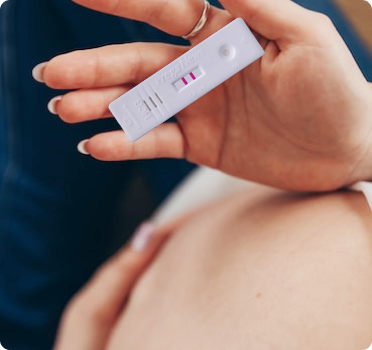


Pregnancy brings a beautiful mix of excitement and care, and one of the most loving things you can do for your baby is to start protecting them even before they arrive. Among the maternal vaccines recommended by doctors, the Tdap injection during pregnancy is one of the simplest yet most powerful steps towards keeping your newborn safe in their first vulnerable weeks of life.
If your gynaecologist has mentioned this vaccine and you feel a little unsure, please know that this is completely natural. Many expecting mothers feel nervous about taking any vaccine during pregnancy, and that concern simply shows how much you care. The good news is that the whooping cough injection in pregnancy has been safely given for years and is recommended specifically to protect newborn babies during their earliest, most delicate weeks.
This guide gently walks you through everything you need to know, from timing and safety to side effects and benefits, so you can have a confident conversation with your healthcare provider.
What is the Tdap Injection
The Tdap injection is a combination vaccine that protects against three bacterial infections, namely Tetanus, Diphtheria, and Pertussis. Pertussis, more commonly known as whooping cough, spreads easily through tiny droplets in the air when an infected person coughs or sneezes.
For newborn babies, whooping cough can be harder to manage because their immune systems are still developing. They cannot receive their own pertussis vaccine until they are about two months old, which is exactly why maternal immunisation is such a thoughtful gift. It bridges that early gap with gentle, passive protection.
Why is Tdap Injection Important During Pregnancy
When you receive the Tdap injection in pregnancy, your body produces protective antibodies in response to the vaccine. These antibodies travel through the placenta to your developing baby, giving them a layer of immunity even before birth.
This early protection is especially valuable during the first two months of your baby’s life. While newborns are too young for their own pertussis vaccine, your antibodies act as a soft shield until they can receive theirs. Studies suggest that maternal vaccination significantly reduces the risk of whooping cough in newborns during their most fragile weeks, which is reassuring for any parent to know.
Think of it this way. By immunising during pregnancy, you are essentially handing your baby their very first form of protection, lovingly delivered before they even take their first breath.
When Should You Take the Tdap Injection During Pregnancy
The recommended window for the Tdap injection during pregnancy is between 27 and 36 weeks of gestation, ideally during the early part of the third trimester. This timing allows your body enough time to produce antibodies and pass them efficiently to your baby before delivery.
Healthcare providers typically recommend this vaccine during each pregnancy, even if you have received it before. Antibody levels gently reduce over time, so each baby benefits from a fresh round of protection.
If you are unsure about your pregnancy timeline, you can use the PregaNews Due Date Calculator to track your weeks accurately and plan the optimal vaccination window with your doctor.
Is Tdap Injection Safe During Pregnancy
Yes, the injection Tdap in pregnancy is widely considered safe for both mother and baby, and here is the simple reason why. The Tdap vaccine does not contain any live bacteria, so it cannot cause tetanus, diphtheria, or whooping cough in either you or your baby. Instead, it gently prompts your body to create protective antibodies that pass safely through the placenta.
The vaccine has been used safely in millions of pregnancies across the world for many years. Major health organisations, including the Centers for Disease Control and Prevention and Indian paediatric associations, recommend it routinely. Extensive research and large pregnancy registries indicate no increased risk of birth defects, preterm delivery, or other pregnancy complications.
That said, every pregnancy is unique. It is always wise to discuss your medical history with your gynaecologist before receiving any vaccine.
Benefits of Tdap Injection for Mother and Baby
The Tdap injection offers several meaningful benefits for both you and your little one. Some of the key advantages include:
- Early immunity for the newborn: Your baby receives protective antibodies before birth, helping shield them from whooping cough during their first vulnerable weeks
- Reduced risk of severe illness: Significantly lowers the chances of complications such as breathing difficulties or hospitalisation due to pertussis
- Maternal health protection: Safeguards you from tetanus, diphtheria, and pertussis throughout pregnancy and beyond
- Long-term safety record: Backed by years of research and used safely in millions of pregnancies worldwide
- Family-wide benefit: When mothers are protected, the chances of passing infections to the baby are far lower
Also Read Body Changes During Pregnancy: First Trimester
What Happens If You Skip the Tdap Injection
Choosing to skip the Tdap injection means your baby may not have antibody protection during their first two months of life. During this short window, before they begin their own vaccinations, they are more dependent on the immunity passed from you.
Without that maternal layer, the risk of whooping cough is higher if they come into contact with an infected person. Thankfully, this is exactly the situation maternal vaccination is designed to prevent, which is why doctors recommend it so consistently. Many parents find peace of mind in knowing that one simple injection can offer their baby such meaningful early protection.
The information provided here is for educational purposes only and should not replace professional medical advice. Please consult your gynaecologist or healthcare provider to make the best decision for your pregnancy.
Are There Any Side Effects of Tdap Injection

Like most vaccines, the Tdap injection may cause mild and temporary side effects, which usually settle within a day or two. Common side effects include:
- Soreness, redness, or mild swelling at the injection site
- A slight fever
- Tiredness or fatigue
- Headache or body ache
- Mild nausea
If you experience severe symptoms such as difficulty breathing, persistent high fever, swelling of the face, or any signs of an allergic reaction, please consult your doctor promptly. For everyday pregnancy queries or concerns about symptoms, you can also Ask a Gynae for trusted, expert guidance.
Also Read: Precautions During Pregnancy: Second Trimester
Tdap Injection vs Other Pregnancy Vaccines
During pregnancy, your doctor may suggest a couple of different vaccines based on your health and the time of year. The flu shot, for instance, is often recommended during flu season because influenza can feel more severe during pregnancy.
The traditional TT (tetanus toxoid) injection, once routine in India, is gradually being replaced by Tdap, and for a lovely reason. While TT only protects against tetanus, Tdap protects against three diseases in a single dose, including pertussis. This makes it a more complete choice for both maternal well-being and newborn safety.
Who Should Not Take the Tdap Injection
While the Tdap injection is safe for most pregnant women, there are a few situations where it may not be advised. Women who have had a severe allergic reaction to a previous Tdap dose or any of its components should avoid it.
Those with a history of certain neurological conditions following past vaccinations should also discuss alternatives with their doctor. Sharing your complete medical history with your healthcare provider helps them recommend the safest path for you.
Conclusion
The Tdap injection is a thoughtful and protective step in your pregnancy journey, offering valuable immunity to your baby during their most vulnerable early weeks. With its strong safety record and gentle approach, it remains one of the most trusted maternal vaccines worldwide.
For many parents, the Tdap injection becomes one of the very first ways they can actively protect their baby even before birth, and that is a beautiful thing to carry into motherhood. Every pregnancy is unique, so it is always best to consult your healthcare provider for personalised guidance. With the right knowledge and support, you can move forward feeling confident, calm, and ready.
FAQ’s
Q. What is the Tdap injection during pregnancy?
The Tdap injection is a vaccine given during pregnancy that protects against tetanus, diphtheria, and pertussis (whooping cough), helping safeguard both mother and newborn.
Q. When should I take the Tdap injection in pregnancy?
The vaccine is typically recommended between 27 and 36 weeks of pregnancy, ideally in the early third trimester for optimal antibody transfer to the baby.
Q. Is Tdap injection safe during pregnancy?
Yes, the vaccine is considered safe and has been used in millions of pregnancies for years. It contains no live bacteria, so it cannot cause infection in mother or baby.
Q. Why is whooping cough injection in pregnancy important?
It provides newborns with passive immunity against pertussis during their first two months, before they can begin their own vaccinations.
Q. Do I need Tdap in every pregnancy?
Yes, healthcare providers recommend the vaccine during each pregnancy because antibody levels reduce over time, so each baby benefits from fresh protection.
Q. Can Tdap vaccine harm the baby?
No, research consistently indicates the vaccine does not harm the baby. It actually supports the baby’s immunity through gentle, protective maternal antibodies.
Q. What are the side effects of Tdap injection in pregnancy?
Common side effects may include soreness at the injection site, mild fever, fatigue, or a headache, all of which typically settle within a day or two.
Q. How long does Tdap vaccine protect the baby?
The protection passed from mother to baby typically lasts for the first two months of life, until the baby begins their own vaccination schedule.
Q. Is Tdap the same as TT injection?
No, Tdap protects against three diseases including pertussis, while the TT injection only protects against tetanus.
Q. Can I take Tdap after delivery instead?
Postpartum vaccination protects the mother but does not provide the baby with passive immunity, so vaccination during pregnancy is generally preferred.
Q. What happens if I miss Tdap during pregnancy?
If you miss the recommended window, speak to your doctor about getting vaccinated as soon as possible, either later in pregnancy or shortly after delivery.
Medical Claims & Links Table
| Blog Section | Medical Claim | Link |
| What is the Tdap Injection What is the Tdap Injection | The Tdap injection is a combination vaccine that protects against three bacterial infections: Tetanus, Diphtheria, and Pertussis | https://www.webmd.com/vaccines/tdap-vaccine-for-adults |
| Pertussis (whooping cough) spreads easily through tiny droplets in the air when an infected person coughs or sneezes | https://www.webmd.com/children/whooping-cough-symptoms-treatment | |
| Whooping cough can be harder to manage in newborns because their immune systems are still developing | https://www.webmd.com/children/vaccines/features/how-proactive-moms-prevent-whooping-cough-pertussis | |
| Babies cannot receive their own pertussis vaccine until they are about two months old | https://www.webmd.com/children/vaccines/whooping-cough-and-the-dtap-vaccine | |
| Why is Tdap Injection Important During Pregnancy | When pregnant women receive Tdap, their body produces protective antibodies in response to the vaccine | https://www.webmd.com/vaccines/tdap-vaccine-for-adults |
| Antibodies travel through the placenta to the developing baby, providing immunity before birth | https://www.acog.org/womens-health/faqs/the-tdap-vaccine-and-pregnancy | |
| Maternal vaccination significantly reduces the risk of whooping cough in newborns during their most vulnerable weeks | https://www.webmd.com/children/vaccines/whooping-cough-and-the-dtap-vaccine | |
| When Should You Take the Tdap Injection During Pregnancy | The recommended window for Tdap during pregnancy is between 27 and 36 weeks of gestation | https://www.webmd.com/vaccines/tdap-vaccine-for-adults |
| Tdap is recommended during each pregnancy because antibody levels reduce over time | https://www.acog.org/womens-health/faqs/the-tdap-vaccine-and-pregnancy | |
| Getting the vaccine early in the 27 to 36 week window maximises antibodies present at birth | https://www.cdc.gov/pertussis/vaccines/tdap-vaccination-during-pregnancy.html | |
| Is Tdap Injection Safe During Pregnancy | The Tdap vaccine does not contain live bacteria, so it cannot cause tetanus, diphtheria, or whooping cough in mother or baby | https://www.webmd.com/vaccines/tdap-vaccine-for-adults |
| The vaccine has been used safely in millions of pregnancies for many years | https://www.cdc.gov/pertussis/hcp/vaccine-recommendations/vaccinating-pregnant-patients.html | |
| Research shows no increased risk of birth defects, preterm delivery, or pregnancy complications associated with the vaccine | https://www.acog.org/clinical/clinical-guidance/committee-opinion/articles/2017/09/update-on-immunization-and-pregnancy-tetanus-diphtheria-and-pertussis-vaccination | |
| Major health organisations including the CDC recommend the Tdap vaccine routinely for pregnant women | https://www.cdc.gov/pertussis/vaccines/tdap-vaccination-during-pregnancy.html | |
| Benefits of Tdap Injection for Mother and Baby | Babies receive protective antibodies before birth, helping shield them from whooping cough during their first vulnerable weeks | https://www.webmd.com/children/vaccines/whooping-cough-and-the-dtap-vaccine |
| Vaccination significantly lowers the chances of complications such as breathing difficulties or hospitalisation due to pertussis | https://www.webmd.com/children/vaccines/features/how-proactive-moms-prevent-whooping-cough-pertussis | |
| Tdap protects mothers from tetanus, diphtheria, and pertussis throughout pregnancy and beyond | https://www.webmd.com/vaccines/tdap-vaccine-for-adults | |
| What Happens If You Skip the Tdap Injection | Without maternal antibody protection, babies are more dependent on immunity passed from the mother | https://www.cdc.gov/pertussis/hcp/vaccine-recommendations/vaccinating-pregnant-patients.html |
| The risk of whooping cough is higher in unimmunised babies, particularly in the first few months of life | https://my.clevelandclinic.org/health/diseases/15661-whooping-cough-pertussis | |
| Are There Any Side Effects of Tdap Injection | Common side effects include soreness, redness, or mild swelling at the injection site | https://www.webmd.com/vaccines/tdap-vaccine-for-adults |
| A slight fever can occur after Tdap vaccination | https://www.webmd.com/vaccines/tdap-vaccine-for-adults | |
| Severe symptoms such as difficulty breathing, swelling of the face, or signs of allergic reaction require prompt medical consultation | https://www.mayoclinic.org/drugs-supplements/diphtheria-tetanus-and-acellular-pertussis-booster-vaccine-intramuscular-route/description/drg-20122575 | |
| Tdap Injection vs Other Pregnancy Vaccines | The flu shot is recommended during pregnancy because influenza can be more severe during pregnancy | https://www.webmd.com/children/vaccines/back-to-school-vaccinations-made-simple |
| The TT (tetanus toxoid) injection only protects against tetanus, while Tdap protects against three diseases including pertussis | https://www.webmd.com/vaccines/tdap-vaccine-for-adults | |
| Who Should Not Take the Tdap Injection | Women who have had a severe allergic reaction to a previous Tdap dose or its components should avoid the vaccine | https://www.webmd.com/drugs/dtap-diphtheria-tetanus-pertussis-vaccine |
| Who Should Not Take the Tdap Injection | Those with a history of certain neurological conditions following past vaccinations should discuss alternatives with their doctor | https://www.cdc.gov/vaccine-safety/vaccines/dtap-tdap.html |
| FAQ Section | The protection passed from mother to baby typically lasts for the first two months of life | https://www.acog.org/womens-health/faqs/the-tdap-vaccine-and-pregnancy |