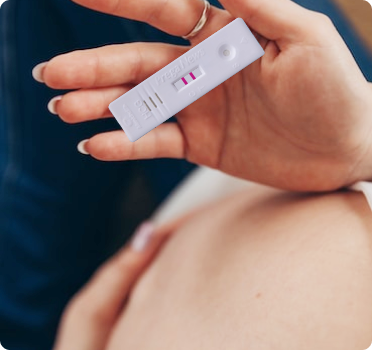
The moment those two pink lines appear on your Prega News Pregnancy Test Kit, everything changes. Alongside the joy comes a flood of advice from everyone around you, and suddenly, foods you’ve always suddenly become sources of worry. If you’ve found yourself anxious about whether something you ate could affect your pregnancy, you’re not alone. Commonly believed to be dangerous” Because organisations/societies do not label pineapple as dangerous in pregnancy. You may have heard that pineapple during pregnancy can cause miscarriage or induce early labour. But is there truth to this, or is it simply a myth?
This blog separates fact from fiction, exploring the real benefits, potential risks, and science behind this tropical fruit. Can We Eat Pineapple During Pregnancy?
Yes, you can eat pineapple during pregnancy. When consumed in moderate amounts, pineapple is safe and nutritious for most pregnant women. The concern stems from bromelain, an enzyme found in pineapple. Most bromelain is concentrated in the core rather than the edible flesh. While bromelain has been linked to cervical softening in very high concentrations, the enzymatic activity present in typical servings of fresh pineapple is far too weak to affect cervical tissue. As a result, pineapple consumed in normal amounts is generally considered safe.
It is important to distinguish between eating pineapple fruit and taking concentrated bromelain supplements. While the fruit is safe, bromelain supplements should be avoided during pregnancy.
Is Pineapple During Pregnancy First Trimester Safe?
The first trimester can be anxious, and many women wonder specifically about pineapple during pregnancy first trimester, when concerns about miscarriage feel most urgent.
Here is the reassuring truth: medical professionals confirm there is no scientific evidence that moderate pineapple consumption causes miscarriage or harms your baby. The bromelain in one or two servings is simply not enough to affect your pregnancy.
If you have already enjoyed pineapple before reading this and feel worried, please take a breath. You and your baby are fine. You would need to consume an extremely large quantity for bromelain to have any potential effect.
If you have specific concerns or a history of complications, your healthcare provider can offer personalised reassurance.
Nutritional Benefits of Eating Pineapple During Pregnancy
Eating pineapple during pregnancy can offer several nutritional benefits. However, because pineapple has a relatively high glycaemic index, women with gestational diabetes or those monitoring blood sugar levels should consume it in moderation and be mindful of portion sizes.
Vitamin C: Supports your immune system and helps your body absorb iron, particularly important during pregnancy.
Vitamin B6: Pineapple has some B6, but not enough to treat morning sickness.
Dietary Fibre: Helps relieve constipation, a common pregnancy complaint.
Folate: Pineapple contributes some folate but should not be relied upon as the main source, compared to legumes or leafy greens.
Manganese: Supports bone health and metabolism for both mother and baby.
Understanding the Risks and Side Effects
While pineapple is safe for most pregnant women, some situations warrant caution.
Heartburn and Acidity
Pineapple’s natural acidity can cause or worsen heartburn and reflux, common complaints especially in later trimesters. If you experience frequent heartburn, enjoy smaller portions.
Blood Sugar Considerations
Pineapple contains natural sugars. If you have gestational diabetes, be mindful of your intake and count it as part of your overall carbohydrates.
Latex-Fruit Allergy Syndrome
Latex allergies are rare but possible, women with already known latex allergies may react to pineapple. Watch for symptoms like itching, swelling, or discomfort after eating.
If you have specific health conditions, speaking with a gynaecologist can help create a suitable diet plan. The Ask a Gynae service offers a convenient way to get expert guidance.
How to Safely Include Pineapple in Your Diet
Follow these guidelines to enjoy pineapple during pregnancy safely.
1. Moderation is Key
Stick to about one cup of fresh pineapple daily. This provides nutritional benefits without excessive bromelain or sugar.
2. Avoid the Core
The core has more bromelain than the flesh, but still not high enough to harm pregnancy.
3. Choose Fresh Over Canned
Fresh pineapple is best. Canned varieties often contain sugary syrup. If using canned, choose those packed in natural juice.
4. Listen to Your Body
Every pregnancy is unique. If you notice discomfort or heartburn, reduce your intake or consult your healthcare provider.
Certain symptoms warrant medical attention. Contact your healthcare provider if you experience:
Allergic reactions such as itching, hives, swelling, or difficulty breathing
Severe abdominal cramping or pain
Unusual vaginal spotting or bleeding
Any symptom causing significant concern
When in doubt, seeking professional guidance is always wise.
Conclusion
Pineapple is a nutritious fruit that can be safely enjoyed during pregnancy. According to medical consensus, the myth linking pineapple to miscarriage is not supported by evidence. In moderate amounts, it offers valuable vitamins and fibre for you and your baby.
Moderation and awareness of your body’s responses are key. For personalised advice, please consult your gynaecologist or healthcare professional.
Frequently Asked Questions – Eating Pineapple During Pregnancy
1. Can I eat pineapple during pregnancy if I have gestational diabetes?
You can enjoy small portions, but be mindful of sugar content. Discuss appropriate serving sizes with your healthcare provider.
2. Does eating pineapple induce labour naturally?
No. Doctors confirm the bromelain in fresh pineapple is too low to affect labour or the cervix.
3. Is pineapple juice safe for pregnant women?
Generally safe in moderation, though juice lacks fibre and contains concentrated sugars. Fresh pineapple is the healthier choice.
4. How much pineapple during pregnancy is considered safe?
About one cup of fresh pineapple daily is safe for most pregnant women.
5. What part of the pineapple should I avoid?
Avoid the hard central core, which contains higher bromelain concentrations than the flesh. Enjoy only the soft flesh.
Pregnancy brings with it a beautiful mix of excitement, anticipation, and yes, some unexpected physical changes. Among the earliest signs many women notice is breast tenderness or discomfort. If you’ve been experiencing soreness, heaviness, or sensitivity in your breasts, you are certainly not alone. Breast pain during pregnancy is one of the most common experiences reported by expecting mothers. In this article, we’ll explore the causes behind this discomfort and share effective remedies to help you find relief.
Understanding Breast Pain During Pregnancy
Breast discomfort during pregnancy often presents itself as a feeling of heaviness, tingling, or general soreness. This sensation can begin as early as a few weeks after conception and is, in fact, one of the first signs that your body is preparing for motherhood.
The changes happening in your breasts are a natural part of pregnancy. Your body is getting ready to nourish your baby, and this process begins well before delivery. Recognising this as a normal part of the journey can help ease some of the worry that often accompanies these unfamiliar sensations.
Why Do Breasts Hurt During Pregnancy?
The primary reason behind breast pain during pregnancy is hormonal changes. After conception, your body produces higher levels of oestrogen (a key female hormone) and progesterone (a hormone that supports pregnancy). These hormones play a crucial role in preparing your breasts for breastfeeding by stimulating the growth of milk ducts and glands.
Additionally, blood flow to your breasts increases significantly during pregnancy. This enhanced circulation supports the development of breast tissue but can also contribute to feelings of fullness and sensitivity. The combination of hormonal shifts and increased blood supply means your breasts are working hard, which often translates to temporary discomfort. As your pregnancy progresses, the milk ducts continue to expand, and fatty tissue develops to support milk production. All these changes, While these changes support the body during pregnancy, they can cause breast tightness, ache, pain, or discomfort—often easing as you move into the second trimester.
Signs and Symptoms to Recognise
Understanding what to expect can help you feel more prepared. Common symptoms of breast discomfort during pregnancy include:
Increased sensitivity to touch: Even light contact may feel uncomfortable
Heaviness or fullness: Your breasts may feel noticeably heavier than usual
Tingling sensations: A pins-and-needles sensation, particularly around the nipples
Darkening areolas: The area around your nipples may become darker in colour
Visible veins: Blue or greenish veins may become more prominent beneath the skin
Breast and armpit tendernessduring pregnancy: Tenderness may extend to the armpit area due to breast tissue changes
Enlargement: Your breasts may increase in size, sometimes requiring a larger bra
These symptoms typically begin in the first trimester and may ease somewhat in the second trimester before returning closer to delivery. Every woman’s experience is unique, so don’t be concerned if your symptoms differ slightly from others.
Effective Pregnancy Breast Pain Remedies
While breast tenderness is a normal part of pregnancy, there are several ways to manage the discomfort and find relief.
1. Choose the Right Supportive Bra
Wearing a well-fitted, supportive bra can make a significant difference in managing breast pain. Look for bras made from soft, breathable fabrics with wide straps that distribute weight evenly. As your body changes, you may need to be fitted for new bras several times throughout your pregnancy.
2. Try Temperature Therapy
Applying warm or cold compresses can help soothe sore breasts. A warm compress (not hot) may help relax the tissue and ease tension, while a cold compress (should be wrapped in cloth to prevent skin irritation)can reduce swelling and numb mild pain. Experiment with both to see which provides you with the most relief.
3. Stay Well Hydrated
Drinking plenty of water helps reduce fluid retention, which can contribute to breast swelling and discomfort. Aim for at least eight glasses of water daily and limit your intake of salty foods that may cause your body to retain water. Proper hydration supports your overall wellbeing during pregnancy and may help minimise breast tenderness.
4. Practice Gentle Massage
A gentle massage can help improve circulation and reduce tension in breast tissue. Use light, circular motions and be careful to avoid vigorous rubbing, especially around the nipple area. This is particularly important in late pregnancy, as vigorous nipple stimulation may trigger uterine During later stage of pregnancy.
For added comfort, you can use a soothing cream designed for pregnancy skin care. Prega Happy Anti-Stretch Mark Cream is formulated with natural ingredients like aloe vera, almond oil, and shea butter that help hydrate and soothe stretching skin. While primarily designed to prevent stretch marks, it can also provide comfort during breast massage, helping to ease the tightness and itching that often accompanies breast changes during pregnancy. If you notice redness, fever, or one breast becoming unusually painful, speak to your doctor.
What to Avoid
Alongside helpful remedies, being mindful of certain habits can also reduce breast discomfort:
Underwire bras or tight-fitting undergarments: These can restrict circulation and increase discomfort
Harsh soaps or body washes: These may irritate already sensitive breast skin; opt for gentle, fragrance-free options
Sleeping on your stomach: This can put unnecessary pressure on tender breasts; try sleeping on your side with a supportive pillow
Excessive caffeine: Some women find that reducing caffeine intake helps minimise breast tenderness
When to Consult Your Doctor
While breast pain during pregnancy is typically normal, certain symptoms warrant medical attention. Please consult your healthcare provider if you experience:
A distinct lump in your breast that does not go away. Most lumps are harmless, but it’s important to have them checked.
Redness, warmth, or swelling in one specific area
Fever accompanied by breast pain, which could indicate mastitis (a breast infection)
Unusual discharge from the nipples
Severe pain that significantly affects your daily activities
Pain that is only on one side and feels different from general tenderness
Sudden changes in one breast’s size or shape.
Your doctor can provide personalised guidance based on your specific situation. If you have questions or concerns between appointments, the Ask a Gynae feature on PregaNews allows you to connect with medical experts for professional advice.
Conclusion
Breast pain during pregnancy, while uncomfortable, is a common and natural change as your body adapts to pregnancy. Hormonal shifts and physical changes in the breasts including preparation for possible milk production after pregnancy can contribute to sensations such as tenderness, ache, or discomfort.
Choosing supportive undergarments, staying well-hydrated, and using gentle measures like warm or cool compresses and light massage may help ease discomfort.
If you feel unsure about your symptoms or would like reassurance, it’s always best to speak with your healthcare provider. They can guide and support you throughout your pregnancy journey.
Frequently Asked Questions – Breast Pain during Pregnancy
1. How long does breast pain last during pregnancy?
Breast tenderness often begins in the first trimester and may ease during the second trimester. However, it can return in the third trimester as your body prepares for breastfeeding. The duration varies for each woman.
2. Is breast pain a sign of a baby’s gender?
There is no scientific evidence linking breast pain or tenderness to the baby’s gender. This is a common myth, and breast changes are simply a result of hormonal shifts that occur in all pregnancies.
3. Can I take pain medication for breast pain during pregnancy?
Before taking any medication during pregnancy, it’s essential to consult your doctor. They can recommend safe options if needed and advise on appropriate dosages for your specific situation.
4. Does breast pain mean something is wrong with my pregnancy?
In most cases, breast pain is a normal symptom of pregnancy and not a cause for concern. However, if you notice unusual symptoms like lumps, fever, or severe one-sided pain, consult your healthcare provider for evaluation.
5. What is a pregnancy breast pain remedy I can try at home?
Wearing a supportive bra, applying warm or cold compresses, staying hydrated, and gentle massage are all effective home remedies.
Every twinge, cramp, or ache during pregnancy can send a wave of worry through an expecting mother’s mind. Is this normal? Should I be concerned? If you have found yourself anxiously searching for answers about abdominal pain during pregnancy, you’re certainly not alone.
The truth is that some degree of abdominal pain and pregnancy discomfort is incredibly common as your body undergoes remarkable changes to nurture your growing baby. From stretching ligaments to shifting organs, your body is working hard every single day. However, understanding the difference between harmless growing pains and symptoms that need medical attention can help you navigate this journey with greater confidence.
In this guide, we will walk you through what causes abdominal discomfort at different stages, when it’s typically nothing to worry about, and when you should reach out to your healthcare provider. If you ever feel uncertain, please don’t hesitate to consult your doctor for personalised guidance.
Is Abdominal Pain Normal During Pregnancy?
The short answer is often, yes. Your body is creating space for a new life, and that involves significant physical adjustments.
During Early Pregnancy: Some women experience mild abdominal cramping or discomfort in early pregnancy. Sensations similar to implantation cramps typically occur before or right around the time of a missed period, often before pregnancy is confirmed. After pregnancy begins, light cramping may instead be related to the uterus starting to expand and adjust. Cramping that is mild, occasional, and not accompanied by bleeding is usually not a cause for concern.
During Later Pregnancy: As your pregnancy progresses, abdominal pain becomes more common. Your growing baby puts pressure on surrounding organs, and the uterus expands significantly. This can lead to sensations ranging from dull aches to brief sharp twinges, most of which are a normal part of pregnancy. However, pain that is persistent, severe, or felt mainly on one side should be evaluated by a healthcare provider.
Understanding what’s behind your discomfort can provide tremendous relief. Here are some of the most common harmless causes:
Round Ligament Pain: As your uterus grows, the round ligaments that support it stretch and thicken. This can cause sharp, jabbing pains on the right side more than left of your lower abdomen, especially when you change positions suddenly or sneeze.
Gas and Bloating: The hormone progesterone slows down your digestive system, which can lead to uncomfortable gas buildup and bloating. This often causes cramping sensations in the abdominal area.
Braxton Hicks Contractions: Sometimes called “practice contractions,” these cause the abdomen to tighten and feel hard. They are typically irregular, do not increase in intensity, and are the body’s way of preparing for labour. They often ease with rest, hydration, or a change in position.
Constipation: Hormonal changes and prenatal vitamins (particularly iron) can slow bowel movements, May cause both abdominal and pelvic discomfort. This is one of the most frequently reported discomforts among expecting mothers.
Growing Uterus Pressure: As your baby grows, the expanding uterus puts pressure on your bladder, intestines, and other organs, which can cause a sense of pressure, heaviness, or general abdominal discomfort.
Serious Causes You Should Not Ignore
While most abdominal discomfort is harmless, certain types of pain require immediate medical attention. Being aware of these warning signs is crucial for your health and your baby’s wellbeing.
Ectopic Pregnancy: This occurs when a fertilised egg implants outside the uterus, typically in a fallopian tube. It may cause sharp, one-sided pain, often accompanied by vaginal bleeding. This is a medical emergency and requires immediate care.
Miscarriage: Cramping accompanied by heavy vaginal bleeding, especially in the first trimester, may indicate a miscarriage. If you experience these symptoms, contact your healthcare provider promptly.
Preeclampsia: This pregnancy complication can cause severe pain in the upper abdomen, particularly under the ribs on the right side. It may be accompanied by swelling, headaches, or vision changes.
Preterm Labour: Regular, painful contractions before 37 weeks, especially with lower back pain or pelvic pressure, may signal preterm labour.
Important: If you experience severe or persistent pain, bleeding, fever, chills, or any symptom that concerns you, please seek medical attention immediately. During pregnancy, it’s always safer to have any concerning symptoms checked by a professional.
Managing Mild Discomfort at Home
For mild, harmless abdominal pain while pregnant, several strategies can help you find relief:
1. Rest and Change Positions
Sometimes simply lying down or changing your position can ease discomfort. Try lying on your left side with a pillow between your knees for support.
2. Stay Hydrated
Dehydration can worsen cramps and discomfort. Aim to drink plenty of water throughout the day.
3. Gentle Movement
Light walking or prenatal stretches can help relieve gas and ease muscle tension. Avoid sudden movements that might trigger round ligament pain.
4. Warm Compress
A warm (not hot) water bottle or heating pad on your back or sides can soothe aching muscles. Avoid placing heat directly on your abdomen.
5. Care for Your Stretching Skin
As your belly grows, the skin stretches significantly, contributing to sensations of tightness that can sometimes feel like internal discomfort. Keeping your skin well-moisturised helps ease this tension. Many expecting mothers find relief with Prega Happy, which soothes itching and supports skin elasticity during pregnancy.
While mild discomfort is often normal, certain symptoms warrant prompt medical attention. Please contact your healthcare provider if you experience:
Severe or persistent abdominal pain that doesn’t improve with rest
Vaginal bleeding or spotting
Fever or chills
Pain or burning during urination
Dizziness or fainting
More than four regular, painful contractions in an hour before 37 weeks
Sudden swelling in your face, hands, or feet
Vision changes or severe headaches
Any noticeable reduction should be evaluated
PregaNews offers a Ask a Gynae feature where you can consult a gynaecologist online for guidance and peace of mind.
Conclusion
Experiencing abdominal pain during pregnancy can feel worrying but understanding that much of this discomfort is simply your body adapting to support your growing baby can bring reassurance. From round ligament stretching to Braxton Hicks contractions, most aches and pains are normal parts of this beautiful journey. You can also use the Due Date Calculator to track your pregnancy progress and stay informed about each stage of your journey. Remember, every pregnancy is unique, and Knows you best, but persistent or unusual symptoms require medical evaluation. While this information can help you understand what you may be experiencing, your healthcare provider is always the best resource for personalised advice. Trust your instincts, if something doesn’t feel right, reaching out to a medical professional is always the wise choice.
FAQs – Abdominal Pain During Pregnancy
1. Is abdominal pain during pregnancy normal?
Yes, mild to moderate abdominal pain during pregnancy is quite common. As your uterus grows and your body adjusts, you may experience various aches and twinges that are typically harmless.
2. What causes abdominal cramps during pregnancy?
Common causes include round ligament stretching, gas and bloating, Braxton Hicks contractions, constipation, and the growing uterus putting pressure on surrounding organs.
3. When should I worry about abdominal pain in pregnancy?
Seek medical attention if you experience severe or persistent pain, vaginal bleeding, fever, painful urination, or regular contractions before 37 weeks. These symptoms require prompt evaluation.
4. Can gas cause abdominal pain during pregnancy?
Yes, hormonal changes during pregnancy slow digestion, which can lead to gas buildup and bloating. This commonly causes uncomfortable cramping sensations in the abdominal area.
5. How can I relieve mild abdominal discomfort during pregnancy?
Rest, staying hydrated, gentle movement, and caring for your stretching skin with a soothing moisturiser can help ease mild discomfort.
The word “chemical” makes it sound as though the pregnancy was never quite real. It was. If you are asking what is chemical pregnancy, it is a very early miscarriage that usually happens by around five weeks, before a scan can detect anything. A test turns positive, the embryo stops developing, hormone levels fall, and bleeding arrives with a negative test. One such loss does not mean you cannot conceive.
What Is a Chemical Pregnancy
A chemical pregnancy is one that began and then ended within days of implantation, before it became visible on any scan. Learning that a positive test was followed by a loss is confusing and difficult, and understanding what happened often helps.
What Does Biochemical Pregnancy Mean
Biochemical pregnancy is the same thing under a different name. It’s called biochemical because the only proof of the pregnancy is chemical, meaning the hormone in your blood or urine.
There’s nothing yet for a scan to show, so hormones are all anyone has to go on.
When Does a Chemical Pregnancy Occur
These losses usually happen by about the fifth week, often around the time your period would have been due. That’s why so many go unnoticed. Home tests can now detect pregnancy hormones before a missed period, so more women learn of a pregnancy they might once never have known about.
How Does a Chemical Pregnancy Happen
Fertilisation and Implantation
After an egg is fertilised, it travels down the fallopian tube and settles into the lining of your uterus. That settling in is called implantation, when your body starts behaving as though you’re pregnant.
hCG Production and Pregnancy Tests
That signal is hCG (Human Chorionic Gonadotropin), the pregnancy hormone. A home test looks for hCG in your urine and shows a second line once there’s enough of it.
The Prega News Pregnancy Test Kit is 99% accurate and gives a result in 5 minutes, which is why an early positive can appear before a scan would show anything.
What Happens When the Pregnancy Stops Developing
The embryo stops growing shortly after implantation, and hCG falls instead of doubling. Because the hormone is still in your bloodstream, a test may keep reading positive for a while. That’s the cruellest part of the timing.
How Common Is a Chemical Pregnancy
More common than most women realise. Around 1 in 4 pregnancies end within the first 20 weeks, and roughly 80% of those losses happen very early. No one can put an exact figure on them, because many happen before a woman ever tests. If this happened to you, you’re in very large company.
If you’re wondering what is the cause of chemical pregnancy, the honest answer is that it’s rarely traced to one identifiable thing in any individual case.
Chromosomal Abnormalities
The most likely cause is a chromosomal problem in the embryo, meaning the genetic instructions were incomplete from the start. These are usually random, one-off events. They aren’t inherited, and they don’t tend to repeat.
Other Factors Associated With Early Pregnancy Loss
Some factors are associated with a higher chance of early loss:
Being 35 or older
An irregularly shaped uterus
Hormone levels that are too high or too low
Thyroid conditions, diabetes or PCOS (Polycystic Ovary Syndrome)
An untreated sexually transmitted infection
Sometimes the womb lining hasn’t developed in the right way at the right time, so the embryo can’t embed properly.
Can Stress Cause a Chemical Pregnancy?
Research here is mixed. Some studies have found a link between sustained psychological stress and a higher risk of miscarriage. Obstetric guidance holds that early loss is usually random and rarely traceable to any single stressful episode. What the evidence does not support is blaming a difficult week for a particular loss. Managing stress is worth doing for your own wellbeing, not as insurance.
Is a Chemical Pregnancy Something You Caused?
No. Not the tea you drank, the flight you took, or the day you lifted something heavy. Early loss is usually decided by chromosomes before you even knew you had conceived.
What Are the Symptoms of a Chemical Pregnancy?
Symptoms can be so mild that many women notice nothing at all. When there are signs, they may include:
A positive pregnancy test followed by a negative one soon after
A period that arrives about a week later than usual
Bleeding that’s heavier than your normal period
Cramping that feels more intense than usual
A positive test without the usual early pregnancy symptoms
Spotting in the week before your period is due
What Does Chemical Pregnancy Bleeding Look Like?
Chemical Pregnancy Bleeding vs Normal Period
For many women it looks like a period, perhaps a little heavier, with stronger cramps. Some find it begins as light spotting and then turns heavy, sometimes with clots. Others notice no difference at all from a usual month.
How Long Does Bleeding Last?
It varies. Passing the pregnancy tissue can take several days, and for some women a couple of weeks. If bleeding continues well beyond your usual pattern, mention it to your doctor.
When Is Bleeding a Medical Emergency?
Most of the time this bleeding is manageable at home. That is worth knowing. But please seek urgent medical care if you have:
Heavy bleeding that soaks through a pad quickly
Severe tummy pain that stops you focusing on ordinary tasks
Pain at the tip of your shoulder, which can signal an ectopic pregnancy
Feeling sick, faint or close to losing consciousness
Chemical Pregnancy vs Miscarriage: What’s the Difference?
A chemical pregnancy is a type of miscarriage, not a separate event. The difference is timing and what can be seen.
Chemical Pregnancy
Later Miscarriage
Timing
Usually by about 5 weeks
After a pregnancy can be seen on a scan
Confirmed by
Hormone tests only
Ultrasound
Bleeding
Often like a heavier period
Often heavier, with stronger cramping
Treatment
Usually none needed
May need medical care
Chemical Pregnancy vs False Positive Pregnancy Test
These are not the same. A false positive means you were never pregnant. A chemical pregnancy means you were: your body produced hCG because an embryo had implanted. The test was telling the truth at the moment you took it.
To understand what’s happening, your doctor may suggest a blood test, which measures hCG far more precisely than a home test can. One reading shows where your level is now.
Repeat hCG Testing
A second test a couple of days later shows the direction of travel. In a continuing pregnancy the level climbs. After a chemical pregnancy it falls steadily, often by around a third to a half every couple of days, though the exact rate varies.
Role of Ultrasound
A scan is used mainly to rule things out, since it’s usually too early to see anything. Your doctor may still suggest one.
Can You Confirm a Chemical Pregnancy at Home?
Not with certainty. A home test may keep showing a faint positive while hormone levels are dropping. If your result has changed and you’ve started bleeding, a doctor can tell you what happened.
Is There Treatment for a Chemical Pregnancy?
There’s no treatment for a chemical pregnancy, and the body usually completes the process on its own without any procedure.
That can be a hard thing to hear. It also means there was no missed window, no test you should have taken sooner, and no decision you got wrong. Nothing you did caused this, and nothing could have stopped it. For most women, the next cycle begins much as usual.
Can You Get Pregnant After a Chemical Pregnancy?
When Can You Ovulate Again?
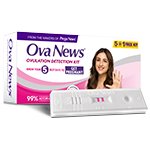
Ovulation can return within a few weeks, sometimes as early as two, though this varies a lot between women. The Ova News ovulation detection kit identifies your 5 most fertile days with results in 5 minutes, and our ovulation calculator can help you track the cycle.
When Can You Try to Conceive Again?
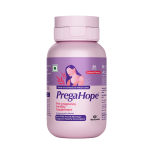
Physically, you can often try straight away. Doctors usually suggest waiting until after your next period so that dating a future pregnancy is simpler. Emotionally, take whatever time you need. Many use that cycle to build up nutrients with a supplement such as Prega Hope, which contains folic acid and iron.
Does a Chemical Pregnancy Affect Future Fertility?
One early loss isn’t considered a sign of infertility. Conception did take place, and doctors often read that as an encouraging sign. Most women who experience a chemical pregnancy go on to have healthy pregnancies.
What If You Have Repeated Chemical Pregnancies?
When to See a Fertility Specialist
UK guidance from the Royal College of Obstetricians and Gynaecologists defines recurrent miscarriage as three or more first trimester losses. Doctors may start investigating after two, particularly if you’re over 35 or something specific concerns them.
What Tests Might a Doctor Consider?
Depending on your history, a doctor may consider antiphospholipid antibody testing (a check for a clotting-related immune condition), thyroid function tests, a pelvic ultrasound to look at the shape of your uterus, and sometimes karyotyping (a study of you and your partner’s chromosomes). Answers can help, though they rarely arrive as quickly as the feelings do.
Emotional Impact of a Chemical Pregnancy
There’s no correct way to feel about this. Some grieve deeply for a pregnancy that lasted days. Others feel numb, or relieved, or find their reaction shifts week to week. All of it is valid. If the sadness isn’t lifting, speaking to a counsellor or your doctor is a reasonable step, not an overreaction.
When Should You See a Doctor?
While an early loss often resolves on its own, some situations need medical attention. Please consult your healthcare provider if you experience:
Bleeding much heavier than a usual period, or that doesn’t settle
Severe or one-sided abdominal pain
Fever, chills or unusual discharge
Two or more early losses
Any symptom that affects your daily life or worries you
A chemical pregnancy is a real pregnancy loss, usually before five weeks, most often caused by a random chromosomal issue that nobody could have prevented. Hormone levels fall quickly, which is why a positive test turns negative. Bleeding is usually period-like, though heavy bleeding with severe pain needs urgent care. When you feel ready to try again, a pregnancy test kit will be there when you need it.
The information provided here is for educational purposes only and should not replace professional medical advice. Please consult your gynaecologist or healthcare provider for any health concerns.
Frequently Asked Questions
Q. What is a chemical pregnancy?
A chemical pregnancy is a very early miscarriage, usually happening by around five weeks. It occurs after the embryo has implanted but before the pregnancy can be seen on an ultrasound scan, so the only evidence of it is the pregnancy hormone hCG. Many women only realise it happened because a positive test later turned negative.
Q. What causes a chemical pregnancy?
Most chemical pregnancies are caused by a random chromosomal problem in the embryo, meaning it could not develop from the start. Occasionally the womb lining hasn’t developed in the right way at the right time, so the embryo can’t embed properly. These causes are almost never something the mother did or could have prevented.
Q. What are the signs of a chemical pregnancy?
A positive test followed by a negative one, a late period, heavier bleeding, or stronger cramps. Some women have no signs at all.
Q. How early can a chemical pregnancy happen?
Usually within the first five weeks, often around the time your period was due.
Q. What does chemical pregnancy bleeding look like?
Often like a slightly heavier period. It may start as spotting and then become heavier, sometimes with small clots.
Q. How long does bleeding last after a chemical pregnancy?
It varies. Passing the tissue may take a few days, and for some women a couple of weeks.
Q. Can stress cause a chemical pregnancy?
Evidence is mixed, and guidance holds that early loss is usually random. What it does not support is blaming one difficult week for your loss.
Q. Can a chemical pregnancy show up on a pregnancy test?
Yes. The embryo produces hCG after implantation, so a test can read positive before hormone levels fall.
Q. Can a chemical pregnancy be seen on an ultrasound?
Usually not. The loss happens before there’s anything for a scan to show, which is why hormone tests are used instead.
Q. Can you get pregnant after a chemical pregnancy?
Yes. Most women who have one go on to have healthy pregnancies, and fertility isn’t usually affected.
Q. How soon can you try to conceive after a chemical pregnancy?
Ovulation can return within a few weeks. Doctors often suggest waiting until after your next period so dating is easier.
Q. Does one chemical pregnancy mean I have fertility problems?
No. A single early loss isn’t considered a sign of infertility, and conception itself is an encouraging sign.
Q. What happens to hCG after a chemical pregnancy?
It falls steadily, often by around a third to a half every couple of days, until a test reads negative again.
Q. When should I see a doctor after a chemical pregnancy?
If bleeding is very heavy, pain is severe, you develop a fever, or you’ve had two or more early losses.
MEDICAL CLAIMS & SOURCE LINKS
Blog Section
Medical Claim
Link
What Is a Chemical Pregnancy
Biochemical pregnancy loss is a pregnancy loss diagnosed entirely on decreasing hCG levels, where the pregnancy was never visualised on ultrasound
Twenty-five per cent of biochemically detected pregnancies ended within six weeks of the last menstrual period, and nearly all of these losses were clinically unrecognised
Approximately 50% of early pregnancy losses are due to foetal chromosomal abnormalities; early pregnancy loss occurs in 10% of clinically recognised pregnancies, around 80% within the first trimester
The rate of hCG decline in spontaneous abortion follows a quadratic profile, falling faster from higher starting levels; a decline slower than 21% over two days suggests retained tissue or ectopic pregnancy
For a pregnancy of unknown location, serial serum hCG measurements are used, with transvaginal ultrasound offered to determine the location of the pregnancy
Contact the hospital immediately if bleeding becomes particularly heavy, a high temperature develops, or severe pain occurs; also if bleeding, pelvic pain or fever persist beyond three weeks with a negative test
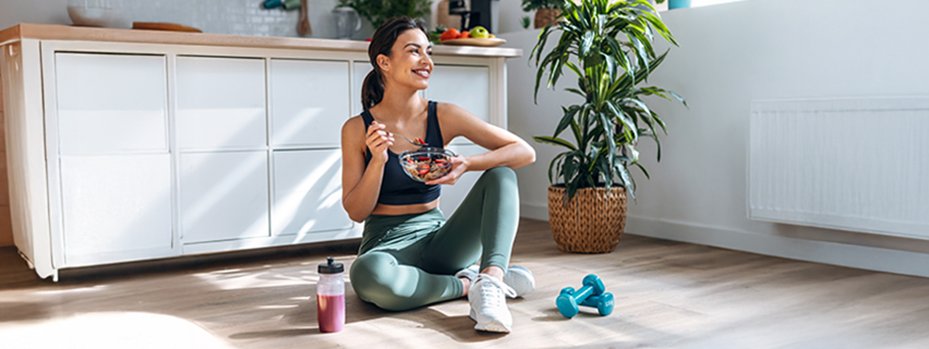
Pregnancy brings about one of the most transformative phases in a woman’s life, physically, mentally, and emotionally. While the body nurtures new life, it also undergoes profound changes that require care, balance, and movement. Staying active through pregnancy workouts can be one of the healthiest choices you make during this time. Contrary to the myth that pregnant women should avoid physical activity, research consistently shows that appropriate pregnancy-safe workouts not only strengthen the body but also support smoother labour, faster recovery, and emotional well-being.
Similarly, after your baby arrives, fitness is crucial for helping your body heal and rebuild strength. It is not about “getting your body back,” it is about feeling energised, confident, and strong again. If you are planning for pregnancy, currently expecting, or navigating the postpartum period, having a thoughtful pregnancy workout plan can make all the difference.
Here is a list of the best workouts before and after pregnancy to adapt your exercise routine through every stage of motherhood.
Fitness Before Pregnancy: Preparing the Body for a Healthy Journey
The journey to motherhood begins long before conception. Building a strong foundation through fitness before pregnancy helps prepare your body for the physical demands ahead. Pre-pregnancy fitness enhances stamina, supports hormonal balance, and promotes a healthy weight, all of which contribute to easier conception and a healthier pregnancy.
1. Focus on Core Strength
A strong core supports the spine and reduces strain on your back as your belly grows. Pilates, yoga, and planks, with proper guidance, are excellent for developing core stability. Strengthening the abdominal and pelvic muscles early on also aids in postpartum recovery.
2. Build Cardiovascular Endurance
Cardio exercises like brisk walking, cycling, or swimming help improve stamina, something you will need during labour and delivery. Engaging in 30 minutes of moderate cardio most days can make your body more resilient to upcoming changes.
3. Balance and Flexibility Work
Pregnancy shifts your centre of gravity. Including balance-focused movements like single-leg stands or light yoga helps prevent falls later. Flexibility routines improve joint mobility and prepare the body for carrying extra weight comfortably.
4. Establish a Sustainable Routine
It is tempting to push hard before pregnancy, but consistency matters more than intensity. A manageable pregnancy workout plan before conception ensures you can easily adapt it once you are expecting, avoiding sudden disruptions or fatigue.
Pregnancy Workouts: Staying Active the Safe Way
Once pregnant, exercise becomes less about performance and more about mindful movement. The key is choosing pregnancy-safe workouts that strengthen the body without straining it. Always consult your healthcare provider before starting or continuing any workout routine.
1. Walking: The Simplest and Safest Workout
Walking remains one of the easiest and most effective forms of pregnancy fitness. It improves blood circulation, keeps weight gain in check, and uplifts mood. Even a 20–30 minute walk each day helps maintain cardiovascular health without overexertion.
2. Prenatal Yoga
Yoga promotes flexibility, reduces stress, and eases pregnancy-related discomfort. Focus on gentle poses and breathing exercises that calm the mind while strengthening the body. Avoid lying flat on your back or deep twists during the second and third trimesters.
3. Swimming and Water Workouts
Water supports your weight and relieves joint pressure, making swimming an ideal pregnancy safe workout. It enhances stamina, tones muscles, and helps reduce swelling in the legs. Aqua aerobics is another great low-impact option for expecting mothers.
4. Pelvic Floor Exercises
Strengthening pelvic floor muscles supports bladder control and prepares the body for labour. Kegel exercises, short muscle contractions done throughout the day, are highly effective and can be performed anytime, anywhere.
5. Light Strength Training
Strength training with light weights or resistance bands helps maintain muscle tone and improve posture. Focus on controlled movements, squats, wall push-ups, and seated rows, are excellent examples of safe resistance exercises during pregnancy.
6. Stretching and Mobility Work
Daily stretching keeps muscles supple, reduces cramps, and relieves tension. Stretching the hips, back, and calves improves flexibility and circulation, promoting comfort as your belly grows.
7. Breathing and Relaxation Practices
Incorporate deep breathing techniques to prepare for labour and reduce anxiety. Controlled breathing improves oxygen flow, helping both mother and baby. It also enhances focus during contractions and encourages better sleep.
A well-structured pregnancy workout plan combines strength, mobility, and relaxation. Here s a simple weekly framework:
3–4 days of light cardio like walking or swimming.
2 days of strength training with light weights or bodyweight exercises.
1–2 days of yoga or stretching for flexibility and balance.
Daily pelvic floor exercises for support.
Always listen to your body, rest when needed, stay hydrated, and avoid overheating. Remember, the goal is not performance, but progress and comfort.
Fitness After Pregnancy: The Path to Recovery
Postpartum recovery is a deeply personal process. Regardless of whether you have delivered vaginally or via C-section, it takes time for your body to heal. Starting a postpartum workout plan too early or without guidance can delay recovery, so always wait for your doctor’s approval, usually around 6–8 weeks postpartum.
1. Start with Gentle Movements
Begin with light stretches, walking, and deep breathing. Focus on rebuilding pelvic floor strength before attempting more intensive exercises. These movements stimulate blood flow, ease stiffness, and gently reawaken your muscles.
2. Rebuild Core Strength Gradually
Pregnancy stretches abdominal muscles, sometimes causing separation. Start with safe core reactivation moves like pelvic tilts and heel slides. Avoid crunches or planks until cleared by your doctor.
3. Prioritise Pelvic Floor Health
Continuing Kegel exercises after delivery is essential. They strengthen muscles weakened by childbirth and improve bladder control. Gradually increase intensity as your recovery progresses.
4. Incorporate Low-Impact Cardio
Walking and swimming are excellent for early postpartum fitness. They boost energy levels, improve circulation, and elevate mood without straining healing tissues.
5. Strength Training When Ready
Once cleared, add light resistance exercises to your fitness after pregnancy plan. Focus on full-body workouts that improve posture and stability, like squats, modified push-ups, or seated dumbbell lifts.
6. Stay Mindful of Energy Levels
Sleep deprivation, breastfeeding, and hormonal shifts can impact stamina. Listen to your body and avoid pushing yourself too hard. Gentle consistency always beats overexertion in a postpartum workout plan.
7. Nutrition and Hydration Matter
Recovery is incomplete without proper nutrition. Pair your workouts with a balanced diet rich in protein, healthy fats, and hydration. This fuels your body and supports milk production if you are breastfeeding.
Pregnancy Fitness: The Long-Term Perspective
Pregnancy fitness is not just about one phase; it is a continuum that stretches before, during, and after pregnancy. Consistent movement strengthens not only the body but also the mind, helping mothers manage stress, build endurance, and adapt to new routines.
Staying active enhances posture, supports metabolism, and reduces common pregnancy discomforts like back pain and swelling. More importantly, it sets the stage for a smoother postpartum recovery. A sustainable fitness journey allows mothers to feel empowered, confident, and connected to their bodies at every stage of motherhood.
Pregnancy is a time of incredible change, and movement can make it both healthier and more fulfilling. A well-balanced pregnancy workout plan or postpartum workout plan does not just shape your body; it nurtures your mind and spirit. It is important to trust the process and remember that fitness through motherhood is not about perfection; it is about feeling strong, supported, and in tune with your journey.
Frequently Asked Questions – Pregnancy Fitness
Q.1 Are pregnancy workouts safe in all trimesters?
Most pregnancy-safe workouts are safe throughout all trimesters, provided they are low-impact and approved by your doctor. Modify intensity as your pregnancy progresses.
Q. 2 Can I start exercising if I was not active before pregnancy?
Yes, but start slow. Begin with walking or prenatal yoga, then gradually increase intensity under supervision.
Q. 3 When can I start fitness after pregnancy?
Usually, around 6–8 weeks postpartum, once your doctor clears you. Start with light stretches and core activation first.
Q. 4 What are the signs I should stop a pregnancy workout?
Stop immediately if you experience dizziness, vaginal bleeding, contractions, or severe discomfort during exercise. Consult your doctor before continuing.
Many women face moments of confusion every month, questioning whether their body’s signals mean their period is coming or if they could be pregnant. The physical and emotional overlap of PMS vs pregnancy symptoms creates uncertainty for countless people hoping to decode their bodies. Understanding the similarities, telling symptoms apart and knowing when to take a pregnancy test is essential for peace of mind.
The Overlap: PMS and Pregnancy Symptoms
Both PMS (premenstrual syndrome) and early pregnancy cause changes in hormones, which can lead to very similar symptoms. Let’s see how PMS and pregnancy symptoms can show up in both situations:
Breast tenderness or swelling
Mild cramping or discomfort in the lower abdomen
Mood swings or irritability
Fatigue or sleepiness
Changes in appetite or specific food cravings
Bloating or water retention
Headaches or back pain
With this considerable overlap, it is easy to see why signs of PMS vs pregnancy often confuse.
PMS vs Pregnancy Symptoms: Key Differences
While the majority of PMS vs pregnancy symptoms look alike, subtle differences may point to the true cause:
Symptom
PMS
Pregnancy
Timing
Starts 1–2 weeks before period; ends when bleeding begins
Starts 1–2 weeks after conception; persists beyond missed period
Breast changes
Tenderness improves after period starts
Tenderness lasts longer; breasts feel fuller and heavier
Bleeding
No spotting before period; normal flow during period
Light spotting (implantation bleeding) may occur 6–12 days after conception
Mood swings
Mood swings and Irritability resolves after period begins
Mood changes can persist throughout pregnancy
Nausea
Rare
Common (morning sickness), usually starts after missed period
Cramping
Strong, persistent before period
Mild, sporadic cramps early in pregnancy
Food Cravings
Short Lived
Can last throughout pregnancy
Pregnancy vs PMS: When to Suspect Pregnancy
Only a pregnancy test can give a definitive answer, but there are subtle signs that may guide you:
Unusual or unfamiliar symptoms– compared to your usual PMS pattern
Symptoms persist or intensify beyond your normal PMS timeline
A missed period — the most common sign
You notice spotting, accompanied by other symptoms such as nausea or breast changes
Always remember:
Every woman’s experience is unique. The key distinction is duration:
Pregnancy symptoms tend to last or get stronger, especially after a missed period.
PMS symptoms usually fade once menstruation begins.
PMS vs Early Pregnancy: Spotting the Tell tale Signs
Breast Changes
Both PMS and early pregnancy cause breast tenderness. With PMS, this tenderness is usually a dull ache that subsides once menstruation begins. In early pregnancy, the breasts often feel more swollen and sensitive, with noticeable darkening of the areolas and occasional tingling.
Cramping
Both can cause cramping in the lower abdomen, but there is a difference. PMS cramps are usually stronger and happen right before your period. They get better when you start bleeding. Pregnancy-related cramps are usually milder and more persistent, often caused by the embryo implanting in the uterine lining.
Bleeding Patterns
PMS culminates in a regular menstrual period with typical flow. In contrast, early pregnancy may cause implantation bleeding, light pink/brown discharge short-lived spotting that is usually much lighter than a normal period.
Nausea
Nausea is rare with PMS but commonly seen in pregnancy. Morning sickness, which may include vomiting, can begin as early as the first week after conception.
Mood Swings
Mood swings happen during both PMS and pregnancy, but they are different in how strong and long they last. Mood changes related to PMS usually get worse before menstruation and get better once bleeding starts. Pregnancy hormones can make mood swings in the first trimester more severe and last longer.
Appetite and Cravings
Both states can cause changes in appetite and cravings. PMS often causes increased hunger and specific food cravings, while pregnancy might lead to both cravings and aversions, with some women experiencing a metallic taste or loss of appetite.
Fatigue
Fatigue is common in PMS but usually temporary. Pregnancy fatigue tends to be more intense and ongoing, influenced by increased progesterone levels supporting early pregnancy.
In PMS vs early pregnancy, these nuanced differences, combined with menstrual tracking and observation, can guide you towards the answer.
When to Take a Pregnancy Test
If you are unsure whether you are experiencing PMS or pregnancy symptoms, a home pregnancy test is the most reliable way to determine the cause. Here is how to time your test for maximum accuracy:
Wait until the first day after your missed period. Most tests are accurate at this stage.
If you have irregular periods, take the test at least 21 days after unprotected sex.
Testing too soon can yield a false negative if hCG hormone levels are too low to detect.
Use morning’s first urine, which is most concentrated, to boost accuracy in early pregnancy. If you receive a negative result but still suspect you are pregnant, repeat the test a few days later. Persistently negative tests with ongoing symptoms warrant a visit to your healthcare provider. Most home pregnancy tests can accurately detect pregnancy hormone (hCG) levels starting from the first day of a missed period, which is generally about two weeks after ovulation. Testing too early may result in a false negative because hCG levels might still be too low to detect. For the highest accuracy, it is recommended to use the test with the first-morning urine since it contains the most concentrated hCG.
Key Takeaways: How to Tell the Difference
Timing is critical: If symptoms persist after your period is due, time to consider pregnancy as a possibility.
Bleeding pattern matters: PMS typically leads to a regular menstrual period; pregnancy may cause light, brief spotting.
Symptom duration and intensity: PMS symptoms end with menstruation; pregnancy symptoms linger or intensify.
Nausea and urination: Much more common and pronounced in early pregnancy.
Always confirm with a test: When in doubt, take a pregnancy test and consult your doctor if uncertainty continues.
Frequently Asked Questions – PMS vs Pregnancy Symptoms
Q.1 What are the main signs of PMS vs pregnancy?
Both can cause breast tenderness, cramping, mood swings and fatigue. However, missed periods, intense nausea, and persistent breast changes more strongly suggest pregnancy.
Q.2 Can PMS and pregnancy symptoms occur at the same time?
Yes, especially early in pregnancy before a positive test. Many women still experience PMS-like signs even after conception.
Q.3 Is spotting a period or a sign of pregnancy?
Implantation bleeding (light, pink/brown brief spotting) is a classic early sign of pregnancy vs PMS, which usually doesn’t cause spotting before a regular period starts.
Q.4 When should I take a pregnancy test?
Take a test the first day after a missed period or at least 21 days after unprotected sex if your cycles are irregular. For best accuracy, use first-morning urine.
Q.5 Can other factors mimic both PMS and pregnancy symptoms?
Stress, hormonal imbalances unrelated to pregnancy and some illnesses can sometimes cause similar symptoms, so always confirm with a test when in doubt.
Q.6 How soon can pregnancy symptoms show up after conception?
Some women notice symptoms as early as a week after conception, but most won’t feel anything until a week or more after their missed period. Knowing your body and cycle helps with the tricky task of distinguishing PMS vs pregnancy symptoms; you will become adept at reading patterns over time. Until then, a reliable pregnancy test and a consultation with your healthcare provider are the best ways to put your mind at ease.
Polycystic Ovary Syndrome (PCOS) affects millions of women worldwide, and one of the most common concerns it brings is infertility or difficulty conceiving. Hormonal imbalances, irregular menstrual cycles and insulin resistance often make it challenging to plan a pregnancy. But with the right approach, timing and care, many women with PCOS go on to conceive naturally and have healthy pregnancies. This article explores the best age to get pregnant with PCOS, along with practical steps to increase your chances of conception.
Understanding PCOS and Fertility
Before discussing the best age to get pregnant with PCOS, it is crucial to understand how PCOS impacts fertility. PCOS is a hormonal disorder where the ovaries produce higher-than-normal amounts of androgens (male hormones), which can interfere with ovulation. Without regular ovulation, it becomes difficult to predict fertile days, which can hinder conception.
However, PCOS does not mean permanent infertility. Many women manage their symptoms through lifestyle changes, medical treatments and holistic therapies, ultimately achieving healthy pregnancies. The key lies in early diagnosis, consistent management and understanding your body s fertility window.
What Is the Best Age to Get Pregnant with PCOS?
When we talk about the best age to get pregnant with PCOS, the answer is similar to the general fertility curve for women; your 20s to early 30s tend to be the most fertile years. Biologically, ovarian reserve and egg quality are highest during this period.
For women with PCOS, this age range is even more crucial because, as you grow older, insulin resistance and metabolic issues can intensify, further impacting ovulation. So, ideally, the best age to get pregnant with PCOS falls between 25 and 32 years. During this phase, your body responds better to fertility treatments or natural interventions and the risk of complications like gestational diabetes is relatively lower.
While many women search for the best age to get pregnant with PCOS, age is only one factor. A healthy lifestyle, timely medical guidance, and effective stress management can be just as important when planning a pregnancy.
How to Get Pregnant with PCOS Quickly
If you are trying to conceive soon, you may wonder how to get pregnant with PCOS quickly. While there’s no one-size-fits-all solution, several evidence-backed strategies can increase your chances:
Track Your Cycle: Even with irregular periods, ovulation predictor kits or basal body temperature monitoring can help identify potential fertile days.
Maintain a Healthy Weight: Even a 5–10% weight loss can help regulate menstrual cycles and improve ovulation frequency.
Follow a Balanced Diet: Focus on whole grains, lean proteins, healthy fats and fibre. Reducing refined carbs can help manage insulin levels, which play a big role in PCOS-related infertility.
Consult a Fertility Expert: Medications like Clomiphene, Letrozole or Metformin are often prescribed for ovulation induction under medical supervision.
Each step contributes to improving your body’s natural rhythm and increasing the likelihood of conception.
How to Get Pregnant with PCOS Quickly, Naturally
Natural conception is absolutely possible, especially when PCOS symptoms are managed effectively. If you are looking for how to get pregnant with PCOS quickly and naturally, these lifestyle-driven approaches can make a real difference:
Focus on Nutrition: Include foods rich in antioxidants, like berries, nuts, spinach, and avocados, to boost egg quality.
Balance Hormones through Exercise: Moderate workouts such as yoga, Pilates or brisk walking can improve insulin sensitivity and hormone balance.
Reduce Stress: Chronic stress affects hormones like cortisol, which indirectly disrupts ovulation. Mindfulness, therapy, or relaxation exercises can help manage stress.
Sleep Well: Poor sleep can worsen hormonal imbalance, so aim for at least 7–8 hours of quality rest every night.
Consistency in these areas not only improves fertility but also prepares your body for a healthy pregnancy journey.
Factors that Influence the Best Age to Get Pregnant with PCOS
While your 20s are often considered the best age to get pregnant with PCOS, there are other factors to keep in mind:
Hormonal Stability: PCOS symptoms like irregular cycles or cystic ovaries may stabilise with treatment, making conception easier at different stages.
Metabolic Health: Women with well-managed insulin levels can conceive successfully even in their mid-30s.
Medical Support: Access to fertility treatments and personalised healthcare has improved chances for women to conceive beyond the so-called optimal age window.
Thus, while age plays a role, your overall reproductive and metabolic health ultimately determines your fertility potential.
What Age Is Best to Get Pregnant with PCOS?
If you are evaluating what age is best to get pregnant with PCOS, consider both biological and lifestyle factors. Most experts agree that starting earlier, typically between ages 25 and 32, yields the best results. This timeline helps ensure better egg quality, lower pregnancy risks, and higher success rates for natural or assisted conception. However, with proper medical support, many women conceive later as well. Age 35 is often considered the upper threshold where fertility starts to decline gradually, but PCOS management through diet, supplements and medication can extend reproductive wellness.
Maintaining a Fertility-Ready Lifestyle
Preparing your body for conception is one of the smartest things to do when dealing with PCOS. Along with understanding the best age to get pregnant with PCOS, a proactive plan can improve outcomes significantly:
Get Regular Check-ups: Monitor hormone levels like LH, FSH and testosterone regularly.
Supplement Wisely: Talk to your doctor about taking folic acid, inositol, vitamin D and omega-3 fatty acids.
Limit Caffeine and Sugar: These can impact insulin and hormone balance.
Stay Active: Exercise releases endorphins that counteract insulin resistance, one of PCOS’s biggest challenges.
Your overall health directly influences your fertility timeline more than any number on the calendar.
Emotional and Mental Health in PCOS Pregnancy Planning
It can be emotionally draining to deal with PCOS while trying to get pregnant. It is important to remember that everyone reacts differently what works for one woman may take longer for another. Focus on small wins, such as getting your period on time or improving lab results. Having a partner, family member, or counsellor who is there for you can make this journey easier.
Acknowledging your emotions and seeking expert guidance can reduce stress, a key factor that often delays conception in PCOS.
Frequently Asked Questions – Planning a Pregnancy with PCOS
Q.1 What is the best age to get pregnant with PCOS?
Typically, the best age to get pregnant with PCOS is between 25 and 32 years, when egg quality and fertility potential are highest.
Q.2 Can women with PCOS get pregnant naturally?
Yes, many women with PCOS conceive naturally with lifestyle changes, weight management, and proper ovulation tracking using an ovulation tracker online.
Q.3 How to get pregnant with PCOS quickly?
To get pregnant with PCOS quickly, focus on balanced nutrition, regular exercise, medical consultation and stress management.
Q.4 At what age is it best to get pregnant with PCOS if you’re undergoing treatment?
With medical management, women can conceive successfully between ages 25 and 35. However, earlier attempts generally show better outcomes.
Q.5 How to get pregnant with PCOS quickly, naturally?
Adopt a whole-food diet, maintain an active lifestyle, manage stress and use natural supplements after consulting your doctor.
Q.6 Does age make PCOS worse?
PCOS symptoms can become harder to manage with age due to metabolic changes, which is why early lifestyle management is key.
Q.7 Can fertility treatments help if age and PCOS are both concerns?
Yes. Treatments like ovulation induction, IVF or IUI can significantly increase your chances of conception even beyond your early 30s.