

















Vomiting During Pregnancy: Effective Ways to Manage Symptoms
Introduction
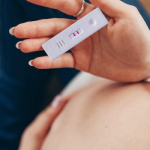
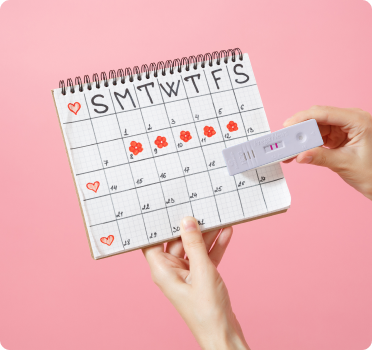
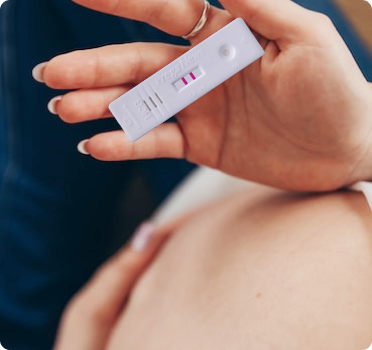
Feeling queasy or being sick again and again during early pregnancy can leave you exhausted, anxious, and wondering whether your baby is getting enough nourishment. Vomiting during pregnancy is one of the most common experiences in the first trimester, affecting many pregnant women as their bodies adjust to rising hormone levels. For many women, these early symptoms begin in the weeks after they confirm the happy news with a reliable pregnancy test like the Prega News Pregnancy Test Kit. It can be hard to cope with while juggling work and daily life, but the reassuring news is that there are gentle, practical ways to ease the discomfort.
Is Vomiting During Pregnancy Normal
If you are being sick more often than you expected, you may worry that something is wrong. For most pregnant women, mild to moderate sickness in early pregnancy is generally considered a normal response to hormonal changes, and it is often a sign that your pregnancy hormones are doing their job.
Why Does Vomiting Occur During Pregnancy
It is often linked to rising levels of hCG (Human Chorionic Gonadotropin), the hormone produced once you conceive, along with increased oestrogen. These hormonal shifts can affect your digestive system, slow digestion, and heighten your sense of smell and taste, which may trigger nausea and sickness.
When Does Pregnancy Vomiting Usually Start and End
For many women, pregnancy vomiting tends to begin around week 6, peaks at about week 9, and often eases by weeks 12 to 14. Every pregnancy is different, so your own timeline may vary slightly.
Common Causes of Vomiting During Pregnancy
Several factors can contribute to feeling sick during pregnancy. Understanding them may help you anticipate and manage your symptoms more easily.
Hormonal Changes
- Rapidly rising hCG and oestrogen levels can upset your stomach
- These hormones can slow digestion, which may increase nausea
Morning Sickness
- Despite the name, it can occur at any time of the day or night
- It commonly involves nausea, with or without vomiting
Sensitivity to Certain Foods and Smells
- A heightened sense of smell can make everyday odours feel overwhelming
- Strong cooking smells, perfume, or certain foods may trigger sickness
Fatigue and Stress
- Tiredness and emotional stress can make nausea feel worse
- A lack of rest may leave symptoms feeling more intense
Multiple Pregnancy (Twins or More)
- Carrying more than one baby often means higher hormone levels
- This can sometimes lead to more noticeable sickness
Effective Ways to Manage Vomiting During Pregnancy
While you may not be able to stop it completely, knowing how to manage vomiting during pregnancy can bring real comfort. Here are some gentle, practical adjustments that many women find helpful:
1. Eat Small, Frequent Meals
An empty stomach can make nausea worse, so try to eat before hunger sets in. Keeping dry crackers by your bed and having a small snack before you get up in the morning can help settle your stomach.
2. Stay Hydrated
Take small sips of water, coconut water, or even ice chips every few minutes rather than large gulps. Drinking fluids between meals rather than during them may also make it easier to keep them down.
3. Get Plenty of Rest
Fatigue often makes nausea feel worse, so rest whenever you can. Even short naps during the day may sometimes help ease your symptoms.
4. Avoid Lying Down Straight After Eating
Staying upright for a little while after meals can ease digestion and reduce the urge to be sick.
Also Read – Body Changes During Pregnancy: First Trimester
Foods and Drinks That May Help Ease Pregnancy Vomiting

Certain foods and drinks may help soothe your stomach and ease feelings of nausea. Results vary from person to person, but you might find these gentle options comforting:
- Ginger tea, which can be soothing for an unsettled stomach
- Plain crackers or dry biscuits, which may help first thing in the morning
- Bland toast, bananas, or oats, which are gentle and easy to digest
- Plain rice or simple khichdi, which many women find easy to keep down
- Lemon water or peppermint tea, as the fresh scent might relieve nausea for some women
Keep a few of these within easy reach for whenever queasiness strikes.
What Foods Should Be Avoided
Just as some foods can soothe, others may trigger or worsen sickness. You may wish to limit or avoid the following:
- Spicy dishes, which can aggravate nausea and irritate your stomach
- Greasy or fried foods, which may slow digestion and feel heavy
- Highly processed foods with strong additives
- Strong-smelling foods, which often set off vomiting episodes
- Caffeine, which can sometimes upset your stomach
Morning Sickness vs Hyperemesis Gravidarum
It helps to understand the difference between everyday morning sickness and a more serious condition called Hyperemesis Gravidarum (HG).
| Feature | Morning Sickness | Hyperemesis Gravidarum (HG) |
| Nausea | Mild to moderate | Severe and persistent |
| Vomiting | Occasional | Frequent and excessive |
| Eating | Can usually keep some food down | Struggles to keep food or fluids down |
| Weight | Generally stable | Noticeable weight loss |
| Hydration | Usually maintained | Risk of dehydration |
Hyperemesis Gravidarum is a genuine medical condition that requires professional care and, in some cases, hospital treatment for hydration. It should never be dismissed as simply bad morning sickness, so please consult your doctor if you suspect HG.
Also Read – How to Use the Prega News Pregnancy Test Kit?
When Should You Contact a Doctor?
While occasional sickness is usually nothing to worry about, certain signs deserve prompt medical attention. If you notice any of the following, contact your healthcare provider promptly rather than waiting for your next scheduled appointment:
- An inability to keep any fluids down for 24 hours
- Dark-coloured urine or passing very little urine
- Dizziness, faintness, or a racing heartbeat
- Severe or rapid weight loss
If you would like expert guidance from the comfort of your home, the PregaNews Ask a Gynae tool can connect you with medical advice whenever you need reassurance.
Can Vomiting During Pregnancy Affect the Baby
One of the most common worries is whether being sick could harm your baby. The reassuring news is that mild to moderate morning sickness is very common and usually does not affect your baby’s development. In early pregnancy, your baby’s nutritional needs are still relatively small, so short periods of reduced food intake are generally less concerning than becoming dehydrated. However, severe and prolonged vomiting, such as in hyperemesis gravidarum, may affect your nutrition and hydration and could require medical attention. Keeping an eye on how much you can drink helps you and your doctor ensure that both you and your baby stay well.
Tips for Coping With Vomiting During Pregnancy at Work or While Traveling
Managing sickness away from home can feel daunting, but a little preparation goes a long way. These simple tips may help you feel more in control:
- Pack a small survival kit with mints, dry crackers, and sick bags, and keep snacks in your handbag or desk drawer
- Identify your personal triggers, such as certain smells, and try to avoid them
- Sit near a window or step out for fresh air when you can to ease nausea
- Plan important meetings for times of day when your nausea is usually milder
- Keep a bottle of water handy to sip throughout the day
Letting a trusted colleague know how you are feeling can also make your day at work a little easier.
Conclusion
Vomiting during pregnancy can feel exhausting and overwhelming, but with gentle care, rest, and the right foods, learning how to manage vomiting during pregnancy becomes much easier. Support is always available if symptoms become severe, and as every person’s body is different, it is best to consult your healthcare provider if you have any concerns. Take heart, though: for most women, symptoms gradually improve as pregnancy progresses, making this challenging phase a temporary one.
FAQ’s
Q. Is vomiting during pregnancy normal?
Yes, occasional vomiting during pregnancy is very common, especially in the first trimester, and is usually linked to natural hormonal changes.
Q. When does vomiting during pregnancy usually start?
Pregnancy vomiting often begins around week 6, peaks near week 9, and tends to ease by weeks 12 to 14, though this varies for each woman.
Q. What helps reduce vomiting during pregnancy?
Eating small, frequent meals, staying hydrated, resting well, and trying soothing foods like ginger or plain crackers may help reduce symptoms.
Q. How many times is it normal to vomit during pregnancy?
There is no fixed number, as it varies between women. Occasional vomiting is usually normal, but frequent vomiting that stops you keeping fluids down should be checked by a doctor.
Q. What is hyperemesis gravidarum?
Hyperemesis gravidarum is a severe form of pregnancy sickness involving frequent vomiting, weight loss, and dehydration that requires medical care.
Q. What is the best treatment for pregnancy vomiting?
Treatment varies for each person, but lifestyle changes, rest, and dietary adjustments often help. Your doctor can recommend safe options if symptoms are severe.
Q. How do I know if my pregnancy vomiting is severe?
Signs of severe sickness include being unable to keep fluids down, dark urine, dizziness, and weight loss. Please consult your doctor if you notice these.
Medical Claims & Links Table
| Blog Section | Medical Claim | Link |
| Introduction | Vomiting during pregnancy is one of the most common first-trimester experiences, affecting more than half of pregnant women | https://www.webmd.com/baby/morning-sickness-pregnant |
| Is Vomiting During Pregnancy Normal | Mild to moderate sickness in early pregnancy is usually a normal response to the surge in pregnancy hormones | https://www.webmd.com/baby/morning-sickness-pregnant |
| Nausea and vomiting are linked to rising hCG (Human Chorionic Gonadotropin), a hormone made by the placenta after conception | https://www.mayoclinic.org/healthy-lifestyle/pregnancy-week-by-week/expert-answers/nausea-during-pregnancy/faq-20057917 | |
| Increased oestrogen also plays a role in pregnancy nausea | https://my.clevelandclinic.org/health/diseases/16566-morning-sickness-nausea-and-vomiting-of-pregnancy | |
| A heightened sensitivity to smells, and eating or smelling certain foods, can trigger nausea | https://my.clevelandclinic.org/health/diseases/16566-morning-sickness-nausea-and-vomiting-of-pregnancy | |
| Symptoms are usually mild and tend to ease around the middle of pregnancy (commonly by weeks 12 to 14) | https://www.webmd.com/baby/morning-sickness-pregnant | |
| Common Causes of Vomiting During Pregnancy | Despite the name, morning sickness can occur at any time of the day or night | https://www.webmd.com/baby/morning-sickness-pregnant |
| Carrying twins or multiples is associated with higher hormone (hCG) levels and can mean more noticeable sickness | https://www.mayoclinic.org/healthy-lifestyle/pregnancy-week-by-week/expert-answers/nausea-during-pregnancy/faq-20057917 | |
| Stress, anxiety, and being overtired can make nausea feel worse | https://my.clevelandclinic.org/health/diseases/16566-morning-sickness-nausea-and-vomiting-of-pregnancy | |
| Effective Ways to Manage Vomiting During Pregnancy | Eating small, frequent meals rather than large ones can help, as an empty stomach may worsen nausea | https://www.webmd.com/baby/remedies-morning-sickness |
| Staying hydrated and managing fluid intake is an important part of coping with nausea and vomiting | https://www.webmd.com/baby/remedies-morning-sickness | |
| Foods and Drinks That May Help Ease Pregnancy Vomiting | Ginger may help reduce nausea and vomiting in pregnancy | https://www.webmd.com/baby/remedies-morning-sickness |
| Bland foods such as plain crackers, dry toast, and similar items may help settle the stomach | https://www.webmd.com/baby/remedies-morning-sickness | |
| What Foods Should Be Avoided | Spicy and fatty foods, and caffeine, are best limited as they may trigger or worsen nausea | https://www.webmd.com/baby/foods-avoid-pregnancy |
| Morning Sickness vs Hyperemesis Gravidarum | Hyperemesis gravidarum is severe, persistent nausea and vomiting that leads to weight loss and dehydration | https://my.clevelandclinic.org/health/diseases/12232-hyperemesis-gravidarum |
| Hyperemesis gravidarum is a serious condition that may need specialist treatment, sometimes in hospital for rehydration | https://www.nhs.uk/pregnancy/common-symptoms/vomiting-and-morning-sickness/ | |
| When Should You Contact a Doctor? | Contact a doctor for warning signs such as being unable to keep fluids down, dizziness, or significant weight loss | https://www.webmd.com/baby/remedies-morning-sickness |
| Can Vomiting During Pregnancy Affect the Baby | Mild to moderate morning sickness is common and does not harm the developing baby | https://www.webmd.com/baby/morning-sickness-pregnant |
| Ordinary nausea and vomiting do not put the baby at increased risk | https://www.webmd.com/baby/morning-sickness-pregnant | |
| Severe, prolonged vomiting (hyperemesis gravidarum) can lead to dehydration and poor weight gain and may need medical care | https://www.healthline.com/health/hyperemesis-gravidarum |














Leave a comment