














August 2026 - Prega News | Pregnancy Test | Pregnancy Test at Home | Pregnancy Test Kit

Physiological Changes During Pregnancy: What Happens to Your Body Each Trimester

Pregnancy brings some of the most remarkable physiological changes a woman’s body will ever go through. From conception, almost every organ system adapts to nurture your growing baby. If your body suddenly feels unfamiliar, take a deep breath. You’re not alone, and most of what you’re feeling is completely normal.

It is completely understandable to feel a little lost in a body that is changing so quickly. Understanding these changes brings peace of mind and helps you tell the difference between expected adjustments and signs that need a doctor’s attention. Every pregnancy is unique, so please consult your healthcare provider for personalised advice.

What Are Physiological Changes During Pregnancy

Physiological changes during pregnancy are the normal, expected adaptations your body makes to support your developing baby and prepare for childbirth. They affect your hormones, blood circulation, breathing, digestion, and skin. In simple terms, they are your body’s way of creating a safe environment for your baby to grow.

Why Do Physiological Changes Occur During Pregnancy

The main drivers are hormonal surges and the physical space your baby needs. Hormones such as hCG (Human Chorionic Gonadotropin), oestrogen, and progesterone reshape how your organs function, while expanding uterus shifts nearby organs. Together, these changes prepare your body for nine months of nurturing and healthy delivery.

Physiological Changes in Pregnancy for Each Trimester

The physiological changes in pregnancy for each trimester follow a fairly predictable timeline. Knowing what to expect at each stage can help you feel more in control.

First Trimester Physiological Changes (Weeks 1 to 12)

The early weeks bring some of the most dramatic hormonal shifts. Most women may notice:

  • Fatigue and sleepiness caused by rising progesterone levels
  • Breast tenderness and fullness as the body prepares for breastfeeding
  • Morning sickness or nausea, which may occur at any time of day
  • Mood changes, where you may feel surprisingly emotional over small things
  • A heightened sense of smell that can intensify food aversions

Many women quietly worry they are overreacting in these early weeks. Please know that feeling tired, queasy, or tearful is a very normal part of this phase.

Second Trimester Physiological Changes (Weeks 13 to 27)

By the second trimester, many women feel renewed energy. Common changes typically include:

  • Visible bump and uterus growth, where your belly may suddenly feel tight or full
  • Skin changes such as a darkening line on the abdomen (linea nigra) and early stretch marks
  • Increased blood volume by up to 40 to 50 per cent
  • Stronger appetite and steadier energy levels
  • First baby movements, often felt between weeks 18 and 22

Third Trimester Physiological Changes (Weeks 28 to 40)

The final stretch brings noticeable physical demands as the baby grows. Most women may experience:

  • Shortness of breath as the uterus presses against the diaphragm
  • Loosening of pelvic joints in preparation for childbirth
  • Lower back pain due to a shifting centre of gravity
  • Swelling in the legs and ankles, and your rings may stop fitting comfortably
  • Braxton Hicks contractions, which are practice contractions
  • Difficulty sleeping, as rolling over in bed may become awkward

It can feel frightening when stairs suddenly leave you breathless, but mild breathlessness is a very common part of late pregnancy.

Also Read: Body Changes During Pregnancy: Third Trimester

Maternal Physiological Changes During Pregnancy by Body System

Maternal physiological changes during pregnancy affect every major body system. Here’s what’s happening inside:

  • Cardiovascular system: Your heart works harder, pumping up to 30 to 50 per cent more blood for you and your baby
  • Respiratory system: Breathing becomes deeper to take in more oxygen (increased tidal volume), which may feel like mild breathlessness. This is common, though sudden or severe breathlessness needs evaluation
  • Digestive system: Digestion slows down, due to hormonal effects (progesterone) and pressure from the growing uterus, often leading to heartburn, bloating, or constipation.
  • Renal system: Increased renal blood flow raises your filtration rate (GFR), and later in pregnancy pressure from the growing uterus on the bladder adds to more frequent trips to the loo.”
  • Musculoskeletal system: Ligaments soften thanks to relaxin, which may cause joint discomfort
  • Endocrine system: Hormone levels shift to maintain the pregnancy and prepare for birth

If you sometimes feel weak or not quite like yourself, remember that your body is quietly doing an enormous amount of work.

Common Symptoms Caused by Physiological Pregnancy Changes

The changes in pregnancy physiology naturally bring a few familiar symptoms. Most are mild and manageable with simple adjustments. You may notice:

  • Mild ankle and foot swelling, especially in the third trimester
  • Heartburn and indigestion after meals
  • Itchy or stretched skin around the belly, hips, and breasts
  • Backache from postural changes
  • Tender, growing breasts

Stretched skin can feel tight and uncomfortable, and many women look for gentle relief. Prega Happy Anti-Stretch Mark Cream is designed to soothe itching and support skin elasticity. Formulated with Aloe Vera, Almond Oil, and Gotukola, it helps moisturise stretched skin and is gentle enough for daily use from the third month.

When Are Physiological Changes During Pregnancy a Concern

While most physiological pregnancy changes are completely normal, certain symptoms deserve immediate medical attention. Please consult your doctor right away if you experience:

  • Sudden or severe swelling of the hands, face, or feet, which may signal preeclampsia
  • Extreme shortness of breath that interferes with normal activity
  • Blurry vision, persistent headaches, or dizziness
  • Severe abdominal pain or unusual cramping
  • Heavy vaginal bleeding or sudden fluid leakage
  • Reduced baby movement in the second or third trimester

The information here is for educational purposes only and should not replace professional medical advice. If something feels off, trust your instincts and reach out to your gynaecologist. You are never overreacting by asking for help.

Tips to Manage Pregnancy Body Changes Naturally

Small daily habits can make these adjustments far more comfortable. Try these gentle, pregnancy-specific approaches:


1. Stay Well Hydrated

Drinking 8 to 10 glasses of water a day can help support circulation and overall fluid balance, ease constipation, and support healthy blood volume. Keep a water bottle nearby so sips become a habit.

2. Move Your Body Gently

Even a slow 10-minute walk after meals may reduce bloating and ease lower back stiffness. Prenatal yoga can also improve circulation. Always check with your doctor first.

3. Eat Small, Frequent Meals

Smaller portions throughout the day can ease heartburn, nausea, and bloating better than three large meals. Focus on fibre, protein, and iron-rich foods.

4. Prioritise Rest

Lying on your left side with a pregnancy pillow under your bump and between your knees can ease back pressure for more restful nights.

5. Wear Comfortable, Loose Clothing

Soft, breathable fabrics reduce friction on stretched, itchy skin. Roomy footwear also helps when swelling makes your usual shoes feel tight.

Conclusion

Pregnancy can feel magical and uncomfortable at the same time, and both feelings are completely valid. Every physiological change, however unfamiliar, is your body’s way of growing and protecting your baby. With knowledge, gentle self-care, and regular check-ups, you can navigate each trimester with confidence. To track your milestones, try the PregaNews Due Date Calculator today.

Frequently Asked Questions

Q. What are the main physiological changes during pregnancy?

Hormonal shifts, a gradual increase in blood volume that peaks later in pregnancy, slower digestion, deeper breathing, skin changes, and uterus growth are the main physiological changes during pregnancy.

Q. Why do physiological changes occur during pregnancy?

They occur because of hormones like hCG, oestrogen, and progesterone, along with the physical space needed by your growing baby.

Q. Which trimester causes the most body changes?

The first and third trimesters typically bring the most noticeable changes, with hormonal surges early on and physical demands later.

Q. Are physiological pregnancy changes normal?

Yes, most physiological pregnancy changes are completely normal and reflect your body’s natural way of adapting to support your baby.

Q. How does pregnancy affect the cardiovascular system?

Your heart pumps up to 30 to 50 per cent more blood during pregnancy, which can cause faster heartbeats and mild breathlessness.

Q. Can physiological changes during pregnancy affect breathing?

Yes, the growing uterus presses against the diaphragm, and hormones encourage deeper breathing, which can feel slightly more laboured in later stages.

Q. What causes swelling during pregnancy?

Swelling is usually caused by extra fluid retention and pressure from the growing uterus on blood vessels in the lower body.

Q. Are physiological changes during pregnancy temporary?

Yes, most are temporary and gradually return to normal within a few weeks or months after childbirth.

Medical Claims & Links Table

Blog SectionMedical ClaimLink
What Are Physiological Changes During PregnancyPhysiological changes are the normal, expected adaptations the body makes to support the developing baby and prepare for childbirth, affecting nearly every organ systemhttps://www.webmd.com/baby/your-pregnancy-week-by-week-weeks-1-4
Why Do Physiological Changes Occur During PregnancyHormones such as hCG, oestrogen, and progesterone rise during pregnancy and reshape how maternal organs functionhttps://www.webmd.com/baby/first-trimester-of-pregnancy
The growing uterus physically shifts the position of nearby organs as it expandshttps://www.merckmanuals.com/home/women-s-health-issues/normal-pregnancy/physical-changes-during-pregnancy
First Trimester Physiological ChangesFatigue is common in early pregnancy as levels of the hormone progesterone risehttps://www.webmd.com/baby/first-trimester-of-pregnancy
Hormonal changes soon after conception can make the breasts tender, sore, or swollenhttps://www.webmd.com/baby/your-pregnancy-week-by-week-weeks-5-8
Morning sickness or nausea is common and may strike at any time of the day or nighthttps://www.mayoclinic.org/healthy-lifestyle/pregnancy-week-by-week/in-depth/pregnancy/art-20047208
Increased fatigue and changing hormones can cause mood swings during early pregnancyhttps://www.webmd.com/baby/first-trimester-of-pregnancy
A changed sense of taste and stronger sense of smell are due to hormone changes in pregnancyhttps://www.mayoclinic.org/healthy-lifestyle/pregnancy-week-by-week/in-depth/pregnancy/art-20047208
Second Trimester Physiological ChangesThe abdomen expands as the uterus grows, with the top of the uterus reaching near the rib cage by the end of the trimesterhttps://www.acog.org/womens-health/infographics/changes-during-pregnancy
Hormone changes increase skin pigment, causing a dark line on the abdomen known as linea nigrahttps://www.mayoclinic.org/healthy-lifestyle/pregnancy-week-by-week/in-depth/pregnancy/art-20047732
Blood volume increases by roughly 40 to 50 per cent during pregnancy to support the growing babyhttps://www.webmd.com/baby/second-trimester-of-pregnancy
Fetal movement is typically first felt during the second trimesterhttps://www.webmd.com/baby/second-trimester-of-pregnancy
Third Trimester Physiological ChangesAs the uterus expands and sits under the rib cage, it leaves less room for the lungs, making breathing more difficulthttps://www.webmd.com/baby/third-trimester-of-pregnancy
The hormone relaxin loosens the ligaments and joints of the pelvic area in preparation for childbirthhttps://my.clevelandclinic.org/health/body/24305-relaxin
A shifting centre of gravity and loosened joints contribute to lower back pain during pregnancyhttps://www.hopkinsmedicine.org/health/conditions-and-diseases/staying-healthy-during-pregnancy/back-pain-in-pregnancy
Braxton Hicks contractions are mild practice contractions that may be felt as a tightness in the bellyhttps://www.webmd.com/baby/true-false-labor
Maternal Physiological Changes by Body SystemThe heart works harder, pumping around 30 to 50 per cent more blood during pregnancyhttps://www.mayoclinic.org/healthy-lifestyle/pregnancy-week-by-week/in-depth/pregnancy/art-20045977
Progesterone signals the body to breathe faster and deeper, and the enlarging uterus presses on the diaphragmhttps://www.merckmanuals.com/home/women-s-health-issues/normal-pregnancy/physical-changes-during-pregnancy
Progesterone slows digestion and relaxes the oesophageal valve, often leading to heartburn, bloating, and constipationhttps://blogs.webmd.com/digestive-health/20250915/what-happens-to-your-gut-when-youre-pregnant
When Are Physiological Changes a ConcernSudden or severe swelling of the hands or face, blurred vision, severe headaches, and severe shortness of breath may signal preeclampsia and need immediate medical attentionhttps://www.webmd.com/baby/what-is-preeclampsia

How Much Bleeding Is Normal in Early Pregnancy? Signs, Causes & When to See a Doctor

Noticing even a few drops of blood in early pregnancy can feel deeply unsettling. It is one of the most common concerns expecting mothers search for, and that uncertainty can quickly turn into worry. Many women wonder how much bleeding is normal in early pregnancy and whether what they are seeing is a warning sign or simply part of the body adjusting. Knowing the difference between normal spotting and bleeding that needs attention can bring real reassurance, and that is exactly what this guide will help you understand.

Quick Reassurance: Light pink or brown spotting in early pregnancy is often common and usually harmless. However, heavy bright red bleeding, severe cramps, dizziness, fainting, or passing clots require immediate medical attention. The information in this article is for educational purposes only and is not a substitute for advice from your healthcare provider.

Is Bleeding Normal During Early Pregnancy

Research suggests that early pregnancy spotting can occur in roughly 20 to 30 per cent of pregnancies during the first trimester, and many of these pregnancies continue normally with healthy outcomes. Studies indicate that a large share of women who experience only light, brief spotting in the early weeks go on to deliver healthy babies.

That said, “normal” can look different for every woman, and not all bleeding is harmless. Recognising what your body may be signaling can help you respond calmly rather than fearfully.

How Much Bleeding Is Normal in Early Pregnancy

Light spotting that appears as a few drops of pink, brown, or rust-coloured blood is generally considered normal in early pregnancy. It is usually light enough that it does not soak a sanitary pad and often lasts only a few hours to a couple of days.

By contrast, bleeding that fills more than one sanitary pad within an hour, appears bright red, includes clots, or comes with strong cramping is not considered typical and warrants prompt medical attention. Knowing this difference can help you decide what to do next with greater confidence.

Common Causes of Light Bleeding in Early Pregnancy

Mild pregnancy bleeding in the early weeks can have several gentle, non-threatening explanations. Knowing the possible reasons can ease anxiety and help you describe what you are experiencing to your doctor.

Some of the most common causes include:

  • Implantation bleeding: Light pink or brown spotting that may occur 6 to 12 days after conception, when the fertilised egg attaches to the uterine lining
  • Cervical changes: Increased blood flow to the cervix can cause light bleeding, especially after intimacy or a pelvic examination
  • Hormonal shifts: Rising hormone levels can sometimes lead to mild breakthrough spotting in the early weeks
  • Vaginal infections: Mild infections or irritation can also lead to light bleeding and may need treatment
  • Subchorionic haematoma: A small collection of blood between the uterine wall and pregnancy sac that often resolves on its own

Because pink or brown spotting can sometimes be mistaken for the start of a period, confirming whether you are pregnant is a useful first step (a reliable home test such as the Prega News Advance Pregnancy Test Kit provides this confirmation in 3 minutes from the comfort of home).

Also Read: Implantation Bleeding vs Period: How to Tell the Difference

When Bleeding in Early Pregnancy May Be a Concern

While light spotting is often harmless, certain patterns deserve closer attention. Bleeding that grows heavy enough to soak a sanitary pad within an hour, turns bright red, or comes with cramping stronger than typical period pain should not be ignored.

It is also worth noting if first trimester bleeding is accompanied by dizziness, fainting, sharp one-sided pain, or the sudden disappearance of pregnancy symptoms such as nausea or breast tenderness. These signs do not always point to a serious issue, but they should be evaluated by a healthcare professional without delay.

Conditions Linked to Abnormal Bleeding During Early Pregnancy

In some cases, heavier or persistent bleeding in early pregnancy may indicate an underlying condition that needs medical care. Understanding how much bleeding is normal during early pregnancy can help you recognise when something requires attention.

Possible conditions associated with abnormal bleeding may include:

  • Miscarriage: Heavier bleeding with strong cramping and clots may sometimes indicate a pregnancy loss, particularly in the first trimester
  • Ectopic pregnancy: When the fertilised egg implants outside the uterus, often in the fallopian tube, it can cause bleeding along with one-sided pelvic pain and shoulder pain
  • Molar pregnancy: A rare condition where abnormal tissue grows in the uterus, sometimes leading to dark brown spotting or bleeding
  • Cervical or uterine issues: Conditions such as cervical polyps or infections may also contribute to bleeding

These conditions can feel frightening to read about, but they are not the most common explanations for early-pregnancy spotting. Only a qualified doctor can assess your specific situation through proper examination.

What Should You Do If You Experience Bleeding During Pregnancy

If you notice any bleeding during early pregnancy, the first step is to observe and record what is happening. Note the colour, amount, duration, and any accompanying symptoms such as cramps, pain, or dizziness.

Avoid using tampons, douching, or having intercourse until your doctor has assessed the situation. Resting and staying hydrated can also support your body during this time. If you would like trusted medical guidance without leaving home, the Ask a Gynae resource on PregaNews connects you with experts who can answer early pregnancy queries with care and clarity.

How Doctors Diagnose Early Pregnancy Bleeding

When you visit your doctor for pregnancy spotting, they will typically begin with a detailed conversation about your symptoms and medical history. A gentle physical examination may follow to check your cervix and uterus.

Two common investigations include:

  • Ultrasound scan: A transvaginal or abdominal ultrasound helps confirm the location of the pregnancy and check the baby’s heartbeat, usually visible from around 6 to 7 weeks
  • Blood tests: Serial hCG (Human Chorionic Gonadotropin) blood tests, often taken 48 hours apart, can show whether your pregnancy hormone levels are rising as expected

In many cases, especially when spotting is light, doctors find that the pregnancy is progressing well, and they may simply recommend rest and a follow-up scan. These investigations are designed to give you and your doctor a clearer picture so you can be guided with confidence and care.

Also Read: https://preganews.com/blogs/what-to-know-about-an-hcg-pregnancy-test/

Tips for Managing Light Bleeding in Early Pregnancy

If your doctor has confirmed that your bleeding is mild and not a cause for concern, there are gentle steps you can take to support your body.

1. Prioritise Rest and Gentle Movement

Allow yourself time to rest, especially during the first trimester when fatigue is common. Avoid heavy lifting, intense workouts, or activities that strain your body. Light walking and gentle stretching can keep you comfortable without overexertion.

2. Stay Hydrated and Eat Nourishing Meals

Drinking enough water and eating balanced, nutrient-rich meals helps your body cope with the changes of early pregnancy. Foods rich in iron, folic acid, and leafy greens can be particularly supportive during this phase.

3. Avoid Stress Triggers Where Possible

Emotional stress can heighten anxiety around pregnancy symptoms. Practise calming activities like deep breathing, prenatal yoga (with your doctor’s approval), reading, or talking to a loved one.

4. Keep a Symptom Diary

Note when the bleeding occurs, how much there is, the colour, and any associated symptoms. This record can be incredibly helpful for your doctor and gives you a clearer picture of patterns over time.

When to See a Doctor Immediately

While early pregnancy spotting is often manageable at home with medical guidance, certain symptoms require urgent care. Please reach out to your healthcare provider or visit a hospital promptly if you experience:

  • Heavy bleeding that fills a sanitary pad within an hour
  • Bright red bleeding with clots or visible tissue
  • Abdominal or pelvic pain stronger than typical period cramps, especially on one side
  • Sharp shoulder pain, dizziness, or fainting, which may indicate an ectopic pregnancy
  • Fever above 38°C, chills, or unusual vaginal discharge
  • Sudden loss of pregnancy symptoms alongside heavy bleeding

Your safety comes first. It is always better to call your doctor and be reassured than to wait in worry.

Also Read: Body Changes During Pregnancy: First Trimester

Conclusion

Understanding how much bleeding during early pregnancy is normal can bring real calm to what is often an emotional moment. Light spotting can occur for many women without harm, and many such pregnancies progress safely with the right care. The information shared here is for educational purposes only and should not replace professional medical advice. If you have any concerns about bleeding during pregnancy, please consult your gynaecologist or healthcare provider for personalised support.

Frequently Asked Questions

Q. How much bleeding is considered normal in early pregnancy?

Light spotting of a few drops in pink, brown, or rust colours that does not soak a pad is generally normal. Bright red bleeding that fills a pad within an hour needs prompt medical review.

Q. Is bleeding during early pregnancy always a sign of miscarriage?

No, many women experience light spotting and go on to have healthy pregnancies, but any bleeding should be discussed with your healthcare provider for personalised guidance.

Q. What colour is normal pregnancy spotting?

Normal pregnancy spotting is usually light pink, brown, or rust-coloured. Bright red bleeding, especially if heavy or painful, is less typical and warrants medical attention.

Q. Can implantation bleeding be heavy?

Implantation bleeding is typically light and brief, lasting a few hours to a couple of days. Bleeding heavy enough to fill a pad or lasting several days should be evaluated by a doctor.

Q. When should I worry about bleeding during pregnancy?

Seek medical care for heavy bright red bleeding, cramps stronger than period pain, dizziness, fainting, fever, or one-sided pelvic pain. These may signal a condition needing prompt attention.

Q. How long does normal spotting last in early pregnancy?

Light spotting often lasts from a few hours to one or two days. Spotting that continues for several days, grows heavier, or returns repeatedly should be reviewed by your gynaecologist.

Q. Should I go to the hospital for light spotting during pregnancy?

Light spotting alone often does not need an emergency visit, but it is wise to inform your doctor. Seek urgent care if it comes with heavy bleeding, severe pain, dizziness, or fainting.

Q. How do I know if it’s implantation bleeding or a period?

Implantation bleeding is usually lighter, shorter, and pink or brown, while a period is heavier and bright red. A reliable home pregnancy test after a missed period can confirm pregnancy.

Medical Claims & Source Links Verification

Blog SectionMedical ClaimLink
Is Bleeding Normal During Early PregnancyEarly pregnancy spotting can occur in roughly 20 to 30 per cent of pregnancies during the first trimesterhttps://www.webmd.com/baby/bleeding-during-pregnancy
Many women who experience light spotting in the early weeks go on to deliver healthy babieshttps://www.webmd.com/baby/bleeding-during-pregnancy
Light bleeding during the first trimester is common and often not a cause for concernhttps://www.webmd.com/baby/first-trimester-of-pregnancy
How Much Bleeding Is Normal in Early PregnancySpotting refers to a few drops of blood that do not soak a pantyliner or padhttps://www.webmd.com/baby/bleeding-during-pregnancy
Bleeding that soaks through a sanitary pad is not considered normal and warrants medical attentionhttps://my.clevelandclinic.org/health/symptoms/22044-bleeding-during-pregnancy
Common Causes of Light Bleeding in Early PregnancyImplantation bleeding may occur 6 to 12 days after conception when the fertilised egg attaches to the uterine lininghttps://www.webmd.com/baby/implantation-bleeding-pregnancy
Cervical changes during pregnancy can cause light bleeding, especially after intercourse or a pelvic examinationhttps://www.acog.org/womens-health/faqs/bleeding-during-pregnancy
Hormonal shifts during pregnancy can sometimes cause mild breakthrough spottinghttps://my.clevelandclinic.org/health/symptoms/22044-bleeding-during-pregnancy
Vaginal infections such as bacterial vaginosis or yeast infections may cause light bleeding during pregnancyhttps://www.webmd.com/baby/yeast-infection
Subchorionic haematoma is a collection of blood between the uterine wall and the gestational membrane that often resolves on its ownhttps://www.webmd.com/baby/what-is-a-subchorionic-hematoma
When Bleeding in Early Pregnancy May Be a ConcernA sudden disappearance of pregnancy symptoms such as nausea or breast tenderness can be a warning sign of miscarriagehttps://www.webmd.com/baby/understanding-miscarriage-symptoms
Conditions Linked to Abnormal Bleeding During Early PregnancyHeavier bleeding with strong cramping and clots may sometimes indicate a miscarriage, particularly in the first trimester
Ectopic pregnancy occurs when the fertilised egg implants outside the uterus, often in the fallopian tube, and can cause one-sided pelvic painhttps://www.webmd.com/baby/pregnancy-ectopic-pregnancy
Shoulder tip pain in early pregnancy can be a sign of an ectopic pregnancy due to internal bleeding irritating the diaphragmhttps://www.nhs.uk/conditions/ectopic-pregnancy/symptoms/
Molar pregnancy is a rare condition where abnormal tissue grows in the uterus instead of a normal placentahttps://www.webmd.com/baby/what-is-molar-pregnancy
Cervical polyps and infections may also contribute to bleeding during pregnancyhttps://my.clevelandclinic.org/health/symptoms/22044-bleeding-during-pregnancy
How Doctors Diagnose Early Pregnancy BleedingA transvaginal ultrasound is more accurate than abdominal ultrasound in the first trimester for checking the baby’s heartbeathttps://www.webmd.com/baby/transvaginal-ultrasound
A fetal heartbeat is usually visible on transvaginal ultrasound from around 6 to 7 weeks of gestationhttps://pmc.ncbi.nlm.nih.gov/articles/PMC7065984/
hCG levels typically double approximately every 48 hours in early pregnancy and serial blood tests help track progressionhttps://americanpregnancy.org/getting-pregnant/hcg-levels/
When to See a Doctor ImmediatelyHeavy bleeding that soaks a sanitary pad within an hour, severe pelvic pain, dizziness, or fainting requires immediate medical attentionhttps://www.webmd.com/baby/bleeding-during-pregnancy

Vomiting During Pregnancy: Effective Ways to Manage Symptoms

Introduction

Feeling queasy or being sick again and again during early pregnancy can leave you exhausted, anxious, and wondering whether your baby is getting enough nourishment. Vomiting during pregnancy is one of the most common experiences in the first trimester, affecting many pregnant women as their bodies adjust to rising hormone levels. For many women, these early symptoms begin in the weeks after they confirm the happy news with a reliable pregnancy test like the Prega News Pregnancy Test Kit. It can be hard to cope with while juggling work and daily life, but the reassuring news is that there are gentle, practical ways to ease the discomfort.

Is Vomiting During Pregnancy Normal

If you are being sick more often than you expected, you may worry that something is wrong. For most pregnant women, mild to moderate sickness in early pregnancy is generally considered a normal response to hormonal changes, and it is often a sign that your pregnancy hormones are doing their job.

Why Does Vomiting Occur During Pregnancy

It is often linked to rising levels of hCG (Human Chorionic Gonadotropin), the hormone produced once you conceive, along with increased oestrogen. These hormonal shifts can affect your digestive system, slow digestion, and heighten your sense of smell and taste, which may trigger nausea and sickness.

When Does Pregnancy Vomiting Usually Start and End

For many women, pregnancy vomiting tends to begin around week 6, peaks at about week 9, and often eases by weeks 12 to 14. Every pregnancy is different, so your own timeline may vary slightly.

Common Causes of Vomiting During Pregnancy

Several factors can contribute to feeling sick during pregnancy. Understanding them may help you anticipate and manage your symptoms more easily.

Hormonal Changes

  • Rapidly rising hCG and oestrogen levels can upset your stomach
  • These hormones can slow digestion, which may increase nausea

Morning Sickness

  • Despite the name, it can occur at any time of the day or night
  • It commonly involves nausea, with or without vomiting

Sensitivity to Certain Foods and Smells

  • A heightened sense of smell can make everyday odours feel overwhelming
  • Strong cooking smells, perfume, or certain foods may trigger sickness

Fatigue and Stress

  • Tiredness and emotional stress can make nausea feel worse
  • A lack of rest may leave symptoms feeling more intense

Multiple Pregnancy (Twins or More)

  • Carrying more than one baby often means higher hormone levels
  • This can sometimes lead to more noticeable sickness

Effective Ways to Manage Vomiting During Pregnancy

While you may not be able to stop it completely, knowing how to manage vomiting during pregnancy can bring real comfort. Here are some gentle, practical adjustments that many women find helpful:

1. Eat Small, Frequent Meals

An empty stomach can make nausea worse, so try to eat before hunger sets in. Keeping dry crackers by your bed and having a small snack before you get up in the morning can help settle your stomach.

2. Stay Hydrated

Take small sips of water, coconut water, or even ice chips every few minutes rather than large gulps. Drinking fluids between meals rather than during them may also make it easier to keep them down.

3. Get Plenty of Rest

Fatigue often makes nausea feel worse, so rest whenever you can. Even short naps during the day may sometimes help ease your symptoms.

4. Avoid Lying Down Straight After Eating

Staying upright for a little while after meals can ease digestion and reduce the urge to be sick.

Also Read – Body Changes During Pregnancy: First Trimester

Foods and Drinks That May Help Ease Pregnancy Vomiting

Certain foods and drinks may help soothe your stomach and ease feelings of nausea. Results vary from person to person, but you might find these gentle options comforting:

  • Ginger tea, which can be soothing for an unsettled stomach
  • Plain crackers or dry biscuits, which may help first thing in the morning
  • Bland toast, bananas, or oats, which are gentle and easy to digest
  • Plain rice or simple khichdi, which many women find easy to keep down
  • Lemon water or peppermint tea, as the fresh scent might relieve nausea for some women

Keep a few of these within easy reach for whenever queasiness strikes.

What Foods Should Be Avoided

Just as some foods can soothe, others may trigger or worsen sickness. You may wish to limit or avoid the following:

  • Spicy dishes, which can aggravate nausea and irritate your stomach
  • Greasy or fried foods, which may slow digestion and feel heavy
  • Highly processed foods with strong additives
  • Strong-smelling foods, which often set off vomiting episodes
  • Caffeine, which can sometimes upset your stomach

Morning Sickness vs Hyperemesis Gravidarum

It helps to understand the difference between everyday morning sickness and a more serious condition called Hyperemesis Gravidarum (HG).

FeatureMorning SicknessHyperemesis Gravidarum (HG)
NauseaMild to moderateSevere and persistent
VomitingOccasionalFrequent and excessive
EatingCan usually keep some food downStruggles to keep food or fluids down
WeightGenerally stableNoticeable weight loss
HydrationUsually maintainedRisk of dehydration

Hyperemesis Gravidarum is a genuine medical condition that requires professional care and, in some cases, hospital treatment for hydration. It should never be dismissed as simply bad morning sickness, so please consult your doctor if you suspect HG.

Also Read – How to Use the Prega News Pregnancy Test Kit?

When Should You Contact a Doctor?

While occasional sickness is usually nothing to worry about, certain signs deserve prompt medical attention. If you notice any of the following, contact your healthcare provider promptly rather than waiting for your next scheduled appointment:

  • An inability to keep any fluids down for 24 hours
  • Dark-coloured urine or passing very little urine
  • Dizziness, faintness, or a racing heartbeat
  • Severe or rapid weight loss

If you would like expert guidance from the comfort of your home, the PregaNews Ask a Gynae tool can connect you with medical advice whenever you need reassurance.

Can Vomiting During Pregnancy Affect the Baby

One of the most common worries is whether being sick could harm your baby. The reassuring news is that mild to moderate morning sickness is very common and usually does not affect your baby’s development. In early pregnancy, your baby’s nutritional needs are still relatively small, so short periods of reduced food intake are generally less concerning than becoming dehydrated. However, severe and prolonged vomiting, such as in hyperemesis gravidarum, may affect your nutrition and hydration and could require medical attention. Keeping an eye on how much you can drink helps you and your doctor ensure that both you and your baby stay well.

Tips for Coping With Vomiting During Pregnancy at Work or While Traveling

Managing sickness away from home can feel daunting, but a little preparation goes a long way. These simple tips may help you feel more in control:

  • Pack a small survival kit with mints, dry crackers, and sick bags, and keep snacks in your handbag or desk drawer
  • Identify your personal triggers, such as certain smells, and try to avoid them
  • Sit near a window or step out for fresh air when you can to ease nausea
  • Plan important meetings for times of day when your nausea is usually milder
  • Keep a bottle of water handy to sip throughout the day

Letting a trusted colleague know how you are feeling can also make your day at work a little easier.

Conclusion

Vomiting during pregnancy can feel exhausting and overwhelming, but with gentle care, rest, and the right foods, learning how to manage vomiting during pregnancy becomes much easier. Support is always available if symptoms become severe, and as every person’s body is different, it is best to consult your healthcare provider if you have any concerns. Take heart, though: for most women, symptoms gradually improve as pregnancy progresses, making this challenging phase a temporary one.

FAQ’s

Q. Is vomiting during pregnancy normal?

Yes, occasional vomiting during pregnancy is very common, especially in the first trimester, and is usually linked to natural hormonal changes.

Q. When does vomiting during pregnancy usually start?

Pregnancy vomiting often begins around week 6, peaks near week 9, and tends to ease by weeks 12 to 14, though this varies for each woman.

Q. What helps reduce vomiting during pregnancy?

Eating small, frequent meals, staying hydrated, resting well, and trying soothing foods like ginger or plain crackers may help reduce symptoms.

Q. How many times is it normal to vomit during pregnancy?

There is no fixed number, as it varies between women. Occasional vomiting is usually normal, but frequent vomiting that stops you keeping fluids down should be checked by a doctor.

Q. What is hyperemesis gravidarum?

Hyperemesis gravidarum is a severe form of pregnancy sickness involving frequent vomiting, weight loss, and dehydration that requires medical care.

Q. What is the best treatment for pregnancy vomiting?

Treatment varies for each person, but lifestyle changes, rest, and dietary adjustments often help. Your doctor can recommend safe options if symptoms are severe.

Q. How do I know if my pregnancy vomiting is severe?

Signs of severe sickness include being unable to keep fluids down, dark urine, dizziness, and weight loss. Please consult your doctor if you notice these.

Medical Claims & Links Table

Blog SectionMedical ClaimLink
IntroductionVomiting during pregnancy is one of the most common first-trimester experiences, affecting more than half of pregnant womenhttps://www.webmd.com/baby/morning-sickness-pregnant
Is Vomiting During Pregnancy NormalMild to moderate sickness in early pregnancy is usually a normal response to the surge in pregnancy hormoneshttps://www.webmd.com/baby/morning-sickness-pregnant
Nausea and vomiting are linked to rising hCG (Human Chorionic Gonadotropin), a hormone made by the placenta after conceptionhttps://www.mayoclinic.org/healthy-lifestyle/pregnancy-week-by-week/expert-answers/nausea-during-pregnancy/faq-20057917
Increased oestrogen also plays a role in pregnancy nauseahttps://my.clevelandclinic.org/health/diseases/16566-morning-sickness-nausea-and-vomiting-of-pregnancy
A heightened sensitivity to smells, and eating or smelling certain foods, can trigger nauseahttps://my.clevelandclinic.org/health/diseases/16566-morning-sickness-nausea-and-vomiting-of-pregnancy
Symptoms are usually mild and tend to ease around the middle of pregnancy (commonly by weeks 12 to 14)https://www.webmd.com/baby/morning-sickness-pregnant
Common Causes of Vomiting During PregnancyDespite the name, morning sickness can occur at any time of the day or nighthttps://www.webmd.com/baby/morning-sickness-pregnant
Carrying twins or multiples is associated with higher hormone (hCG) levels and can mean more noticeable sicknesshttps://www.mayoclinic.org/healthy-lifestyle/pregnancy-week-by-week/expert-answers/nausea-during-pregnancy/faq-20057917
Stress, anxiety, and being overtired can make nausea feel worsehttps://my.clevelandclinic.org/health/diseases/16566-morning-sickness-nausea-and-vomiting-of-pregnancy
Effective Ways to Manage Vomiting During PregnancyEating small, frequent meals rather than large ones can help, as an empty stomach may worsen nauseahttps://www.webmd.com/baby/remedies-morning-sickness
Staying hydrated and managing fluid intake is an important part of coping with nausea and vomitinghttps://www.webmd.com/baby/remedies-morning-sickness
Foods and Drinks That May Help Ease Pregnancy VomitingGinger may help reduce nausea and vomiting in pregnancyhttps://www.webmd.com/baby/remedies-morning-sickness
Bland foods such as plain crackers, dry toast, and similar items may help settle the stomachhttps://www.webmd.com/baby/remedies-morning-sickness
What Foods Should Be AvoidedSpicy and fatty foods, and caffeine, are best limited as they may trigger or worsen nauseahttps://www.webmd.com/baby/foods-avoid-pregnancy
Morning Sickness vs Hyperemesis GravidarumHyperemesis gravidarum is severe, persistent nausea and vomiting that leads to weight loss and dehydrationhttps://my.clevelandclinic.org/health/diseases/12232-hyperemesis-gravidarum
Hyperemesis gravidarum is a serious condition that may need specialist treatment, sometimes in hospital for rehydrationhttps://www.nhs.uk/pregnancy/common-symptoms/vomiting-and-morning-sickness/
When Should You Contact a Doctor?Contact a doctor for warning signs such as being unable to keep fluids down, dizziness, or significant weight losshttps://www.webmd.com/baby/remedies-morning-sickness
Can Vomiting During Pregnancy Affect the BabyMild to moderate morning sickness is common and does not harm the developing babyhttps://www.webmd.com/baby/morning-sickness-pregnant
Ordinary nausea and vomiting do not put the baby at increased riskhttps://www.webmd.com/baby/morning-sickness-pregnant
Severe, prolonged vomiting (hyperemesis gravidarum) can lead to dehydration and poor weight gain and may need medical carehttps://www.healthline.com/health/hyperemesis-gravidarum

Signs of Poor Egg Quality: What Women Should Know

Introduction

If you have been trying to conceive for a while, you may have come across the term egg quality and felt a flicker of worry about what it means for you. If you are searching for the signs of poor egg quality, please know that you are not alone, and that having concerns about egg quality does not automatically mean pregnancy is impossible. Egg quality refers primarily to the genetic (chromosomal) health of an egg, along with its ability to support early embryo development. There are rarely obvious physical signs, and it cannot be directly measured outside fertility treatments. Age is one of the biggest influences, with quality gradually declining over the years. Understanding this can help you move forward with more clarity and confidence.

In short, the most associated signs of poor egg quality include:

  • Difficulty conceiving
  • Recurrent pregnancy loss
  • Reduced success during fertility treatments
  • Age-related fertility decline
  • Low ovarian reserve indicators

Each of these is explained in more detail below. Remember, none of them confirm poor egg quality on their own.

What Is Egg Quality

Understanding Egg Quality and Reproductive Health

Egg quality describes how genetically healthy an egg is. A good quality egg has the correct number of chromosomes and enough energy reserves to support the early stages of embryo development. When an egg carries the right genetic information, it has a better chance of being fertilised and growing into a healthy embryo.

Why Egg Quality Matters for Fertility

Egg quality matters because it influences whether fertilisation can happen and whether the embryo can develop normally. Even when an egg is fertilised, chromosomal abnormalities may affect embryo development and increase the risk of implantation failure or early pregnancy loss. This is why quality, rather than numbers alone, often shapes the outcome of conception.

Can Poor Egg Quality Cause Symptoms

One of the most challenging aspects of this topic is that poor egg quality often does not produce direct physical symptoms. Unlike conditions that cause noticeable changes, egg quality usually reveals itself only during attempts to conceive or through fertility investigations. This means the signs of bad egg quality are typically indirect, such as difficulty getting pregnant or repeated early losses. Because of this, self-diagnosis is unreliable. It is also worth remembering that egg quality concerns do not mean conception is impossible, as many women with such concerns still go on to conceive. A proper medical assessment is the only way to gain meaningful insight, so it is always best to speak with a healthcare professional.

Signs of Poor Egg Quality That Women Should Know

There is no single sign that confirms poor egg quality, but certain patterns may prompt a closer look. Here are some commonly associated signs of poor egg quality:

1.    Difficulty Conceiving

  • Trying to conceive for several months without success may sometimes be linked to egg quality, particularly when other common causes have been ruled out.
  • Regular, well-timed attempts that do not result in pregnancy
  • No clear medical explanation after initial checks

2.    Recurrent Pregnancy Loss

  • Repeated early miscarriages can be deeply painful.  They may be linked to chromosomal abnormalities in the embryo, which often occur randomly and are not necessarily due to a persistent egg-related issue.Two or more early pregnancy losses
  • Losses without an identifiable cause

3.    Reduced Success During Fertility Treatments

A lower-than-expected response during fertility treatments may sometimes point towards egg quality concerns. Signs may include:

  • Fewer eggs retrieved than anticipated
  •  Lower fertilisation rates or fewer good-quality embryos during IVF

4.    Age-Related Fertility Decline

As women move past their mid-thirties, egg quality tends to decline naturally. With age, eggs become more likely to carry chromosomal abnormalities due to errors during cell division (meiosis, the process that creates eggs), which can make conception take a little longer. Even so, age alone cannot predict your fertility outcome, and many women conceive in their late thirties and beyond.

5.    Diminished Ovarian Reserve Indicators

A low AMH (Anti-Müllerian Hormone) level suggests a reduced egg supply, known as your ovarian reserve, but it does not measure egg quality. It is interpreted alongside age and other clinical factors.

Remember, none of these signs confirm poor egg quality on their own. They are simply patterns worth discussing gently with your doctor.

Also Read – Tracking Your Fertile Window with the PregaNews Ovulation Calculator

What Causes Poor Egg Quality

Several factors can influence egg quality over time. While some are within your control, others, such as age and genetics, are not. Understanding these possible causes can help you make sense of the signs of bad egg quality and have more informed conversations with your doctor.

Increasing Maternal Age

Age is the single biggest influence on egg quality. Quality tends to peak in your twenties and declines more noticeably after the mid-thirties, as the genetic health of eggs gradually reduces.

Genetic and Chromosomal Factors

As eggs age, they become more likely to carry chromosomal errors. These genetic changes happen naturally and are not caused by anything you have done.

Certain Medical Conditions

Some health conditions may affect reproductive health and, in turn, egg quality. These often include:

  •  Polyendocrine Metabolic Ovarian Syndrome (PMOS, formerly known as PCOS)
  • Endometriosis
  • Certain autoimmune conditions
    These conditions primarily affect ovulation and the reproductive environment, and may influence fertility indirectly rather than directly reducing egg quality in all cases.

Lifestyle Factors That May Influence Reproductive Health

Day-to-day habits and environmental exposures may also play a supporting role in reproductive health. While factors such as stress may influence overall reproductive wellbeing, their direct impact on egg quality remains less clear than age. Common factors include:

  • Ongoing high levels of stress
  • Smoking and an unbalanced diet
  • Regular exposure to toxins such as BPA and pesticides
  • Extreme dieting or excessive physical exercise

How Do Doctors Assess Egg Quality

Because no single test can directly measure egg quality, doctors use a combination of assessments to build a fuller picture of your reproductive health. Recommendations vary by individual circumstances, so these tests are best interpreted by a fertility specialist. Here is how they typically approach it:

·       Fertility Evaluation and Medical History

Your doctor will usually begin by discussing your medical history, menstrual cycles, lifestyle, and how long you have been trying to conceive. Being open at this stage allows for the most useful guidance.

·       Anti-Müllerian Hormone (AMH) Testing

An AMH (Anti-Müllerian Hormone) blood test estimates your ovarian reserve, which is the number of eggs remaining. While it does not measure quality directly, it offers helpful context.

·       Antral Follicle Count (AFC)

An Antral Follicle Count (AFC) is an ultrasound scan that counts the small follicles in your ovaries. Combined with AMH results, it gives doctors another way to estimate your egg supply.

·       IVF and Embryo Assessment

During treatments such as IVF, embryologists can observe how eggs fertilise and how embryos develop. This is one of the few moments when egg quality can be assessed more closely. Even then, no single result tells the whole story.

Egg Quality vs Egg Quantity: Understanding the Difference

It is easy to confuse egg quality with egg quantity, but they describe different things. Egg quality refers to the genetic health of an egg and its ability to develop into a healthy embryo. Egg quantity, often called your ovarian reserve, refers to how many eggs you have left. You can have a good number of eggs with varying quality, or fewer eggs that are still healthy. Both matter when it comes to fertility.

When Should You Speak to a Fertility Specialist

Knowing when to seek support can ease uncertainty. As a general guide, consider speaking to a fertility specialist if you have been trying to conceive for over 12 months and are under 35, or for 6 months if you are over 35. One of the simplest ways to prepare for a consultation is to understand your ovulation pattern and fertile days. Tracking your fertile window beforehand can make these conversations more productive, and the Ova News Ovulation Detection Kit helps you identify your five most fertile days so you can share clear information with your doctor.

Can Lifestyle Changes Support Reproductive Health

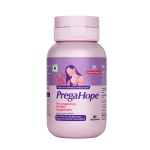
While you cannot reverse age-related changes, certain lifestyle choices may support your overall reproductive health. Eating a balanced, antioxidant-rich diet, managing stress, and getting key nutrients can all play a supportive role. Folic acid, vitamin C, vitamin D, and zinc are often linked with reproductive wellbeing. For women trying to conceive, Prega Hope Pre-Pregnancy Fertility Supplement is designed to support healthy ovulation and egg development, with iron, folic acid, vitamin C, and zinc in one daily tablet. Pairing healthy habits with the right nutrients can help you feel more prepared for your journey.

Conclusion

Understanding egg quality can feel overwhelming, especially when you are hoping to grow your family. While the signs of poor egg quality are often indirect and difficult to measure, knowledge can help you feel more in control, and many women with egg quality concerns still go on to conceive. Because fertility outcomes depend on many factors and vary from person to person, individual assessment matters more than assumptions. The information here is for educational purposes only and should not replace professional medical advice. Please consult your gynaecologist or healthcare provider for personalised guidance, and remember that support is always available on your journey.

FAQ’s

Q. What are the signs of poor egg quality?

They are usually indirect, such as difficulty conceiving, recurrent miscarriage, or low response to fertility treatment.

Q. Can poor egg quality affect fertility?

Yes. It can make conception more challenging, though it does not make pregnancy impossible.

Q. At what age does egg quality start declining?

It peaks in your twenties and declines more sharply after the mid-thirties.

Q. Can poor egg quality cause miscarriage?

In some cases, chromosomal issues in the egg may contribute to early miscarriage. These factors are outside your control.

Q. How do doctors test for egg quality?

No single test measures it directly. Doctors use AMH, Antral Follicle Count, and IVF embryo assessment to estimate it.

Q. What is the difference between egg quality and egg quantity?

Quality is the genetic health of an egg, while quantity is how many eggs you have.

Q. Can egg quality be improved naturally?

It cannot be reversed, but a healthy diet, less stress, and key nutrients may help.

Q. Is AMH related to egg quality?

AMH reflects your egg supply rather than quality, offering useful context without measuring it directly.

Medical Claims & Source Links Table

Blog SectionMedical ClaimLink
IntroductionEgg quality refers to the chromosomal (genetic) health of an egg and declines as a woman ages.https://www.ncbi.nlm.nih.gov/pmc/articles/PMC5591325/
What Is Egg QualityA chromosomally normal (euploid) egg can be fertilised and develop into a healthy embryo, whereas an egg with an abnormal chromosome number (aneuploid) is less likely to.https://www.ncbi.nlm.nih.gov/pmc/articles/PMC5842846/
Can Poor Egg Quality Cause SymptomsPoor egg quality rarely produces direct physical symptoms; the main sign is usually a difficulty becoming pregnant.https://www.webmd.com/infertility-and-reproduction/understanding-infertility-symptoms
Signs of Poor Egg Quality That Women Should KnowDifficulty conceiving after regular, unprotected sex is the principal sign of infertility.https://www.webmd.com/infertility-and-reproduction/understanding-infertility-symptoms
Recurrent early miscarriage is often caused by chromosomal abnormalities in the embryo, which usually occur at random.https://www.ncbi.nlm.nih.gov/pmc/articles/PMC11720377/
Success rates of IVF decline with age, with around 40% of women under 35 achieving pregnancy from a first embryo transfer and much lower rates at older ages.https://www.webmd.com/infertility-and-reproduction/in-vitro-fertilization
The proportion of chromosomally abnormal eggs rises with age and is a leading cause of age-related infertility and miscarriage.https://www.ncbi.nlm.nih.gov/pmc/articles/PMC5591325/
A low AMH level may indicate a reduced ovarian reserve (fewer eggs remaining).https://my.clevelandclinic.org/health/diagnostics/25142-ovarian-reserve-testing
What Causes Poor Egg QualityIncreasing maternal age is generally the biggest factor affecting egg quality and fertility.https://my.clevelandclinic.org/health/diagnostics/25142-ovarian-reserve-testing
Chromosomal errors in eggs become more common with age and largely arise by chance.https://www.ncbi.nlm.nih.gov/pmc/articles/PMC5842846/
PCOS is a common hormonal condition and one of the most common causes of infertility.https://www.webmd.com/women/what-is-pcos
Endometriosis is commonly associated with difficulty conceiving and female infertility.https://www.hopkinsmedicine.org/health/conditions-and-diseases/endometriosis
Lifestyle factors such as smoking, alcohol and being significantly over- or under-weight can lower fertility.https://www.webmd.com/infertility-and-reproduction/features/boost-reproductive-health
How Do Doctors Assess Egg QualityA fertility evaluation usually begins with medical history and tests that measure hormones and eggs.https://www.webmd.com/infertility-and-reproduction/features/boost-reproductive-health
No single test can directly measure egg quality; ovarian reserve tests estimate egg supply and predict treatment response rather than quality.https://www.asrm.org/practice-guidance/practice-committee-documents/testing-and-interpreting-measures-of-ovarian-reserve-a-committee-opinion-2020/
AMH reflects egg quantity (ovarian reserve) and does not measure egg quality or predict the chance of pregnancy.https://pubmed.ncbi.nlm.nih.gov/35100616/
An Antral Follicle Count (AFC) is a transvaginal ultrasound that counts follicles to estimate ovarian reserve.https://crh.ucsf.edu/about-fertility/diagnostic-fertility-testing/ovarian-reserve
Egg Quality vs Egg QuantityOvarian reserve testing estimates the number of eggs (quantity) and does not assess egg quality.https://my.clevelandclinic.org/health/diagnostics/25142-ovarian-reserve-testing
When Should You Speak to a Fertility SpecialistSeek a fertility evaluation after 12 months of trying if under 35, or after 6 months if aged 35 or older.https://www.webmd.com/infertility-and-reproduction/understanding-infertility-symptoms
Can Lifestyle Changes Support Reproductive HealthTaking a multivitamin or folic acid before conception is associated with a lower risk of ovulatory infertility and supports reproductive health.https://progyny.com/education/best-vitamins-and-supplements-fertility/

Other
Mankind Brands

Other Mankind Brand - Acne Star
Other Mankind Brand - Gas-o-fast
Other Mankind Brand - HealthOk
Other Mankind Brand - EPIC
Other Mankind Brand - Manforce