



















Signs of Poor Egg Quality: What Women Should Know
Introduction
If you have been trying to conceive for a while, you may have come across the term egg quality and felt a flicker of worry about what it means for you. If you are searching for the signs of poor egg quality, please know that you are not alone, and that having concerns about egg quality does not automatically mean pregnancy is impossible. Egg quality refers primarily to the genetic (chromosomal) health of an egg, along with its ability to support early embryo development. There are rarely obvious physical signs, and it cannot be directly measured outside fertility treatments. Age is one of the biggest influences, with quality gradually declining over the years. Understanding this can help you move forward with more clarity and confidence.
In short, the most associated signs of poor egg quality include:
- Difficulty conceiving
- Recurrent pregnancy loss
- Reduced success during fertility treatments
- Age-related fertility decline
- Low ovarian reserve indicators
Each of these is explained in more detail below. Remember, none of them confirm poor egg quality on their own.
What Is Egg Quality
Understanding Egg Quality and Reproductive Health
Egg quality describes how genetically healthy an egg is. A good quality egg has the correct number of chromosomes and enough energy reserves to support the early stages of embryo development. When an egg carries the right genetic information, it has a better chance of being fertilised and growing into a healthy embryo.
Why Egg Quality Matters for Fertility
Egg quality matters because it influences whether fertilisation can happen and whether the embryo can develop normally. Even when an egg is fertilised, chromosomal abnormalities may affect embryo development and increase the risk of implantation failure or early pregnancy loss. This is why quality, rather than numbers alone, often shapes the outcome of conception.
Can Poor Egg Quality Cause Symptoms
One of the most challenging aspects of this topic is that poor egg quality often does not produce direct physical symptoms. Unlike conditions that cause noticeable changes, egg quality usually reveals itself only during attempts to conceive or through fertility investigations. This means the signs of bad egg quality are typically indirect, such as difficulty getting pregnant or repeated early losses. Because of this, self-diagnosis is unreliable. It is also worth remembering that egg quality concerns do not mean conception is impossible, as many women with such concerns still go on to conceive. A proper medical assessment is the only way to gain meaningful insight, so it is always best to speak with a healthcare professional.
Signs of Poor Egg Quality That Women Should Know
There is no single sign that confirms poor egg quality, but certain patterns may prompt a closer look. Here are some commonly associated signs of poor egg quality:
1. Difficulty Conceiving
- Trying to conceive for several months without success may sometimes be linked to egg quality, particularly when other common causes have been ruled out.
- Regular, well-timed attempts that do not result in pregnancy
- No clear medical explanation after initial checks
2. Recurrent Pregnancy Loss
- Repeated early miscarriages can be deeply painful. They may be linked to chromosomal abnormalities in the embryo, which often occur randomly and are not necessarily due to a persistent egg-related issue.Two or more early pregnancy losses
- Losses without an identifiable cause
3. Reduced Success During Fertility Treatments
A lower-than-expected response during fertility treatments may sometimes point towards egg quality concerns. Signs may include:
- Fewer eggs retrieved than anticipated
- Lower fertilisation rates or fewer good-quality embryos during IVF
4. Age-Related Fertility Decline
As women move past their mid-thirties, egg quality tends to decline naturally. With age, eggs become more likely to carry chromosomal abnormalities due to errors during cell division (meiosis, the process that creates eggs), which can make conception take a little longer. Even so, age alone cannot predict your fertility outcome, and many women conceive in their late thirties and beyond.
5. Diminished Ovarian Reserve Indicators
A low AMH (Anti-Müllerian Hormone) level suggests a reduced egg supply, known as your ovarian reserve, but it does not measure egg quality. It is interpreted alongside age and other clinical factors.
Remember, none of these signs confirm poor egg quality on their own. They are simply patterns worth discussing gently with your doctor.
Also Read – Tracking Your Fertile Window with the PregaNews Ovulation Calculator
What Causes Poor Egg Quality
Several factors can influence egg quality over time. While some are within your control, others, such as age and genetics, are not. Understanding these possible causes can help you make sense of the signs of bad egg quality and have more informed conversations with your doctor.
Increasing Maternal Age
Age is the single biggest influence on egg quality. Quality tends to peak in your twenties and declines more noticeably after the mid-thirties, as the genetic health of eggs gradually reduces.
Genetic and Chromosomal Factors
As eggs age, they become more likely to carry chromosomal errors. These genetic changes happen naturally and are not caused by anything you have done.
Certain Medical Conditions
Some health conditions may affect reproductive health and, in turn, egg quality. These often include:
- Polyendocrine Metabolic Ovarian Syndrome (PMOS, formerly known as PCOS)
- Endometriosis
- Certain autoimmune conditions
These conditions primarily affect ovulation and the reproductive environment, and may influence fertility indirectly rather than directly reducing egg quality in all cases.
Lifestyle Factors That May Influence Reproductive Health
Day-to-day habits and environmental exposures may also play a supporting role in reproductive health. While factors such as stress may influence overall reproductive wellbeing, their direct impact on egg quality remains less clear than age. Common factors include:
- Ongoing high levels of stress
- Smoking and an unbalanced diet
- Regular exposure to toxins such as BPA and pesticides
- Extreme dieting or excessive physical exercise
How Do Doctors Assess Egg Quality

Because no single test can directly measure egg quality, doctors use a combination of assessments to build a fuller picture of your reproductive health. Recommendations vary by individual circumstances, so these tests are best interpreted by a fertility specialist. Here is how they typically approach it:
· Fertility Evaluation and Medical History
Your doctor will usually begin by discussing your medical history, menstrual cycles, lifestyle, and how long you have been trying to conceive. Being open at this stage allows for the most useful guidance.
· Anti-Müllerian Hormone (AMH) Testing
An AMH (Anti-Müllerian Hormone) blood test estimates your ovarian reserve, which is the number of eggs remaining. While it does not measure quality directly, it offers helpful context.
· Antral Follicle Count (AFC)
An Antral Follicle Count (AFC) is an ultrasound scan that counts the small follicles in your ovaries. Combined with AMH results, it gives doctors another way to estimate your egg supply.
· IVF and Embryo Assessment
During treatments such as IVF, embryologists can observe how eggs fertilise and how embryos develop. This is one of the few moments when egg quality can be assessed more closely. Even then, no single result tells the whole story.
Egg Quality vs Egg Quantity: Understanding the Difference
It is easy to confuse egg quality with egg quantity, but they describe different things. Egg quality refers to the genetic health of an egg and its ability to develop into a healthy embryo. Egg quantity, often called your ovarian reserve, refers to how many eggs you have left. You can have a good number of eggs with varying quality, or fewer eggs that are still healthy. Both matter when it comes to fertility.
When Should You Speak to a Fertility Specialist
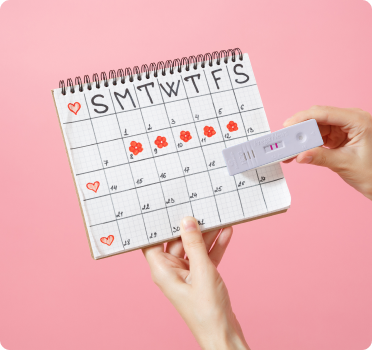
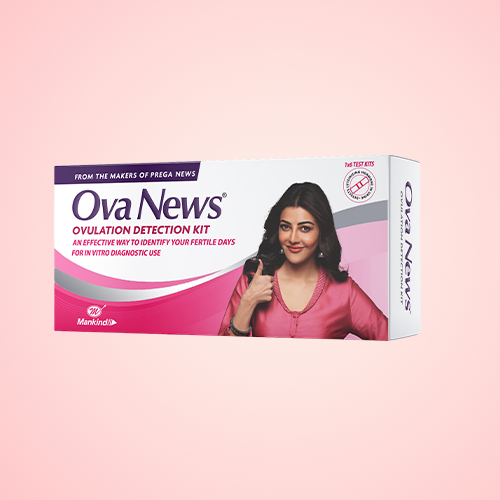
Knowing when to seek support can ease uncertainty. As a general guide, consider speaking to a fertility specialist if you have been trying to conceive for over 12 months and are under 35, or for 6 months if you are over 35. One of the simplest ways to prepare for a consultation is to understand your ovulation pattern and fertile days. Tracking your fertile window beforehand can make these conversations more productive, and the Ova News Ovulation Detection Kit helps you identify your five most fertile days so you can share clear information with your doctor.
Can Lifestyle Changes Support Reproductive Health
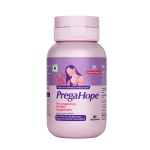
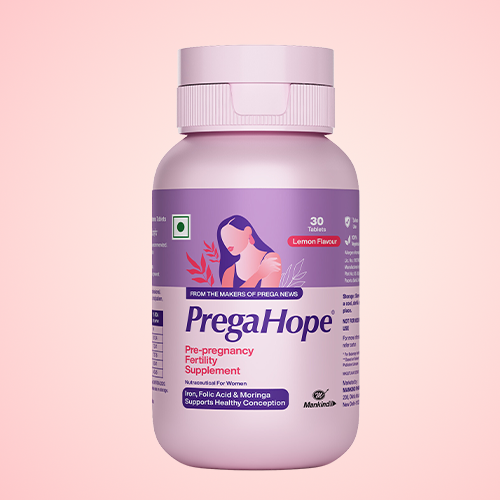
While you cannot reverse age-related changes, certain lifestyle choices may support your overall reproductive health. Eating a balanced, antioxidant-rich diet, managing stress, and getting key nutrients can all play a supportive role. Folic acid, vitamin C, vitamin D, and zinc are often linked with reproductive wellbeing. For women trying to conceive, Prega Hope Pre-Pregnancy Fertility Supplement is designed to support healthy ovulation and egg development, with iron, folic acid, vitamin C, and zinc in one daily tablet. Pairing healthy habits with the right nutrients can help you feel more prepared for your journey.
Conclusion
Understanding egg quality can feel overwhelming, especially when you are hoping to grow your family. While the signs of poor egg quality are often indirect and difficult to measure, knowledge can help you feel more in control, and many women with egg quality concerns still go on to conceive. Because fertility outcomes depend on many factors and vary from person to person, individual assessment matters more than assumptions. The information here is for educational purposes only and should not replace professional medical advice. Please consult your gynaecologist or healthcare provider for personalised guidance, and remember that support is always available on your journey.
FAQ’s
Q. What are the signs of poor egg quality?
They are usually indirect, such as difficulty conceiving, recurrent miscarriage, or low response to fertility treatment.
Q. Can poor egg quality affect fertility?
Yes. It can make conception more challenging, though it does not make pregnancy impossible.
Q. At what age does egg quality start declining?
It peaks in your twenties and declines more sharply after the mid-thirties.
Q. Can poor egg quality cause miscarriage?
In some cases, chromosomal issues in the egg may contribute to early miscarriage. These factors are outside your control.
Q. How do doctors test for egg quality?
No single test measures it directly. Doctors use AMH, Antral Follicle Count, and IVF embryo assessment to estimate it.
Q. What is the difference between egg quality and egg quantity?
Quality is the genetic health of an egg, while quantity is how many eggs you have.
Q. Can egg quality be improved naturally?
It cannot be reversed, but a healthy diet, less stress, and key nutrients may help.
Q. Is AMH related to egg quality?
AMH reflects your egg supply rather than quality, offering useful context without measuring it directly.
Medical Claims & Source Links Table
| Blog Section | Medical Claim | Link |
| Introduction | Egg quality refers to the chromosomal (genetic) health of an egg and declines as a woman ages. | https://www.ncbi.nlm.nih.gov/pmc/articles/PMC5591325/ |
| What Is Egg Quality | A chromosomally normal (euploid) egg can be fertilised and develop into a healthy embryo, whereas an egg with an abnormal chromosome number (aneuploid) is less likely to. | https://www.ncbi.nlm.nih.gov/pmc/articles/PMC5842846/ |
| Can Poor Egg Quality Cause Symptoms | Poor egg quality rarely produces direct physical symptoms; the main sign is usually a difficulty becoming pregnant. | https://www.webmd.com/infertility-and-reproduction/understanding-infertility-symptoms |
| Signs of Poor Egg Quality That Women Should Know | Difficulty conceiving after regular, unprotected sex is the principal sign of infertility. | https://www.webmd.com/infertility-and-reproduction/understanding-infertility-symptoms |
| Recurrent early miscarriage is often caused by chromosomal abnormalities in the embryo, which usually occur at random. | https://www.ncbi.nlm.nih.gov/pmc/articles/PMC11720377/ | |
| Success rates of IVF decline with age, with around 40% of women under 35 achieving pregnancy from a first embryo transfer and much lower rates at older ages. | https://www.webmd.com/infertility-and-reproduction/in-vitro-fertilization | |
| The proportion of chromosomally abnormal eggs rises with age and is a leading cause of age-related infertility and miscarriage. | https://www.ncbi.nlm.nih.gov/pmc/articles/PMC5591325/ | |
| A low AMH level may indicate a reduced ovarian reserve (fewer eggs remaining). | https://my.clevelandclinic.org/health/diagnostics/25142-ovarian-reserve-testing | |
| What Causes Poor Egg Quality | Increasing maternal age is generally the biggest factor affecting egg quality and fertility. | https://my.clevelandclinic.org/health/diagnostics/25142-ovarian-reserve-testing |
| Chromosomal errors in eggs become more common with age and largely arise by chance. | https://www.ncbi.nlm.nih.gov/pmc/articles/PMC5842846/ | |
| PCOS is a common hormonal condition and one of the most common causes of infertility. | https://www.webmd.com/women/what-is-pcos | |
| Endometriosis is commonly associated with difficulty conceiving and female infertility. | https://www.hopkinsmedicine.org/health/conditions-and-diseases/endometriosis | |
| Lifestyle factors such as smoking, alcohol and being significantly over- or under-weight can lower fertility. | https://www.webmd.com/infertility-and-reproduction/features/boost-reproductive-health | |
| How Do Doctors Assess Egg Quality | A fertility evaluation usually begins with medical history and tests that measure hormones and eggs. | https://www.webmd.com/infertility-and-reproduction/features/boost-reproductive-health |
| No single test can directly measure egg quality; ovarian reserve tests estimate egg supply and predict treatment response rather than quality. | https://www.asrm.org/practice-guidance/practice-committee-documents/testing-and-interpreting-measures-of-ovarian-reserve-a-committee-opinion-2020/ | |
| AMH reflects egg quantity (ovarian reserve) and does not measure egg quality or predict the chance of pregnancy. | https://pubmed.ncbi.nlm.nih.gov/35100616/ | |
| An Antral Follicle Count (AFC) is a transvaginal ultrasound that counts follicles to estimate ovarian reserve. | https://crh.ucsf.edu/about-fertility/diagnostic-fertility-testing/ovarian-reserve | |
| Egg Quality vs Egg Quantity | Ovarian reserve testing estimates the number of eggs (quantity) and does not assess egg quality. | https://my.clevelandclinic.org/health/diagnostics/25142-ovarian-reserve-testing |
| When Should You Speak to a Fertility Specialist | Seek a fertility evaluation after 12 months of trying if under 35, or after 6 months if aged 35 or older. | https://www.webmd.com/infertility-and-reproduction/understanding-infertility-symptoms |
| Can Lifestyle Changes Support Reproductive Health | Taking a multivitamin or folic acid before conception is associated with a lower risk of ovulatory infertility and supports reproductive health. | https://progyny.com/education/best-vitamins-and-supplements-fertility/ |














Leave a comment