









Uncategorized Archives - Page 8 of 8 - Prega News | Pregnancy Test | Pregnancy Test at Home | Pregnancy Test Kit

How Is IVF Pregnancy Different From Natural Pregnancy

Pregnancy is an exciting and transformative time for every woman. However, the journey to motherhood can vary greatly, especially between an IVF pregnancy and a natural pregnancy. While both lead to the same beautiful result, the processes behind them are quite different. In this blog, we’ll explore what IVF pregnancy and natural pregnancy are, the key differences between them, and the potential risk factors associated with both.

What is IVF Pregnancy & Natural Pregnancy?

IVF Pregnancy: In vitro fertilization (IVF) is a medical procedure used to assist couples who are struggling with infertility. The IVF pregnancy process involves retrieving eggs from the ovaries and fertilizing them with sperm in a laboratory. Once the eggs are fertilized, the embryo is placed into the woman’s uterus to develop into a pregnancy. This process bypasses many of the natural reproductive steps, making it a suitable option for couples with specific fertility challenges.

Natural Pregnancy: A natural pregnancy occurs when a woman conceives through intercourse. The sperm fertilizes the egg inside the woman’s body, typically in the fallopian tubes, and the fertilized egg travels to the uterus to implant and grow. This process happens naturally, without medical intervention. A natural pregnancy test is often used after a missed period to confirm if conception has occurred.

Difference Between IVF & Natural Pregnancy

  1. Conception Method
    The most significant difference between IVF pregnancy and natural pregnancy is how conception occurs. IVF involves a series of medical procedures, including egg retrieval, fertilization in a lab, and embryo transfer, whereas natural pregnancy occurs without medical intervention, through intercourse.
  2. IVF Pregnancy Symptoms vs. Natural Pregnancy Symptoms
    Both IVF pregnancy and natural pregnancy share common symptoms such as missed periods, nausea, and breast tenderness. However, in an IVF pregnancy, women may also experience additional symptoms related to the hormonal medications taken during the IVF process, such as bloating, cramping, and spotting.
  3. Success Rate
    IVF pregnancy does not guarantee success on the first attempt, and it may take several cycles to achieve a successful pregnancy. Natural pregnancy also carries its own uncertainties, but it occurs without the need for medical intervention. The success rate of IVF varies depending on factors like age and overall health, while natural pregnancy success is also influenced by similar factors.
  4. Medical Monitoring
    In an IVF pregnancy, close medical monitoring is essential throughout the process, from ovulation stimulation to embryo transfer. Natural pregnancy usually requires standard prenatal check-ups unless complications arise. IVF pregnancies often involve more frequent ultrasounds and tests in the early stages to ensure the embryo is developing properly.

Risk Factors of IVF & Natural Pregnancy

Risk Factors of IVF Pregnancy

  • Multiple Pregnancies: IVF increases the chance of multiple pregnancies (twins or more), as multiple embryos are sometimes transferred to improve the success rate. Multiple pregnancies can carry higher risks for both the mother and babies, including preterm birth and low birth weight.
  • Ovarian Hyperstimulation Syndrome (OHSS): IVF involves stimulating the ovaries to produce more eggs, which can sometimes lead to OHSS. This condition causes swollen and painful ovaries and can be serious in rare cases.
  • Ectopic Pregnancy: There is a slightly higher risk of ectopic pregnancy in IVF pregnancies, where the embryo implants outside the uterus.

Risk Factors of Natural Pregnancy

  • Ectopic Pregnancy: Just like in IVF pregnancies, natural pregnancies can also result in ectopic pregnancies, though the risk is typically lower.
  • Miscarriage: The risk of miscarriage is present in both IVF and natural pregnancies, though the chances may be slightly higher for women undergoing IVF, especially in older women.
  • Age-Related Risks: In both IVF and natural pregnancies, the mother’s age can increase the risk of complications, including miscarriage and chromosomal abnormalities.

Conclusion

While IVF and natural pregnancies share many similarities in terms of symptoms and outcomes, the processes leading to pregnancy are quite different. IVF pregnancy involves medical intervention, and close monitoring, and carries unique risks, such as multiple pregnancies and OHSS. Natural pregnancy, on the other hand, occurs without medical assistance and may carry its risks, especially for older women.

Regardless of the method, both IVF and natural pregnancies have their challenges and joys. The important thing is for women to have the necessary support and medical guidance throughout their journey to motherhood.

FAQs

Is an IVF pregnancy different from a normal pregnancy?
Yes, the key difference lies in the conception method. IVF pregnancy involves medical intervention, while natural pregnancy occurs through intercourse without medical help. However, once the embryo is implanted, the pregnancy progresses similarly in both cases.

Is IVF pregnancy riskier than normal pregnancy?
IVF pregnancies can carry certain risks, such as multiple pregnancies or ovarian hyperstimulation syndrome (OHSS), which are not common in natural pregnancies. However, both types of pregnancies can have risks, depending on individual health factors.

Is IVF better than normal pregnancy?
IVF is not inherently better or worse than natural pregnancy—it depends on the couple’s fertility challenges. IVF is a valuable option for couples who cannot conceive naturally, providing them with a way to experience pregnancy and parenthood.

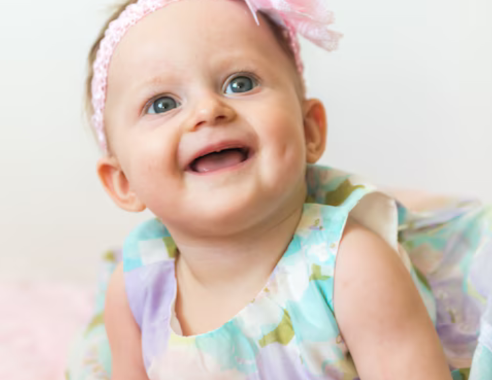
Moments to Celebrate in Baby’s First Year

Welcoming a baby into the world brings endless moments of joy, excitement, and new milestones. The first year of your baby’s life is packed with special experiences, many of which you’ll cherish forever. From their first smile to their first steps, these are memories you’ll want to capture and celebrate as you watch your baby’s growth in their first year. Let’s look at some of the favourite moments to treasure and celebrate, including the baby’s first new year, festivals, and their 1st birthday celebration.

Favourite Moments You Should Capture in Your Baby’s First Year

The first year is filled with milestones that every parent loves to document. Here are some of the key moments you’ll want to capture:

  • First Smile: This heart-melting moment usually happens between 6-8 weeks of your baby’s life. Your baby’s first smile is a sign of recognition and joy—a true highlight in their baby’s growth in the first year.
  • First Roll: By around 4-6 months, babies begin to roll over. Capture this tiny triumph as your baby starts to move independently, marking a significant development in their journey.
  • First Crawl: Once your baby gets the hang of rolling, crawling is the next big step. This moment signals your baby’s increasing mobility and curiosity about their surroundings.
  • First Steps: Possibly one of the most cherished milestones, your baby’s first steps typically occur around the one-year mark. Don’t miss capturing the excitement and pride as your little one learns to walk.
  • First Word: Hearing your baby say “mama” or “dada” for the first time is unforgettable. Make sure to record the moment when they speak their first words, a major developmental highlight in their baby’s growth in the first year.

Celebrate The Baby’s First Festivals

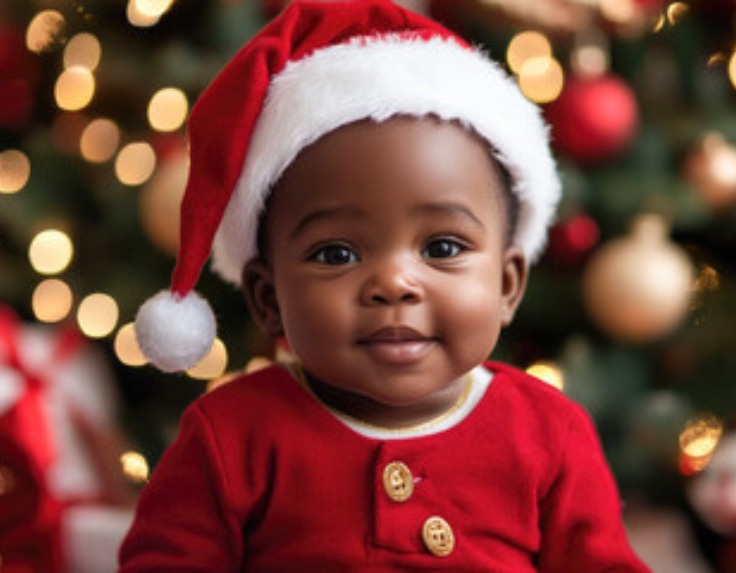
Festivals are the perfect time to celebrate family and make lasting memories, especially during your baby’s first year. Whether it’s the baby’s first new year or a traditional holiday, these events are great opportunities to celebrate your little one’s milestones.

  • Baby’s First New Year: The baby’s first new year celebration is an exciting event. Dress up your baby in festive attire, take plenty of pictures, and even create a small time capsule to open on their 18th birthday. You can include a message from you as parents, small toys, or a piece of the baby’s first birthday cake topper to add a personal touch to the moment.
  • Cultural and Religious Festivals: Every culture has its unique festivals, which can become even more special when celebrated with your baby. Whether it’s Diwali, Eid, Christmas, or Holi, introducing your child to your family traditions creates a strong bond with your culture. You can involve your baby by dressing them in festival-themed outfits and taking photos to document their first festive experiences.

Celebrate The Baby’s Birthday

The baby’s first birthday celebration is one of the biggest milestones of their first year. It’s a moment to look back on all the memories you’ve made and look forward to the exciting times ahead.

1st Birthday Celebration Ideas for Baby Boy

  • Themed Birthday Party: A theme adds an element of fun to the celebration. Popular 1st birthday celebration ideas for baby boys include animal themes, space exploration, or cartoon characters like Mickey Mouse. Decorate the venue with balloons, banners, and table settings that match the theme.
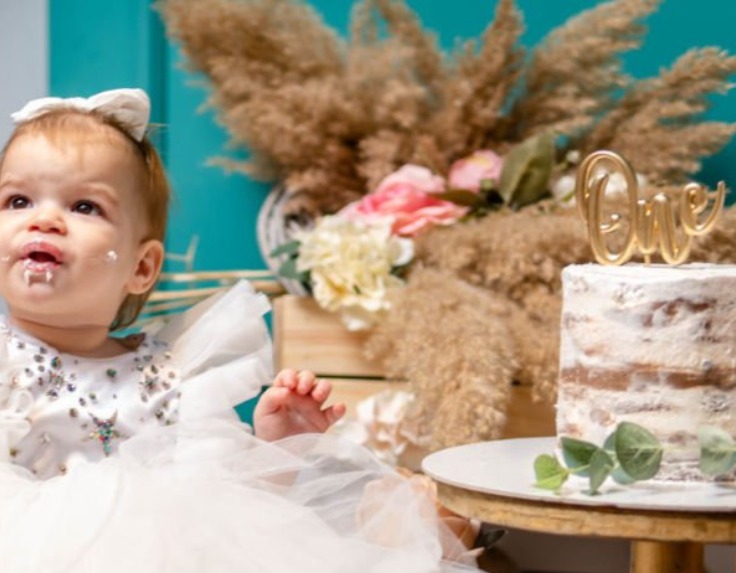
  • Cake Smash: One of the most popular baby birthday celebration trends is the cake smash. This fun activity lets your baby explore their birthday cake with all their senses. The result is messy, cute, and perfect for capturing those candid moments.
  • Memory Board: Create a memory board showcasing your baby’s growth throughout their first year. Include pictures from their baby’s growth in the first year, highlighting each milestone, like their first steps or first festival.

Your baby’s first birthday is an occasion to celebrate how far they’ve come—and how much you’ve grown as a parent too. Keep the event light, and filled with love, and don’t forget to capture these precious moments to treasure for years to come.

Conclusion

Your baby’s first year is a whirlwind of emotions, milestones, and celebrations. From the baby’s first new year to their 1st birthday celebration, every moment is an opportunity to create lasting memories. The joy of celebrating these milestones will stay with you for a lifetime as you watch your child grow and develop.

FAQs

How do you celebrate moments with a baby?
Celebrate by capturing special milestones like the baby’s first smile, steps, and words. Document these with photos or videos and create a memory book to reflect on as they grow older.

How to celebrate baby first festivals?
Involve your baby in family traditions, dress them up in festive outfits, and take lots of pictures. Festivals like the baby’s first new year or cultural holidays are wonderful opportunities to introduce them to family customs and create lasting memories.

How do you celebrate a baby’s first birthday?
Celebrate by throwing a themed birthday party, organizing a cake smash, and documenting their baby’s growth in the first year with a memory board. Keep the celebration joyful but simple, focused on making it a memorable day for your little one.

Other
Mankind Brands

Other Mankind Brand - Acne Star
Other Mankind Brand - Gas-o-fast
Other Mankind Brand - HealthOk
Other Mankind Brand - EPIC
Other Mankind Brand - Manforce