















admin, Author at Prega News | Pregnancy Test | Pregnancy Test at Home | Pregnancy Test Kit - Page 12 of 24

Tips to ease Morning Sickness during the first trimester

Morning sickness is a common symptom that half of women experience during their pregnancy. It makes you nauseous and you feel like throwing up all the time. It is due to hormonal fluctuation wherein the body is trying to adapt to new changes. Usually, women experience morning sickness at an early stage of their pregnancy but in rare cases, they might suffer from it in the later stages as well. Let’s know more about morning sickness before we dive deep into the tips to overcome this issue.

What is morning sickness?

Morning sickness is basically nausea and vomiting that happens during pregnancy wherein you feel like throwing up all the time. It begins in the first trimester and goes away in the later stages of pregnancy. In rare cases, women experience morning sickness throughout their pregnancy as the baby starts pushing the organs to make space for himself. About 70% of women suffer from morning sickness. It’s a very common pregnancy symptom but in a few cases, it may lead to dehydration due to severe vomiting and nausea. Morning sickness happens due to hormonal imbalances and bodily changes occurring during pregnancy. But when does it start to occur?

When does morning sickness start?

Women start experiencing morning sickness usually from the 6th week but it varies from person to person. Some might start experiencing it a bit early and vice versa. It is worst during the early stage but the symptoms start subsiding in the later stage of pregnancy. Morning sickness lasts up to 12 weeks but some women might continue to experience it throughout their pregnancy. If the condition is too severe, consult your doctor.

Before you jump on consulting your doctor, you must know if you’re suffering from morning sickness, and to know that you must know the symptoms of it. 

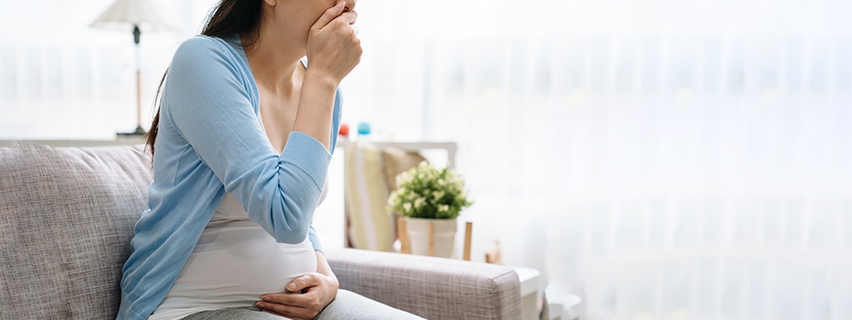
Woman experiencing morning sickness during first trimester

Symptoms of morning sickness

The symptoms may vary from person to person and the adversity of the symptoms may also differ. Hence, taking a general consideration and observation of the happenings you can identify the following symptoms. 

  • You might feel nauseous with or without vomiting in the early stage of pregnancy.
  • You may feel sick to your stomach with the smell of certain food items and other odours
  • You may observe changes in the colour of urine.
  • You may feel dizzy and feel like throwing up at any time of the day. 
  • You may start disliking your favourite food.
  • You might also feel abdominal discomfort. 
  • You may start feeling anxious and upset for no reason. 

You may experience some of these symptoms or maybe all at once. But you should have clarity as to why you are feeling the symptoms up to a particular frequency. 

What are the causes of morning sickness?

The causes of it may remain unspecified but the following are the reasons which might indicate what led to the occurrence of it. 

  • Low sugar level
  • Hhormonal imbalance and an increase in the level of oestrogen
  • Physical and chemical changes 
  • Emotional and physical stress 
  • Eating a certain type of food item. 
  • Fluctuation in blood pressure levels

If you are suffering from the above-stated symptoms and have known the causes, there are a few ways to soothe your morning sickness. 

What are the remedies to cure morning sickness?

It is important to note that through some precautions and changes in routine, you can definitely win over your morning sickness. Following are some measures that you can consider.

  • Your surrounding should be fully ventilated to eliminate the odour that you find unpleasant.
  • Keep yourself hydrated by drinking at least 7 – 8 glasses of water a day. 
  • Avoid eating spicy and oily food. 
  • Include small meals between your main meals and try to eat in small portions. It will help in preventing nausea and vomiting.
  • Avoid smoke and alcoholic drinks during pregnancy. 
  • You can also use acupressure bands and acupuncture as it provides relief against nausea. 
  • Do not forget to take your prenatal vitamin supplements prescribed by your doctor. 
  • Take time to relax and avoid any kind of physical and mental pressure that might trigger morning sickness.

After inculcating these measures, you may feel relieved or may experience some reduction in the frequency of morning sickness. Apart from these routine changes, what else you can do is, identify the food items that help overcome morning sickness. 

Food to cure morning sickness 

Having a balanced diet is always advised during pregnancy, but you should observe if you are experiencing morning sickness then you must consider including some food items that help relieve the issue. Following are some tips that can help you with the same. 

  • Eating ginger products like ginger tea, ginger soda and ginger candy helps if your stomach is upset. 
  • Intake of food rich in protein and carbohydrates like nuts, cheese, yoghurt, peanut butter, apple slices and celery will help in preventing nausea.
  • Avoid food with high salt content and low nutritional value. 
  • Eating crackers and dry toast is quite beneficial after waking up in the morning. 
  • Eating bland food such as eggs, broth, gelatine, banana, rice, and baked potato makes you feel less nauseous. 
  • Green vegetables, tofu, fish, brown rice, nuts and seeds are good sources of iron and folate. 

When to consult a doctor?

You should not wait to call your doctor if your vomiting doesn’t stop. Seeking medical help for severe morning sickness can prevent serious complications in the later stage. Most women experience morning sickness for a short period of time but in case the issue still persists, it is advised to rush to the doctor immediately.

Apart from these, there are a few frequently asked questions that you should be aware of. 

FAQs

How long does morning sickness last during the first trimester?

Women start experiencing morning sickness from the 6th week and it lasts up to the 12th week. Some women might experience this in the later stage as well which is completely normal.

What fruit is good for morning sickness?

Bananas, as it’s a good source of Vitamin B6, and oranges are rich in vitamin C and their refreshing taste will prevent nausea, avocado is very nutritious and you can also include basic fruits to cure morning sickness.

Do bananas help with nausea?

Banana works really well in reducing nausea and thereby preventing vomiting by taking in sufficient amount. 

What to eat after vomiting during pregnancy at night?

You can take ginger tea, lemon tea or yoghurt to cool down your stomach after vomiting during the night. 

What drinks are good for morning sickness?

Fruit juice, ginger tea, ginger soda, lemon tea, and peppermint tea are very beneficial in case of an upset stomach and prevent nausea. 

Key Takeaway

To conclude, morning sickness is a very unpleasant symptom of pregnancy which cannot be avoided but with the doctor’s advice, following remedies and a nutritional diet, you can make this journey a bit easier. Just avoid any kind of physical and mental stress that can trigger your morning sickness. Not every woman suffers from it and there is nothing wrong with it as well. Every woman is different but if the symptoms seem to be unusual, consult the doctor immediately to avoid further complications.

Say Goodbye to Bloating and Gas problems during pregnancy: 10 Best Prevention Tips

One of the most beautiful phases of a woman’s life is when she becomes a mother. Just like two sides of a coin, pregnancy also comes with happiness and anguish at the same time.  During pregnancy,  a woman goes through emotional as well as physical stress. The emotional side of the experiences can occur because of the fluctuations in the hormones. However, the physical side of it comes as a part and parcel of sustaining a life within themselves. 

Talking precisely about physical stress, the most common issue faced by majorly all women is bloating. It is one of the many things that a woman experiences when they are expecting a child. Bloating means abdominal distension that gives you a swollen and tight belly. The excess gas in your belly gives you a lot of discomfort and makes you feel uneasy but hey, bloating is something that not only pregnant women but half of the population suffer from. 

During pregnancy, the digestion process slows down, which creates a lot of room for the gas and gives you an inflated belly. Bloating is something that you can’t escape from, during your pregnancy but yes, you can tackle it by following a routine and a healthy diet. 

When does bloating start during pregnancy?

Bloating is a very common symptom of pregnancy that a woman starts experiencing at an early stage and it gradually increases as the uterus expands to make space for the foetus by pushing the organs. Bloating causes a lot of uneasiness, especially during the last trimester. And yes, it’s a common problem but not every woman experiences it while pregnant. 

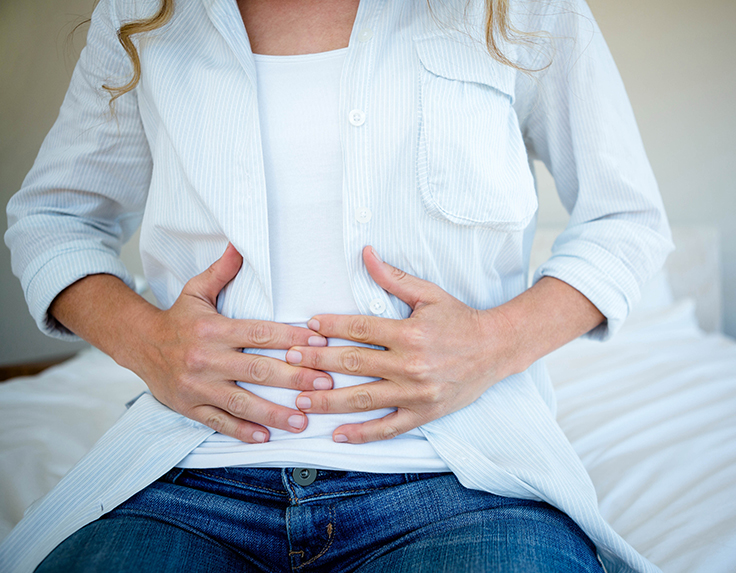
Pregnant women experiencing a bloating and gas problems

What are the causes of bloating during pregnancy?

While this is a common occurrence, the reason behind this may depend from individual to individual and the causes are not the same for all. There can be a number of reasons that leads to bloating which are explained in the following points below.

  • One of the many reasons could be progesterone which is also called as ‘hormone of pregnancy’. It is very important for a healthy pregnancy but also comes with a lot of health discomforts like constipation, bloating, gas, etc. Progesterone relaxes the digestive muscle and slows down the digestive process. This happens to deliver the nutrients consumed by you through the food, and gets delivered to the baby in a timely manner. Now this slow digestion process creates a lot of room for gas that makes your belly look like an inflated balloon. 
  • Colonies of bacteria reside in your stomach and intestines to carry out proper functioning of the digestive system. But, due to its imbalance, it leads to Small Intestinal Bacterial Overgrowth that gives you a lot of health issues like bloating, diarrhoea, ingestion, and difficulty in absorbing nutrients. 
  • Some people are allergic to specific food categories like dairy products, gluten products etc. The consumption of these may cause irritation in the stomach and may prove to be one of the reasons for the accumulation of gas and bloating. Spicy and oily food also disturbs the functioning of the digestive system which might give you a tensed belly. 
  • Lack of fibre, hydration, and exercise may disrupt bowel movement. This disruption leads to constipation which in turn causes gas and bloating. 

How to ease bloating and gas during pregnancy?

There are no easy ways to escape bloating and gas during pregnancy as they become a part of your everyday life. But what can be done is, to inculcate a few habits in your routine that eases the discomfort caused by bloating. Following are the tips that can help to reduce the uneasiness caused by bloating-

  • Hydration is very important – Keep yourself hydrated as it is very important for the smooth functioning of the digestive system. Water relieves constipation which leads to gas and bloating. Water intake could be in any form, be it citrus fruits or juice but avoid carbonated drinks as they are not good for you and your baby’s health and can cause bloating. 
  • Choose the right food for your diet – Intake of fibrous food keeps your gut healthy and alleviates constipation but only in a generous amount as it might cause bloating. Avoid too much oily and spicy food as it may cause acidity and gas. Women who are lactose intolerant should avoid too much intake of dairy products as it would lead to acidity and loose motion. Go for dairy-free alternatives. 
  • Go for smaller meals – Include smaller but frequent meals in your diet. This means you can have six small meals rather than three large meals in a day. Llarge meals may cause discomfort to your digestive system which leads to the accumulation of gas and results in bloating. Keep regular intervals between every meal so that the food gets digested properly and doesn’t cause you any kind of discomfort. 
  • Don’t sit idle – Physical activity like yoga and exercise is as important as a healthy and nutritious diet. Even if you’re unable to do so, try to do a brisk walk as it is very important for the proper digestion of food and prevents constipation and bloating.

Home remedies to ease bloating during pregnancy

There are various home remedies that one can adopt with the doctor’s prescribed medicines, a healthy diet, and exercise, to reduce the discomfort caused by pregnancy bloating.

  • Take probiotics – Food rich in probiotics has healthy microorganisms which are very good for your gut health. Food items such as yogurt, sourdough, and pickles are rich in probiotics that prevent bloating. 
  • Take warm drinks – Intake of warm drinks like fennel tea, ginger tea, peppermint tea etc will prevent nausea and will also give relief to your stomach.
  • Abdominal Massage- A gentle abdominal massage is also beneficial in preventing gas and constipation. 

When to consult a doctor?

Bloating is very common during pregnancy and there’s nothing to worry about but health issues shouldn’t be left unconsidered. Consult your doctor if you experiencing weight loss, abdominal pain, nausea and diarrhoea. Apart from this, there are a few frequently asked questions that you should know regarding pregnancy bloating

FAQs

What does early pregnancy bloating feels like?

Early pregnancy bloating feels like an inflated balloon in your belly. The stomach is tensed and swollen with gas which causes a lot of discomfort. 

Can you feel bloated when you are four weeks pregnant?

Bloating usually starts at an early stage so you might experience a bit of bloating during 4th week but as the baby would take more space, your digestive system process will slow down and you’ll start experiencing more gas and bloating.  

What food causes gas during pregnancy? 

Fibre is good for the digestive system but food items with high fibre content such as wheat, oat bran etc can also be the cause of bloating. Avoid vegetables such as cauliflower, beans, cabbage, broccoli etc as it produces a lot of gas in your body and makes you feel bloated. 

What helps with pregnancy bloating during the night?

Take a brisk walk after your last meal so that your food gets digested before you go to bed. It will avoid gas and you will have a blissful sleep. 

How should I sit to relieve gas?

Stretch your legs and try to touch the toes with your fingers. This position helps in relieving the gas. 

Hence, many women experience bloating and stomach discomfort but it is very common during pregnancy. You don’t need to worry about the health of your baby as your body is adapting to changes and making space for the little one. Creating space for your young one is quite a task which will give you bit of discomfort and anxiety. You just need to adopt a nutritious diet and a healthy way of living. Enjoy your pregnancy and make it blissful but consult your gynaecologist if the abdominal pain is unbearable and you experience spotting too.

5 Drinks To Keep Away From Your New Born Baby

Babies love to drink, they are perpetually thirsty and always want loads of nutrition. It takes a long enough time before their little tummies can process solid or even semi-solid food. Understanding that to give your baby to drink during this crucial time is a huge part of pregnancy care.

Many liquids during the first six months for your newborn can be upsetting and lead to complications which we would want to avoid at all times. Which is why, Prega News, India’s best pregnancy test is here to provide you with a few useful tips regarding the liquids to keep your baby away from without having to look for a pregnancy guide.

FRUIT JUICES – NOT HEALTHY AFTER ALL

Even though fruit juice might seem the best option for your baby at the time, it might not be the healthiest. Fruit juice contains a high amount of sugar and a less amount of fiber. The latter is what your baby really requires so that he can grow according to a normal baby calendar.

Drinks to Avoid for Newborns - Fruit juice

SOFT DRINKS ARE A BIG ‘NO’

Drinks to Avoid for Newborns - Soft drinks

Need we even say more? Almost every pregnancy guide that talks about pregnancy care tell you to keep aerated drinks away from your baby always. They take the place of vital nutrients your baby needs and may also lead to tooth decay and weight gain which your baby doesn’t need.

CAFFEINE – I DON’T THINK SO

Another outright NO in the books is towards caffeinated drinks. Avoid giving your baby tea or coffee, even a spoonful is bad. Just like a pregnancy diet, your baby also needs a rich diet of nutrients and caffeine just won’t do.

Drinks to Avoid for Newborns -caffeinated drinks.

FLAVORED MILK

Drinks to Avoid for Newborns : Flavored milk

Why flavored milk you ask? It’s because of the high sugar content that is present in it. Your baby’s body isn’t able to break the sugar down easily. Plus, a mother’s milk is the healthiest option for your newborn baby. For more tips on breastfeeding positions, you can check here.

WATER – WHAT????

Yes, water isn’t the best liquid to give your baby at least till they are over six months old. Water dilutes the sodium balance in the body, thus upsetting the electrolyte balance which may upset your baby. Although, once your baby grows older, there isn’t really a substitute for water but for now, stick to breastfeeding your baby.

Let us hope these baby tips could help you. To read pregnancy tips and learn more about pregnancy and about pregnancy care, don’t forget to join us on our social channels on Facebook and Twitter.

Drinks to Avoid for Newborns : Glass of water  to avoid till six months

Let us hope these baby tips could help you. To read pregnancy tips and learn more about pregnancy and about pregnancy care, don’t forget to join us on our social channels on Facebook and Twitter.

Pregnancy Tests: How They Work & What to Expect

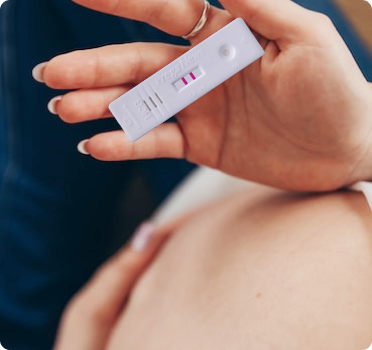
Gone are the days of detecting a pregnancy through cravings, fainting spells or bouts of nausea. While these markers can be physical effects of pregnancy but now, as soon as women miss their periods or suspect being pregnant— they can just take an at-home pregnancy test without any discomfort or get their doctor to prescribe blood or a urine test.

What is a pregnancy test?

By looking for a specific hormone in your urine or blood, a pregnancy test can determine if you are pregnant. Human chorionic gonadotropin is the name of the hormone (HCG). After a fertilized egg implants in the uterus, HCG is produced in the mother’s placenta. Normally, it is only produced during pregnancy.

About a week after you have missed a period, the HCG hormone can be detected in urine during a pregnancy test. The test can be carried out either at a doctor’s office or at home using a test kit. Since these tests are almost identical, many women decide to do a home pregnancy test before seeing a healthcare professional. Home pregnancy tests are 97-99 per cent reliable when done appropriately.

A blood test for pregnancy is performed at a doctor’s office. It can confirm or rule out pregnancy earlier than a urine test and detect lower concentrations of HCG. Even before you’ve missed a period, a blood test can identify pregnancy. Blood tests for pregnancy have a 99.9 per cent accuracy rate. The findings of a home pregnancy test are frequently confirmed by a blood test.

Other names: HCG test, human chorionic gonadotropin test

Signs that you should take a pregnancy test

  1. You have missed your period – One of the most obvious signs of a pregnancy is a missed or a very late period. It could be challenging to tell whether you’re late if you don’t constantly monitor your cycle. The average woman’s menstrual cycle lasts 28 days. If it has been more than a month since your last period, think about getting tested.
  1. You feel physically ill – Pregnancy can cause nausea, tiredness, stomach cramps and frequent urination. If you are repeatedly feeling most of these symptoms, it may be a cue for you to take a test.
  1. Your breasts hurt – In order to promote the baby’s growth, estrogen and progesterone, which are produced in increasing amounts throughout pregnancy, begin to alter your body in order to support the growing baby inside of you.
  1. Skipping Contraception Methods– Condoms, birth control pills, and other forms of contraception do not completely prevent conception. In other words, no matter how careful you are, there is always a small possibility of having an unplanned pregnancy.

False test results

Both false positive and false negative pregnancy tests are possible. False negatives happen considerably more frequently than false positives, though. Therefore, if your at-home pregnancy test shows a positive result, you are probably pregnant.

A false negative pregnancy test result is most frequently the consequence of either taking the test too soon or failing to follow the instructions on the label.

When should you take a pregnancy test?

You can take a pregnancy test as soon as you realize your period is significantly late while also feeling the other aforementioned symptoms of pregnancy. The earlier you take the test and find out, the easier it will be to focus on the next steps of the pregnancy. Furthermore, to be more sure, taking a blood test is also a viable option.

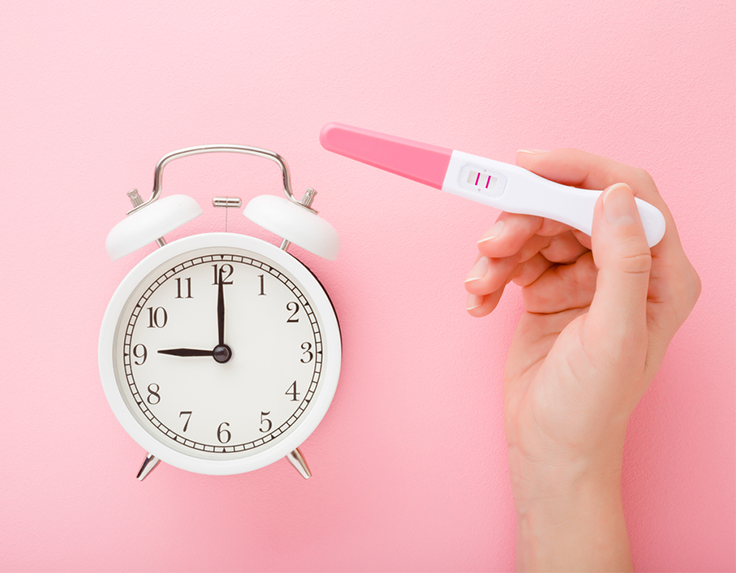
Take a pregnancy test as soon as you realize your period is significantly late

Once you get a positive pregnancy result, it is important to stay cautious of the next few steps. First things first, one must decide for themselves if they choose to keep the baby or not. If you choose the former, consult your local doctor, and begin the process of preparing your body for the pregnancy.

Testing early helps to ensure that you get proper care for yourself and, if applicable, prenatal care for your baby. In the event of a positive result, contact your doctor as soon as possible to discuss your options and potential next steps.

A guide to Supplements During Pregnancy

While pregnancy is a beautiful transformation into the journey of motherhood still it can be extremely overwhelming for expectant mothers. With multiple diets, exercises and medicines available for pregnant women, it can get extremely confusing— especially when it comes to the health of their unborn baby.  However, it doesn’t have to be confusing when it comes to choosing the right vitamins and supplements.

To begin with, your baby gets all the necessary nutrients from you during pregnancy. So you may need more essential nutrients to fuel your body than you did before pregnancy.

Why take supplements during pregnancy?

Macronutrient intake needs to increase significantly during pregnancy. Macronutrients comprise carbohydrates, proteins, and fats. Vitamins, minerals, and trace elements are also more important than macronutrients.

It can be a challenge for many, as only a few can succeed a well-planned, nutrient-dense diet.

This calls for a need to take vitamin & mineral supplements during pregnancy for various reasons, including:

Nutrient deficiencies: Some people may require additional supplements if the blood tests indicate a deficiency in specific vitamins or minerals. Correcting deficiencies is crucial, as a shortage of nutrients like folate has been linked to various birth defects.

Hyperemesis gravidarum: Characterised by severe nausea & vomiting, this pregnancy complication can lead to drastic weight loss & nutrient deficiencies.

Dietary restrictions: Some people follow specific diets which restricts their intake of necessary nutrients. Moreover, people with food intolerances & allergies may need timely vitamin & mineral supplements to prevent micronutrient deficiencies.

Multiple pregnancies: Women bearing more than one child have higher micronutrient needs as compared to the women carrying one child. In this case, supplementation often becomes necessary to ensure optimal nutrition for both the mother & her child.

Genetic mutations like MTHFR: Methylenetetrahydrofolate reductase (MTHFR) is a gene that converts folate into a form that the body can use. Pregnant women experiencing this gene mutation may need to supplement their bodies with a specific form of folate to avoid complications.

Poor nutrition: Women who eat insufficient amounts of food or choose foods that are low in nutrients may need additional vitamin & mineral supplements to avoid deficiencies.

Based on your personal circumstances, you must be prepared to take on the task of adding supplements to your daily routine if & when advised by your healthcare provider.

Are supplements considered safe during pregnancy?

Just like medications, your doctor should approve & supervise all micronutr

ient & herbal supplements to ensure that they’re necessary & taken in safe amounts.

Prenatal vitamins

These multivitamins are designed to meet the increased demand for micronutrients during pregnancy. They are advised to be taken before conception, during pregnancy & breastfeeding.

These multivitamins may help prevent gaps by providing extra micronutrients. As prenatal vitamins contain all the essential nutrients, taking additional supplements may not be necessary.

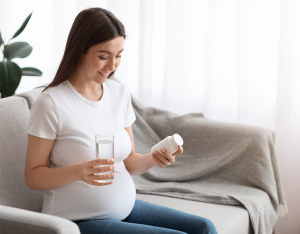
Woman holding prenatal vitamins - Prega Hope

Folate

This B vitamin is crucial for DNA synthesis, red blood cell production, and foetal development. Folate supplementation becomes necessary for women who don’t consume enough folate rich-foods.

Iron

Iron is crucial for oxygen transport & healthy development of your baby & the placenta. The need for iron increases significantly during pregnancy, as maternal blood volume increases by 45 per cent.

Vitamin D

Vitamin D is crucial for immune function, bone health & cell division. This deficiency during pregnancy has links to an increased risk of caesarean section, preeclampsia, preterm birth, and gestational diabetes.

Magnesium

Magnesium plays a vital role in immune, muscle, & nerve functions. Magnesium deficiency during pregnancy may increase the risk of chronic hypertension & premature labour. Supplementing with magnesium may reduce the risk of pregnancy complications like preterm birth. 

Choline

Choline is instrumental in the early development of your child’s brain & helps prevent abnormalities of the brain and spine.

Woman saying no to unnecessary supplements during pregnancy

Supplements to avoid during pregnancy

While supplementing with some micronutrients and herbs is safe for pregnant women, many of these supplements should be avoided altogether. They include;

      Vitamin A

      Vitamin E

      Black cohosh

      Goldenseal

      Dong Quai

      Yohimbe

 FAQs

What is the most important supplement during pregnancy?

All nutrients are important, but there are six crucial ones that play a key role in your baby’s growth and development during pregnancy, namely folic acid, iron, calcium, vitamin D, DHA, & iodine.

Which supplement is best for early pregnancy?

In order to grow and develop properly, the cells in your body require folic acid. Folic acid is beneficial before and during early pregnancy in preventing brain and spine defects known as neural tube defects (NTDs).

When should I start taking pregnancy supplements?

You should start consuming pregnancy supplements as soon as possible, as major development happens in the first trimester. The spinal cord & brain are developing, so pregnancy supplements help with that.

In addition to the myths & inaccuracies that revolve around this subject matter, critical information on which supplements are safe & which aren’t varies depending on the pregnancy stage. This can make things feel even more complicated. But don’t panic. We’ve got you covered! The article discusses which supplements are considered safe during pregnancy & which should be avoided.

Additionally, it’s recommended that all pregnant women must take a prenatal vitamin & folic acid supplement. It’s solely advised to fill nutritional gaps & prevent developmental abnormalities at birth like ventricular septal defect, spina bifida, congenital heart disease, etc.

Ensure that you purchase supplements from a reputable brand that has their product evaluated by third party organisations like the Central Drugs Standard Control Organisation (CDSCO).

This certifies that the vitamins adhere to specific standards set by the Ministry of Health & Family Welfare & are generally safe to consume.

If you aren’t iron deficient, you should avoid taking more than the recommended intake of iron as it may have adverse side effects.

If you’ve done your research in this domain/sphere, you would already be aware of the fact that high mercury seafood, alcohol, & cigarettes are off-limits during pregnancy. What’s even more surprising is that some vitamins, minerals, & herbal supplements should be kept at arm’s length.

The ultimate guide to Choosing a best Gynaecologist Doctor with the best qualities

Finding the best gynaecologist near you can be the most reassuring thing you can do before setting foot in the pregnancy phase. Every woman should be cautious and selective while choosing a gynaecologist for pregnancy as it is expected to discuss all the ins & outs of your reproductive health with your gynaecologist, whether they are related to your pregnancy or just a basic question about reproduction. However, it might be difficult to select the best gynaecologist, so you should bear some things in mind. To learn more about what to consider while picking a gynaecologist during pregnancy, read this article

Tips to find the Best Gynecologist

Ask for referrals:
Request recommendations from people you know first, making sure they come highly recommended.

Read reviews:

When you have a few names in mind, check out their Google reviews. Take into account the crucial elements, such as appointments, the working atmosphere, wait times, and employee conduct. It’s not a big concern if there are a few unfavourable reviews among numerous nice ones.

Research Hospital Quality:

Since you will be the one visiting the hospital frequently, you should pick one with a strong reputation. Patients at top-rated hospitals have a lower risk of problems.

These are a few pointers that you need to consider before starting the search for your gynaecologist. Now that we know the ‘how’, let’s look at the ‘why’

Reasons to see a gynaecologist

Bleeding:

Early pregnancy bleeding is typically normal. However, if it’s accompanied by cramping, it can be a sign of something more serious. In case of emergency bleeding, it is suggested to consult your gynaecologist immediately.

Severe Headache: 

Consult your gynaecologist if you have a severe headache, especially one that is accompanied by dizziness. These symptoms may occur because of dehydration, hence, it is suggested to maintain adequate fluids to have a balanced diet.

Excessive Vomiting

Morning sickness, nausea, and vomiting are common pregnancy symptoms experienced by a majority of women. However, if vomiting is accompanied by fever and pain, it may be a sign of something serious, hence, do consult your gynaecologist ogy on an immediate basis. 

Decreased Fetal Movement

It is advised to monitor your baby’s movements multiple times a day. Do not hesitate to consult your gynaecologist if you are unable to feel any movement.

Postpartum care:

You might think it’s time to stop seeing your gynaecologist after your child is born, but that’s not how things work. Gynaecologists are the ones who can respond to your inquiries and especially if you require post-natal or postpartum guidance.

Hence, above mentioned pointers answer, why should you consult a gynaecologist for pregnancy. This brings us to the part where we cover what to consider when looking for a gynaecologist

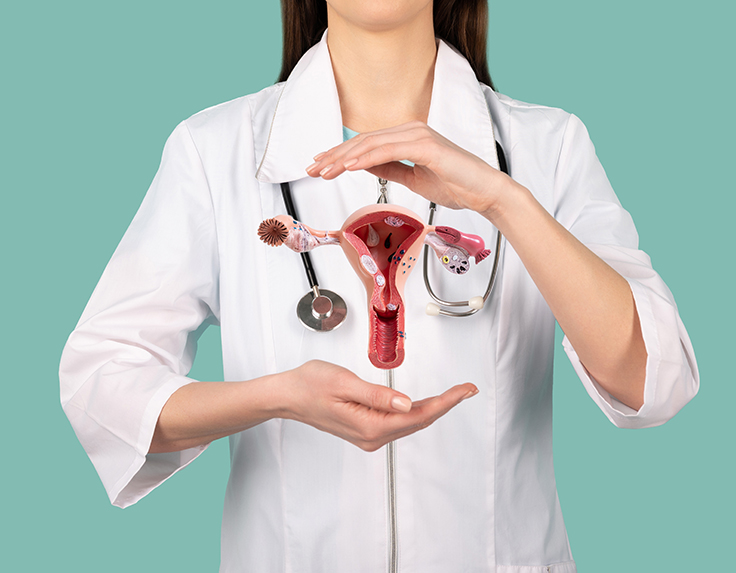
Best Gynaecologist addressing the issues of pregnant woman

Things to look for when searching for a Gynecologist

Friendly and Affectionate

The gynaecologist should be approachable and willing to address any queries you may have. You’re more inclined to discuss your issues with your doctor when you feel at ease. 

Good Reputation

You have to be particular about the standards of the doctor you choose because you will be disclosing some private information with them regarding your body and general health.

Distance

Gynaecologists should be near your house, this comes in handy in case of emergency. When you are in your third trimester, going into labour will be considerably simpler with a gynaecologist nearby. 

Easy Availability

You should also consider the selected gynaecologist’s availability in order to reach them or contact them during an emergency.

FAQs

What problems does a gynaecologist treat?

A gynaecologist is a medical professional who specialises in the female reproductive system. They deal with a variety of concerns, including high-risk pregnancies, problems with fertility, hormonal imbalances, issues with labour-delivery, typical problems during pregnancy and many others. If you experience any strange symptoms during your pregnancy, we advise that you speak with your gynaecologist.

Why would you need to see a gynaecologist?

While you’re pregnant, it is advised to visit your gynaecologist so that they can assist in monitoring your health and ensure that everything is going well. When you’re pregnant, you might need to visit a gynaecologist for the following reasons:

  • To confirm your pregnancy
  • To discuss prenatal care & necessities
  • To receive an ultrasound and other prenatal tests

What questions should you ask a gynaecologist?

There can be a variety of questions based on the situation. In case of emergencies, many serious and medical questions will be asked, however, when everything is normal you should ask the below questions that will keep you aware throughout the pregnancy.

  • What is the best diet for pregnant women? 
  • What are the foods to avoid during pregnancy?
  • What exercises can I do during my pregnancy? 
  • Are my prescription medications safe to continue during pregnancy?
  • How can I relieve my pregnancy symptoms (fatigue, morning sickness)?
  • When should I start sleeping on my side?

The list of questions may continue but it is always advised to consult your gynaecologist in case of doubts or queries during your pregnancy.

Conclusion

An essential element of your healthcare during your pregnancy is your gynaecologist. It is advised to choose a trusted professional with experience as they will oversee a sizable portion of your treatment and see you for regular check ups. You should be picky about a few characteristics while selecting a gynaecologist if you want to receive the best service. An effective gynaecologist should be knowledgeable and make you feel at ease and secure. Finding the ideal gynaecologist for you can be aided by getting recommendations and being aware of the correct things to ask. To conclude, it is advised to keep the above-shared points in mind when searching for your ideal gynaecologist

10 Things to do for a safe pregnancy and a healthy baby

Every woman and couple, for that matter, experiences a heartwarming moment when they receive their good news of pregnancy. From then onwards, it becomes crucial to take care of yourself in order to have a safe pregnancy and a healthy baby. Hence, it is always advised to stay connected with your gynaecologist to determine what will work best for your pregnancy. However, here in this blog, we will unwrap the things that needs to be done for a safe pregnancy and a healthy baby.

How to maintain a healthy lifestyle during pregnancy


A healthy lifestyle is important for you and your baby. Below are some tips that will help you to maintain a healthy lifestyle:

  1. Take prenatal vitamins: You should start taking prenatal vitamins as soon as you know you’re pregnant. They help in maintaining a healthy lifestyle and provides nourishment to your baby as well.
  2. Exercise regularly: Being active can reduce stress, it helps in improving blood circulation, and boosts your mood as well. It is suggested to aim for at least a minimum of 15 to 30 minutes of exercise every day but make sure you don’t overdo it.
  3. Eliminate Toxins: The first and most important thing you should do while pregnant is to stop using toxic substances like tobacco, alcohol, and even nail polish remover as they are bad for your baby.
  4. Focus on healthy eating: Limit your intake of processed and junk food because they are bad for you and your baby. However, grain, fruit, and vegetable should be among the main ingredients of your meals.
  5. Manage your stress: Due to hormonal changes, you may have a tendency to feel stressed and emotionally charged while pregnant. Making the above-discussed lifestyle modifications will help you reduce your stress.
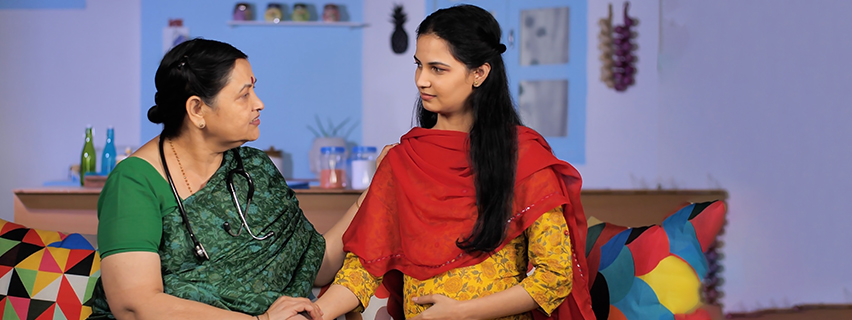
Doctor explaining a pregnancy safety guidelines for healthy baby


Things you need to consult fromyour gynaecologist during your pregnancy

Throughout your pregnancy, there are numerous issues that you should discuss with your gynaecologist. Some of the most crucial are listed below:

  1. Health history: For your gynaecologist to fully understand any potential hazards of your pregnancy, your health history is crucial. Hence, it is suggested to let your gynaecologist know about your health history.
  2. Lifestyle: This aids your gynaecologist in comprehending your lifestyle and way of life. Diet, exercise, and alcohol use are just a few factors that can affect your pregnancy.
  3. Weight Management:During your pregnancy, you should try to gain a healthy amount of weight. Therefore, it’s crucial to check in with your gynaecologist to track your weight gain and make sure you’re on the right road.
  4. Stages of pregnancy: Understanding how your body responds to each stage of pregnancy will be useful. Knowing the emotions and sentiments that could change during pregnancy is also beneficial.

FAQs

How can I keep my baby safe in early pregnancy?

There are several things you can do to keep your baby safe in early pregnancy. First, it is important to avoid any activities that could put you at risk of falling or being injured as it will cause harm to you or your baby. Second, you should avoid alcohol, tobacco, and drugs as these substances can harm your baby’s development. Finally, it is important to eat a healthy diet and get plenty of rest. By following these tips, you can keep your baby safe during early pregnancy.

What are the most important things to do while pregnant?

Many things are important to do while pregnant, but some of the most important things include:

  1. Eating a healthy diet: Eating a healthy diet is important for both you and your baby. Make sure to eat plenty of fruits, vegetables, and whole grains. Avoid processed foods and sugary drinks.
  2. Getting regular exercise: Exercise is important for your overall health during your pregnancy. It can help in improving your mood, reduce stress, and increase energy levels.
  3. Getting enough sleep: Sleep is essential for you as well as your baby’s health. Sleeping in time helps you to gain energy for the next day.

How to taking care of yourself and your baby during pregnancy time?

Pregnancy is an exciting time for everyone, and it’s important to take care of yourself and your baby during this special time.

  • Focus on eating well
  • Take your vitamins
  • Exercise regularly
  • Get proper rest
  • Say no to alcohol
  • Limit your caffeine intake
  • Manage stress

Conclusion

There are many things that expectant mothers can do to ensure a safe pregnancy and a healthy baby. First and foremost, it is important to consult your gynaecologist regularly throughout the pregnancy to receive proper guidance. Additionally, pregnant women should eat a nutritious diet, get regular exercise, avoid harmful substances, and get adequate rest. By following these simple tips, expectant mothers can improve their chances of having a safe and healthy pregnancy.

5 Ways Your Second Pregnancy May Be Different From Your First

Pregnancy 1 vs Pregnancy 2:

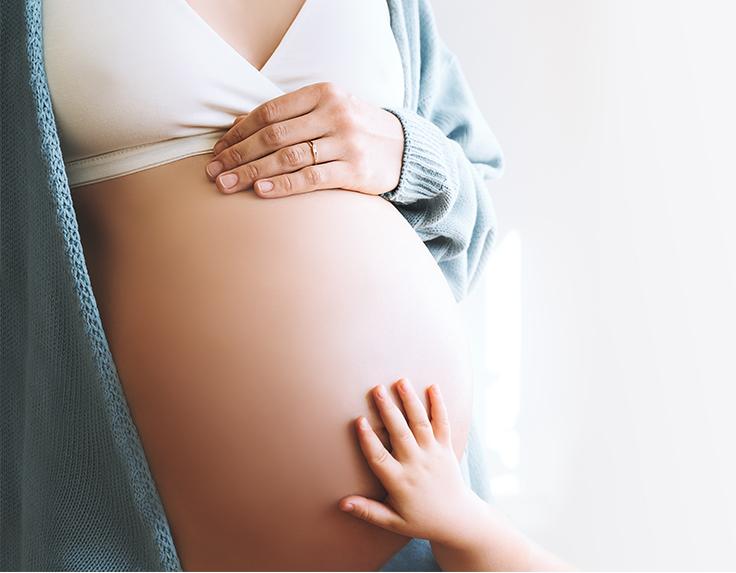
Mother Preparing for second pregnancy after the first pregnancy

You need to brace yourself for a new set of pregnancy symptoms that you didn’t see the first time. There may be several first and second pregnancy differences.  Expecting mothers may have severe morning sickness during the first but have no such symptoms during the second.

Physical Symptoms.

The physical manifestations of pregnancy, such as the feelings of heaviness, fullness, and contractions, tend to appear roughly a month earlier in a second pregnancy than they did in the first. This is due to the uterus and ligaments stretching before, but it is also due to your heightened awareness of the sensations. While this may sound painful, other benefits include detecting your baby’s fetal movements roughly a month earlier.

Exhaustion Levels.

Many women report that their exhaustion levels increase with each subsequent pregnancy. Few studies have been conducted on the topic, and the results are contradictory: some find that women are substantially more exhausted the second time around, while others find the opposite.

The Degree of Discomfort.

Your abdominal and uterine muscles will be loosened because they stretch during your first pregnancy. In other words, they don’t have the same degree of ‘staying power’ and your bump will appear much earlier than the first time around. This can also result in pelvic discomfort, which will necessitate more frequent trips to the bathroom to empty your bladder.

Stretch Marks.

It’s also possible to have stretch marks during your second pregnancy or see them return because you may carry your baby lower than you did the first time. If you want to reduce the visibility of stretch marks and reveal restored, revitalized, and visibly smoother skin, use a cream or moisturizer daily This will reduce the likelihood of stretch marks appearing during pregnancy.

The Silver Lining 

Many women who have once given birth are more alert to and likely to notice the early indications of pregnancy a second time around. The good news is that common discomforts like nausea and breast pain may be less acute the second time around. Whether it is your first or second, every pregnancy is unique in its own way. PregaNews will bring you the good news each time and you can journey your way through nine months to add a new member to your family.

Self-Care Ideas After Miscarriage

A miscarriage can affect you in profound and lasting ways. It can affect your relationship with your partner, family, close friends and even yourself. During this period, you need a lot of support to move on with your life and begin the physical and emotional healing process. The most important thing that can ease your pain after an early miscarriage is the affection and understanding of those around you.

When you and your loved ones are prepared for the possible emotional and relational complexities that may follow a miscarriage, then you are better prepared to handle the pain and move closer to holistic recovery in all aspects.

Sleep.

Sleep is a powerful curative force, so make sure you get plenty of it. Sleep as much as possible in the first week, especially in the first 24 hours. Drinking warm milk or doing some light stretching before bed may help you fall asleep.

Communicate.

When you’re ready, talk to someone you trust about how you’re feeling and what you need. This might be your partner, friend, family member or a professional.

Medication.

Abdominal cramping and pain are frequent – especially in the first several days. Before using any pain medication, it’s best to talk to your doctor. Seek medical assistance if the pain worsens over time.

Hygiene.

Practice good hygiene by showering regularly throughout the first week to keep infections at bay. It will help if you use pads instead of tampons because your period won’t end for another week. The second week of possible spotting is possible after the first

Be Kind to Yourself.

Whatever the time frame, a loss is a loss. Be patient, and understand that this is a method. It’s not easy to bring up, and you may feel like you have no idea what to do. Treat yourself gently and think about what you need right now. Feel good by indulging in activities you enjoy, such as cooking your favorite meals or getting a massage.

Drop the Shame.

Most women who have a miscarriage also feel guilty and blame themselves for the tragedy. Feeling guilty is detrimental to one’s sense of self-worth. Guilt is a common emotion, but you should try to put it behind you.

Seek Professional Help.

Consulting a therapist or a grief counselor can assist you in developing strategies for dealing with the triggers and the emotions brought on by your loss.

Those who have experienced a miscarriage should know their emotions will change over time. Nobody can predict how long it will take to process their feelings, so it’s best not to set a target date for when you should “feel better.” Don’t rush things, and don’t be hard on yourself.

Prepare for the Future.

After experiencing a miscarriage, many women are eager to get pregnant again as soon as possible. If that is what you want, have a strategy in place. Discuss your options with your doctor, including when you can start trying again and how you will proceed. This may give you renewed faith in the future and a feeling of closure.

Keep Your Partner Close.

It’s normal to isolate yourself during times of sadness, even from your partner. However, experts warn that this can make it more difficult to heal from a miscarriage. Instead, open up to your partner and share what’s on your mind. Plans for the future should be discussed, and it should be recognized that the mother is not the only one affected by the loss. Fathers grieve too but in a different way and may not express it openly. It is best to share grief and use the opportunity to connect better with one another.

FAQs:

Why do some pregnancies end in miscarriage?

Half of all miscarriages in the first trimester (up to 13 weeks) are due to chromosomal abnormalities. Chromosomes are tiny structures inside the cells of your body that carry your genes. All a person’s physical characteristics are predetermined at birth by their genes. This includes sex, eye, hair colour, and even blood type.

After a miscarriage, what should one do and not do?

    Many women experience severe headaches following a miscarriage; trying a hot or cold compress may help alleviate these symptoms. A hot or cold compress applied to the head can help relieve pain. You’ll feel better immediately after using a hot or cold compress.

    Check your temperature daily for the first five days following a miscarriage. Having a temperature above 99.7 degrees indicates an infection. Therefore, it’s essential to see a doctor if it persists.

    Wait until you have had at least one menstrual cycle before trying to conceive.

A miscarriage can be traumatic for parents to be and time can be the only healing factor to overcome the grief and move on with life.

Tips For Recovery After A Difficult Labour/Pregnancy

The postpartum period, which follows the delivery, is associated with many new signs and concerns.

After what felt like an eternity (40 weeks) of pregnancy and countless hours of labor, you are now a mother. Congratulations! After months of planning and preparation, you’ve welcomed your little bundle of joy and now begins the process of returning back to normalcy after the pregnancy.

You might not feel 100% when it comes to your body and your hormone levels may also be a bit erratic. But don’t give in to the frustration and remember that your body is not privy to your schedule or goals. Your best bet is to take some time off, pamper yourself and eat well.

When does childbirth become challenging?

Birth difficulties, such as an aided delivery, perineal tears, or inadequate pain relief throughout labour, can be highly stressful for the mother and infant. Nonetheless, some women give birth ‘normally’ but experience emotional discomfort. It’s also possible for two people to share the same experience but react very differently to it.

Whatever may be the reason, you need to remember that you are not alone if you suffer anxiety about giving birth. Many other parents can relate to this. The doctors and nurses at your facility will be able to help you.

Doctor holding women hand & Assisting after difficult labour and pregnancy


The Body: What to Anticipate?

It’s essential to tune into your body for the first six weeks. Although you will be exhausted and preoccupied with your new baby, it is necessary to pay attention to the changes in your body.

Stay away from the urge to overdo it when your health improves. You may slow your recovery if you try to accomplish too much too soon. Focus on getting adequate rest, hydrating well and follow a healthy diet. If you’ve had a cesarean section then you should expect to have more limitations placed on your daily activities for the first few weeks after giving birth, which includes doing any kind of strenuous physical activity.

What to expect throughout your postpartum recovery?

    Breast pain- You may have painful engorgement and sensitive nipples when your milk comes in for several days. 

    Constipation- Acute Hemorrhoids, healed episiotomies and tight muscles can make the first bowel movement after birth a painful experience. 

    Episiotomy- Your ability to sit or walk may be temporarily impaired by the discomfort caused by the stitches in your perineum (the skin between the vagina and the anus) if it was cut by your doctor or ripped during birth. During the recovery period, it may also hurt to cough or sneeze.

    Hot and Cold Flashes – When your body adjusts to a change in hormone and blood flow levels, it might throw off your internal thermostat. 

    Defecation or urinary incontinence-Suppose you had long labour before giving birth vaginally. In that case, the straining of your muscles at the time of delivery might make it challenging to regulate your bowel movements or cause you to leak urine when you laugh, cough or strain. 

    Vaginal discharge (lochia) – The vaginal discharge will be heavier than your period and may contain clots initially, but it will lighten to white or yellow and stop within a few weeks. 

    Weight – You are likely to lose 6–9 Kg of water weight in the first week after giving birth as your body regains equilibrium from carrying a baby, a placenta and amniotic fluid

    Hormonal Fluctuations – Many pregnant women have hair loss because of hormonal shifts. Things will return to normal soon. Your hair’s natural thickness will return once your estrogen levels are normal.

Woman is crying

How to recuperate?

Try Kegel Exercises.

Regular Kegel exercises strengthen your pelvic floor, allowing you to enjoy giggling without worrying about wetting your trousers. Boosting vaginal muscular tone aids in the maintenance of urinary continence and enhances the enjoyment of sexual activity. When the sphincter muscles are strong, you won’t have to worry about an unexpected bowel movement. Consult your doctor before starting.

Lessen Discomfort.

The perineum needs your assistance in healing. For the first 24 hours after giving birth, icing your perineum every two hours is recommended. Before and after you urinate, spray the area with warm water to prevent urine from aggravating the wound. Take warm sitz baths for 20 minutes daily. If you can, try to avoid prolonged periods of standing or sitting, and try to sleep on your side.

C-section Care.

Once a day, gently wash your C-section wound with soap and water. Apply antibiotic ointment after drying the damage with a clean towel. Consult your doctor if you’re unsure whether to keep the wound covered or open. Until your doctor gives you the go-light, you should hold off on strenuous exercise.

Stay Physically Active.

Whether you gave birth vaginally or via cesarean section, you shouldn’t engage in strenuous exercise for at least the first several weeks after giving birth. However, after consulting with your doctor, you can take small walks and strolls. Walking aids digestion, relieves constipation, increases circulation and promotes healing.

Sleep To Heal.

Sleep is critical to your physical and emotional health and can aid you in coping with the challenges of parenting. Try to get some rest when your baby does.

Follow your doctor’s advice, have the right diet and keep yourself physically and emotionally fit to enjoy the beautiful journey of parenthood. 

Other
Mankind Brands

Other Mankind Brand - Acne Star
Other Mankind Brand - Gas-o-fast
Other Mankind Brand - HealthOk
Other Mankind Brand - EPIC
Other Mankind Brand - Manforce