









Uncategorized Archives - Page 2 of 6 - Prega News | Pregnancy Test | Pregnancy Test at Home | Pregnancy Test Kit

Understanding Chemical Pregnancy: Early Miscarriages Explained

The early days of pregnancy are often filled with a mix of excitement, nervousness, and anticipation. Those two pink lines on a pregnancy test can bring immense joy, but sometimes that joy fades just as quickly as it appeared. When an early positive test is followed by bleeding or a sudden negative result a few days later, many women find themselves confused and heartbroken. This early loss, often happening before an ultrasound can even detect the pregnancy, is known as a chemical pregnancy.

What is a Bio – Chemical Pregnancy?

In medical terms, a chemical pregnancy refers to an early miscarriage that happens shortly after implantation. It is called “chemical” because the pregnancy is only detected through biochemical means, namely, the hormone hCG (human chorionic gonadotropin), rather than through ultrasound or physical symptoms.

In a typical conception, a fertilised egg travels down the fallopian tube and implants itself into the uterine lining. This triggers the release of hCG, which is what pregnancy tests detect. In a chemical pregnancy, the implantation process starts but does not progress properly. The embryo stops developing very early, and hCG levels drop rapidly. This decline results in what seems like a slightly delayed or heavier period, often before the woman even realises she’s pregnant.

To simplify, the meaning of chemical pregnancy is that conception did occur, but the pregnancy did not continue long enough to be clinically confirmed. It is an early miscarriage, not a false positive test, and it does not mean there is a problem with your ability to conceive. Many women go on to have healthy pregnancies after experiencing one.

Also Read – Evaporation line on a pregnancy test

What Causes a Chemical Pregnancy?

There is not a single cause for chemical pregnancies they result from multiple natural and physiological factors. Here are some of the most common causes explained in detail:

1. Chromosomal Abnormalities

The leading cause of a chemical pregnancy is chromosomal abnormality. This happens when the egg or sperm carries an incorrect number of chromosomes, leading to an embryo that cannot develop normally. It is nature is way of ensuring that only genetically healthy embryos continue to grow. In most cases, this is a random event and not something that repeats.

2. Hormonal Imbalances

Low progesterone or irregular hormonal fluctuations can make it difficult for an embryo to implant or sustain early growth. Hormonal imbalance may lead to an unstable uterine lining that cannot support implantation, causing the pregnancy to end very early.

3. Implantation Issues

Sometimes, the fertilised egg fails to implant properly in the uterus. This could happen due to conditions like a thin endometrial lining, uterine fibroids, or inflammation. When implantation is not secure, the embryo cannot receive the nourishment it needs, leading to a very early miscarriage.

4. Autoimmune or Immunological Factors

In some cases, the immune system mistakenly identifies the embryo as a foreign object and attacks it. Conditions such as autoimmune disorders or antiphospholipid syndrome can trigger this type of immune response, disrupting the implantation process.

What Are the Symptoms of a Chemical Pregnancy?

The symptoms of chemical pregnancy often mimic a regular menstrual cycle, which is why many women never realise they experienced one. However, there are a few subtle differences to note:

  • You have a positive pregnancy test, but then you get your period.
  • Your period comes about a week later than usual.
  • Positive pregnancy test followed by a negative one a few weeks later
  • Bleeding: heavier than usual, a few days after a missed period is common. It might resemble a heavier period but can occur slightly later than expected.
  • More intense menstrual cramps
  • No significant pregnancy symptoms: Since the pregnancy ends so early, symptoms like nausea, fatigue, or breast tenderness may not fully develop.

In short, the symptoms include short-lived positive pregnancy results, heavier bleeding, and mild discomfort. While the experience can be emotionally upsetting, medically it is usually not harmful and does not indicate long-term.

Also Read – Home Pregnancy Test

Diagnosis and When to Consult a Doctor

A doctor can confirm a chemical pregnancy through a combination of blood tests and ultrasound scans. Blood tests track the level of hCG; if it drops rapidly over a few days, it confirms that implantation did not continue. In most cases, the body resolves the miscarriage naturally without the need for medical intervention.

You should consult a gynaecologist if you experience repeated early miscarriages or have irregular cycles afterwards. Your doctor might recommend hormonal tests, thyroid checks, or ultrasound scans to ensure everything is functioning well.

For future planning, maintaining a healthy lifestyle and managing stress can go a long way in improving fertility and reducing the risk of another early loss.

Can You Get Pregnant After a Chemical Pregnancy?

The short answer is yes, absolutely. Having a chemical pregnancy does not mean you are infertile or that something is wrong with your reproductive system. In fact, many women go on to conceive successfully in the next few cycles.

Since the miscarriage happens very early, the body typically recovers quickly. Ovulation may resume within two to four weeks, making it possible to try again soon after if you feel emotionally ready. It is always a good idea to discuss timing with your doctor, especially if you have had more than one chemical pregnancy.

This experience can be emotionally challenging, but medically, it often shows that fertilisation and early conception are happening, a sign that pregnancy is possible and likely to succeed next time with proper care.

Frequently Asked Questions – Chemical Pregnancy

Q.1 How early can a chemical pregnancy occur?

A chemical pregnancy usually occurs within the first five weeks after conception, often before an ultrasound can confirm the pregnancy.

Q.2 Can stress cause a chemical pregnancy?

Stress alone does not directly cause it, but chronic stress can influence hormones that affect early pregnancy stability.

Q.3 How long does bleeding last after a chemical pregnancy?

Bleeding typically lasts 3–7 days, similar to a period, though it may be slightly heavier than usual.

Q.4 Can I try to conceive right after a chemical pregnancy?

Yes, most doctors say you can try again after your next menstrual cycle, once your body and emotions have had time to recover.

Q.5 Do chemical pregnancies show on home tests?

Yes, they often result in a faint positive pregnancy test before hCG levels drop, leading to a negative result a few weeks later.

Pregnancy Workouts – Before and After Pregnancy

Pregnancy brings about one of the most transformative phases in a woman’s life, physically, mentally, and emotionally. While the body nurtures new life, it also undergoes profound changes that require care, balance, and movement. Staying active through pregnancy workouts can be one of the healthiest choices you make during this time. Contrary to the myth that pregnant women should avoid physical activity, research consistently shows that appropriate pregnancy-safe workouts not only strengthen the body but also support smoother labour, faster recovery, and emotional well-being.

Similarly, after your baby arrives, fitness is crucial for helping your body heal and rebuild strength. It is not about “getting your body back,” it is about feeling energised, confident, and strong again. If you are planning for pregnancy, currently expecting, or navigating the postpartum period, having a thoughtful pregnancy workout plan can make all the difference.

Here is a list of the best workouts before and after pregnancy to adapt your exercise routine through every stage of motherhood.

Fitness Before Pregnancy: Preparing the Body for a Healthy Journey

The journey to motherhood begins long before conception. Building a strong foundation through fitness before pregnancy helps prepare your body for the physical demands ahead. Pre-pregnancy fitness enhances stamina, supports hormonal balance, and promotes a healthy weight, all of which contribute to easier conception and a healthier pregnancy.

1. Focus on Core Strength

A strong core supports the spine and reduces strain on your back as your belly grows. Pilates, yoga, and planks, with proper guidance, are excellent for developing core stability. Strengthening the abdominal and pelvic muscles early on also aids in postpartum recovery.

2. Build Cardiovascular Endurance

Cardio exercises like brisk walking, cycling, or swimming help improve stamina, something you will need during labour and delivery. Engaging in 30 minutes of moderate cardio most days can make your body more resilient to upcoming changes.

3. Balance and Flexibility Work

Pregnancy shifts your centre of gravity. Including balance-focused movements like single-leg stands or light yoga helps prevent falls later. Flexibility routines improve joint mobility and prepare the body for carrying extra weight comfortably.

4. Establish a Sustainable Routine

It is tempting to push hard before pregnancy, but consistency matters more than intensity. A manageable pregnancy workout plan before conception ensures you can easily adapt it once you are expecting, avoiding sudden disruptions or fatigue.

Pregnancy Workouts: Staying Active the Safe Way

Once pregnant, exercise becomes less about performance and more about mindful movement. The key is choosing pregnancy-safe workouts that strengthen the body without straining it. Always consult your healthcare provider before starting or continuing any workout routine.

1. Walking: The Simplest and Safest Workout

Walking remains one of the easiest and most effective forms of pregnancy fitness. It improves blood circulation, keeps weight gain in check, and uplifts mood. Even a 20–30 minute walk each day helps maintain cardiovascular health without overexertion.

2. Prenatal Yoga

Yoga promotes flexibility, reduces stress, and eases pregnancy-related discomfort. Focus on gentle poses and breathing exercises that calm the mind while strengthening the body. Avoid lying flat on your back or deep twists during the second and third trimesters.

3. Swimming and Water Workouts

Water supports your weight and relieves joint pressure, making swimming an ideal pregnancy safe workout. It enhances stamina, tones muscles, and helps reduce swelling in the legs. Aqua aerobics is another great low-impact option for expecting mothers.

4. Pelvic Floor Exercises

Strengthening pelvic floor muscles supports bladder control and prepares the body for labour. Kegel exercises, short muscle contractions done throughout the day, are highly effective and can be performed anytime, anywhere.

5. Light Strength Training

Strength training with light weights or resistance bands helps maintain muscle tone and improve posture. Focus on controlled movements, squats, wall push-ups, and seated rows, are excellent examples of safe resistance exercises during pregnancy.

6. Stretching and Mobility Work

Daily stretching keeps muscles supple, reduces cramps, and relieves tension. Stretching the hips, back, and calves improves flexibility and circulation, promoting comfort as your belly grows.

7. Breathing and Relaxation Practices

Incorporate deep breathing techniques to prepare for labour and reduce anxiety. Controlled breathing improves oxygen flow, helping both mother and baby. It also enhances focus during contractions and encourages better sleep.

Also Read – Few exercises that may help you deal with stress during pregnancy

Pregnancy Workout Plan: Building a Safe Routine

A well-structured pregnancy workout plan combines strength, mobility, and relaxation. Here s a simple weekly framework:

  • 3–4 days of light cardio like walking or swimming.
  • 2 days of strength training with light weights or bodyweight exercises.
  • 1–2 days of yoga or stretching for flexibility and balance.
  • Daily pelvic floor exercises for support.

Always listen to your body, rest when needed, stay hydrated, and avoid overheating. Remember, the goal is not performance, but progress and comfort.

Fitness After Pregnancy: The Path to Recovery

Postpartum recovery is a deeply personal process. Regardless of whether you have delivered vaginally or via C-section, it takes time for your body to heal. Starting a postpartum workout plan too early or without guidance can delay recovery, so always wait for your doctor’s approval, usually around 6–8 weeks postpartum.

1. Start with Gentle Movements

Begin with light stretches, walking, and deep breathing. Focus on rebuilding pelvic floor strength before attempting more intensive exercises. These movements stimulate blood flow, ease stiffness, and gently reawaken your muscles.

2. Rebuild Core Strength Gradually

Pregnancy stretches abdominal muscles, sometimes causing separation. Start with safe core reactivation moves like pelvic tilts and heel slides. Avoid crunches or planks until cleared by your doctor.

3. Prioritise Pelvic Floor Health

Continuing Kegel exercises after delivery is essential. They strengthen muscles weakened by childbirth and improve bladder control. Gradually increase intensity as your recovery progresses.

4. Incorporate Low-Impact Cardio

Walking and swimming are excellent for early postpartum fitness. They boost energy levels, improve circulation, and elevate mood without straining healing tissues.

5. Strength Training When Ready

Once cleared, add light resistance exercises to your fitness after pregnancy plan. Focus on full-body workouts that improve posture and stability, like squats, modified push-ups, or seated dumbbell lifts.

6. Stay Mindful of Energy Levels

Sleep deprivation, breastfeeding, and hormonal shifts can impact stamina. Listen to your body and avoid pushing yourself too hard. Gentle consistency always beats overexertion in a postpartum workout plan.

7. Nutrition and Hydration Matter

Recovery is incomplete without proper nutrition. Pair your workouts with a balanced diet rich in protein, healthy fats, and hydration. This fuels your body and supports milk production if you are breastfeeding.

Pregnancy Fitness: The Long-Term Perspective

Pregnancy fitness is not just about one phase; it is a continuum that stretches before, during, and after pregnancy. Consistent movement strengthens not only the body but also the mind, helping mothers manage stress, build endurance, and adapt to new routines.

Staying active enhances posture, supports metabolism, and reduces common pregnancy discomforts like back pain and swelling. More importantly, it sets the stage for a smoother postpartum recovery. A sustainable fitness journey allows mothers to feel empowered, confident, and connected to their bodies at every stage of motherhood.

Pregnancy is a time of incredible change, and movement can make it both healthier and more fulfilling. A well-balanced pregnancy workout plan or postpartum workout plan does not just shape your body; it nurtures your mind and spirit. It is important to trust the process and remember that fitness through motherhood is not about perfection; it is about feeling strong, supported, and in tune with your journey.

Frequently Asked Questions – Pregnancy Fitness

Q.1 Are pregnancy workouts safe in all trimesters?

Most pregnancy-safe workouts are safe throughout all trimesters, provided they are low-impact and approved by your doctor. Modify intensity as your pregnancy progresses.

Q. 2 Can I start exercising if I was not active before pregnancy?

Yes, but start slow. Begin with walking or prenatal yoga, then gradually increase intensity under supervision.

Q. 3 When can I start fitness after pregnancy?

Usually, around 6–8 weeks postpartum, once your doctor clears you. Start with light stretches and core activation first.

Q. 4 What are the signs I should stop a pregnancy workout?

Stop immediately if you experience dizziness, vaginal bleeding, contractions, or severe discomfort during exercise. Consult your doctor before continuing.

PMS vs Pregnancy Symptoms – How to Tell the Difference and When to Take a Test

Many women face moments of confusion every month, questioning whether their body’s signals mean their period is coming or if they could be pregnant. The physical and emotional overlap of PMS vs pregnancy symptoms creates uncertainty for countless people hoping to decode their bodies. Understanding the similarities, telling symptoms apart and knowing when to take a pregnancy test is essential for peace of mind.

The Overlap: PMS and Pregnancy Symptoms

Both PMS (premenstrual syndrome) and early pregnancy cause changes in hormones, which can lead to very similar symptoms. Let’s see how PMS and pregnancy symptoms can show up in both situations:

  • Breast tenderness or swelling
  • Mild cramping or discomfort in the lower abdomen
  • Mood swings or irritability
  • Fatigue or sleepiness
  • Changes in appetite or specific food cravings
  • Bloating or water retention
  • Headaches or back pain

With this considerable overlap, it is easy to see why signs of PMS vs pregnancy often confuse.

PMS vs Pregnancy Symptoms: Key Differences

While the majority of PMS vs pregnancy symptoms look alike, subtle differences may point to the true cause:

SymptomPMSPregnancy
TimingStarts 1–2 weeks before period; ends when bleeding beginsStarts 1–2 weeks after conception; persists beyond missed period
Breast changesTenderness improves after period startsTenderness lasts longer; breasts feel fuller and heavier
BleedingNo spotting before period; normal flow during periodLight spotting (implantation bleeding) may occur 6–12 days after conception
Mood swingsMood swings and Irritability resolves after period beginsMood changes can persist throughout pregnancy
NauseaRareCommon (morning sickness), usually starts after missed period
CrampingStrong, persistent before periodMild, sporadic cramps early in pregnancy
Food CravingsShort LivedCan last throughout pregnancy

Pregnancy vs PMS: When to Suspect Pregnancy

Only a pregnancy test can give a definitive answer, but there are subtle signs that may guide you:

  • Unusual or unfamiliar symptoms– compared to your usual PMS pattern
  • Symptoms persist or intensify beyond your normal PMS timeline
  • A missed period — the most common sign
  • You notice spotting, accompanied by other symptoms such as nausea or breast changes

Always remember:

Every woman’s experience is unique. The key distinction is duration:

Pregnancy symptoms tend to last or get stronger, especially after a missed period.

PMS symptoms usually fade once menstruation begins.

PMS vs Early Pregnancy: Spotting the Tell tale Signs

Breast Changes

Both PMS and early pregnancy cause breast tenderness. With PMS, this tenderness is usually a dull ache that subsides once menstruation begins. In early pregnancy, the breasts often feel more swollen and sensitive, with noticeable darkening of the areolas and occasional tingling.

Cramping

Both can cause cramping in the lower abdomen, but there is a difference. PMS cramps are usually stronger and happen right before your period. They get better when you start bleeding. Pregnancy-related cramps are usually milder and more persistent, often caused by the embryo implanting in the uterine lining.

Bleeding Patterns

PMS culminates in a regular menstrual period with typical flow. In contrast, early pregnancy may cause implantation bleeding, light pink/brown discharge short-lived spotting that is usually much lighter than a normal period.

Nausea

Nausea is rare with PMS but commonly seen in pregnancy. Morning sickness, which may include vomiting, can begin as early as the first week after conception.

Mood Swings

Mood swings happen during both PMS and pregnancy, but they are different in how strong and long they last. Mood changes related to PMS usually get worse before menstruation and get better once bleeding starts. Pregnancy hormones can make mood swings in the first trimester more severe and last longer.

Appetite and Cravings

Both states can cause changes in appetite and cravings. PMS often causes increased hunger and specific food cravings, while pregnancy might lead to both cravings and aversions, with some women experiencing a metallic taste or loss of appetite.

Fatigue

Fatigue is common in PMS but usually temporary. Pregnancy fatigue tends to be more intense and ongoing, influenced by increased progesterone levels supporting early pregnancy.

In PMS vs early pregnancy, these nuanced differences, combined with menstrual tracking and observation, can guide you towards the answer.​

When to Take a Pregnancy Test

If you are unsure whether you are experiencing PMS or pregnancy symptoms, a home pregnancy test is the most reliable way to determine the cause. Here is how to time your test for maximum accuracy:

  • Wait until the first day after your missed period. Most tests are accurate at this stage.
  • If you have irregular periods, take the test at least 21 days after unprotected sex.​
  • Testing too soon can yield a false negative if hCG hormone levels are too low to detect.

Use morning’s first urine, which is most concentrated, to boost accuracy in early pregnancy.
If you receive a negative result but still suspect you are pregnant, repeat the test a few days later. Persistently negative tests with ongoing symptoms warrant a visit to your healthcare provider. Most home pregnancy tests can accurately detect pregnancy hormone (hCG) levels starting from the first day of a missed period, which is generally about two weeks after ovulation. Testing too early may result in a false negative because hCG levels might still be too low to detect. For the highest accuracy, it is recommended to use the test with the first-morning urine since it contains the most concentrated hCG.

Key Takeaways: How to Tell the Difference

  • Timing is critical: If symptoms persist after your period is due, time to consider pregnancy as a possibility.
  • Bleeding pattern matters: PMS typically leads to a regular menstrual period; pregnancy may cause light, brief spotting.
  • Symptom duration and intensity: PMS symptoms end with menstruation; pregnancy symptoms linger or intensify.
  • Nausea and urination: Much more common and pronounced in early pregnancy.
  • Always confirm with a test: When in doubt, take a pregnancy test and consult your doctor if uncertainty continues.

Frequently Asked Questions – PMS vs Pregnancy Symptoms

Q.1 What are the main signs of PMS vs pregnancy?

Both can cause breast tenderness, cramping, mood swings and fatigue. However, missed periods, intense nausea, and persistent breast changes more strongly suggest pregnancy.​

Q.2 Can PMS and pregnancy symptoms occur at the same time?

Yes, especially early in pregnancy before a positive test. Many women still experience PMS-like signs even after conception.

Q.3 Is spotting a period or a sign of pregnancy?

Implantation bleeding (light, pink/brown brief spotting) is a classic early sign of pregnancy vs PMS, which usually doesn’t cause spotting before a regular period starts.​

Q.4 When should I take a pregnancy test?

Take a test the first day after a missed period or at least 21 days after unprotected sex if your cycles are irregular. For best accuracy, use first-morning urine.​

Q.5 Can other factors mimic both PMS and pregnancy symptoms?

Stress, hormonal imbalances unrelated to pregnancy and some illnesses can sometimes cause similar symptoms, so always confirm with a test when in doubt.

Q.6 How soon can pregnancy symptoms show up after conception?

Some women notice symptoms as early as a week after conception, but most won’t feel anything until a week or more after their missed period.​ Knowing your body and cycle helps with the tricky task of distinguishing PMS vs pregnancy symptoms; you will become adept at reading patterns over time. Until then, a reliable pregnancy test and a consultation with your healthcare provider are the best ways to put your mind at ease.

Planning a Pregnancy with PCOS: Best Age to Get Pregnant with PCOS

Polycystic Ovary Syndrome (PCOS) affects millions of women worldwide, and one of the most common concerns it brings is infertility or difficulty conceiving. Hormonal imbalances, irregular menstrual cycles and insulin resistance often make it challenging to plan a pregnancy. But with the right approach, timing and care, many women with PCOS go on to conceive naturally and have healthy pregnancies. This article explores the best age to get pregnant with PCOS, along with practical steps to increase your chances of conception.

Understanding PCOS and Fertility

Before discussing the best age to get pregnant with PCOS, it is crucial to understand how PCOS impacts fertility. PCOS is a hormonal disorder where the ovaries produce higher-than-normal amounts of androgens (male hormones), which can interfere with ovulation. Without regular ovulation, it becomes difficult to predict fertile days, which can hinder conception.

However, PCOS does not mean permanent infertility. Many women manage their symptoms through lifestyle changes, medical treatments and holistic therapies, ultimately achieving healthy pregnancies. The key lies in early diagnosis, consistent management and understanding your body s fertility window.

What Is the Best Age to Get Pregnant with PCOS?

When we talk about the best age to get pregnant with PCOS, the answer is similar to the general fertility curve for women; your 20s to early 30s tend to be the most fertile years. Biologically, ovarian reserve and egg quality are highest during this period.

For women with PCOS, this age range is even more crucial because, as you grow older, insulin resistance and metabolic issues can intensify, further impacting ovulation. So, ideally, the best age to get pregnant with PCOS falls between 25 and 32 years. During this phase, your body responds better to fertility treatments or natural interventions and the risk of complications like gestational diabetes is relatively lower.

Still, age is only one factor. A well-managed lifestyle, medical guidance, and stress control often matter just as much as timing when planning a pregnancy with PCOS.

How to Get Pregnant with PCOS Quickly

If you are trying to conceive soon, you may wonder how to get pregnant with PCOS quickly. While there’s no one-size-fits-all solution, several evidence-backed strategies can increase your chances:

  1. Track Your Cycle: Even with irregular periods, ovulation predictor kits or basal body temperature monitoring can help identify potential fertile days.
  2. Maintain a Healthy Weight: Even a 5–10% weight loss can help regulate menstrual cycles and improve ovulation frequency.
  3. Follow a Balanced Diet: Focus on whole grains, lean proteins, healthy fats and fibre. Reducing refined carbs can help manage insulin levels, which play a big role in PCOS-related infertility.
  4. Consult a Fertility Expert: Medications like Clomiphene, Letrozole or Metformin are often prescribed for ovulation induction under medical supervision.

Each step contributes to improving your body’s natural rhythm and increasing the likelihood of conception.

How to Get Pregnant with PCOS Quickly, Naturally

Natural conception is absolutely possible, especially when PCOS symptoms are managed effectively. If you are looking for how to get pregnant with PCOS quickly and naturally, these lifestyle-driven approaches can make a real difference:

  1. Focus on Nutrition: Include foods rich in antioxidants, like berries, nuts, spinach, and avocados, to boost egg quality.
  2. Balance Hormones through Exercise: Moderate workouts such as yoga, Pilates or brisk walking can improve insulin sensitivity and hormone balance.
  3. Reduce Stress: Chronic stress affects hormones like cortisol, which indirectly disrupts ovulation. Mindfulness, therapy, or relaxation exercises can help manage stress.
  4. Sleep Well: Poor sleep can worsen hormonal imbalance, so aim for at least 7–8 hours of quality rest every night.

Consistency in these areas not only improves fertility but also prepares your body for a healthy pregnancy journey.

Factors that Influence the Best Age to Get Pregnant with PCOS

While your 20s are often considered the best age to get pregnant with PCOS, there are other factors to keep in mind:

  • Hormonal Stability: PCOS symptoms like irregular cycles or cystic ovaries may stabilise with treatment, making conception easier at different stages.
  • Metabolic Health: Women with well-managed insulin levels can conceive successfully even in their mid-30s.
  • Medical Support: Access to fertility treatments and personalised healthcare has improved chances for women to conceive beyond the so-called optimal age window.

Thus, while age plays a role, your overall reproductive and metabolic health ultimately determines your fertility potential.

What Age Is Best to Get Pregnant with PCOS?

If you are evaluating what age is best to get pregnant with PCOS, consider both biological and lifestyle factors. Most experts agree that starting earlier, typically between ages 25 and 32, yields the best results. This timeline helps ensure better egg quality, lower pregnancy risks, and higher success rates for natural or assisted conception. However, with proper medical support, many women conceive later as well. Age 35 is often considered the upper threshold where fertility starts to decline gradually, but PCOS management through diet, supplements and medication can extend reproductive wellness.

Maintaining a Fertility-Ready Lifestyle

Preparing your body for conception is one of the smartest things to do when dealing with PCOS. Along with understanding the best age to get pregnant with PCOS, a proactive plan can improve outcomes significantly:

  • Eat Balanced Meals: Prioritise complex carbs (like quinoa, millets), proteins and unsaturated fats.
  • Get Regular Check-ups: Monitor hormone levels like LH, FSH and testosterone regularly.
  • Supplement Wisely: Talk to your doctor about taking folic acid, inositol, vitamin D and omega-3 fatty acids.
  • Limit Caffeine and Sugar: These can impact insulin and hormone balance.
  • Stay Active: Exercise releases endorphins that counteract insulin resistance, one of PCOS’s biggest challenges.

Your overall health directly influences your fertility timeline more than any number on the calendar.

Emotional and Mental Health in PCOS Pregnancy Planning

It can be emotionally draining to deal with PCOS while trying to get pregnant. It is important to remember that everyone reacts differently what works for one woman may take longer for another. Focus on small wins, such as getting your period on time or improving lab results. Having a partner, family member, or counsellor who is there for you can make this journey easier.

Acknowledging your emotions and seeking expert guidance can reduce stress, a key factor that often delays conception in PCOS.

Frequently Asked Questions – Planning a Pregnancy with PCOS

Q.1 What is the best age to get pregnant with PCOS?

Typically, the best age to get pregnant with PCOS is between 25 and 32 years, when egg quality and fertility potential are highest.

Q.2 Can women with PCOS get pregnant naturally?

Yes. Many women with PCOS conceive naturally with lifestyle changes, weight management and proper ovulation tracking.

Q.3 How to get pregnant with PCOS quickly?

To get pregnant with PCOS quickly, focus on balanced nutrition, regular exercise, medical consultation and stress management.

Q.4 At what age is it best to get pregnant with PCOS if you’re undergoing treatment?

With medical management, women can conceive successfully between ages 25 and 35. However, earlier attempts generally show better outcomes.

Q.5 How to get pregnant with PCOS quickly, naturally?

Adopt a whole-food diet, maintain an active lifestyle, manage stress and use natural supplements after consulting your doctor.

Q.6 Does age make PCOS worse?

PCOS symptoms can become harder to manage with age due to metabolic changes, which is why early lifestyle management is key.

Q.7 Can fertility treatments help if age and PCOS are both concerns?

Yes. Treatments like ovulation induction, IVF or IUI can significantly increase your chances of conception even beyond your early 30s.

What to know about an HCG pregnancy test?

A pregnancy test helps to determine if a woman is pregnant. But the pregnancy tests look for a special hormone,i.e, HCG (Human chorionic gonadotropin). It is a special hormone because it is found in the body only when a person is pregnant.

Know all about hCG and pregnancy tests. HCG levels can help you understand your pregnancy journey.

Pregnancy Tests

Right after conception, the body starts producing HCG. The hormone production of HCG increases at a faster rate. HCG is produced in the placenta, the placenta is formed when the embryo attaches to the uterus lining. Implantation of the embryo takes place between 7 – 10 days. Two main types of pregnancy tests can be done: Blood and urine tests.
 
A blood test is done at the clinic where the gynaecologist draws a sample of blood from you, whereas, on the other hand, urine tests are taken at home, where you pee on the pregnancy test. A blood test is more expensive but accurate and can also tell you about the HCG level in the body.

A pregnancy kit can be purchased from the pharmacy and does not need a prescription. Many people go for the pregnancy kit as it is cheap and convenient, and it is 99% accurate.

Due to technological advancements, a healthcare professional can confirm a pregnancy with the help of an ultrasound, which is done at the clinic.

How does a pregnancy test work?

A  pregnancy test works by detecting the HCG hormone in the body; if it is present, a positive sign or two lines will be shown on the pregnancy test. But there has to be a certain level of HCG hormone present in the body. HCG starts doubling after conception. Which means, if you take a pregnancy test too soon, it might come back negative.

If you are planning on using a pregnancy kit at home, ensure you do it first thing in the morning, as at that time, HCG levels are high and there is a high possibility of detecting a pregnancy. But in case you have missed the morning time, do it later in the day, but ensure fluids are not consumed, as HCG levels can be diluted.

Human Chorionic Gonadotropin (HCG) Levels

A pregnancy test detects a pregnancy depending on the human chorionic gonadotropin hormone present in the body. HCG is an important hormone, and it is made in the placenta. It plays a prime role in pregnancy as it helps to nourish and sustain the fertilized egg, thickens the uterus lining, which helps to maintain the fetus, and prevents menstrual cycles. HCG levels start doubling every 72 hours. Post-birth giving, HCG levels go back to normal.

A healthy pregnancy may have low hCG levels. People who are not pregnant have 5mIU/mL hCG levels, whereas on the other hand, pregnant women should have hCG levels above 25 mIU/mL.. If HCG levels are between 6 to 24 mIU/mL, get them checked with a doctor.

If you are pregnant and have low hCG levels below 5 mIU/mL, rush to the doctor immediately and get it checked. Moreover, having a very high level of hCG in the body is also not good and should be examined by a doctor.

Ectopic pregnancy, miscarriage, and blighted ovum ( a type of early miscarriage) are some of the reasons HCG levels might be low. A very high level of HCG can be a sign of molar pregnancy (abnormal pregnancy), or you may be having twins.

HCG Pregnant Test

There is an HCG pregnancy test available that helps to track the pregnancy journey. There are two types of HCG pregnancy tests available: Qualitative and Quantitative.

A qualitative test detects if HCG is present, which helps to understand if you are pregnant or not. On the other hand, Quantitative tests help to measure HCG levels in the blood or urine. It is mostly used when the well-being or the location of the fetus has to be monitored.

Also Read – How to use the Prega News Pregnancy Test Kit?

How does the HCG pregnancy test work?

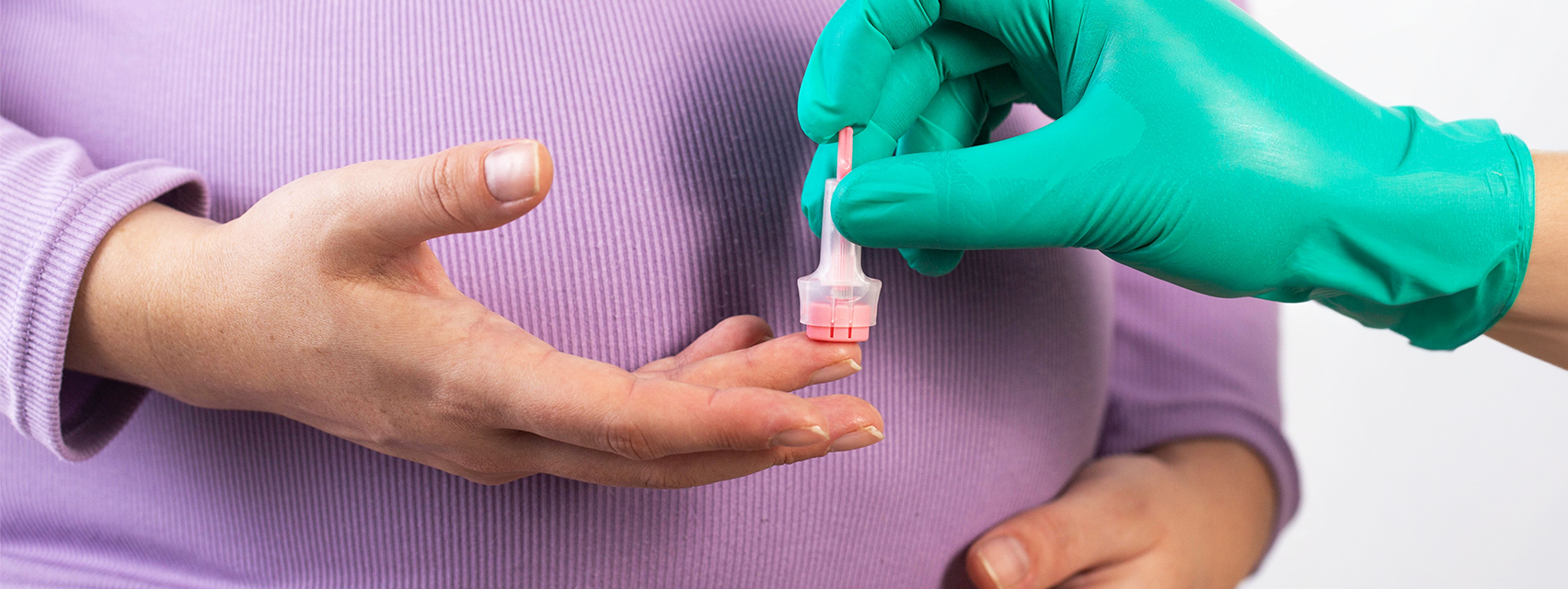
A blood sample is drawn from the pregnant person by inserting a needle in the vein to test. This test is also known as Venipuncture, as blood is collected from a vein. The area from where blood is going to be drawn that place is cleaned with a septic. An elastic band is put on the arm, which causes the veins to swell as the blood starts flowing out. Then a needle is inserted into the vein and blood is collected.

A urine sample can also be collected. The test helps to check if the body is producing the right amount of HCG levels, which is required to sustain the developing fetus. It helps to determine the age of the fetus and if it is growing well. HCG can help detect any abnormal pregnancies. It promotes the production of progesterone and also helps to form the umbilical cord. Human Chorionic Gonadotropin (HCG) plays an important role in pregnancy as it helps to sustain and maintain the developing fetus. Pregnancy tests detect a pregnancy only if the hormone is present in the body. HCG levels help tell you a lot about your pregnancy.

Also Read – Home Pregnancy Test: What, How to & Types

Frequently Asked Questions

Q. What are the two types of pregnancy tests?

Blood and Urine Tests are the two types of pregnancy tests. A blood test is taken at the clinic by a professional. On the other hand, Urine tests can be done anywhere.

Q. Which are the two types of HCG pregnancy tests?

Qualitative and Quantitative are the two types of HCG pregnancy tests.

Q. What is Venipuncture?

Venipuncture is a test where blood is drawn from the vein of a pregnant woman.

Q. Why does an HCG pregnancy test help?

An HCG pregnancy test can tell you about your levels if they are too high or too low. It can tell you about your pregnancy journey.

Vaginal Dryness: What Are Its Causes, Symptoms & Treatment

Many women worry about vaginal dryness, but it can be hard to talk about. It can change how comfortable, confident and close you feel. When the vaginal tissues aren’t properly lubricated, this condition happens, which can cause pain or discomfort. Knowing what causes Vaginal Dryness, being able to recognise its symptoms and getting the proper Vaginal Dryness treatment can help you feel better and more comfortable.

What Causes Vaginal Dryness?

Before diving into Vaginal Dryness treatment, it’s important to understand what causes Vaginal Dryness. The most common cause is a decrease in estrogen levels, which helps keep the vaginal tissues thick, moist and elastic. Around 17% of women between the ages of 18 and 50 experience vaginal dryness even before menopause, while over 50% face it after menopause due to declining estrogen levels. This makes vaginal dryness one of the most widespread yet underreported issues affecting women’s reproductive health. When estrogen declines, the vaginal walls can become thinner and less lubricated, resulting in Dryness and irritation.

Some significant reasons behind Vaginal Dryness include:

  • Menopause and perimenopause arise from diminished oestrogen levels.
  • Some medications, like antidepressants or hormonal birth control
  • Giving birth or breastfeeding
  • Chemotherapy or radiation are two types of cancer treatments.
  • Stress, worry, or tiredness from emotions
  • Using scented hygiene products or douching
  • Conditions like Sjögren’s syndrome or diabetes that are present in the background

Understanding what causes Vaginal Dryness helps identify appropriate Vaginal Dryness treatment options that address the root cause.

Common Vaginal Dryness Symptoms

Vaginal Dryness symptoms vary from mild irritation to constant discomfort. Common Vaginal Dryness symptoms include soreness, itching, burning or pain during intercourse. Some may also experience unusual discharge or spotting, urinary issues or a feeling of tightness. Since Vaginal Dryness can affect both physical comfort and intimacy, early attention is crucial to prevent complications like vaginal infections or reduced sexual satisfaction.

One of the most obvious signs of vaginal dryness is pain during sex. It happens because insufficient lubrication causes things to rub together more, which can irritate the vaginal tissue or cause small tears. Recognising these signs early on can help you find a good treatment for vaginal dryness or natural remedies.

Also Read – Fertility-friendly lubricant

Vaginal Dryness Natural Remedies

For women seeking gentle solutions, Vaginal Dryness natural remedies can offer effective relief without strong medication. Staying hydrated and consuming foods rich in phytoestrogens, such as soy, flaxseeds and chickpeas, can help maintain natural lubrication levels. Vitamin E and omega-3 supplements may also support tissue health and elasticity.

Another essential part of Vaginal Dryness natural remedies is avoiding irritants. Choose fragrance-free soaps and intimate washes and avoid douching. Gentle daily care keeps your vaginal environment balanced and healthy. Spending more time on foreplay before sexual activity can also promote natural lubrication and comfort during intercourse. Including lifestyle habits such as regular exercise and stress management can further enhance hormone balance and support natural vaginal health.

How to Treat Vaginal Dryness

If natural remedies are not enough, there are multiple medical options for treating Vaginal Dryness. Over-the-counter lubricants and moisturisers can provide instant relief by maintaining moisture in the vaginal tissues.


A vaginal moisturiser should be used regularly, not just before intercourse, to keep the tissues hydrated. For sexual activity, choose water-based lubricants over oil-based ones, as they are safer and less likely to cause irritation.

When discussing how to treat Vaginal Dryness, hormone-based therapies are also worth considering. Vaginal estrogen therapy includes creams, tablets, rings or suppositories that deliver estrogen directly to the affected area, improving hydration and elasticity. Women who cannot use hormones may explore prescription non-hormonal creams or oral medications recommended by a doctor. It’s always essential to consult a healthcare provider before starting any Vaginal Dryness treatment to ensure the chosen solution suits your body’s needs.

Also Read – Natural Fertility Boosters

Medical and Prescription Approaches

If the pain doesn’t go away, a gynaecologist may suggest prescription-based treatments for vaginal dryness. These can be low-dose vaginal oestrogen or selective oestrogen receptor modulators (SERMs) that work like oestrogen. They help the vaginal walls regenerate healthy tissue, making them more comfortable over time.

Some women find that using a Vaginal Dryness cream gives them targeted hydration and relief. These creams usually contain ingredients that help calm irritation, add moisture, and prevent micro-tears. Using it as directed regularly can greatly improve the condition of the tissue. But just focusing on the physical treatment might not be enough. Taking care of emotional issues like anxiety, relationship stress, or lack of arousal is just as important for keeping the vagina healthy for a long time.

When to Seek Medical Help

While mild Vaginal Dryness symptoms may improve with natural remedies or lubricants, it’s essential to seek medical guidance if discomfort persists or worsens. Persistent pain, bleeding or severe itching may signal an infection or underlying medical condition. A doctor can perform a pelvic examination and hormone tests to determine the exact cause of Vaginal Dryness and provide personalised recommendations.

Ignoring vaginal dryness for a long time could lead to more urinary infections or less intimacy, both of which can hurt your confidence and quality of life.

Maintaining Vaginal Health Long-Term

In addition to following the prescribed Vaginal Dryness treatment, preventive care plays a vital role. Regular gynaecological checkups help monitor hormonal health, while staying sexually active supports circulation and natural lubrication. Keeping your stress in check, maintaining hydration and practising open communication with your partner all help sustain vaginal well-being.

Choosing breathable cotton underwear and avoiding tight clothing further supports airflow and reduces irritation. A consistent routine of self-care and awareness makes it easier to prevent Vaginal Dryness from recurring.

Frequently Asked Questions – Vaginal Dryness

Q. Can Vaginal Dryness occur before menopause?

Yes, Vaginal Dryness can affect women even before menopause due to medications, breastfeeding or hormonal fluctuations.

Q. What are some effective Vaginal Dryness natural remedies?

Staying hydrated, using coconut oil, consuming estrogen-rich foods and avoiding perfumed soaps are effective natural options.

Q. How to treat Vaginal Dryness at home?

Use vaginal moisturisers two to three times a week, apply lubricants before intercourse and avoid harsh detergents or chemicals in the vaginal area.

Q. Can Vaginal Dryness cream improve comfort instantly?

Yes, Vaginal Dryness cream offers quick relief from discomfort, but it should be used as per medical advice for safe results.

Q. When should I see a doctor for Vaginal Dryness?

If you experience pain, bleeding or consistent irritation even after trying home remedies or treatments, consult a gynaecologist promptly.

Period Cramps vs Early Pregnancy Cramps – What is the Difference?

Every month, people experience cramps, but sometimes wonder if they are period or pregnancy cramps. This question goes through many minds every month.
Period and early pregnancy cramps can feel similar. Moreover, the symptoms that accompany it are also similar. It can be difficult to tell the difference between the two. It can be challenging to understand the difference between them.

Cramping can be experienced during menstrual cycles as well as during early pregnancies, but there are a few differences between the two. Understand the difference between period and pregnancy cramps.

Period Cramps Vs Early Pregnancy Cramps:

Let us demystify period cramps and pregnancy cramps:

Period Cramps

Period cramps are mostly experienced before or during the menstrual cycle; they might be accompanied by several other symptoms such as nausea, bloating, body pain, irritation, and other PMS symptoms. Some people also experience breast pain, and the breast becomes tender.  The uterus contractions cause the cramps as they help you shed the uterus lining. Some women experience intense pain during the month, which makes it difficult for them to go about their day.

Moreover, factors such as age, lifestyle, and overall health also contribute to period cramps. Some people experience severe period pain. It might be due to several conditions, such as fibroids (Which grow in the muscular wall of the uterus) or endometriosis (a condition in which tissue grows outside the uterus, mainly on the fallopian tubes or ovaries). These conditions require medical attention

Pregnancy Cramps:

Early pregnancy cramps may occur due to implantation; cramps are mild. If you are experiencing heavy bleeding along with cramps, consult your midwife. Some people experience spotting. Pregnancy cramps start right after conception. During pregnancy, you might feel tired because of the hormone progesterone.

Morning sickness is a common symptom during pregnancy, which can be accompanied by vomiting.

Causes For Early Pregnancy Cramps:

  • Implantation Cramping: When the egg attaches to the uterus lining, it causes mild cramps. It happens one to two weeks after ovulation and may be accompanied by implantation bleeding.
  • Uterine Expansion: During pregnancy, the uterus keeps expanding to make room for the developing fetus. This can cause cramps.
  • Hormonal Changes: Pregnant women go through a lot of hormonal changes, which can cause a lot of discomfort. It is mostly due to the progesterone levels rising in the body.
  • Blood Flow: During pregnancy, a lot of blood flows to the uterus, which helps to sustain the developing fetus. This can cause significant discomfort and cramping.

Also Read – Body Changes During Pregnancy: First Trimester

Difference between menstrual cramps and pregnancy cramps:

Timing and Duration:

Period cramps can start before or during a menstrual cycle, and cramps ease off as the cycle ends. On the other hand, pregnancy cramps can start anytime during early pregnancy.

Accompanied Symptoms

During periods, symptoms such as bloating, mood swings, and breast tenderness might be experienced. Pregnant women might experience nausea, fatigue, back pain, and frequent urination.

Bleeding

This one symptom might tell the difference between period vs pregnancy cramps. Period cramps are accompanied by the menstrual cycle; they go hand in hand. On the other hand, if you notice light bleeding, aka spotting, it is short-lived and very light. This may be an indication of a pregnancy cramp. Nevertheless, to be sure, always take a pregnancy test. They do not require a prescription and are available at pharmacies.

Here are some tips to understand when you should take a pregnancy test:

  • If you miss a period cycle, wait for some days, as sometimes even stress can delay your period.
  • If you notice any pregnancy symptoms.

Take a test early in the morning. If you miss that time, consider doing it later in the day, but do not consume any fluids beforehand, as this might dilute HCG levels.

Managing period or pregnancy cramps:

Whether you are experiencing menstrual or pregnancy cramps, it is crucial to find some relief. There are many remedies to ease cramps and discomfort. If you are experiencing severe period cramps once in a while, you can consume medicines. But if you typically experience severe or irregular menstrual cycles, it is important to talk to a doctor, as they can provide you with a solution.

On the other hand, if you are experiencing pregnancy cramps, it is crucial to consult a doctor. But here are some remedies that you can do to find relief: exercise regularly, stay hydrated, and rest well. Heat therapy can be used for both types of cramps. Use a heating pad or a massage.

While mild cramps are manageable, you may sometimes experience sharp, intense pain.
If you notice or experience severe abdominal pain, heavy bleeding, fever, unusual discharge, pain during urination, back pain, or any symptom that makes it hard to do normal activities.
Please do not ignore it; talk to your doctor about it and remain transparent with the doctor.

Frequently Asked Questions:

Q. What are some symptoms of period cramps?

Nausea, bloating, and body pain are some of the symptoms of period cramps.

Q. What are the causes of early pregnancy cramps?

Early pregnancy cramps are experienced due to the expansion of the uterus and hormonal changes.

Q. When are period cramps experienced?

Period cramps are experienced before or during the menstrual cycle.

Q. What is spotting?

Light vaginal bleeding, and it happens for a short period of time. It should be checked by a doctor.

Know how to Cope with Pregnancy Insomnia

Pregnancy is a life-changing journey marked by anticipation, excitement, and physical changes. However, while most people associate this phase with glowing skin and happy moments, many expecting mothers quietly struggle with something less talked about, pregnancy insomnia. As the body works overtime to support new life, restful sleep often becomes elusive. Caused due to hormonal changes, increased urination, anxiety, or simple discomfort, insomnia during pregnancy is far more common than it seems.

In fact, studies suggest that over 75% of pregnant women experience disrupted sleep patterns at some stage of their pregnancy. While occasional sleeplessness is expected, chronic insomnia can impact mood, energy, and overall well-being, both for the mother and the developing baby. Understanding what causes pregnancy sleeplessness, learning how to cope with it, and adopting practical sleep hygiene practices can make a world of difference.

Why It Is Important to Cure Pregnancy Insomnia

A good night’s sleep is not just about comfort; it’s an essential part of a healthy pregnancy. The body uses rest to restore energy, regulate hormone levels, and support fetal growth. When a mother is pregnant with insomnia, the effects ripple across physical and emotional health. Sleep deprivation can lead to higher stress levels, poor concentration, increased fatigue, and even complications like elevated blood pressure or gestational diabetes in severe cases.

Beyond the physical aspect, quality sleep plays a vital role in emotional stability. Hormones like progesterone, which already fluctuate heavily during pregnancy, can worsen mood swings if paired with sleep deprivation. Addressing insomnia in pregnant women early ensures the body can recover and prepare for childbirth while supporting mental well-being. Curing pregnancy insomnia isn’t just about rest; it’s about nurturing a healthy balance that benefits both the mother and baby throughout this incredible journey.

8 Ways to Cope with Pregnancy Insomnia

If sleepless nights have become routine, the good news is, pregnancy insomnia can be managed effectively with a few mindful changes. Here are science-backed approaches to help you cope better:

1. Establish a Consistent Sleep Routine

Maintaining a fixed sleep and wake-up time helps regulate your body’s circadian rhythm. Even on weekends, try sticking to a similar schedule. A pre-bed routine, like dimming lights, reading a calming book, or taking a warm bath, can signal to your body that it’s time to unwind. Over time, this consistency can help naturally combat pregnancy sleeplessness.

2. Limit Screen Time Before Bed

The blue light emitted by phones, TVs, and tablets interferes with melatonin, the hormone responsible for sleep. Pregnant women should aim to avoid screens at least an hour before bedtime. Instead, opt for soothing activities like journaling or meditation. This small step helps reduce mental stimulation and prepares your mind for rest.

3. Create a Comfortable Sleep Environment

A supportive mattress, soft pillows, and proper room ventilation can make a big difference. Use extra cushions to support your belly and lower back. Side-sleeping on the left is usually the most comfortable and improves blood flow to the baby. This setup can significantly ease discomfort-related insomnia during pregnancy.

4. Stay Physically Active

Moderate exercise, such as prenatal yoga or walking, can improve sleep quality and reduce anxiety. However, avoid high-intensity workouts or late-evening exercise sessions as they may energise rather than relax your body. Physical movement helps regulate body temperature and promotes better rest cycles.

5. Watch What You Eat and Drink

Avoid heavy, spicy, or oily meals right before bed. They can lead to heartburn or indigestion, common culprits of pregnancy sleeplessness. Limit caffeine intake, especially in the afternoon, and try herbal teas like chamomile for a calming effect. Hydrate well throughout the day, but reduce fluid intake two hours before bedtime to minimise nighttime bathroom visits.

6. Practice Relaxation Techniques

Deep breathing, mindfulness, or prenatal meditation can relax the mind and reduce cortisol levels. When anxiety about labour or motherhood keeps you awake, gentle affirmations or listening to calming music can bring emotional peace and help you drift off naturally.

7. Try Side Sleeping and Proper Positioning

Sleeping on your left side improves blood circulation and oxygen flow to the fetus. You can use pregnancy pillows for additional support. Good posture while sleeping not only helps prevent back pain but also minimises tossing and turning through the night.

8. Seek Professional Support When Needed

If nothing seems to work, talk to your healthcare provider. Persistent pregnancy insomnia may be linked to underlying conditions like sleep apnea, anxiety, or restless leg syndrome. Getting professional advice ensures your health and your baby’s stays on track.

Also Read – Tips and Tricks To Sleep Better During Pregnancy

Follow this 8 things to Avoid Pregnancy Sleeplessness

While coping strategies are essential, preventing pregnancy sleeplessness in the first place can make the journey smoother. Here’s what you should consciously avoid:

1. Avoid Caffeine and Sugary Drinks Late in the Day

Caffeine can linger in your body for hours, disrupting your ability to fall asleep. Opt for decaf beverages and avoid chocolate or sodas in the evening.

2. Don’t Nap Too Long During the Day

Short naps can be refreshing, but excessive daytime sleeping can make it harder to fall asleep at night. Try limiting naps to 20–30 minutes.

3. Avoid Overthinking Before Bedtime

Pregnancy often brings emotional ups and downs, but avoid deep discussions or stressful thoughts right before bed. Engage in calming activities instead.

4. Limit Fluid Intake at Night

Too much water before bedtime can lead to frequent bathroom trips. Hydrate more during the day and taper off closer to bedtime.

5. Avoid Uncomfortable Sleeping Positions

Sleeping on your back can put pressure on major veins, leading to poor circulation. Stick to side positions for better comfort.

6. Don’t Ignore Physical Discomfort

If you’re experiencing back pain or cramps, address them immediately by using pillows, stretching, or consulting your doctor. Ignoring pain worsens pregnancy insomnia.

7. Stay Away from Late-Night Heavy Meals

Digestive issues are common during pregnancy. Eating too late or consuming heavy meals can trigger acid reflux, making it harder to sleep peacefully.

8. Avoid Self-Medicating for Sleep

Never take sleeping pills without medical supervision. Some medications may not be safe for pregnancy and can pose risks to your baby.

Also Read – 8 ways to get better sleep during pregnancy

What Could Happen in case of Sleepless Nights During Pregnancy Occur

Occasional sleepless nights during pregnancy are normal, but prolonged insomnia can take a toll. Chronic fatigue can weaken your immune system, make you more irritable, and affect your focus. Physically, insufficient rest can slow fetal development or heighten the risk of preterm delivery in rare cases. Emotionally, it can contribute to anxiety or prenatal depression.

If you consistently experience poor-quality sleep or exhaustion despite following good habits, consult your gynaecologist. They may check for underlying issues or suggest safe, tailored solutions. It is important to address this, as your sleep health directly impacts your baby’s development and your ability to enjoy this phase fully.

Insomnia During Pregnancy and the Road to Restful Nights

Insomnia during pregnancy may feel frustrating, but it’s a manageable and temporary phase. By focusing on sleep hygiene, relaxation, nutrition, and mindful daily practices, mothers can significantly improve the quality of their rest. Every pregnancy is unique, so understanding your triggers and adjusting accordingly is key.

The ultimate goal isn’t just to “sleep more”, it’s to sleep better. Welcome the changes your body is going through, prioritise rest, and don’t hesitate to seek help when needed. Rest assured, with the right care and consistency, peaceful nights will return, preparing you for the beautiful, sleepless nights of motherhood that follow.

Frequently Asked Questions – Pregnancy Insomnia

Q. What causes insomnia in pregnant women?

Hormonal changes, frequent urination, anxiety, physical discomfort, and digestive issues are some of the most common causes of pregnancy insomnia.

Q. Can pregnancy insomnia affect the baby?

Indirectly, yes, as poor sleep can affect maternal health, which in turn influences fetal growth. Managing insomnia helps maintain hormonal balance and overall well-being.

Q. How long does insomnia during pregnancy last?

It varies; for some women, it occurs in the first trimester and subsides later, while others may experience it throughout pregnancy.

Q. Can relaxation techniques help with pregnancy sleeplessness?

Absolutely, practices like yoga, meditation, and deep breathing have proven effective in reducing stress and improving sleep quality.

Q. When should I see a doctor for pregnancy insomnia?

If sleeplessness continues for weeks despite lifestyle changes, or if you feel persistently fatigued or anxious, consult your healthcare provider for tailored guidance.

Frequent Urination in Pregnancy: What is Normal vs. When to Worry

Frequent Urination is when you need to pee more than usual. It can happen during pregnancy because of weak pelvic floor muscles. Peeing constantly during pregnancy is a common problem. Frequent Urination is also known as an overactive bladder.

The pelvic floor muscles support organs such as the bladder, uterus, and bowel. Pelvic floor muscles weaken because of hormonal changes and the weight of the developing baby.

Frequent Peeing and Pregnancy

Some pregnant women experience mild changes during pregnancy, while on the other hand, some women are always running to the loo. Frequent peeing is a common sign of pregnancy because of weak pelvic muscles. During pregnancy, it is normal to go to the restroom around 10 times a day. Moreover, you also need to stay well-hydrated during pregnancy. Try to reduce water intake during the night. Therefore, this adds to the urination.

Also Read – How Much Water Should You Drink During Pregnancy?

Frequent Peeing Due to UTIs or Infections

There are many reasons why a pregnant person could experience frequent urination. It could be due to UTIs and infections. There is a high chance of developing UTIs and infections during pregnancy. Because of pressure on your bladder, urine cannot flow. Due to this, bacteria can multiply and cause infection.

Pregnant people who have a fever or experience pain while peeing should see a doctor immediately, as it could be an infection. It is crucial to treat a UTI as soon as possible because it can be dangerous to the developing fetus. Sometimes, pregnant people might urinate pink blood.

A healthcare professional can diagnose the UTI based on the symptoms being experienced. If the doctor thinks that it is not related to pregnancy, you might be required to do a few tests, which will be prescribed by the doctor.  There are two tests which is used to examine UTIs: Urinalysis and Urine culture.

Finding blood or experiencing pain while peeing is a concern and should not be taken lightly. Moreover, other symptoms will help you to understand the reason behind peeing constantly. Some people ponder if frequent peeing is a sign of pregnancy, not always, but it is good to take a test, as it could be due to a weak pelvis. UTIs and infections also cause frequent urination, but it does not mean you are pregnant. Confirm it with a healthcare professional.

Is Frequent Peeing a sign of early pregnancy?

Although everyone experiences different symptoms. Frequent peeing is an early symptom of pregnancy and can start after conception.

Pregnant people notice that they start urinating more during the first trimester. Moreover, some women also experience leakage, which is known as stress urinary incontinence. It is because as the fetus grows, it puts pressure on the bladder, urethra, and pelvic floor muscles.

After an embryo is implanted in the uterus. Along with the embryo and placenta, the body starts producing progesterone and hCG (Human chorionic gonadotropin). HCG is produced by the placenta; it is also known as the pregnancy hormone.

Kegel Exercises:

To strengthen the pelvic floor muscles, pregnant women can perform Kegel exercises, which help in strengthening the urethra and supporting the bladder. Kegel exercises are safe to perform while being pregnant. There are many benefits of practicing kegel exercises, not only help with strengthening the pelvic floor muscles, but also urinary incontinence, urge incontinence, it can also help with childbirth delivery and bladder control.

Also Read – Few exercises that may help you deal with stress during pregnancy

Urinary incontinence

Frequent peeing in pregnancy can also be related to incontinence, which is a serious problem as it is involuntary and can not be controlled. It is important to treat it as it can be difficult to go about your day. This is another reason to be concerned, as it becomes difficult to perform daily activities and can cause discomfort.

Constantly peeing is common at every stage in pregnancy. As the fetus grows and becomes bigger, more pressure falls on the pelvic floor.

After giving birth, you might still urinate more than usual as it takes some time for the pelvic floor to go back to its normal setting. You might leak when you cough or sneeze.  Some people take a longer period of time to recover.

Frequent peeing is an early sign of pregnancy. UTIs and infections can also cause frequent peeing. Peeing constantly during pregnancy can cause discomfort and can impact daily life. It happens because there is a lot of pressure on the pelvic floor exercises. If you experience any pain or notice blood or any unusual discharge, then it is crucial to get it treated, as it can affect the developing fetus. To strengthen the pelvic floor, you can perform Kegel exercises.

Frequently Asked Questions:

Q. Why do pelvic floor muscles weaken?

Pelvic floor muscles weaken because of hormonal changes and because of the weight of the developing fetus.

Q. What are the two tests that are used to treat UTIs?

Urinalysis and Urine culture are the two tests done to examine UTIs. UTIs should be treated as soon as possible.

Q. What is HCG?

HCG ( Human chorionic gonadotropin) is a pregnancy hormone that helps to detect if you are pregnant. It helps to sustain the fetus and prevent period cycles.

Q. When should you see a doctor?

If you experience pain while peeing or can not control Urination. Then it is better to consult a doctor so that it can be treated.

Complete Diet Plan for Breastfeeding Mothers: Foods to Eat & Avoid

Breastfeeding is one of the most important phases after childbirth, not just for the baby’s growth, but also for the mother’s health and recovery. During lactation, a woman’s body produces milk that becomes the primary source of nutrition for her infant. To sustain this process, the mother’s nutritional requirements significantly increase. A well-balanced diet for breastfeeding mothers ensures that both mother and baby receive all essential nutrients for immunity, energy, and development.

However, many new mothers are confused about what to eat, how much to eat, and which foods to avoid while breastfeeding. While traditional advice varies, scientific recommendations emphasise balance, variety, and nutrient density. A well-designed breastfeeding diet plan should focus on providing adequate calories, protein, vitamins, and minerals to replenish the mother’s body while maintaining optimal milk production.

To help further, here is a list of foods to include and avoid, and the key nutrients that form the foundation of a healthy breastfeeding mom’s diet.

Importance of a Good Diet for Lactating Mothers

A good diet for lactating mothers directly affects both the quality and quantity of breast milk. Although the body prioritises milk production, poor nutrition can gradually deplete the mother’s nutrient stores, leading to fatigue, low energy levels, and even reduced milk output.

Breast milk contains essential fats, proteins, carbohydrates, vitamins, and minerals needed for an infant’s early growth and brain development. To produce nutrient-rich milk, the mother must consume a balanced diet that covers all food groups.

A nourishing breastfeeding mom diet supports postpartum recovery, helping replenish iron lost during delivery, maintain bone health, and stabilise hormones. It also plays a role in mood regulation, as deficiencies in key vitamins like B12 and D are linked to fatigue and mood swings.

A healthy breastfeeding diet isn’t about eating excessively but rather about eating smart, including the right foods, in the right amounts, to sustain both mother and baby effectively.

Also Read – Pregnancy Diet

Diet for Breastfeeding Mothers Must Include

Here’s what a wholesome diet for breastfeeding mothers should include for optimal nourishment:

1. Whole Grains

Foods like oats, brown rice, and whole wheat provide complex carbohydrates that offer sustained energy and aid digestion. They are also rich in B vitamins and fibre, which support metabolism and regulate bowel movement, something many new mothers struggle with postpartum. Including a serving of whole grains in every meal helps keep energy levels stable throughout the day.

2. Lean Proteins

Protein supports milk production and helps rebuild tissues post-delivery. Include sources like lentils, eggs, chicken, fish, paneer, tofu, and dairy products. Protein also helps mothers feel full longer and supports muscle strength, especially if they’re gradually returning to physical activity. A daily intake of around 65–75 grams of protein is ideal for lactating women.

3. Fresh Fruits and Vegetables

Fruits and vegetables are loaded with vitamins, minerals, antioxidants, and hydration, making them crucial in a breastfeeding mom’s diet. Citrus fruits supply vitamin C for immunity, while leafy greens provide calcium and iron. Aim for at least five portions daily, mixing raw and cooked varieties to retain different nutrients.

4. Healthy Fats

Good fats, such as omega-3 fatty acids from fish, walnuts, flaxseeds, and chia seeds, are vital for the baby’s brain and eye development. These fats also help maintain the mother’s hormone balance. Avoid trans fats and fried foods, and focus on natural fat sources like avocados, nuts, and olive oil.

5. Calcium-Rich Foods

Calcium supports bone strength for both the mother and baby. Milk, curd, cheese, sesame seeds, and fortified plant-based milks are excellent options. Breastfeeding increases calcium requirements, so including at least two servings daily can prevent deficiencies.

6. Iron-Rich Foods

Iron is essential for recovering from childbirth and preventing postpartum anaemia. Include spinach, lentils, beans, meat, and jaggery in the diet for lactating mothers. Pair iron-rich foods with vitamin C sources to enhance absorption.

7. Hydration and Fluids

Breast milk production depends heavily on hydration. Water, coconut water, buttermilk, and soups are great fluid choices. Mothers should aim to drink at least 10–12 glasses of water daily. Dehydration can affect both milk flow and overall energy.

8. Galactagogues (Milk-Boosting Foods)

Certain foods, like fenugreek seeds, fennel, garlic, and cumin, are known to promote milk production. While scientific evidence varies, they are widely used and safe in moderate amounts. These ingredients can easily be added to daily meals to support lactation naturally.

Also Read – Eating Well While Pregnant

What Vitals and Nutrients Should a Breastfeeding Diet Plan Include?

A strong breastfeeding diet plan focuses on replenishing key nutrients lost during pregnancy and childbirth. Here’s what’s most important:

  • Protein: Supports tissue repair and milk production. Found in dairy, eggs, legumes, lean meats, and soy.
  • Calcium: Strengthens bones and teeth for both mother and child. Found in milk, curd, ragi, sesame seeds, and green vegetables.
  • Iron: Prevents postpartum anaemia and fatigue. Found in leafy greens, beans, jaggery, and meat.
  • Omega-3 Fatty Acids: Promote brain and visual development of the baby. Found in fish, walnuts, and flaxseeds.
  • Vitamin D: Enhances calcium absorption and bone health. Sunlight exposure and fortified foods are key sources.
  • Vitamin B Complex: Supports metabolism and nervous system health. Found in whole grains, eggs, and nuts.
  • Zinc and Magnesium: Improve immunity and hormone balance. Found in seeds, legumes, and dark chocolate.

Foods to Avoid While Breastfeeding

A diet for lactating mothers should not only include nourishing foods but also limit items that can interfere with milk quality, digestion, or the baby’s comfort. Here are key foods to avoid or limit:

1. Caffeine

Excess caffeine can pass into breast milk and affect the baby’s sleep or irritability. It’s best to limit coffee, tea, cola, and energy drinks to no more than one small cup per day.

2. Alcohol

Alcohol can enter breast milk and impact the baby’s development. It’s safest to avoid alcohol entirely during breastfeeding. If consumed, allow at least 2–3 hours before feeding.

3. Highly Processed Foods

Packaged snacks, fried foods, and fast food contain unhealthy fats, sugar, and preservatives that provide little nutrition and can cause bloating or fatigue. Choose fresh, homemade alternatives whenever possible.

4. Certain Fish High in Mercury

While fish is a great source of omega-3s, varieties like swordfish, king mackerel, and shark contain high mercury levels, which can harm the baby’s developing brain. Opt for low-mercury fish like salmon or sardines instead.

5. Gas-Forming Foods

Some babies may react to foods that cause gas or colic, such as cabbage, broccoli, onions, or beans. If your baby becomes unusually fussy after you eat certain foods, try eliminating them to see if symptoms improve.

6. Spicy and Strongly Flavoured Foods

While not harmful, strong spices or garlic may alter breast milk’s taste and sometimes cause the baby to reject the feed. Observe how your baby responds and adjust intake accordingly.

7. Artificial Sweeteners and Sugary Drinks

Avoid excessive sugar and artificial sweeteners found in diet sodas and processed desserts. They can disrupt energy levels and provide no real nutritional value.

8. Herbal Supplements Without Medical Advice

Not all herbs are safe during breastfeeding. Certain herbal teas or supplements may interfere with milk production or medication. Always consult a healthcare professional before using them.

Breastfeeding and Mothers’ Diet: Why It Matters

A thoughtful approach to breastfeeding and the mother’s diet helps create the foundation for both short-term recovery and long-term health. The right nutrition supports milk production, boosts immunity, and helps mothers regain strength after delivery. It also influences the baby’s growth, immunity, and digestive comfort during the first six months, when breast milk is the sole source of nutrition.

Following a balanced breastfeeding diet plan ensures that every meal contributes to healing and nourishment. Rather than focusing on restrictions, mothers should emphasise variety, colour, and freshness on their plates. This approach not only sustains energy but also strengthens the mother-child bond through healthy nourishment.

Frequently Asked Questions – Complete Diet Plan

Q. How many extra calories should a breastfeeding mother consume daily?

On average, a breastfeeding mother needs an additional 400–500 calories per day to support milk production and maintain energy levels.

Q. Can a vegetarian mother maintain an adequate breastfeeding diet?

Yes, a vegetarian breastfeeding mom’s diet can meet all nutritional needs if it includes dairy, pulses, legumes, nuts, seeds, and fortified foods for vitamin B12 and D.

Q. How much water should a lactating mother drink daily?

Hydration is key. Aim for at least 3 litres of fluids daily, including water, soups, and natural beverages like coconut water or buttermilk.

Q. Are supplements necessary for breastfeeding mothers?

In some cases, doctors may recommend supplements like iron, calcium, or vitamin D to cover specific deficiencies. Always consult a healthcare provider before taking any supplements.

Other
Mankind Brands

Other Mankind Brand - Acne Star
Other Mankind Brand - Gas-o-fast
Other Mankind Brand - HealthOk
Other Mankind Brand - EPIC
Other Mankind Brand - Manforce