
















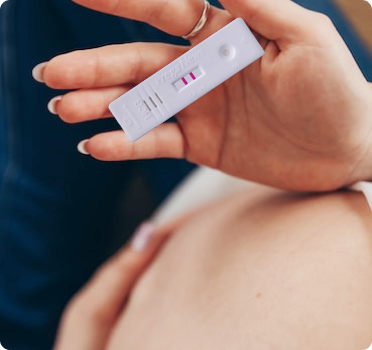

admin, Author at Prega News | Pregnancy Test | Pregnancy Test at Home | Pregnancy Test Kit - Page 18 of 22

Things To Know Before You Take Home Pregnancy Test

Home Pregnancy Test

If you believe in Google diagnosis then, Early pregnancy symptoms can be very confusing. Look it up, the list of symptoms will have nausea, mood swings, cramps and back pain; which is typically same as what women feel during the onset of their periods as well.

So, that is not something you can put your 100% faith in, which leaves women with one and the only solution i.e. taking a pregnancy test.

Now there are a few pointers that you should know before taking an early pregnancy test which we will discuss through the course of this blog.

1. Beware of fake tests

Like any other medical test, choosing a reliable method is of utmost importance. You cannot put your trust in a home pregnancy test that has chances of giving your wrong results.

Prega News is the most reliable pregnancy detection brand in the market and you can trust it with closed eyes.

2. Expensive doesn’t mean effective

A lot of times women buy the most expensive home pregnancy kits because they assure effectiveness. Well, let us break your bubble here. Expensive doesn’t mean effective. A digital detection kit is not going to be more effective than a normal test kit and neither is the one you pay the most for.

Most pregnancy kits work on the same mechanics of detecting hCG hormone in your urine. So, it all comes down to your personal preference.

3. Timing is the key

Ladies, Timing matters here.

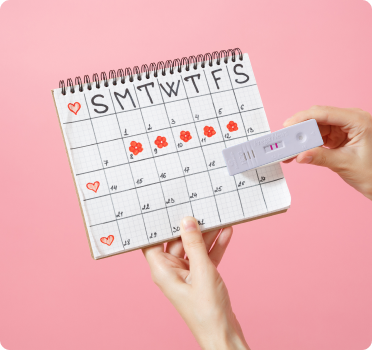
A pregnancy test kit will only show the correct result when it is taken at the right time. And, the right time to take a test is a day or after you miss your periods. Because that is when the level of hCG in your body is at a detectable level. Also, the hCG level is also at its peak in the morning making it the best time to take the test.

4. False negative is a thing

If you take the test too early in your cycle then, you should expect to get a false negative. As we said earlier, timing matters a lot here. Please keep this in mind when taking a home pregnancy test. If you still have doubts after the first test then, you can just take a test after a couple of days to confirm the result.

Taking a pregnancy test early in the course ensures that you have ample time to think about the further course of action. After all, pregnancy is a not a child’s play. There are a lot of things to be sorted after you receive your positive result. If you have already got a positive result in your pregnancy test then, you can explore our website to know more about pregnancy related stuff. In the meanwhile, we wish you happy motherhood!

Ovulation Test: Everything you need to know about

You take a home pregnancy test and it’s positive!

You’re on the seventh cloud and excitement of becoming a mother fills you up to the bones.

Well, that is not exactly how it works for a lot of couples. Conceiving a baby requires a lot of planning, continuous efforts and tracking your ovulation cycle religiously.

Now coming to ovulation; thanks to technology and modern times, we have ovulation test that makes the whole process a lot easier. So, if you’re stuck in the vicious cycle of trying and testing then here’s a list of things you should know about ovulation tests, pregnancy, and fertility in general.


The Term Ovulation:

As you already know, ovulation is the process where your body releases an egg which is further fertilized by a sperm and transforms into a zygote. This process seems easy in theory but there are a lot of mechanics involved that dominate the chances of a pregnancy.


Tests make it easier:

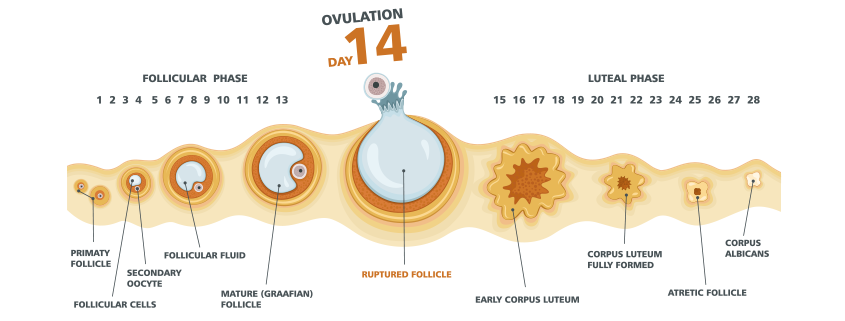
Yes, an ovulation test makes it easier but it is not very difficult to calculate it manually either. Ovulation usually happens around the 14th day of your cycle. So, all you have to do is calculate the 14th day from the day of your first period and voila! That’s approximately the date of your ovulation.


Know the basics:

Do you know that a female is born with over a million eggs in her ovaries? But, the release of eggs only starts after your menarche (first period). As you grow older, the quality and quantity of these eggs also deteriorate which leads to the saying that getting pregnant after you cross 35 is difficult. Yes, it is difficult but not impossible.


You can read more about that topic here:


Timing matters:

You should have intercourse when you’re ovulating, right? Wrong!

Intercourse should always come before ovulation as sperms can survive up to 5 days in a female body which increases the chances of pregnancy as compared to coitus done on the day of ovulation.


Learn about your hormones:

Ovulation and the whole process of conceiving are ruled by the hormones in your body. There’s LH (Luteinizing hormone) that peaks before a day or so before the day of your ovulation. Similarly, there are a lot of hormones involved that you should read about to understand the process better.


Investing time:

It is not going to happen in a day or two. Conceiving a baby takes time and efforts. So, you will have to prepared beforehand to invest a lot of time and research to get it right.


Seek help:

Consulting a gynecologist doesn’t mean there’s something wrong with your body. But, making sure that you seek consultation in time is of utter importance. So, do not be shy and seek help because time is a ruling factor here.

So, these were all the points that you should know about ovulation beforehand. Follow these and we hope the next time you take a pregnancy test, it brings you good news.

Know All Facts About Menstrual Cycle or Periods

All of us know that teenage is one of the most confusing times for a grown woman. On top of all the hormonal turmoil, let’s add 5 days of bleeding every month. Irritating, isn’t it? So, let us break down this phenomenon to its bare basics to understand the changes your body is going through.

What is menstruation?

Menstruation is your body’s way of saying that you are a grown woman, ready to procreate. It is your body’s way of getting geared up for a possible pregnancy each month. When you menstruate, you shed the inner lining of your uterine wall. Menstrual blood flows from the uterus, through the small opening in the cervix and passes out of the body through the vagina. Most menstrual periods last between 3 to 5 days, and it contains blood and tissue from the uterus.

The menstruation cycle

The menstrual cycle is marked from the first day of your period to the first day of the next period. The average menstrual cycle is 28 days long. However, regular cycles that are longer or shorter than this, starting from 21 to 40 days are also normal. Your menstrual cycle is controlled by a wide range of hormones that are produced by the pituitary gland and the hypothalamus, along with the ovaries.

The menstrual cycle can be divided into three broad phases –

Follicular phase (Day 1 – Day 14)

This phase of the menstrual cycle occurs from Day 1 to Day 14. Day 1 is the first day of your bleeding and the end of this phase is when ovulation begins. In this phase, while you bleed, your ovaries simultaneously prepare to ovulate once again. A hormone called the Follicle Stimulating Hormone (FSH) causes the several follicles to develop on the surface of the ovary. Gradually, one of these follicles become dominant to create an egg. In this phase, the lining of the ovarian wall becomes thicker in response to the increased level of oestrogens. The surge of hormones in your body causes the egg to be released.

Ovulation phase (Day 14)

The matured egg releases on day 14 of your menstrual cycle as a result of the increased flow of FSH and Luteinizing Hormone (LH). Once the egg is released, the follicles seal over; this phenomenon is called Corpus Luteum. This phase is detectable with an ovulation test. The egg then enters the fallopian tube, where fertilization takes place in if the egg comes in contact with sperm. The lifespan of the matured egg in the fallopian tube is 24 hours, after which the egg disintegrates, causing bleeding.

Luteal phase (Day 14 – Day 28)

The levels of FSH and LH decrease after the egg is released. The corpus luteum produces the hormone called progesterone. If fertilization occurs, corpus luteum continues to produce progesterone which prevents the endometrium lining from being shed. However, if fertilization doesn’t occur, the corpus luteum disintegrates, causing the flow of progesterone to drop; which signals the endometrial lining to shed.

Understanding your bodily changes is the only way to be able to cope with them. It is good if you are tracking your menstrual cycle to figure out if you are healthy. In case you face any abnormalities during this time, it is highly recommended that you check with our gynecologist.

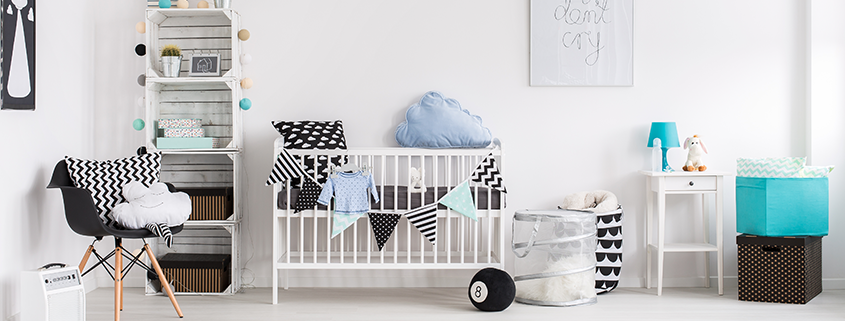
Things Every Mother Should Know Before Decorating Your Baby’s Nursery

Growing a baby in your tummy is a BIG responsibility. But, when the baby arrives in your life then this responsibility only doubles.

From frequent feeding routines to even more frequent diaper changing sessions, a mother’s life starts revolving around the baby. One of those responsibilities include decorating your baby’s nursery and since you’re reading this, we are guessing you are looking for some inspiration and ideas to decorate your baby’s room.

Few things you need to keep in mind before you start with this task-

1. Soft lights, bright lights. All kinds of light!

A flexible lighting system is a MUST. You will have to control the lighting around his sleeping routine; bright lights for when he is up and soft ones when he is sound asleep. This will help you a lot in putting your baby to sleep and save you a lot of long nights.

2. Pick a theme:

Blue for a boy and pink for a girl, that’s so old school. This is the time to be a cool mum and pick a theme for your baby’s room as you like. Also, don’t hesitate to match the theme with the rest of your house if you like because your baby won’t care about the theme anyway. It is all about you and how you want things to look.

3. Washables only, please:

Raising a child comes with an additional responsibility of cleaning everything twice a day. So, you should ensure that every curtain, carpet, rugs and every piece of article for a nursery is durable and easily washable.

4. Everything in reach:

Take it from people who have experienced it beforehand; the baby’s diaper needs to be changed a thousand times a day. In times like those, nothing irritates a mother more than walking up and down, fetching wipes, tissue, and diapers from across the house. You need to keep all the necessary things within your one hand reach so you can change the diaper like a ninja.

5. Baby-proof everything:

You just had your baby. You have enough time for baby proofing, right? Wrong. Babies grow in the blink of an eye so you should start baby proofing the house as soon as you can. This will ensure that when your baby starts crawling, his curiosity will not leave him in the face of danger.

6. A chair for those long night:

You might think a comfortable bed will help your baby sleep. But, you couldn’t be more wrong. Most of the times, your baby will sleep only in your hands while you rock him to and fro. So, keeping a comfortable chair in his room that you can sit on while you put him to sleep is a good decision.

There you have it: a few things that you need to keep in your mind while decorating your baby’s nursery. And, here’s the most important tip; don’t forget to have fun while you decorate your baby’s room.

Things To Know About Postpartum Depression

Post-Partum depression (PPD) is not something a mother plans for. It picks its victims on its own and digs its claws into the victim’s head. Post-partum depression is like a cage made of one’s own thoughts fuelled by the chemical, hormonal and emotional imbalance. PPD is a medical condition, not a sign of a bad mom.

And, these are few things that you should know about your condition:

1. PPD is more common than it seems:

No, you are not alone. As many as 1 in every 7 women struggle with some sort of anxiety and depression in their post-partum days, so do not feel that it is only happening to you.

2. Talking about it will help:

We get it, talking about how sad and low you are is the last thing you want to do. But trust us, talking about it will help. Talk to a person you are close to and who will understand what you are going through.

3. PPD can begin even when the baby is inside you:

The term ‘Post-Partum’ in PPD is a bit misleading because sometimes PPD can start even before the baby arrives. This condition has its own ways and patterns of happening which vary from women to women.

4. It is not just ‘baby blues’:

Post-Partum depression is a real thing. It is not just mood swings or baby blues. Some women can’t sleep or eat. They’re constantly tormented by anxiety and intrusive thoughts which makes medical care extremely important.

5. PPD can last for years:

You may feel that if you supress those feelings and keep them in for some time, they will go away, like cold or a fever. But, sometimes PPD can last for years and it will affect you as much as it did in the starting phases.

6. Treatment of PPD starts from accepting it:

A lot of women suffering from post-partum depression feel reluctant to take medication or even medical consultation for the simple reason that “they are okay and there is nothing wrong with them”. But, your recovery can only start after you accept the condition.

If you’re going through it, let us tell you; you are not failing as a mother. You are a human being whose hormones have gone haywire and are affecting her mental health now. Take care of yourself.

6 Reason Why Your Baby Is Crying And How To Stop It

Being a Mother is the most beautiful feeling as well as the most tiring one. We understand that sometimes it can get a bit tedious to handle but never giving up should be a mother’s motto. To make this journey of motherhood a tad bit easier, we bring you a couple of reasons why your baby might be crying and how to stop it.

Hunger

This is probably the first thing you think of when your baby cries. As a new mother, learning to recognize the signs of hunger will help you in starting to feed your bundle of joy before the crying begins. A few signs your baby might be crying because he or she is hungry is when they make the fuss, smack their lips, root (this is a newborn reflex that makes babies turn their head toward your hand when you stroke their cheek), and when they put their hands to their mouth.

Stomach problems from colic and gas

Doctors say that tummy troubles associated with gas or colic can lead to lots of crying. Usually known as colic, this condition is usually described as inconsolable crying for at least three hours a day, at least three days a week, at least three weeks in a row.

So, keep in mind that if your baby often fusses and cries right after being fed, he or she may have some sort of tummy pain. Many parents swear by over-the-counter anti-gas drops for babies or gripe water (made from herbs and sodium bicarbonate), though neither has been proven to be effective. We recommend that you get your doctor’s approval before using either of these.

Needs to burp

While burping isn’t mandatory, if your child keeps crying after feeding, a good burp may be all he or she needs. Babies swallow air when they breastfeed or suck from a bottle, and this may cause discomfort if the air isn’t released. Some babies are intensely bothered by having air in their tummy, while others don’t seem to burp or need to be burped much at all. So, next time you see your kid cry after a good feeding, this might be the reason.

Something painful that you don’t notice

You might be surprised to learn that babies can be really troubled by something as hard to spot as a hair wrapped tightly around a tiny toe or finger, cutting off circulation. (Doctors call this painful situation a “hair tourniquet,” and it’s one of the first things they look for if a baby seems to be crying for no reason.)

Some babies can be extra-sensitive to things like scratchy clothing tags or fabric. This is the reason they can be very picky (understandably) about subtleties ranging from the position they’re held into the bottle you offer. So, you’ll have to be extra-vigilant.

Teething pain

Teething can be painful as each new tooth pushes through tender young gums. Some babies, unfortunately, suffer more than others, but all are likely to be fussy and tearful from teething at some point.

If your baby seems to be in pain and you’re not sure why to try feeling his or her gums with your finger. You may be surprised to discover the hard nub of an emerging baby tooth. (On average, the first tooth breaks through between 4 and 7 months, but it can happen earlier.)

Not feeling well

If you’ve met your baby’s basic needs and comforted him or her and he or she’s still crying, they could be coming down with something. You should check their temperature to rule out a fever and be alert for other signs of illness.

The cry of a sick baby tends to be distinct from one caused by hunger or frustration. If your baby’s crying just doesn’t sound “right,” trust your motherly instincts and call or see a doctor.

Apart from these reasons, a few other reasons why your child might be crying a lot are dirty diaper, too much or too less activity if it’s too cold or too hot and if they want to be held.

Keep in mind that babies have their own reasons why they’re crying. It’s just that they don’t have the words to tell us what’s wrong and try as we might, even the wisest parents can’t read their baby’s mind. However, you can still comfort your baby, even if you don’t know why he’s upset.

Things no one will tell you about pregnancy

Things no one will tell you about pregnancy

While pregnancy is one of the most beautiful journeys, it can be overwhelming too. Nurturing a new life inside you is not an easy task, after all. You predict, plan and prepare yourself but your body changes during pregnancy in so many ways that you’re caught off guard.
So, we suggest you sit back and let us give you a heads up on what to expect when you’re expecting.

  1. Sore breasts : This is one of the earliest physical changes during pregnancy that will secretly creep up. Your breasts will feel tender, larger, and even painful at times. Since there’s nothing you can do about it, you might as well take your fancy dresses out for a treat because it is only going to get harder for you to fit into your old clothes.
  2. Bladder on loose : Apart from the monthly visits to your doctor, you should also get ready for unusually frequent trips to the bathroom. As the baby moves, you will feel occasional kicks to your bladder which will only make it worse! So, drink as much water as you can to stay hydrated. We hate to break it to you, but you might not always reach the ladies’ room on time.
  3. Fluid retention : Your body changes during pregnancy from inside out, and a grown belly is just one part of it. Your body starts retaining more fluid, which leads to swollen fingers, ankles, and legs, meaning a heart-wrenching goodbye to your favourite pair of shoes.
  4. Mood swings : During this time, you undergo a lot of physical as well as hormonal changes. And, it is because of the hormonal upsurge that women experience mood swings while they are pregnant. But don’t worry, the hormones adjusts back to normal after a point of time.
  5. Morning sickness : As if being extremely emotional wasn’t enough, you can count on morning sickness to make it worse. For a lot of women, it is like having a three-month-long hangover that no lemonade can fix.
  6. Flatulence : Like a lot of other bodily functions, you will lose control over it, but the good thing is, you will also get used to it.

So there you have our short list. But in spite all of it, your body will find some way or the other to surprise you. The best way to tackle this is to embrace these changes and the precious gift of motherhood.

5 Ways For Perfect Hair During Pregnancy

Long, luscious hair is what every woman dreams of. Pregnancy, on the other hand, does have a tendency to leave a bit of negativity during this period. From hair falling out to weak locks, pregnancy can take its toll on your hair. But Prega News, India’s best pregnancy test, is here to turn the tables around.

Within this pregnancy guide for better hair, you will find some tips and tricks which could save you pulling your hair out quite literally.

CHEMICAL FREE

Needless to say, we believe that you should stay away from all kinds of hair product that has chemicals in them. This means that you say a big NO-NO to hair color, harmful conditioners, hair straightening lotion etc. The chemicals present in these hair products will leave your hair looking dull and weak.

Chemical free hair care products
Pregnancy diet to take

DIET IS KEY

Of course, following a pregnancy diet helps as well. You must remember that sticking to eating healthy food leads to longer, stronger hair irrespective of the fact that you may be pregnant. Make sure you have essential vitamins such as Vitamin E, C, B-Vitamins etc. for better growth and fuller looking hair.

STRESS LESS

One of the important things to consider during pregnancy care is to lead a stress-free life. Keeping your mind at ease, indulging in things that you love to have a direct correlation with how your hair grows or weakens. Maintaining a calm head will positively affect your hair and your mood as well. Plus, it has a better impact on the growth of your baby as well.

Pregnant women with open hair

BE GENTLE PLEASE

We all love brushing our hair in the morning to get those nasty knots out and to untangle our hair. It’s just that some of us are a bit rough with our hair. Try and remember that during this time, your hair should be treated with extreme care unless you want to shed all over. Use a wide tooth comb or perhaps a soft brush with gentle bristles always.

TRIM AWAY

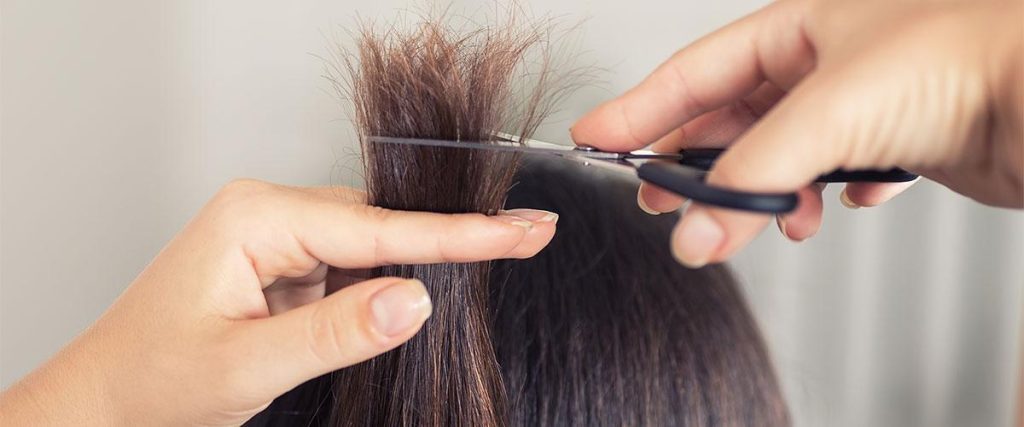
Finally, you should stay away from chopping your hair off. We know that long locks can get frustrating at times and rather than taking care of it, chopping it off is the easier way out. Avoid doing this. If you feel the need, just head for a trim as this helps your hair maintain a steady growth rate and remain healthier.

We hope some of these tips and tricks will help you maintain a healthy head of hair and good-looking locks. There are a couple of pregnancy tips here that should help with your pregnancy diet as well.

For more about pregnancy and about pregnancy care, don’t forget to join us on our social channels on Facebook and Twitter.

5 Foods To Avoid During Your First Trimester

Pregnancy is a beautiful phase of every woman’s life. There’s the happy feeling of a baby growing inside of you. A living being who will soon enter the world to shower you with loads of love and oodles of cuteness. Along with this, after you take the best pregnancy test, you also look forward to many other things.

The wonderful clothes you will wear, your glowing skin, your family doting over you but most of all the tasty food that you get to gorge on. We at Prega News know that this is an important phase but not every kind of food is advisable to eat at this point, thus we provide you with a few pointers to add to your pregnancy diet.

RAW VEGGIES

For those of you who prefer following a very rigorous pregnancy diet, we suggest you take a close look at what kind of healthy food you are eating. Stay away from raw veggies always. Boil them, sauté them but never eat them raw. Keep away from Tulsi or Basil leaves as these are extremely bad for your baby.

foods to avoid your during first trimester - Raw veggies
foods to avoid your during first trimester - Pineapples

PINEAPPLES | PAPAYAS

For all the fruit lovers out there, you’ll have to give up Pineapples and Papayas. However tasty they may be, they lead to uterine contractions which increase the chance of a miscarriage.

RAW EGGS/MEAT

Pregnancy care is all about being careful and knowing what not to eat is vital especially in the case of meat lovers. Raw eggs and raw meat are out of the question when it comes to your diet. Medium cooked meat or raw meat can lead to brain disorder in your child. The liver is another meat you should completely avoid.

foods to avoid your during first trimester - raw eggs
foods to avoid your during first trimester - Fish

FISH (CERTAIN VARIETIES)

Fish are known to have a high mercury count in them. Avoid fish like Swordfish and Mackerel. The high mercury content may hamper brain development in your child. Sushi is a BIG No. Of course, well-cooked fish is a welcome dish for your taste buds.

AND CHEESE

The final item you should avoid during your first trimester is certain kinds of cheese like soft cheese, blue cheese, brie, and feta. Raw milk or unpasteurized milk is harmful to your child to avoid it at all costs. Apart from this, milk products are advised for you to enhance calcium levels in your body.

Now, for pregnancy tips on what you should eat, visit here. For everything else about pregnancy and about pregnancy care, don’t forget to join us on our social channels on Facebook and Twitter.

foods to avoid your during first trimester - Cheese

5 Tips For Fathers On Taking Care Of Their Baby When Alone

Take a look at the web and you’ll be amazed by the number of “hilarious” photos and videos titled “why you can’t leave your child alone with fathers”, you’ll find there. While they may be funny, it speaks volumes of a problem that we do not necessarily acknowledge. We’re generally taught that it is solely the responsibility of the mother to take care of the child, while the fathers have to take more of a supporting role.

This type of thinking is not just outdated, but insulting to both genders. As mothers, women should not be expected to take care of the child by themselves. Neither should fathers think of raising a child as mostly a “woman’s job”. The father should have enough parent skills to take care of the kid when the mother isn’t around. That is why here are a couple of tips that should help fathers take care of their child when they’re by themselves.

Put their interests first, always

So you enjoy drinking or smoking? Guess what – it’s not good for them, and you’re setting an example with everything you do. Say goodbye to all these bad habits. You should also take this opportunity to get to know your kid, find out his interests, what he likes and dislikes. There are many times that parents are not able to understand or do not know their own kids. Remember, the bond you make in the early years will last for a lifetime.

Father Taking Care Of Their Baby Alone By putting interest in them
Father Taking Care Of Their Baby Alone by Playing with them

Talk to your baby as often as you can

Whether you’re carrying your baby or changing diapers you should keep talking. For example, ‘Let’s get this nappy changed. That feels better, doesn’t it? Here’s a nice clean nappy. Don’t cry – we’ll be finished soon’. Studies have shown that every word a baby hears helps develop his language and learning. It also strengthens your relationship with him. Telling stories, reading books or singing songs has the same effect.

Connect through touch

Physical touch should not be underestimated. It makes your baby feel safe and secure and builds trust and connection with you. Research has shown that this kind of bonding with kids also stimulates your baby’s brain development. You should try carrying and holding your baby as often as you can. If you hold her to your chest, she can also hear your heartbeat!

Father Taking Care Of Their Baby Alone by connecting emotionally
Father Taking Care Of Their Baby Alone by Educating Them

Educate yourself

Remember you’re not alone if you feel nervous or unsure about being a new dad – there are always things to learn. For example, you can find information by checking out Preganews.com, talking with other dads and attending parenting groups. It has to be said that the best way, however, to learn is by doing – spending lots of time caring for your baby.

It’s okay to ask for help

So, now that you’ve volunteered to stay with your child by yourself, you stumble on a problem. You need to remember that if you can’t find a solution to her distress, don’t be too proud to call for some help. Call your wife, call your mother; call her mother; call a friend who has been there. But don’t let yourself get angry or upset. The baby’s needs come first.

The times are changing. Mothers cannot be expected to just stay at home and take care of the baby. Whether it’s their jobs or just a break from everything, there will be times when they’ll be away from the child. That is why the fathers have to step up and take care of their kids. We hope these tips help you in your journey as a father.

Ask for help : Father Taking Care Of Their Baby Alone with his dad

Other
Mankind Brands

Other Mankind Brand - Acne Star
Other Mankind Brand - Gas-o-fast
Other Mankind Brand - HealthOk
Other Mankind Brand - EPIC
Other Mankind Brand - Manforce