
















admin, Author at Prega News | Pregnancy Test | Pregnancy Test at Home | Pregnancy Test Kit - Page 4 of 21

How to use the Prega News Advance Kit?

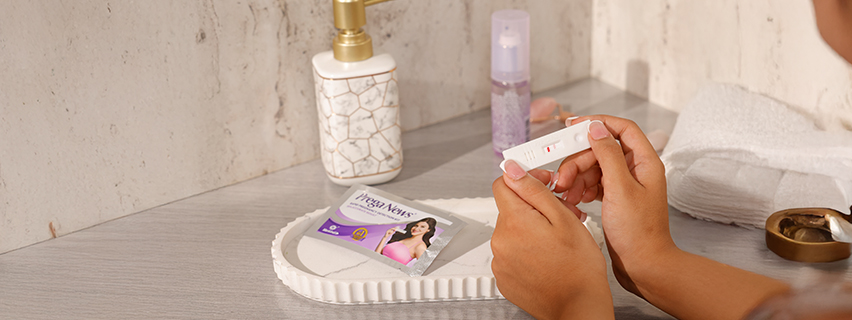
Prega News Advance Kit is designed to provide accurate results with minimum effort. In a regular pregnancy test kit, you have to collect urine samples, and with the help of a dropper, three drops are placed on the kit. This somehow requires a little effort, but what if you want to test it on the go? That means while you are traveling, and the only accessible thing you have is a toilet. This is where the Prega News Advance Kit is most effective and accessible.

In this fast-paced world, keeping track of your reproductive health is important. With adequate knowledge of early pregnancy, women can make informed decisions at the right time. This article covers everything about the Prega News Advance Kit. How it works, how it is used, how to test it, how to analyze the results, etc. You can benefit from many common answers that can guide you towards a healthy life.

Understanding Home Pregnancy Tests

Home Pregnancy tests are done with easy pregnancy kits. These kits are designed to detect the human chorionic gonadotropin (hCG) hormone. Human Chorionic Gonadotropin (hCG) is produced shortly after implantation, which typically occurs 6 to 12 days after ovulation. So when the egg implants in the uterine lining, hCG increases in the body and keeps doubling every 48-72 hours. This is an excellent and accurate way to detect pregnancy.

The Prega News Advance Kit is designed to provide 99% accurate results. If you are on a journey to get pregnant or if you are still family planning, then this portable tool can be your humble guide.

Prega News Product Range

Prega News offers two primary pregnancy testing solutions to accommodate different preferences:

1. Prega News Test Kit (Classic Version)

This one is the classic test kit that can bring you accurate results in 5 minutes. You will need to collect urine in a clean container and then place three drops in its circle. Wait for 5 minutes and read the indicators to check the results.

Features:

  • 99% accuracy in pregnancy detection
  • Results in just 5 minutes   (Align throughout. Prega News claims 5 mins typically)
  • Easy-to-use dropper system
  • Clear result window with Control (C) and Test (T) indicators

2. Prega News Advance Kit

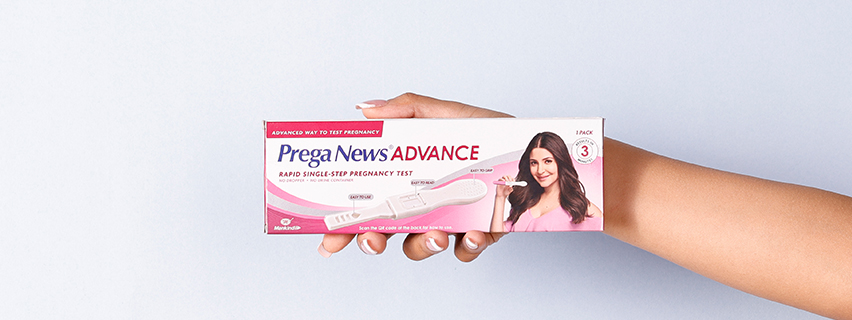
This is an advanced test kit designed for those who are not at home. But looking for an instant solution to detect pregnancy. Here, no dropper is required; you can directly place urine samples in the kit to get results. Prega News Advance does not take more than 3 minutes to give a 99% accurate result.

Features:

  • Direct midstream urine collection method
  • Comfortable thumb grip for easier handling
  • No need for urine containers or droppers
  • 99% accurate results in just 3 minutes
  • Compact, secure, and portable packaging

Both the classic and advanced can deliver quick results. They both are 99% accurate and easy to use. The only difference is the application procedure. In one, you need to collect urine, while in the other, you just need to place urine drops on it.

How Does Prega News Advance Work?

To learn in detail about how Prega News Kit works, the classic one, then refers to our article – How to use Prega News pregnancy test kit? This one has detailed info on how it works and how to use it. To use the advanced version, check out the steps below.

Advance Midstream Test – Step-by-Step Usage:

  1. First, remove the cap to expose the absorbent tip.
  2. Hold the device, keeping the tip pointing downward.
  3. Urinate on it for 10 seconds. Let the tip get thoroughly wet.
  4. Once done, place the cap back on it.
  5. Keep the device on a flat surface and wait for 3 minutes.

That’s it. Here, you don’t need a dropper for a container to collect the urine. You can place it directly below the urine stream and then wait for the results. Here is some important info on how to interpret your results.

How to Read the Results?

Both Prega News tests use the same result interpretation system:

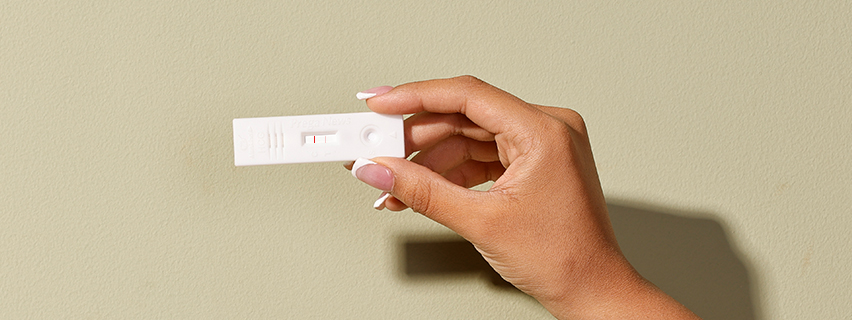
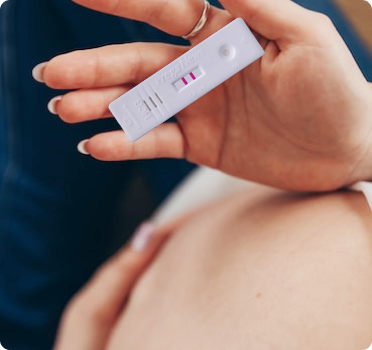
  • Positive Pregnancy – Two Pink lines on both C and T.
  • Negative Pregnancy – Pink line on both C only.
  • Invalid Test – No lines or single line on T.
  • Early Pregnancy – Dark line on C and a faint line on T.

Faint lines indicate early pregnancy or diluted urine. It can be due to drinking a lot of water. So better to check after two days; you will get a more accurate result.

Also Read – Pregnancy Tests: How They Work & What to Expect

Key Benefits of the Prega News Advance Kit

  • High Accuracy – The kit offers 99% accurate results, which are reliable and it is widely used by many medical practitioners.
  • Comfort – The advanced kit does not require much effort to collect urine and wait for 5 minutes. It is fast and delivers accurate results in less time.
  • Privacy – You can instantly dispose of the kit after checking your results. If you are not willing to share the news with others.
  • Accessibility – Prega News Advance kit is easily available at pharmacists, medical stores, etc, and does not require any Doctor’s prescription. You can buy it from various online shops.

Tips for Maximum Accuracy

  • Morning Time: Getting urine samples right after you wake up early in the morning is best. Because it has the highest amount of concentrated hCG, the kit will deliver you a more accurate result in less time.
  • Timing: Always check once you miss your period. This usually after one to two weeks after pregnancy. If you test early, you won’t get accurate results.
  • Follow Instructions: All necessary instructions to use the kit are clearly mentioned on the package. Do read them properly to avoid any false negative results.
  • Store Properly: If you are not willing to use it after purchase, store the kit in a cool and dry place. Keep it away from direct sunlight.
  • Expiration Date: Look for an expiration date. Do not buy an old kit; it will not work.

Prega News pregnancy test kits offer women a reliable, convenient, and private way to determine their pregnancy status at home. With options for both traditional card-based testing and the more convenient midstream collection, the brand caters to different preferences while maintaining high accuracy standards.

While home pregnancy tests provide excellent initial screening, they should be followed by professional medical confirmation and care. Whether you’re hoping for a positive or negative result, understanding how to properly use and interpret these tests can help you take appropriate next steps in your reproductive health journey.

Frequently Asked Questions

Q1: How soon after conception can I take a pregnancy test?

You can take a test as early as 6–14 days after ovulation, depending on hCG levels. However, testing after a missed period is more reliable.

Q2: Can medications affect my test results?

Yes, certain medications, particularly those containing hCG (some fertility treatments), can cause false positives. Additionally, diuretics and some anticonvulsants may affect results. Always mention your medications to your healthcare provider when discussing test results.

Q3: Does a faint line mean I’m pregnant?

Yes, even a faint line in the test (T) area generally indicates pregnancy, provided the control line is also visible. The intensity of the line doesn’t necessarily indicate the health or stage of pregnancy—it simply confirms the presence of the hCG hormone. Consider retesting in a few days when hormone levels are higher.

How to track Ovulation with irregular periods?

Many wannabe mothers often wonder how to track ovulation with irregular periods. Tracking ovulation is necessary if you want to conceive. However, tracking ovulation with irregular periods can often be difficult, leaving you stressed and confused. The good news is that it is absolutely possible to track ovulation growth even if your menstrual cycle doesn’t follow a set schedule.

This article will start from the basics and offer research-backed tips and methods to know how to track ovulation with irregular periods that will help you take better control of your fertility journey. However, for women frequently facing period irregularities, it is best to seek medical help from doctors who will guide you the right way.

Understanding Irregular Periods

The normal duration of a menstrual cycle in women varies between 22 to 35 days. In a typical 28-day cycle, ovulation occurs around day 14, but this varies in irregular cycles. But, for women with irregular periods, the ovulation occurs earlier or later, depending on the cycle length each month.

Menstruation cycles that are longer than 35 days or shorter than 21 days are counted as irregular periods. The contributing factors for irregular periods could be high levels of stress, significant weight gain or loss, thyroid changes, fibroids, or PCOS. 

How to track ovulation with irregular periods: 6 tested methods

Understand that not ovulating timely doesn’t mean that you are not ovulating at all; it simply means it is harder to predict. That’s when tracking ovulation methods come in. Here are 6 tested methods on how to track ovulation when periods are irregular.

1. Using an Ovulation Calculator

An ovulation calculator estimate the optimum duration for your fertility based on the average length of your cycle. While it’s more accurate for regular cycles, you can still use it by inputting a range of recent cycle lengths to find a general window.

How to Use:

  • Record your last 6–12 cycles, even if irregular.
  • Calculate your shortest and longest cycle.
  • Use the Prega News Ovulation Calculator or a fertility app to get an estimated ovulation time duration.

2. Tracking Body Temperature

A woman’s basal body temperature increases slightly after ovulation. It is due to the increased production of progesterone in the body. However, tracking your body temperature each morning helps you to identify a pattern over time. If your body temperature increases consistently, it indicates the onset of ovulation. Use a digital basal body tracking thermometer and look for the pattern of increasing temperatures for at least 30 days.

3. Using Ovulation Predictor Kits

The Ovulation predictor kits are tools that help detect the surge in luteinizing hormone. This hormone triggers the ovulation process, and the hormonal increase happens 24-36 hours before ovulation. The drawback of this method is that the ovulation predictor kits can prove to be expensive for women with irregular periods. It is best to use the ovulation predictor kit until you see other signs of ovulation.

How to use Ovulation predictor kits?

  • You can purchase an LH strip from a drugstore. It consists of a single strip that has to be dipped into a container containing a urine sample.
  • If the strip shows two double lines, it means that the LH surge has happened, and ovulation has begun.
  • Test using this kit every day until you detect an LH surge.

4. Monitor the Changes in Cervical Mucus

Before the onset of ovulation, the hormone called Estrogen changes the texture and consistency of cervical mucus, which helps the sperm to survive better. During the first few days of the menstrual cycle, the mucus is dry. However, as the ovulation progresses, the cervical mucus increases and becomes plentiful, stretchy, and clear. It is recommended to track the changes in the cervical mucus along with tracking the changes in basal body temperature to conceive.

5. Notice your Body Symptoms

Your body gives ample signals to indicate the onset of ovulation. A few signals include increased abdominal cramps, increased libido due to increased estrogen levels, heightened senses, and breast tenderness.

6.  Using hormone-based Fertility Tools

The hormone-based fertility devices are tools that identify the ideal fertility timeline window by tracking the increased production of estrogen and LH. They’re especially helpful for women with irregular cycles because they adapt to your body’s unique rhythm.

Also read: What are the Symptoms of Pregnancy?

Why Tracking Your Ovulation Matters?

Tracking your ovulation cycle is essential for healthy and timely reproduction. Here’s why tracking your ovulation matters:

  • If you are trying your best efforts to conceive naturally, knowing the duration of your ovulation helps you to time your intercourse to suit your fertility window.
  • For women with irregular periods, identifying the right fertility window can be tricky.
  • Irregular ovulation can indicate the body’s underlying hormonal imbalances and can help you notice other reproductive problems, which otherwise may have been left unattended.
  • Learning how to track ovulation when periods are irregular can increase your chances of pregnancy and give you valuable insights into your reproductive health

Lifestyle changes that support regular ovulation

Maintaining a healthy lifestyle can support your ovulation cycle and even regulate your periods. Here are a few lifestyle changes to incorporate into your lifestyle to improve ovulation when periods are irregular.

  • Eat the right balanced diet rich in whole grains, lean protein, and healthy fats.
  • Practice yoga and other mindfulness exercises to better manage stress.
  • Get good sleep, at least 7-9 hours.
  • Track your menstrual cycles to spot patterns and potential issues in advance.

Learning how to track ovulation with irregular periods is not just about fertility; it is also about understanding your body’s behaviour. While irregular cycles can make ovulation harder to predict, relying on methods such as using an ovulation calculator, monitoring basal body temperature, checking cervical mucus, and using OPKs makes it easier to take charge of your reproductive health. The most important aspect here is to rely only on trustworthy, expert-backed advice that encourages you to take the next steps confidently.

Frequently Asked Questions

1. What is the best way to track ovulation with irregular periods?

A. Notice the changes in your body, such as an increase in temperature, changes in cervical mucus, and increased abdominal pain. Closely monitoring your body’s response helps to track ovulation with irregular periods.

2. How to calculate ovulation days?

A. A woman with a typical 28-day cycle generally ovulates on the 15th of each cycle. However, if the woman’s cycle is longer or shorter than 28 days, the predicted date of ovulation changes accordingly. So, for instance, if the menstrual cycle is 32 days, then the ovulation date changes to the 19th day.

3. Are ovulation predictor kits accurate for irregular periods?

A. OPKs are undoubtedly effective. But you need to test it for a few days due to an irregular period cycle. Advanced OPKs that detect both LH and estrogen may provide more reliable results.

4. How long does it take to conceive with irregular periods?

A. It varies from person to person. Tracking ovulation consistently improves your chances. If you’re under 35 and haven’t conceived after 12 months, consult a doctor.

5. Can I still get pregnant with irregular periods?

A. Absolutely. Women with irregular periods can conceive naturally. However, it takes more time and effort to understand the nuances of your cycle. But with healthy lifestyle choices, getting pregnant is completely possible.

How to reduce Stretch Marks during Pregnancy?

There are major changes in the body during and after pregnancy. One of the most common issues that affects your appearance is stretch marks. These lines appear on the lower end of the belly, in the breast area, hip area, and on the thighs. The skin stretches as the baby grows because the body is trying to make more space for the newborn. Some women feel ashamed of stretch marks and believe they affect their appearance. But there is nothing to worry about because there are many ways to minimize them. In this article, you will get some practical advice on managing stretch marks during pregnancy.

What Are Stretch Marks?

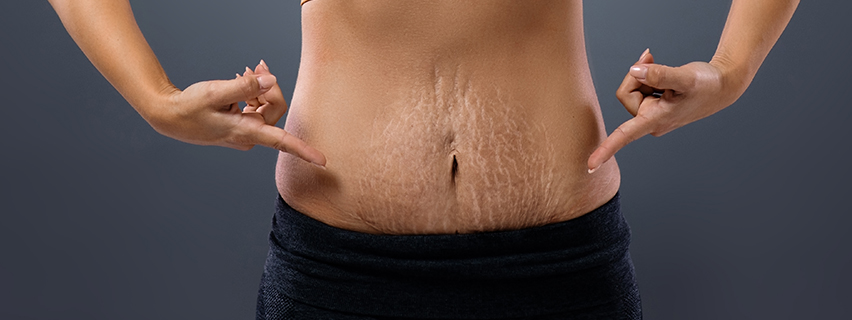
In medical terms, stretch marks are called striae gravidarum, which appear when the skin stretches quickly. They appear in pinkish or reddish colors, while in some cases, they are white or silvery. Their appearance forms lines on the belly. It has been found that more than 50% of women develop stretch marks during pregnancy. So, this is an extremely common phenomenon that can be managed with a gentle approach. First, we will understand how they are formed, and then you can check out the methods to reduce stretch marks during pregnancy.

How are they formed?

Many factors contribute to the development of stretch marks during pregnancy. Understanding these factors will give you an idea about how to deal with them in the future.

  • Instant Growth: As the belly expands quickly within a few months, the elastic fibers in the skin stretch and start to appear as marks on the surface.
  • Genetics: Sometimes, they are linked to genetics. If your mother had stretch marks, then there is a high chance that you will also have them.
  • Poor Diet: If you fail to maintain a good diet during pregnancy, then your body may be unable to maintain the skin’s elasticity, which can lead to more stretch marks.
  • Young Women: Getting pregnant early at a young age can also cause stretch marks.
  • Hormonal Changes: Pregnancy hormones can also affect the skin’s elasticity.

How to get rid of Stretch Marks during Pregnancy?

While it may not be possible to completely prevent stretch marks, you can significantly reduce their appearance with the following methods during pregnancy, but this applies only to certain cases, for example, if your body is genetically prepared to resist them. You can try out the following methods below to reduce stretch marks during pregnancy.

1. Hydration:

The key to skin elasticity is staying well-hydrated. Well-hydrated skin is more elastic and can repair itself faster. There are fewer chances it will tear when stretched. Drink around 7 to 8 glasses of water every day. Use moisturizer on the skin where you see visible stretch marks. Applying it twice a day is enough, and if there is too much dryness in the air, you can use a humidifier.

2. Nutrition:

Another key factor to reduce stretch marks during pregnancy is good nutrition. You can focus on certain fruits and nuts to increase your intake of Vitamins C and E. This will give your body more chances to heal. A good amount of protein will help your body repair the skin, and you should also focus heavily on omega-3 fatty acids during this period. Here is a nutrition chart you must focus on:

  • Vitamin C & E: Citrus fruits, strawberries, and broccoli are rich sources of Vitamin C. They also support collagen production, so keep them in your diet. For Vitamin E, focus on nuts, seeds, and green leafy vegetables.
  • Protein & Zinc: Zinc is found in lean meat, seafood, pumpkin seeds, lentils, etc. If you are a non-vegetarian, then this is not an issue. Protein is also found in eggs and meat. Protein helps repair your skin and improves its elasticity.
  • Healthy Fats: Omega-3 fatty acids are found in fish, flaxseed, and walnuts. They also promote skin elasticity.

3. Manage Weight:

Healthy weight gain is safe during pregnancy, but make sure you do not become overweight. It is beneficial for both the mother and the baby. Women should aim for a healthy weight based on the BMI provided by their doctor. Avoid excessive eating and focus on nutrition-rich food. With regular exercise, you can keep your body active and healthy. Yoga, prenatal yoga, or specialized prenatal workout programs can help you a lot. You will gradually gain more strength with time, which will support the baby’s growth.

Along with this, you can also use natural oils to manage the skin. Oils rich in Vitamin E can act as a supplement to the skin. There are many specialized creams available in the market called pregnancy anti-stretch mark creams that help reduce stretch marks.

Do not forget to wear supportive clothing—for example, supportive bras help the growing breasts manage their weight. This reduces excessive stretch marks. There are maternity support bands in the market as well. They can be used to support the belly and avoid excessive strain on the body.

How to remove stretch marks after pregnancy fast?

Once you deliver a baby, the post-pregnancy period begins. If it’s a cesarean, it is necessary to avoid any kind of physical activity. But if the delivery is natural, then you can follow the methods below to get rid of stretch marks after pregnancy.

  • Massage: A Gentle massage on the affected area with oil or cream will help reduce stretch marks quickly. Do not rub; instead, use circular motions and apply gentle pressure only.
  • Moisturize: Apply a safe moisturizer twice a day. If you can find oil, that’s even better. Focus only on the areas with stretch marks.
  • Yoga: A calm and peaceful mind promotes a healthy body. Do not rush into fixing things focus on healing yourself first. Yoga is one of the best ways to manage postpartum stress and aid in healing.

Also Read – What is Postpartum Depression

In case you want to get rid of stretch marks at all costs and nothing else works, you can opt for medical treatment, only if your doctor allows it. Most of these options are available in the hospital where you delivered the baby.

  • Laser treatments
  • Professional chemical peels
  • Microdermabrasion
  • Retinoid creams (Avoid if you are breastfeeding)

These treatments are effective only if the stretch marks are fresh, not months after delivery. If they are older, the treatment may not show good results.

Also Read – The Benefits Of Using Stretch Mark Cream During Pregnancy

When to See a Doctor?

Most stretch marks are harmless and fade away with time. Even if you do nothing, they will gradually lighten over the years. However, in some cases, you must visit a doctor if they are troubling you. For example, if the stretch marks are itchy and painful, do not ignore them—there could be an underlying skin issue that requires immediate treatment.

If the skin around the stretch mark is inflamed or if there is excessive swelling, get medical treatment immediately. These are not good signs. One more thing—if you are gaining weight very quickly or if there are any other major issues with your skin, see your doctor. Some women develop post-pregnancy complications, which can be controlled if treated at the right time.

Let your motherhood journey be smooth and radiant, for your skin too. Prega Happy – Pregnancy Anti Stretch Mark Cream is specially formulated to hydrate and soothe dry, stretched, and itchy skin during and after pregnancy. It works effectively to prevent new stretch marks, lighten existing ones, and relieve itching and irritation. Plus, its non-greasy, non-staining, and allergen-free formula ensures comfort without mess.

How to Use: Start applying it from the third month of pregnancy until at least one month post-delivery. Use it daily for the best results.

If you are searching for an effective Pregnancy Anti Stretch Mark Cream, Prega Happy is your go-to solution for skin that feels as happy as your motherhood journey.

How to Calculate Pregnancy Weeks?

Tracking pregnancy can be confusing for a common person who has no background in medical terminology. Terms like “gestational age” and “fetal age” are important factors in the pregnancy period. You will learn valuable insights that matter greatly during the most important period of a woman’s life. These insights will guide you about the baby’s development, and side by side, it will also help you to prepare for upcoming changes. Here is a detailed article on how to calculate pregnancy weeks and why it matters for you and for your baby.

Understanding Pregnancy Calculation:

A Pregnancy due date calculator works on two methods: the first is the Gestational Age, and the second is the Fetal Age. Most doctors use the gestational age method to calculate pregnancy weeks. It starts from the very first day when you miss your period. The day of conception is often ignored here, and the first date is when your last menstrual period (LMP).

What is the Gestational Age?

Pregnancy technically begins from the date of conception, when the sperm fertilizes the egg. Based on research, conception usually occurs about 2 weeks after the last menstrual period (LMP). For this reason, the first two weeks after the LMP are not counted as part of pregnancy, resulting in a full-term pregnancy of about 40 weeks (approximately 280 days) from the first day of the LMP. To learn how to count pregnancy weeks, see the example below.

Example: Assume you are 4 weeks pregnant as of 1st February. Then, 12 Weeks pregnant on March 26th, then your delivery due date will be around October 9th, which is a total of 40 weeks.

What is the Fetal Age?

Fetal age is also called embryonic age, which begins from the date of conception. This method gives a full-term pregnancy of 38 weeks. Now, you don’t have to get confused between these two methods. The goal is to find what your current pregnancy term is so that you can take the necessary precautions for a healthy delivery. There are many crucial points that both mother and father must take into consideration during this term to avoid any type of end date complications. For this, having an accurate Pregnancy due date calculator is important.

Other than this, there is one more method that is used to calculate pregnancy weeks. That is Dating via Ultrasound. It can accurately give you the exact week of pregnancy without much confusion. Ultrasound in the first Trimester, that is, the first 14 weeks, can accurately give you the exact date when the baby was conceived. There can be a max of 5 to 7 days difference. Here is the timeline you must consider if you are going with this method to find out the pregnancy’s weeks.

  • First-Trimester ultrasound – Within the first 14 weeks.
  • Second-Trimester ultrasound – Within 14 to 26 weeks.
  • Third Trimester Ultrasound – After 26 weeks.

Depending on this, your doctor will give you a due date for the final delivery. There can be a difference of 7 days max from the date of conception to the date of delivery.

Why is Calculating Pregnancy Weeks important?

There are many important benefits of keeping track of pregnancy weeks. There can be early signs when the baby needs help. Ignoring these signs can lead to fatal consequences, so it is important that you understand how your baby is growing trimester by trimester. How the baby is responding and how the mother’s health is during the pregnancy period. Here are some key pointers to remember.

Baby’s Development:

An accurate pregnancy date helps doctors to schedule proper tests and screening of the baby’s growth. This is done to avoid any end-of-date complications. They monitor how the baby is growing in the womb. The fetus must reach a milestone depending on the weeks passed. This helps doctors identify any developmental issues early. On that basis, they can modify their treatment plans. Tracking pregnancy also allows parents to make necessary decisions if required.

For example, during the first four weeks, fertilization occurs, and the placenta forms. Basic structure starts developing. In the next four weeks, organs, facial features like eyes, ears, mouth, etc., start developing. By week 8, the embryo turns into a fetus. Fingers, nails, toes, Genitals, etc., start developing in the next four weeks. The bones become harder, and the digestive system develops. This is the time when the Fetus starts to move.

By the end of the second trimester, which is the end of the 26th week, the baby becomes strong enough to survive outside the womb in the ICU if there is any emergency. The mother can feel the baby, and doctors can monitor the baby’s heartbeat, lung development, and brain growth. During the last trimester, the baby gained weight, and the eyes started opening and closing. The lungs mature, and the fetus can now move in the head-down position. All these incremental developments are highly important in a baby’s growth.

Also Read – The Stages of Fetal Development Month-by-Month in Pregnancy

Planning for Delivery:

Now you understand the importance of Pregnancy Calculation and how to calculate it in weeks. Once your doctor is aware of which week you are in, informed decisions can be made. Sometimes, due to complications, doctors have to make an early call for the mother’s safety. This is where Cesarean surgery happens to keep the baby and mom safe. It is one of the safe procedures carried out to avoid any major issues.

Every week, you can get yourself ready for the delivery. Calculating pregnancy weeks allows you to get a roadmap of the necessary dietary and lifestyle changes required for the good growth of the baby. Every milestone is important, depending on which treatment can be adjusted. This also helps parents to get an estimated date and time of delivery. So that everyone is prepared to welcome the new member of the family.

Whether you use the LMP method, adjust for irregular cycles, or rely on ultrasound dating, keeping track of your pregnancy weeks will help ensure the healthiest possible outcome for you and your little one. Remember that while due date calculations offer good estimates, every pregnancy is unique. Regular prenatal care and open communication with your healthcare provider remain the most important factors in a healthy pregnancy.

How Soon Can Pregnancy Be Detected?

The eagerness to find out whether you’re pregnant can be both exciting and overwhelming. Whether you are actively trying to conceive or missed a period, it is common to wonder and ask yourself: how soon can pregnancy be detected? During your pregnancy, your body goes through countless hormonal changes and these changes are reflected in your body through your urine.

Thanks to modern pregnancy tests, many women can now confirm pregnancy earlier than ever before. In this article, we’ll explore everything you need to know about early pregnancy detection, including when and how to test, signs to look out for, and the best practices to ensure accurate results.

What is a Pregnancy Test?

A pregnancy test is a home-based or clinic-based test that women can take to determine whether they are pregnant or not. These tests are known to be the most reliable from the first day of a missed period. If you are unsure of when your next period is due, you can do a test at least 21 days after you had unprotected sex. From the beginning of your pregnancy, even if you are unaware, your body undergoes a lot of changes to support the developing cells of your baby.

How early can you detect pregnancy?

There are various types of pregnancy tests, the most common one being the home pregnancy detection test. Let’s take a deep look at how soon can pregnancy be detected by taking these tests.

1. Using a Home Pregnancy Detection Kit

A home pregnancy detection kit relies on urine tests to determine whether you’re pregnant or not. At the earliest, the detection can happen around 10-14 days after ovulation. These tests have an accuracy of more than 99% when used correctly at the right time. The best time to use the home-based pregnancy detection kit is in the morning after you get up. During the morning time, the production of pregnancy-related hormones is the highest and it is most concentrated too.

The home-based pregnancy detection kit from Prega News is available over the counters in a medical store. It is advised to rely on trusted brands to know how early can you detect pregnancy. 

2. Blood Test at a Doctor’s Clinic

If you are not comfortable conducting a home-based detection test, you can go for a blood test at a doctor’s clinic. These tests can be detected at the earliest within 6-8 days after ovulation. The process involves giving a sample of your blood at the doctor’s clinic and the reports then confirm whether you are pregnant or not. This form of pregnancy detection test is highly sensitive and can identify even the smallest hormonal changes.

This can be the most accurate bet if you’re wondering how early can you detect pregnancy. However, the drawback is that it requires a clinical setting, unlike the home-based pregnancy detection kit.

Understanding How Pregnancy Detection Kit Works

To know how effective these tests are, it is necessary to understand how pregnancy detection kit works. Both the urine-based pregnancy test and blood tests identify the hormone called human chorionic Gonadotropin (HCG) which is produced only in pregnant women.

The baby implantation process happens within 6 to 8 days after ovulation. Once the implantation is successful, the hCG levels in the body begin to rise and can be easily detected in the urine or blood test in a day or two. Thus when you use a home-based pregnancy detection kit, these changes are reflected in your urine and that’s how early you can detect a pregnancy.

Tips to increase pregnancy test accuracy

There can be situations where pregnancy tests deliver wrong results. Follow these tips that ensure your pregnancy test results are true and accurate.

  • Rely only on the first urine of the day as it contains more levels of hCG.
  • Do not drink excessive fluid like water or juices before using the pregnancy detection kit as it can dilute the hormone.
  • Wait for 7 days after a missing period. It leads to more reliable results.
  • Each type of home-based pregnancy test has a set of instructions written on the kit. Follow these instructions closely to get the correct results.
  • In case you are unsure, you can always take a second test after a couple of days that helps you detect your pregnancy soon.
  • Consider consulting a medical professional if you are doubtful of the results from the pregnancy detection kit.

When Should You Visit a Doctor after Detecting Pregnancy?

After you have confirmed a positive pregnancy test, you can wait for a week or 15 days before visiting your gynaecologist or a family doctor. Your doctor will:

  • Confirm the pregnancy news with a blood test or ultrasound.
  • Calculate your due date.
  • Start your initial pregnancy care schedule.
  • Discuss lifestyle changes and supplements

The rate of early pregnancy loss is high and hence it is recommended to wait for 15 days before you consult your doctor. However, if you experience consistent abdominal pain, consult a doctor right away because such situations demand prompt medical care.

So coming back to the critical question, how soon can pregnancy be detected? It depends on your choice of pregnancy detection test and the body’s capability to produce the HGC post-ovulation. Most home pregnancy detection kits are accurate if tested around the time of your missed period. Early detection of pregnancy is often more empowering and beneficial. It encourages you to take good care of your body and prepare for the incredible journey of motherhood.

Frequently Asked Questions

1. How soon can a pregnancy test read positive?

A. In almost many cases, a home pregnancy test reads positive within 10 days of conception. However, it is best to wait for 1 week after a missed period for the best results.

2. How early do pregnancy symptoms start?

A. Most women commonly notice the symptoms within 4 to 6 weeks after conception, while some women may experience even sooner such as early as one or two weeks.

3. What is the maximum delay in periods if not pregnant?

A. A delay of 35-40 days is considered normal, especially if you have a variable menstrual cycle. However, if there is a delay of more than 40 days, it is advisable to consult a doctor to know the underlying issues.

4. Is a Blood test more accurate than a urine test for early pregnancy detection?

A. Blood tests for pregnancy detection are known to be more sensitive and can detect even the lower levels of HGC, making them a reliable choice if you want to know how early can pregnancy be detected. However, they have the same accuracy rate as those of home-based pregnancy detection kit.

5. Can I get a false negative on a Pregnancy Test?

A. If you are testing too early, the HCG levels might be too low to get detected in the urine pregnancy test. It is recommended to wait for a few days and then test again if you haven’t got your period.

6. How accurate are the home-based pregnancy tests?

A. The home-based pregnancy detection kit is typically 99% accurate, provided you follow the instructions as stated on the kit and conduct the testing at the right time.

Diabetes during Pregnancy: Things You Must Know

Diabetes is a condition that affects how your body regulates blood sugar (glucose). During pregnancy, managing blood sugar levels becomes even more crucial as it directly impacts both the mother and the baby. Whether you’re diagnosed with diabetes before pregnancy or develop it during pregnancy, understanding its symptoms, causes, effects, and treatment is essential to ensure a healthy pregnancy journey.

What is Diabetes?

Diabetes is a medical condition where the body either does not produce enough insulin (a hormone that helps regulate blood sugar) or cannot effectively use the insulin it does produce. This leads to higher-than-normal blood sugar levels, which, if left uncontrolled, can lead to serious health complications.

During pregnancy, some women may develop gestational diabetes, which is a type of diabetes that occurs for the first time during pregnancy. Gestational diabetes typically disappears after the baby is born, but it increases the mother’s risk of developing type 2 diabetes later in life.

Symptoms and Causes of Diabetes During Pregnancy

Symptoms of Pregnancy Diabetes
The symptoms of diabetes during pregnancy are often subtle and may be confused with typical pregnancy symptoms. However, it’s important to be aware of common signs that might indicate pregnancy diabetes:

  • Excessive thirst
  • Frequent urination
  • Fatigue
  • Blurred vision
  • Unexplained weight loss (more common in type 1 diabetes)

These symptoms may appear during routine prenatal care visits, which is why doctors often recommend a pregnancy diabetes test (also known as a glucose tolerance test) to monitor blood sugar levels.

Causes of Diabetes During Pregnancy
The exact cause of gestational diabetes is not always clear, but certain factors increase the risk, including:

  • Hormonal changes: Pregnancy hormones can interfere with the body’s ability to use insulin, leading to higher blood sugar levels.
  • Obesity: Women who are overweight or obese before pregnancy are more likely to develop diabetes during pregnancy.
  • Family history: A family history of diabetes, particularly in close relatives, increases the risk.
  • Age: Women over the age of 25 have a slightly higher risk of gestational diabetes.

Effects & Treatment of Diabetes During Pregnancy

Effects of Pregnancy Diabetes
If left unmanaged, diabetes during pregnancy can lead to complications for both the mother and the baby. Some potential risks include:

  • For the Baby: Babies born to mothers with pregnancy diabetes are at risk for excessive birth weight, leading to complications during delivery. They may also have low blood sugar at birth, which requires immediate treatment. In rare cases, untreated diabetes can lead to stillbirth.
  • For the Mother: Gestational diabetes increases the risk of preeclampsia (a pregnancy-related condition that causes high blood pressure), as well as the likelihood of needing a cesarean section (C-section). It also raises the chance of developing type 2 diabetes later in life.

Treatment of Diabetes During Pregnancy
The goal of treating diabetes during pregnancy is to keep blood sugar levels within a target range to prevent complications. Some common strategies include:

  1. Healthy Eating: A well-balanced diet is crucial for managing diabetes during pregnancy. Your doctor or dietitian can help create a meal plan that keeps blood sugar levels steady.
  2. Regular Physical Activity: Moderate exercise, like walking or swimming, can help regulate blood sugar levels and reduce the risk of complications.
  3. Monitoring Blood Sugar Levels: Regularly checking your blood sugar levels will help ensure they stay within the recommended range. Doctors may advise more frequent testing for women with pregnancy diabetes.
  4. Medication: In some cases, lifestyle changes may not be enough to control blood sugar, and doctors may prescribe insulin or other medications that are safe for use during pregnancy.

It is important to work closely with your healthcare team to manage diabetes during pregnancy and undergo regular prenatal care to ensure both you and your baby stay healthy.

Conclusion

Diabetes and pregnancy can be a challenging combination, but with the right management and care, most women can have a healthy pregnancy. Early detection through a pregnancy diabetes test, followed by appropriate treatment, can reduce the risks associated with high blood sugar levels during pregnancy. Being aware of the symptoms and causes of diabetes in pregnancy is essential for both prevention and timely intervention. With the help of healthcare professionals and lifestyle adjustments, women can navigate diabetes during pregnancy while ensuring their own health and their baby’s well-being.

FAQs

What happens if you have diabetes in pregnancy?
If you have diabetes during pregnancy, it can increase the risk of complications for both the mother and baby, such as high birth weight, preterm birth, and preeclampsia. Regular monitoring and appropriate treatment can help manage these risks effectively.

How do you treat diabetes during pregnancy?
Diabetes during pregnancy is treated through a combination of a healthy diet, regular physical activity, and frequent blood sugar monitoring. In some cases, insulin or other medications may be prescribed by your doctor.Is it safe to be pregnant with diabetes?
Yes, it is safe to be pregnant with diabetes as long as blood sugar levels are well-controlled. Close medical supervision and following a healthy lifestyle are key to managing diabetes during pregnancy and ensuring a healthy outcome for both mother and baby.

Anesthesia During Labor and Delivery: What You Should Know

Labor and delivery are some of the most intense experiences a woman can go through, and for many, pain management is a top concern. This is where anesthesia comes into play, offering pain relief during childbirth. Understanding the types of anesthesia available, how they work, and the potential side effects is important for making informed decisions about pain relief during labor.

What is Anesthesia?

Anesthesia is a medical intervention used to prevent pain during surgery or other procedures. It works by blocking nerve signals, preventing the brain from perceiving pain. In the context of labor and delivery, anesthesia is often used to manage the intense pain that comes with contractions and childbirth.

The two main types of anesthesia used during labor are regional anesthesia (like epidurals) and general anesthesia. Regional anesthesia numbs a specific part of the body, while general anesthesia puts the patient to sleep, though the latter is rarely used in vaginal deliveries.

Types & Uses of Anesthesia

There are several types of anesthesia used during labor and delivery, each serving different purposes depending on the needs and circumstances of the mother and baby.

  1. Epidural Anesthesia:
    This is the most common type of anesthesia used during labor. It involves injecting an anesthesia medicine into the lower back to block pain from the lower part of the body. An epidural provides significant pain relief while allowing the mother to remain awake and aware of the delivery. It is often requested when labor becomes too painful to manage without intervention.
  2. Spinal Anesthesia:
    This type of anesthesia is similar to an epidural but is administered directly into the spinal fluid, usually in cases of cesarean sections. It works faster and offers complete numbness from the abdomen downward.
  3. General Anesthesia:
    General anesthesia is rarely used during labor but may be required in emergency C-sections when there is no time to administer a regional block. Under general anesthesia, the mother is completely unconscious.
  4. Local Anesthesia:
    Local anesthesia is often used to numb a small area, usually during a perineal repair after childbirth. It doesn’t relieve the pain of labor itself but can be useful for specific procedures.

The choice of anesthesia depends on several factors, including the stage of labor, the mother’s health, and any complications that may arise during delivery.

Side Effects of Anesthesia During Labor

While anesthesia offers immense relief from pain, it’s important to understand that there are potential anesthesia side effects, particularly with the use of epidural anesthesia during labor. Some of the common side effects include:

  • Lowered blood pressure: Epidurals can sometimes cause a drop in blood pressure, which may affect the baby’s oxygen supply. To counter this, medical staff monitor the mother closely and may administer fluids or medication to stabilize blood pressure.
  • Nausea and vomiting: Some women may feel nauseous or experience vomiting as a result of the anesthesia. This is more common with spinal or general anesthesia.
  • Difficulty pushing: Epidurals may reduce the urge to push, which can prolong the second stage of labor. This is why mothers with epidurals are often guided by their doctors or midwives on when to push.
  • Backache: Some women experience back pain where the epidural was administered. This can last for a few days but typically resolves on its own.
  • Headache: In rare cases, a woman may experience a spinal headache if spinal fluid leaks during the administration of the anesthesia. This can usually be treated effectively, but it can be quite uncomfortable in the meantime.

Despite these potential side effects, anesthesia remains a safe and effective way to manage labor pain for many women, and medical professionals are equipped to manage any complications that arise.

Conclusion

Anesthesia plays a critical role in pain management during labor and delivery, helping countless women experience childbirth with minimal pain. Understanding the types of anesthesia available and their potential side effects allows mothers-to-be to make informed decisions. With the guidance of their healthcare providers, women can choose the pain relief method that best suits their needs and preferences.

FAQs

What anesthesia is given during labor or delivery?
The most common type of anesthesia given during labor is epidural anesthesia, which numbs the lower part of the body. Spinal anesthesia is often used for cesarean sections, while general anesthesia may be administered in emergencies.

What are the side effects of anesthesia during pregnancy?
Common side effects of anesthesia during labor include lowered blood pressure, nausea, difficulty pushing, and in rare cases, headaches or backaches. However, these side effects are typically manageable and monitored by healthcare professionals.Is anesthesia given in normal delivery?
Yes, anesthesia, most commonly in the form of an epidural, is often used during vaginal deliveries to relieve labor pain. However, it is not always necessary, and some women choose to go through labor without anesthesia.

Tips on Routine Pregnancy Care

Pregnancy is an exciting and life-changing journey, but it also comes with the responsibility of ensuring the health and well-being of both the mother and baby. Taking proper care during this time is crucial, and developing a solid routine can make a big difference. In this blog, we will explore what routine pregnancy care is, offer some essential pregnancy care tips, and highlight the importance of taking early pregnancy care seriously.

What is Pregnancy Routine Care?

Routine pregnancy care refers to the regular practices and habits a pregnant woman adopts to maintain her health and ensure the smooth development of her baby. It involves a combination of regular check-ups with healthcare providers, following a nutritious diet, staying active, and avoiding harmful substances. Early pregnancy care tips are especially crucial as they set the foundation for a healthy pregnancy from the very start. By incorporating a solid routine, you can ensure that both you and your baby are getting the best care possible throughout this journey.

Tips for Healthy Routine Pregnancy Care

To ensure your pregnancy progresses smoothly, it’s essential to follow certain habits and practices. Here are some pregnancy care tips to help you establish a healthy routine:

  • Regular Doctor Visits: One of the most important early pregnancy care tips is scheduling regular visits to your healthcare provider. These visits help monitor your baby’s growth, ensure there are no complications, and allow you to discuss any concerns you may have.
  • Balanced Nutrition: A healthy diet is a key aspect of pregnancy care. Ensure your meals include a variety of nutrients—such as protein, iron, calcium, and folic acid—which are vital for your baby’s growth and your own health. Incorporate fruits, vegetables, whole grains, and lean proteins into your diet.
  • Stay Hydrated: Drink plenty of water throughout the day. Staying hydrated helps your body cope with the increased blood volume and aids in the formation of amniotic fluid, which protects your baby.
  • Regular Exercise: Light to moderate physical activity, such as walking, swimming, or prenatal yoga, is highly recommended. Exercise can help reduce back pain, improve sleep, and prepare your body for labor. Always consult your doctor before starting any exercise routine.
  • Get Enough Sleep: Adequate rest is crucial during pregnancy, especially in the early stages. Aim for 7-9 hours of sleep each night to help your body recover and manage the changes it’s undergoing.
  • Take Prenatal Vitamins: Your doctor may prescribe prenatal vitamins containing folic acid, iron, and calcium to ensure your body gets all the necessary nutrients to support your baby’s development.
  • Avoid Harmful Substances: Steer clear of alcohol, tobacco, and drugs during pregnancy, as they can have harmful effects on your baby’s development. Additionally, limit your intake of caffeine and be mindful of environmental hazards like heavy lifting or exposure to toxic chemicals.

Importance of Pregnancy Care

Pregnancy care is crucial for both the mother and baby’s health. Early pregnancy care is especially important because it sets the stage for the entire pregnancy. Attending regular check-ups allows doctors to detect any potential issues early on, which can prevent complications. Maintaining a healthy lifestyle with proper nutrition, exercise, and rest ensures the baby receives the nutrients and environment it needs to grow.

Pregnancy care tips such as avoiding harmful substances and staying hydrated can also reduce the risk of complications, including preterm labor or low birth weight. Moreover, a proper routine prepares your body for labor, reducing the likelihood of unnecessary stress or discomfort during delivery. Ultimately, following a comprehensive pregnancy care routine gives you peace of mind, knowing you’re doing everything possible to protect your baby’s health.

Conclusion

Establishing a routine for pregnancy care ensures both the mother and baby are in the best possible health throughout the pregnancy journey. From regular doctor visits and nutritious meals to proper rest and exercise, small steps go a long way in ensuring a smooth and healthy pregnancy. Early pregnancy care is especially crucial to avoid complications and ensure the baby’s proper development. By following these pregnancy care tips, you can enjoy the experience with confidence and peace of mind.

FAQs

What should be the daily routine during pregnancy?
A daily routine during pregnancy should include regular meals rich in nutrients, staying hydrated, light exercise like walking or yoga, taking prescribed prenatal vitamins, and getting enough rest. Regular check-ups with your doctor should also be part of your routine.

What are the tips for a healthy pregnancy?
Some tips for a healthy pregnancy include eating a balanced diet, staying hydrated, engaging in moderate exercise, getting enough sleep, avoiding harmful substances, and regularly visiting your healthcare provider for prenatal care.

Why is early pregnancy care important?
Early pregnancy care is essential as it helps identify and manage any potential risks or complications at the beginning of the pregnancy. It also ensures that both the mother and baby receive the right care from the start, improving the chances of a healthy pregnancy and delivery.

How To Increase Your Metabolism during Pregnancy?

Pregnancy is a time of significant change, both physically and emotionally. One of the most fascinating aspects of pregnancy is how it affects your metabolism. As your body adjusts to support the growing life within, you may notice fluctuations in your energy levels, appetite, and weight gain. Understanding the metabolic changes during pregnancy and learning how to boost your metabolism can help you maintain a healthy lifestyle throughout this special time.

What is Metabolism?

Metabolism refers to the chemical processes in your body that convert the food you eat into energy. This energy is vital for everything your body does—from breathing and circulating blood to growing a baby during pregnancy. Your metabolism is controlled by your thyroid gland, and it operates through two main functions: catabolism (breaking down molecules to produce energy) and anabolism (building up molecules to store energy).

In pregnancy, your body requires more energy, which leads to changes in metabolism to support the baby’s development. These metabolic changes during pregnancy often result in increased calorie needs, but the rate of metabolism can vary depending on different factors.

Difference Between Fast and Slow Metabolism

Metabolism can be categorized as fast or slow, depending on how quickly your body processes food and burns calories.

  • Fast metabolism: This means your body burns calories quickly, even when you’re at rest. People with fast metabolism tend to maintain a stable weight, find it easier to stay lean and may need to consume more calories to sustain energy levels.
  • Slow metabolism: A slow metabolism processes calories more slowly, meaning fewer calories are burned at rest. This can lead to weight gain, fatigue, and difficulty in losing weight.

During pregnancy, some women experience a natural increase in metabolism, while others may struggle with a slower metabolic rate. The key to maintaining a balanced weight and energy level is understanding how pregnancy and metabolism interact.

Does Metabolism Speed Up During Pregnancy?

Yes, for most women, metabolism does speed up during pregnancy. As your body works to nourish your baby, it requires extra calories to meet the demands of both you and the baby. This increase in calorie needs causes your metabolism to rise, particularly in the second and third trimesters.

Your body becomes more efficient in converting nutrients from food into energy that’s shared between you and the baby. This can make it easier to manage weight during pregnancy, but only if paired with a balanced diet and regular exercise.

Tips to Boost Metabolism During Pregnancy

While pregnancy naturally speeds up metabolism to some degree, there are several ways to increase metabolism during pregnancy even further to maintain healthy energy levels and support your baby’s development.

1. Stay Active

Exercise is one of the most effective ways to boost metabolism. Low-impact activities like walking, swimming, and prenatal yoga help improve circulation, enhance muscle tone, and increase calorie burn. Exercise also helps in managing weight gain during pregnancy.


2. Eat Small, Frequent Meals

Eating smaller meals more frequently throughout the day can help keep your metabolism active. Instead of three large meals, try to eat five to six smaller ones to provide your body with a steady flow of energy.


3. Hydrate

Staying hydrated is crucial for maintaining a healthy metabolism. Drinking water helps your body process calories more efficiently, and dehydration can cause your metabolism to slow down. Aim for at least eight glasses of water a day, and consider adding water-rich fruits and vegetables like cucumber and watermelon to your diet.


4. Include Protein-Rich Foods

Protein has a higher thermic effect than fats or carbohydrates, meaning your body burns more calories digesting it. Including lean proteins like chicken, turkey, eggs, and plant-based sources like beans and tofu can give your metabolism a significant boost.


5. Get Plenty of Sleep

Lack of sleep can negatively affect your metabolism, leading to weight gain and reduced energy levels. Ensure you get enough rest each night to support metabolic function. Try to aim for 7-9 hours of sleep, and consider naps during the day if necessary.


6. Avoid Processed Foods

Processed foods are often loaded with sugars and unhealthy fats, which can slow down your metabolism and lead to excessive weight gain. Instead, focus on whole foods such as fruits, vegetables, whole grains, and lean proteins to keep your metabolism functioning optimally.


7. Manage Stress

High-stress levels can cause hormonal imbalances that may affect your metabolism. Activities like meditation, deep breathing, and spending time in nature can help reduce stress and support healthy metabolic function.


Conclusion

Understanding pregnancy metabolism and the metabolic changes during pregnancy is crucial for maintaining a healthy body and ensuring your baby gets the nutrients they need. By staying active, eating a balanced diet, and taking care of your mental health, you can help regulate your metabolism and support a healthier pregnancy.


FAQs

What affects metabolism in pregnancy?
Several factors can affect metabolism during pregnancy, including hormonal changes, increased calorie needs, activity levels, and overall health. As your body works to support your baby, these factors naturally raise your metabolic rate.

How can I have a healthy metabolism?
To maintain a healthy metabolism during pregnancy, stay active with low-impact exercises, eat a nutrient-rich diet, hydrate regularly, and manage stress. Getting adequate rest is also essential for supporting your metabolism.

Which foods increase metabolism?
Foods that can help boost metabolism include protein-rich foods like lean meats, fish, eggs, and plant-based proteins. Whole grains, water-rich fruits and vegetables, and foods rich in fiber also support a healthy metabolism.

The Benefits Of Using Stretch Mark Cream During Pregnancy

Pregnancy is a beautiful journey, but it can bring significant changes to your body. One common change that many women experience during pregnancy is the development of stretch marks. While they are a natural part of pregnancy, many women look for ways to minimize their appearance. This is where stretch mark creams come into play. In this blog, we will explore what stretch marks are, the benefits of using stretch marks and scar creams, and when to start applying an anti-stretch mark cream to keep your skin looking its best during and after pregnancy.

What is a Stretch Mark?

Stretch marks are thin, long lines that appear on the skin when it is stretched beyond its normal capacity. During pregnancy, the body grows rapidly to accommodate the baby, which can cause the skin to stretch. This stretching damages the collagen and elastin fibers in the skin, resulting in the appearance of stretch marks. These marks typically show up on the stomach, thighs, hips, and breasts.

While stretch marks are not harmful, many women prefer to reduce their appearance for aesthetic reasons. Fortunately, there are creams designed specifically to target these marks, and using a stretch marks removal cream can help minimize their visibility.

Benefits of Stretch Mark Cream

Using a stretch mark cream during pregnancy can offer several benefits. Whether you’re looking for the best stretch mark removal cream or simply a no-stretch marks cream, here are some advantages to consider:

  • Hydrates the Skin: One of the key benefits of a stretch mark cream is that it deeply moisturizes the skin, making it more elastic and able to stretch without tearing. Hydrated skin is less likely to develop stretch marks as it has better resilience to rapid changes.
  • Boosts Collagen Production: The best stretch mark removal creams in India often contain ingredients that help boost collagen production. Collagen is essential for skin elasticity, and by stimulating its production, you can reduce the likelihood of new stretch marks forming.
  • Reduces the Appearance of Existing Stretch Marks: If you already have stretch marks, using a stretch mark and scar cream can help fade their appearance. Over time, consistent application of a stretch mark removal cream can make these lines less visible, leaving your skin looking smoother.
  • Prevents Scar Formation: Stretch marks are technically a form of scar tissue. By applying a no-stretch marks cream, you can prevent the formation of deep scars. Regular application helps the skin heal and reduces the chances of severe scarring.
  • Safe for Pregnant Women: Many of the best stretch mark removal creams are formulated with natural and safe ingredients that are suitable for use during pregnancy. These creams are free from harmful chemicals and work gently on the skin to provide effective results without causing any harm to you or your baby.

When to Start Applying an Anti-Stretch Mark Cream

Timing is crucial when it comes to preventing and reducing stretch marks. The earlier you start applying a stretch mark and scar cream, the better. Most experts recommend starting to use stretch marks removal cream in India as early as the second trimester. This is the time when your body starts to grow more rapidly, and your skin will need the extra hydration and support.

Applying stretch mark cream consistently, twice a day, is key to seeing results. Make sure to focus on areas that are most prone to stretching, such as the stomach, hips, thighs, and breasts. Even after pregnancy, continue using the cream to help your skin regain its elasticity and heal any existing marks.

Conclusion

Stretch marks are a natural part of pregnancy, but that doesn’t mean you can’t take steps to minimize them. Using a stretch mark and scar cream is a great way to keep your skin hydrated, boost collagen production, and reduce the appearance of stretch marks. By starting early and being consistent, you can give your skin the support it needs during this transformative time. Whether you’re looking for the best stretch mark removal cream or just want a no stretch marks cream, finding a product that works for you can make a big difference in how your skin looks and feels during and after pregnancy.

FAQs

When should I start using stretch marks cream during pregnancy?
It’s recommended to start using stretch marks cream in the second trimester when your body starts to grow more rapidly. This can help prevent the formation of new stretch marks and reduce the appearance of existing ones.

What are the effects & benefits of pregnancy stretch mark cream?
Pregnancy stretch mark creams hydrate the skin, boost collagen production, and reduce the appearance of existing stretch marks. They help keep the skin elastic, preventing the formation of scars, and provide the skin with the nourishment it needs during pregnancy.Is it safe to use stretch mark cream when pregnant?
Yes, most stretch mark creams are formulated with safe, natural ingredients that are suitable for use during pregnancy. Always check the ingredients and consult with your doctor if you have any concerns.

Other
Mankind Brands

Other Mankind Brand - Acne Star
Other Mankind Brand - Gas-o-fast
Other Mankind Brand - HealthOk
Other Mankind Brand - EPIC
Other Mankind Brand - Manforce