












admin, Author at Prega News | Pregnancy Test | Pregnancy Test at Home | Pregnancy Test Kit - Page 22 of 22

Breastfeeding Benefits For Mom & Baby

Making a decision to breastfeed is a very personal matter and choice. But before making that choice it is important to know everything related to it. After all, it’s about you and your baby’s health.

The American Academy of Paediatrics recommends exclusive breastfeeding for the first six months not only because it is best for your baby but also because benefits of Breastfeeding extend well beyond basic nutrition. It contains all the vitamins and nutrients that the baby needs in the first six months of life and also has disease-fighting substances that protect the newly-born from illness.

Breastfeeding benefits to Baby

  • Numerous studies from around the world have shown that stomach viruses, lower respiratory illnesses, ear infections, and meningitis occur less often in breastfed babies and are less severe when they do happen.
  • The main immune factor at work here is a substance called secretory immunoglobulin A (IgA) that’s present in large amounts in colostrum, the first milk your body produces for your baby. (Secretory IgA is present in lower concentrations in mature breast milk.) The substance guards against invading germs by forming a protective layer on the mucous membranes in your baby’s intestines, nose, and throat.
  • Your breast milk is specifically tailored to your baby. Your body responds to pathogens (virus and bacteria) that are in your body and makes secretory IgA that’s specific to those pathogens, creating protection for your baby based on whatever you’re exposed to.
  • Breastfeeding’s protection against illness lasts beyond your baby’s breastfeeding stage, too. Studies have shown that breastfeeding can reduce a child’s risk of developing certain childhood cancers.
  • Breastfeeding may also help children avoid a host of diseases that strike later in life, such as type 1 and type 2 diabetes, high cholesterol, and inflammatory bowel disease. In fact, premature babies given breast milk are less likely to have high blood pressure by the time they’re teenagers.
  • Breastfeeding can protect your baby from developing allergies. Babies who are fed a formula based on cow’s milk or soy tend to have more allergic reactions than breastfed babies because they don’t get a layer of protection, so they’re more vulnerable to inflammation, allergies, and other eventual health issues.

Breastfeeding benefits to Mother

  • Breastfeeding helps a woman to lose weight after birth. Mothers burn many calories during lactation as their bodies produce milk. In fact, some of the weight gained during pregnancy serves as an energy source for lactation.
  • Breastfeeding releases a hormone in the mother (oxytocin) that causes the uterus to return to its normal size more quickly.
  • When a woman gives birth and proceeds to nurse her baby, she protects herself from becoming pregnant again too soon, a form of birth control found to be 98 percent effective — more effective than a diaphragm or condom. Scientists believe this process prevents more births worldwide than all forms of contraception combined. In Africa, breastfeeding prevents an estimated average of four births per woman, and in Bangladesh, it prevents an estimated average of 6.5 births per woman.
  • Breastfeeding appears to reduce the mother’s risk of developing osteoporosis in later years. Although mothers experience bone-mineral loss during breastfeeding, their mineral density is replenished and even increased after lactation.
  • Diabetic women improve their health by breastfeeding. Not only do nursing infants have increased protection from juvenile diabetes, but the amount of insulin that the mother requires postpartum also goes down.
  • Women who lactate for a total of two or more years reduce their chances of developing breast cancer by 24 percent.
  • Women who breastfeed their children have been shown to be less likely to develop uterine, endometrial or ovarian cancer.
  • The emotional health of the mother may be enhanced by the relationship she develops with her infant during breastfeeding, resulting in fewer feelings of anxiety and a stronger sense of connection with her baby.
  • A woman’s ability to produce all of the nutrients that her child needs can provide her with a sense of confidence. Researchers have pointed out that the bond of a nursing mother and child is stronger than any other human contact. Holding the child to her breast provides most mothers with a more powerful psychological experience than carrying the fetus inside her uterus. The relationship between mother and child is rooted in the interactions of breastfeeding. This feeling sets the health and psychological foundation for years to come.

For more pregnancy tips and information regarding motherhood ranging from choosing the perfect pregnancy test kit to the most well-researched pregnancy diet, check out the rest of our website.

4 Ways To Help Your Little One Sleep Better

Babies love their sleep but they hate it when their sleepy time is disturbed by elements that are out of their control. Lucky for them, they have you to prevent this from happening. There are many ways you can help your little bundle of joy takes a quiet, pleasant nap without attracting unwanted grumpiness.

Prega News counts down to some of the best ways you can help your little one sleep better.

1. SCHEDULING SLEEPY TIME

One of the most important things to keep in mind is to set a proper time for your baby to sleep at. Erratic timings do not help your baby to develop a healthy sleeping timetable, it also doesn’t allow you to catch up on sleep. We understand that babies don’t necessarily sleep 8 complete hours as adults do but if you set a schedule early on, you can inculcate short naps into the day which will help your baby feeling relaxed and happy.

1. Scheduling the baby sleep time
Setting the temperature in the room for your baby

2. TEMPERATURE TANTRUMS

Setting the temperature in the room where your baby sleeps should be your next step. Your baby hasn’t got used to the outside world and slight dips and highs in the room temperature can leave them either ill or uncomfortable. This is something you do not want. Try and keep the room cool but not cold. 68-72 Fahrenheit is the perfect temperature for your baby to get the ideal sleep.

3. LIGHTS OUT

Next step is switching off the lights. You may find this weird but many parents prefer to leave a dim light on so that they can check on their little tyke if they are awake. It’s a good strategy – for the parents and not for the baby. When a baby tries to sleep, even the slightest distraction can keep him awake, so removing the light from the equation will surely help him sleep easily without sleeping out of exhaustion.

Lights out for your baby sleep
baby is sleeping

4. MESS FREE

Clutter is something that destroys the purity of sleep. A room that is cluttered and messy always attracts your baby’s attention. They will remain confused about whether the room is meant for sleeping or as a playpen. Keep your baby’s sleep room clutter free and do away with the negative vibes that a messy room normally brings with it.

We hope these few points will help you and your baby catch up on great sleep. For many more tips and tricks related to motherhood, you can always meet us on Facebook & Twitter.

Trying To Conceive? These are the tips men need to follow

It takes two to make a baby. Although a woman will carry and deliver the child, a man also has a leading role in pregnancy. For fertilization to occur, his sperm must be healthy and strong enough to reach and penetrate the woman’s egg.

To make this process happen, a man must be able to have and keep an erection, possess enough sperm that are the right shape and move in the right way, and have enough semen to carry the sperm to the egg. Here are some tips Men can try to improve their chances of getting their partner pregnant.

  1. Quit Smoking : Smoking depletes the body of vital nutrients for sperm production. So it is advisable for you to cut down on your cigarettes.
  2. Keep Masturbating : It may seem like you shouldn’t be doing this – the idea of wasting quality goods and all that – but it’s actually beneficial when you’re trying to conceive. Sperm eventually dies if it isn’t released on a regular basis, which overall damages its quality. So, when you’re not having sex, it’s fine for him to masturbate.
  3. Loose Extra Pounds : Studies have suggested that couples in which the man is overweight or obese and the woman is of normal weight take longer to conceive than couples with no weight problems. Some research has also shown that being overweight or obese affects a man’s sperm quality, reducing sperm counts and decreasing their ability to swim, as well as increasing damage to genetic material (DNA) in sperm, according to The American Society for Reproductive Medicine.
  4. Take A Daily Multivitamin : Many multivitamin formulations for men might include antioxidants, such as vitamins C and E, and the minerals selenium and zinc. Some research has found that antioxidants may cause a slight increase in sperm count and movement, according to the American Society for Reproductive Medicine.
  5. Ease up on Alcohol : Many women will steer clear of alcohol when they want to become pregnant, and their partners could also use this as an opportunity to cut back on beer, booze and binge drinking. Research has found that heavy drinking in men can reduce sperm quantity and quality. When a couple is trying to conceive, men should limit alcohol to low or moderate amounts.
  6. Boxers Or Briefs? : This is everyone’s favourite question. But there’s not a lot of science to suggest that switching from briefs to boxers improves a couple’s odds of getting pregnant. Although a man’s underwear choice may affect his scrotal temperature and reduce sperm quality, most studies have demonstrated no real difference between boxers and briefs in terms of their impact on male fertility.
  7. Beware Of Heat : Frequent visits to and long stays in hot tubs, saunas and steam rooms could increase scrotal temperatures, which may decrease sperm counts and sperm quality. But this heat exposure does not have a permanent impact on sperm. Reduced sperm counts may be only temporary and could return to normal in a few months once a man stops going into a hot tub or sauna.
  8. Age : Men also have a ticking biological clock, but they experience fertility declines later in life than women do. In men over 50, there is a decline in testosterone levels, which can impact sperm function. As men get older, there is also a fall-off in the number of healthy sperm and the movement of sperm. Older men can also have more DNA damage in their sperm. These changes could mean it takes longer for a couple to have a baby. As men get older, there is also a greater risk for genetic abnormalities in their sperm. Research has found that older men are more likely than younger men to father a child born with autism, schizophrenia or Down syndrome.

For more pregnancy tips and information including delicious and healthy recipes for your pregnancy diet to learning how to use the pregnancy kit properly, don’t forget to have a look at the rest of our site.

Everything You Need to Know About Your Fertility Window

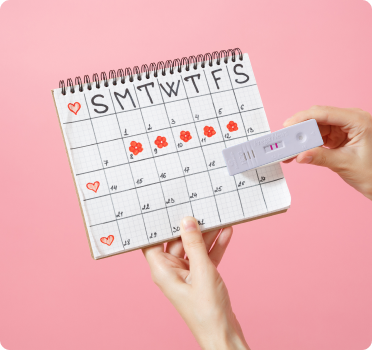
Stepping into the world of parenthood is a difficult decision to make. But, now that you have decided, the chances are that you’re taking a pregnancy test every month and waiting for the result to be positive. The process of conceiving a baby is not so simple. It involves a lot of planning and religiously tracking the woman’s fertility window.If you’re still clueless of what a fertility window means, fret not! We’re here to help you with that.

  1. Fertility window : A fertility window is a brief period in a menstrual cycle when the woman’s fertility is at its peak, and the chances of conception are the highest.
  2. Most fertile days : Most women are fertile a few days before and after ovulation. While the day of ovulation is never fixed as it largely depends on the length of your menstrual cycle but, 14 days before the first day of your menstrual periods would be our safest bet.
  3. Health issues that affect your fertility : As one can expect, health plays a significant role in the process of conceiving a baby. PCOS (Polycystic Ovarian Syndrome), endometriosis and PID (Pelvic Inflammatory Disease) are the most common complications that can affect your chances of getting pregnant. Therefore, getting regularly checked by your gynaecologist is always advisable.
  4. Lifestyle choices : Your lifestyle choices affect your fertility as much as your health problems do. So, if you have decided to begin this new chapter, maintaining a healthy lifestyle should be the first thing on your to-do-list. Both partners should limit their alcohol and caffeine intake and put a stop on smoking to increase the chances of conceiving a baby.
  5. Ageing : The adage that getting pregnant after 35 is impossible is an old wives’ tale. This belief stems from the fact that as you age, the quality and quantity of your eggs gradually declines. But, age is just one aspect to fertility. You need to be patient and get proper consultation from a fertility expert.These are the basics of fertility that you need to know to ensure that your efforts are made in the right direction. We wish you good luck with the magical journey that lies ahead.

Sex During Pregnancy? Here’s everything you should know

Most research suggests that, during pregnancy, sexual desire and frequency of sexual relations decrease. In context of this overall decrease in desire, some studies indicate a second-trimester increase, preceding a decrease. However, these decreases are not universal: a significant number of women report greater sexual satisfaction throughout their pregnancies.

According to some couples, pregnancy is a time for great sex. For others it may be a time of concern and fears. Your husband might find your pregnant body more desirable, but you may feel anxious about your baby’s wellbeing. For some women, the hormonal changes bring about an increased sex drive. Others may be completely averse to the idea of making love.

The best way to overcome your fears is to discuss your feelings with your husband. In case of any doubt or fears about sex during pregnancy, you should also consult your doctor. Every woman wants to have a safe and healthy pregnancy. In fact, many women go to great lengths to ensure their baby’s well being by tailoring their stress levels, sleeping patterns, diets and even leaving bad habits (like smoking and alcohol consumption) to accommodate the new life inside them. But there is always a cloud of uncertainty around how safe it is to have sex during pregnancy.

Although, we often think of women as being the most sensitive about the health and well- being of their baby during pregnancy, in fact many men report feeling awkward about initiating sexual activity due to fear of causing pain or problems for either their partner or their baby. On the other hand, many women actually say they experience a heightened sense of sexual desire during pregnancy, which is likely to be caused by hormonal changes that cause the vulva (the area around the opening of the vagina) to enlarge and the breasts to be extra sensitive.

However, this feeling will likely vary in intensity throughout the pregnancy. For example, women who experience morning sickness and general fatigue during their first trimester are not likely to feel particularly desirous. And once a woman reaches her third trimester she may be feeling uncomfortable due to weight gain, and therefore may feel discomfort or a lack of desire for sex during this time.

In any case, talking with your partner in an open and honest way about your feelings regularly is the best way to ensure you both feel connected and fulfilled. If you are experiencing a normal pregnancy (or one that is considered as low-risk for miscarriage or premature birth) then it is perfectly normal to have sex while pregnant.

SAFE SEX POSITIONS

Once a woman has reached the second trimester it is generally not encouraged that she lie on her back due to the added pressure her growing uterus would place on major blood vessels; thus making sex in the missionary position is increasingly risky – not to mention uncomfortable. Here are several other positions that you can try,

  • Spooning (while lying down man enters woman from behind)
  • Woman on top
  • Woman on hands and knees, rear entry
  • Side lying, woman’s knee pulled up
  • Doggy style Sitting

When And How To Use a Pregnancy Test Kit

Have you decided to take a plunge into parenthood?<br>If yes, then find below the steps you need to take immediately.

  1. Start tracking your fertility window.
  2. Stock up on pregnancy test kits.

The market is flooded with test kits and deciding which one to get can be confusing. So, we did the legwork for you and found the best one in the business. When it comes to pregnancy test kits in India, Prega News is a name you can trust for its highly accurate results. But, beware of fake copies in the market and only buy real Prega News products.Now that we have cleared what you should choose, let’s continue with what all you need to know. So, here’s everything you need to know about pregnancy test kits; which will hopefully answer all your What-When-How of taking a pregnancy test at home.

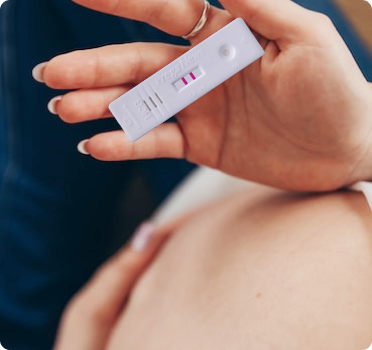
  1. What: There are two main types of tests that can be done to determine if you’re pregnant: urine test and blood test. While the latter can only be done at a doctor’s clinic, urine tests are simple and can be done one day after you miss your periods. These pregnancy tests are designed to look for a hormone called human chorionic gonadotropin (hCG) in your blood and urine respectively. This hormone is produced when a fertilized egg gets attached to the mother’s uterus. And, as the course of pregnancy progresses, the quantity of hCG rises rapidly, doubling every 2-3 days.
  2. When: If you’re taking a pregnancy test at home, it probably means you are excited and want to confirm the news as soon as you can. Home pregnancy test kits are accurate but, they can tell you the correct result only if the level of hCG in your body is detectable. Ideally, you can take the test the day you miss your periods but waiting a day or two will ensure that the hCG level in your body has reached the required level. Plus, you should always take the test early in the morning as the level of hCG in your body is the highest at that time.
  3. How: Pregnancy test kits come with an instruction booklet; explaining the steps in detail which make the whole process hassle proof. The process is pretty simple. All you need to do is put 3 drops of urine collected in the morning from a container. It should be applied on the sample slot present on the detection card with the help of a dropper and just wait for the results. But, if you still find yourself confused, you can watch our How-to-use video that explains every little detail of the same.

So, these were a few things that you should know before you take a pregnancy test at home. We hope you get your good news soon!

5 Must-Have Products For Your Baby This Summer

Summer is an excellent season to holiday but there are a few points one should keep in mind when they have a baby. Pregnancy guides often talk about how mothers can save their skin during this wonderful (dreadful) season but we at Prega News, India’s best pregnancy test, understand that babies also need to be taken extra care of during the sunny season. Keeping this in mind, we share a few handy tips and tricks that’ll help mothers to protect their little bundle of joy during summers.

SUPER SIPPER

Keeping yourself hydrated during the summer is a must and it goes the same for your baby as well. Buy them a sipper/personalized sipper if possible as they identify with it and will be keen to drink water throughout the day.

COTTON – A BABY’S BEST FRIEND

Since the summer heat is known to cling on to you, adults are often told to wear cotton clothes and avoid synthetic fibres. It goes the same for your baby as well. Keep them away from synthetic material and buy cotton clothes that are gentle to the touch and way more comfortable during the season.

SUN HATS

Another perfect way for you to shield your baby from sunburn is to get them a pretty, little hat/cap. This will make sure to keep the sun out of their eyes as well as provide them ample amount of shade to keep cool. And they’d look super cute wearing them!

UV PROTECTION

We would assume that most of you have already bought a great stroller for your baby. Here’s how you can make it better for summer – add a UV shed over the stroller which will reflect those nasty rays and keep your baby smiling at all times.

BLANKETS

Babies are normally draped in blankets but this often becomes a concern. Blankets are heavy and keep the heat trapped which makes the baby uncomfortable. The best remedy for this is to pick up lightweight blankets which provide the right amount of protection and comfort for your bundle of joy.

We hope that these tips and tricks will help you protect your little one from the harsh season, enjoy lots of dips in the pool and scrumptious ice-creams too! We have loads more of tips about pregnancy and pregnancy care on our website. Or, you can always join us on our social channels on Facebook and Twitter.

Other
Mankind Brands

Other Mankind Brand - Acne Star
Other Mankind Brand - Gas-o-fast
Other Mankind Brand - HealthOk
Other Mankind Brand - EPIC
Other Mankind Brand - Manforce