
















admin, Author at Prega News | Pregnancy Test | Pregnancy Test at Home | Pregnancy Test Kit - Page 3 of 22

When Should You Take A Pregnancy Test Calculator?

Missing your period when you’re trying to conceive can feel like the longest wait of your life. There’s a mix of excitement, anxiety, and hope, all packed into a few days that somehow feel like weeks. You might be reaching for a pregnancy test calculator, wondering if it’s too early or just the right time. But with so much anticipation, clarity is important.

Understanding when and how to take the test can make all the difference between confusion and reassurance. This guide walks you through what you need to know before checking for that long-awaited result so that you can move forward with confidence, not guesswork.

What Is A Pregnancy Test Calculator and How Does It Work?

A pregnancy test calculator is a kit designed to help you determine the optimal time to take a home pregnancy test. Instead of vague misconceptions, desperate waits, and false assumptions, this calculator helps you determine the right time.

For this, it uses data of the menstrual cycle to predict when the pregnancy-releasing hormone human chorionic gonadotropin (HCG) is likely to be detected. The core purpose of the calculator is to detect more accurate results by aligning your testing date with your body’s natural hormonal timeline. These tests are particularly helpful for women who are tracking ovulation, face irregular periods, have PCOD, or simply want to be reassured if it’s really “good news”.

How Does A Pregnancy Test Calculator Work?

The pregnancy test calculator picks information from your menstrual cycle to give you an estimate of when an implantation may occur and when the HCG hormones are the closest to detection. This test requires the following inputs.

  • The last menstrual cycle date (as in the first day of periods in the previous month).
  • The average cycle date. (This is usually between 26-30 days)
  • Ovulation dates- in case you are already detecting those using basal body temperature, ovulation kits, or any app. (This will help with more accurate results)

Based on this information, your pregnancy test calculator will give you the following answers.

  • A test date that suggests this will be a time to detect more accurate results.
  • The most accurate testing date is close to your missed period date or 10-14 days above and below post-ovulation.

Personalising your results guarantees you more accuracy and less uncertainty that comes with early testing.

How to Use a Pregnancy Test Calculator?

Step 1: Enter the first day of your last menstrual period (LMP). This helps with calculating the estimate.

Step 2: Enter your average cycle length (it is generally between 26 to 32 days). If not sure, then you can put in 28 days.

Step 3: Enter your ovulation date if you have a record of it. This record can be done through ovulation predictor kits or basal body temperature. It helps detect dates when it can be most fertile.

When Is the Best Time to Take a Pregnancy Test?

Timing is the key to the best results in this matter. Early testing may increase the chances of inaccuracy. On the other hand, testing at appropriate time  can guarantee you more accurate results. Here is how you can determine the best time to take the pregnancy test based on the data from your pregnancy test calculator.

Based on Missed Period

So, here is the answer to when to take a pregnancy test calculator for irregular periods. If your menstrual cycle has experienced a pause for two months, then it’s time to take a pregnancy test. At this point, if you are pregnant, then your body will generate the HCG hormones to tell you what is in your belly. Your pregnancy test calculator guides you to take the test, mostly on the first day of missed periods. This date is recommended 14 days after ovulation. And for maximum accuracy, try it with the first morning urine.

Based on Ovulation and Conception

If you are tracking your ovulation, feed the data into the calculator when to take a pregnancy test based on ovulation. It will help you start your test even more accurately. When you have to take a pregnancy test calculator based on conception and ovulation, then try it 6-12 days after ovulation. The hCG hormone tends to rise after implantation and will be more accurate if tested after a few more days. For best results, you must wait for 10-14 days before testing. This will give enough room for implantation, fertilisation, and hormone build-up.

Early Testing vs. Waiting

Many pregnancy test ads come 6 days before your missed period dates, tempting you to try the test. But trust the pregnancy test calculator instead. Early testing will come with significant drawbacks, like lower accuracy with 50% chances of false negatives, an emotional rollercoaster with faint results, and the possibility of a chemical pregnancy that can be resolved naturally before periods arrive.

We know it can be hard for you to wait, but waiting until the day arrives of your missed periods or later can increase chances of 99% higher accuracy, more confident results with clearer lines, and less anxiety caused by repetitive testing.

Common Mistakes to Avoid When Taking a Pregnancy Test

Here are some common mistakes to avoid. It will protect you from unnecessary stress and any wrong decisions.

1. Testing Too Early

One common mistake is taking tests before your body has produced enough HCG hormones. This will increase the chances of negative results even if you are pregnant. To avoid this, either try according to the dates given by the pregnancy test calculator, or wait until the date of your first missed period.

2. Not Following Test Instructions

Each pregnancy test may have different instructions. Whichever you buy, you must go through its instructions thoroughly. Check regarding the urinating instructions, how to position it, how long to wait, etc. Its misuse can lead to invalid and inaccurate results.

3. Not Using First Morning Urine

Your first urine of the day contains the maximum amount of hCG hormones because it is highly concentrated. Do not waste it! There is a chance that even the next urine may not give correct results, because of less concentrated hormones.

4. Reading the Results Outside the Time Window

Pregnancy tests have a window of 3-10 minutes within which you have to check the results. Waiting too long may cause the lines to evaporate, appear faintly positive, or lead to misinterpretation of the results. So, read the test packaging, and check the results within the time frame mentioned.

When to See a Doctor?

If you are unsure after multiple tests, experience unusual symptoms, or suspect an ectopic pregnancy, then it’s time to consult a doctor. They will run you through a medical evaluation, including a blood test or ultrasound to confirm pregnancy and rule out complications. Do not take too long to consult if you sense something odd or persistent.

You need a pregnancy test calculator as much as a pregnancy kit if you are trying to conceive. Use a pregnancy test calculator to schedule when to take a pregnancy test, just as you would schedule ovulation dates. You will not have to do repetitive pregnancy tests. Your calculator will let you know in advance when you have to take the test. In all, it’s an advanced way to prepare yourself for a baby.

Frequently Asked Questions

Q. Can I use a pregnancy test calculator if I have irregular periods?

Yes, but results may be less precise. In such cases, tracking ovulation or using ovulation predictor kits along with the calculator can improve accuracy.

Q. How many days after ovulation can I take a pregnancy test?

It is ideal to wait 10–14 days after ovulation. Early testing may give false negatives due to low hCG levels.

Q. Is first-morning urine really necessary for testing?

Yes. It contains the most concentrated levels of hCG, especially in the early stages of pregnancy, making detection easier.

Q. I got a faint line. What does it mean?

A faint line still indicates pregnancy, but it could also occur if you test too early. Retest after 2–3 days or consult a doctor for confirmation.

How to Reduce Stretch Marks After Pregnancy?

While pregnancy photoshoots often showcase glowing women flaunting their baby bumps and some mothers recovering effortlessly, the reality of pregnancy is far from easy. From mood swings to the discomfort of a growing belly and the constant worry about whether stretch marks will ever fade, the journey to motherhood is full of challenges. Stretch marks, in particular, are a constant reminder of this journey as they are often slow to fade, but deeply relatable with the experience of childbirth.

Along with these marks come a multitude of questions based on color, texture, fading, and elimination with time. If you have found yourself wondering about these very concerns, then this blog is a must-read to answer all your questions.

What Causes Stretch Marks After Pregnancy?

Also known as striae gravidarum,” postpartum stretch marks are a common side effect faced by every woman after pregnancy. They usually appear as red, purple, or pink streaks on the skin that gradually fade to white or silver over time. Although these marks are harmless, we do miss the old flawless skin, don’t we? Understanding what causes them can help in managing and reducing their appearance. So, here are the key reasons why it happened in the first place.

What Are The Causes Of Stretch Marks?

  • Rapid Skin Stretching: Your belly grows into a house for the baby, and the skin stretches quickly, especially during the third trimester. This sudden expansion of the belly can tear the middle layer of skin (the dermis). This results in stretch marks.

  • Hormonal Changes: Pregnancy hormones like cortisol can reduce the skin’s elasticity. This makes it more prone to tearing under pressure.

  • Genetics: Research from a self-research report in 2013 says that if your mother or siblings developed stretch marks during pregnancy, there are likely higher chances that you might too. Your skin’s natural elasticity is partly inherited.

  • Weight Fluctuations: Gaining weight quickly or losing baby weight too rapidly after birth can also trigger the appearance of stretch marks. The sudden change in the belly is one of the major causes of stretch marks.

When Do Stretch Marks Usually Appear?

Stretch marks often begin to form during the second or third trimester of pregnancy, when the body experiences the most rapid growth. They typically appear on areas prone to stretching, such as the abdomen, breasts, hips, thighs, lower back, and buttocks. These marks can be of any colour, including red, purple, pink, or dark brown, depending on your skin tone. The marks are easier to treat in earlier stages and may even fade into a light silver colour over time. But women often ask, Will these ever disappear permanently?

Will These Stretch Marks Ever Go?

Sadly, stretch marks never disappear permanently. They only fade. But the good news is, they can fade into silver or skin-toned marks in the next 6–12 months. This is close to disappearing. For this, there are several skin treatments like moisturizers, retinoid creams (but only if not breastfeeding), and dermatological procedures. These will help lighten the scars and improve the appearance if used consistently and patiently.

But don’t be harsh on yourself. Embrace the natural change in your body and let time heal everything.

How to Reduce Stretch Marks After Pregnancy?

Many studies suggest that it is better to treat stretch marks in the early stage, rather than waiting for them to get older. You should also consult your dermatologist about measures to fade the marks. They can give you more suggestions on what might work better on your skin. Alongside, here are some tips on how to reduce stretch marks after pregnancy:

Topical Treatments & Skincare

Consistency in your routine is the key to reducing stretch marks in your skin. Many women have seen a significant improvement in their marks with targeted topical treatment and skincare.

  • Moisturizers & Oils – Well-moisturized skin helps reduce marks and maintain elasticity. For this, consider natural options like cocoa butter, shea butter, almond oil, olive oil, and coconut oil, or dermatologist-recommended postpartum stretch mark cream. These are rich in nutrients that nourish, soften, and repair the skin. Such moisturizers not only hydrate but also soothe discomfort and promote a smoother texture. For best results, gently massage stretch mark cream into the skin after pregnancy to enhance blood circulation and stimulate collagen production. This helps to reduce the appearance of stretch marks over time.
  • Anti Stretch Mark Cream – Use anti stretch mark cream like Prega Happy, designed particularly for the stretch marks experienced during and after pregnancy. This cream not only reduces the marks and blemishes but also helps eliminate skin problems like itching and dryness caused on the stomach.

  • Retinoids (Use With Caution) – Topical retinoids like retinol or tretinoin are some of the most recommended treatments to reduce stretch marks. They work by encouraging skin cell turnover and stimulating collagen production. However, you must not use it if you are pregnant or breastfeeding, as the chemicals are absorbed into the bloodstream. This will affect the baby’s health. Always consult your doctor before making the move.

  • Hyaluronic Acid & Vitamin C Serums – Hyaluronic acid helps retain skin moisture and plumpness, which reduces the depth of stretch marks. Vitamin C supports collagen production and can help fade discoloration. Using serums with these ingredients can help in enhancing firmness, skin tone, and texture over time.

Dermatological Procedures

If not satisfied with topical treatment, you can also switch to more professional options or procedures that offer deeper and faster results, especially for stubborn and old marks. Some options include:

  • Microneedling, where tiny needles create micro-injuries in the skin, triggers collagen renewal.
  • Laser Therapy to reduce pigment and improve skin texture.
  • Chemical Peels to exfoliate the top layer of skin to reveal smoother, more even skin underneath.
  • Microdermabrasion to remove dead skin cells and improve skin tone.
  • PRP (Platelet-Rich Plasma) to stimulate healing and regeneration.

Also Read –  Postpartum Care: Healing And Fading Stretch Marks With The Help Of Cream

Make sure that you consult a dermatologist before confirming any of these procedures. Many of these procedures are not recommended during pregnancy or breastfeeding. In addition, the results can vary according to different skin types.

Natural Remedies & Lifestyle Support

A healthy lifestyle is one of the best ways to treat your skin, and it does not have any side effects. Here are some simple habits that can make a big difference:

  • Stay Hydrated – Drinking enough water keeps your skin supple and resilient. It’s best at all times.

  • Eat a Skin-Friendly Diet – Focus on foods rich in vitamin E, zinc, collagen, and omega-3 fatty acids, like nuts, seeds, fish, leafy greens, and bone broth. These promote more resilient skin.

  • Gentle Massage & Dry Brushing – Stimulate blood flow and exfoliate the skin with gentle, circular motions. These are comforting and good for the skin.

  • Postpartum Exercise – Low-impact activities like walking, yoga, and light strength training help improve circulation and skin tone. But just be sure to follow your doctor’s postpartum activity guidelines.

The post-pregnancy stretch marks are proof that you have come a long way. From a stretched belly to a hanging one at last, it’s a journey, a process. The stretch marks will eventually fade over time with the right medication and treatments, encouraging you to embrace the motherhood and the big change in your life without any scars.

Evaporation line on a pregnancy test – What does it mean?

Taking a pregnancy test is one of those moments where time feels suspended, heart racing, hands trembling, and eyes fixed on the tiny window of the stick.

But what happens when the result isn’t as clear as expected?

One faint line. One unclear streak. You wait for the results. And then you’re left wondering, is it a faint positive, or is it just an evaporation line on a pregnancy test?

If you find yourself in such a dilemma, let’s break it down gently, using facts that help you better comprehend the process. Understanding what an evaporation line is and what it isn’t can save you from confusion, worry, or false hope.

What Is an Evaporation Line on a Pregnancy Test?

An evaporation line is a faint, colourless or greyish streak that can appear where a positive line would show up, but it does not indicate pregnancy. It’s often the result of urine drying on the test strip, creating a shadow or indentation line that can be misinterpreted.

Unlike a true positive, which has a dyed line, even if faint, evaporation lines have no colour. They often appear after the recommended result window, usually if the test is read too late.

In simple terms:

If you see a colourless streak long after the test window has passed, you’re most likely looking at an evaporation line, not a faint positive.

What Causes Evaporation Lines?

Evaporation lines appear for a few reasons, none of which are related to your hCG levels. This is why it’s important not to panic or celebrate based on that lone faint streak.

Here are some common triggers behind evaporation lines in pregnancy tests:

  • Reading the result too late (typically beyond the 5–10 minute window mentioned in the instructions).
  • Dried urine on the test window, leaving behind a stain-like streak.
  • Over-saturation of the test strip with too much urine.
  • Using a test kit past its expiration date.
  • Storage issues, meaning, storing tests kits in too hot, cold, or moist environments.

Even though these lines appear deceiving, they don’t actually indicate any hormone levels. That’s the key difference between an evaporation line and a faint positive pregnancy result.

Evaporation Line vs. Faint Positive: How to Tell the Difference?

It can be frustrating when a second line appears and you’re unsure whether it’s real. So, how do you tell a faint positive from an evaporation line? Here’s how –

FeatureEvaporation LineFaint Positive
ColourGrey, colourless, or shadow-likeLight pink, blue, or any dye colour, depending on the test
TimingAppears after the test dries (after 10 minutes)Appears within the test’s advised time frame (usually 3–5 minutes)
ClarityOften streaky or incompleteComplete line, same size as control line (just lighter)
Indicates Pregnancy?NoYes, even if faint

Thus, it is important to remember that a faint line with colour is a line; it means the pregnancy hormone (hCG) is present. But if it’s just a greyish shadow that shows up later, it’s likely not a positive.

How Do Pregnancy Tests Works ?

When a fertilised egg implants in the uterus, the body starts producing a hormone called hCG (human chorionic gonadotropin). This hormone is released into your bloodstream and urine, and it’s the hormone that pregnancy tests are designed to detect.

Most over-the-counter pregnancy tests work by detecting hCG in urine. When the hormone is present at a sufficient level, the test strip reacts and shows a positive result, usually in the form of a second coloured line, a “+” symbol, or even the word “pregnant.”

Some tests are sensitive enough to detect hCG levels as low as 10–25 mIU/ml, but this varies. If you take the test too early, your body may not have produced enough hCG to be detected, resulting in either faint positives or false negatives.

Why Timing in Pregnancy Test Matters?

One of the biggest causes of evaporation line confusion is simply checking the test too late. Most pregnancy tests instruct users to read the result between 3 to 10 minutes after taking the test. If you check the test 15–20 minutes later, the urine might’ve dried up, leaving behind a shadow that looks like a second line, but isn’t.

Always follow these timing rules:

  • Don’t read after 10 minutes (unless the instructions say otherwise)
  • If the result is unclear, take another test
  • For best accuracy, test with first morning urine, which has the highest hCG concentration

Can an Evaporation Line Ever Mean Pregnancy?

No. An evaporation line on a pregnancy test does not necessarily mean you are pregnant. If you see a streak that is colourless and shows up after the test result window, it’s not a positive result.

However, if you’re seeing a faint coloured line within the window, even if it’s barely visible, there’s a good chance you’re pregnant. In such cases:

  • Retest in 2–3 days (hCG levels double every 48–72 hours).
  • Consult your doctor or gynaecologist for a blood test to confirm.

How to Avoid Evaporation Lines

No one wants to be misled at such an emotionally sensitive moment. Here are a few ways to avoid evaporation lines and get more accurate results:

  • Follow test instructions exactly, especially the timing.
  • Don’t take the test too early, wait until the day of or after your missed period.
  • Avoid drinking excess fluids before testing, as this can dilute hCG in your urine.
  • Test first thing in the morning for the most concentrated hCG levels.
  • Use a cup to collect urine and dip the test instead of urinating directly on it, for better control.

Also Read – Pregnancy Testing: by an advanced method using an advanced kit

What to Do If You’re Unsure?

If you’re staring at your pregnancy test and second-guessing everything, take a deep breath. This happens to a lot of people. It’s okay to feel confused, even overwhelmed.

Here’s what to do next:

  1. Wait a day or two and test again. The hCG levels will rise if you’re pregnant.
  2. Call your healthcare provider for a urine or blood test confirmation.

Also Read – Pregnancy Tests: How They Work & What to Expect

To Sum Up

A pregnancy test brings with it a storm of emotions, hope, nerves, confusion, and joy. And sometimes, a tiny, unclear line can throw everything into uncertainty. But now that you know what an evaporation line on a pregnancy test is, you’re better equipped to read the results with clarity.

If you’re unsure, test again, speak to a professional, and take one step at a time.

Frequently Asked Questions

1. Does an evaporation line mean I’m a little bit pregnant?

A. No, an evaporation line is not a sign of early pregnancy. It simply means the urine has dried on the test strip, leaving a mark.

2. Can I prevent evaporation lines?

Yes. Read the results within the correct time frame, avoid using expired tests, and try testing first thing in the morning using a clean, dry surface.

3. What should I do if I see a faint line?

Wait two days and retest. If the line gets darker or appears again clearly within the result window, it’s likely a positive. Confirm with your doctor for peace of mind.

Why Do Stretch Marks Happen During Pregnancy?

Pregnancy is a transformative journey, but it also brings major changes to your body. Many of these changes are visible, and stretch marks are one of these visible changes. Stretch marks during pregnancy can be a cause of concern for many expectant mothers, making them slightly worried about their skin tone. It makes them conscious of how their skin appears.

But why do stretch marks happen during pregnancy? Are there ways to prevent stretch marks during pregnancy? This blog will help you discover answers to your most pressing questions about stretch marks that occur during pregnancy and discuss ways to reduce their appearance.

What are Stretch Marks?

Medically, stretch marks are also known as striae gravidarum. They are narrow lines visible on the skin and appear on various areas of your body. Their occurrence is highly common among pregnant women. Although these stretch marks do not pose any risk for the mother or the baby, their itching or increasing appearance can make the woman feel stressed about their skin tone.

These pregnancies stretch marks commonly appear on women’s thighs, buttocks, hips, belly, and breasts.     

Why Do Stretch Marks Happen During Pregnancy?

The primary reason for stretch marks during pregnancy is rapid skin stretching and that favor the baby’s growth. Here are a few more factors that are responsible for pregnancy stretch marks.

1. Rapidly Expanding Belly

As you move from the first to the second trimester, your baby grows, and your skin stretches to accommodate your expanding abdomen. Your abdominal area expands faster than the skin covering it. This quick and continuous stretching can cause the elastic fibers under your skin to tear slightly, leading to stretch marks.

2. Hormonal Fluctuations

Increased production of pregnancy hormones helps the skin absorb more water, thus softening the skin’s collagen and elastin, making it more prone to tearing under pressure. While this helps your body stretch more easily, it also increases the chances of developing pregnancy stretch marks.

3. Increasing Weight

Weight gain is common during pregnancy. Gaining weight too quickly can increase the strain on your skin, especially in areas like the thighs, hips, and breasts, where fat is commonly stored. This strain on the skin leads to the appearance of stretch marks during pregnancy.

4. Genetics

If a women developed stretch marks during their pregnancies, chances are high that you might experience them too. Genetics plays a significant role in maintaining skin elasticity.

Other factors leading to pregnancy stretch marks include the use of corticosteroids, intense physical activity, and sudden weight loss or gain.

How Can You Prevent Stretch Marks during Pregnancy?

Although you cannot prevent the occurrence of stretch marks completely, you can implement some methods that reduce their intensity and enhance your skin’s resilience during pregnancy. Follow these steps to prevent stretch marks during pregnancy naturally and safely:

●      Stay Hydrated:

The best way to keep your skin glowing and less prone to tearing is to keep yourself hydrated. Providing plenty of water to the skin strengthens it and keeps it hydrated from within, thus keeping it elastic.

●      Control Weight Gain:

Aim for steady and healthy weight gain as recommended by your healthcare provider. Rapid weight fluctuations often increase the likelihood of developing stretch marks on your body.

●      Eat Skin-Friendly Food:

Your skin craves food with a high quantity of collagen and elastin fibers. Include foods that are rich in Vitamins E and C, silica, and zinc. It helps in the formation of collagen. Additionally, including Vitamin B2 and Vitamin B3 promotes and maintains a healthy skin tone.

●      Invest Time in Skin Massage:

Massaging your skin regularly during pregnancy promotes the blood flow in the overall body and enables the skin to absorb moisturizers more effectively. The common body areas that you must massage to prevent pregnancy stretch marks include the belly, thighs, arms, and hips.

●      Exercise regularly:

A regular exercise routine during pregnancy helps prevent stretch marks during pregnancy. It improves blood circulation across the stretching-prone areas and keeps the skin elastic. Exercise also makes it easier for the skin to stretch without the appearance of stretch marks due to enhanced blood flow.

Choose the Right Pregnancy Anti-Stretch Mark Cream

Another alternative to prevent stretch marks during pregnancy is by choosing a suitable pregnancy anti stretch mark cream. It makes a significant difference in minimizing stretch marks and keeping your skin smooth and supple. It is always best to choose creams that are:

  • Safe for pregnancy (dermatologically tested and free from harmful chemicals)
  • Rich in natural oils like almond, olive, or argan oil
  • Infused with Vitamin E and collagen-boosting ingredients
  • Non-greasy and easily absorbed

It is advisable to use a stretch mark cream early in your pregnancy journey to keep your skin healthy and reduce the appearance of pregnancy stretch marks on your body.

Should You Be Concerned About Pregnancy Stretch Marks?

Generally, stretch marks on your skin during pregnancy are considered harmless. However, if you are experiencing severe itching, rashes, or discomfort, it is best to consult a healthcare provider. It could indicate signs of skin allergies.

Pregnancy brings some life-changing moments for to-be mothers. Any skin allergy should be treated well in advance so that it does not impact your baby.

Throughout your pregnancy journey, it is important to understand that stretch marks are normal, natural, and beautiful. With the right care, including proper hydration, nutrition, and the use of a Pregnancy Anti Stretch mark cream, you can minimize the appearance of stretch marks while celebrating your pregnancy journey with confidence.

Also Read – The Benefits of Using Stretch Mark Cream During Pregnancy

Frequently Asked Questions

1. Do pregnancy stretch marks go away?

A. Pregnancy stretch marks are known to fade away with time, thus becoming less noticeable. Although less visible, they may not disappear completely.

2. What are the first signs of stretch marks during pregnancy?

A. The earliest signs of stretch marks include pink or reddish streaks on the skin, often accompanied by itchiness and an appearance of thinned texture.

3. Can I completely prevent stretch marks during pregnancy?

A. Although you cannot completely prevent stretch marks during pregnancy, it is possible to reduce their appearance significantly with proper skin-care routines.

4. Is it safe to use stretch mark creams during pregnancy?

A. Yes. Using pregnancy anti stretch mark cream is safe to use. But ensure that they are chemical-free and contain natural ingredients that help to maintain skin quality.

When Should a Pregnant Woman Take Folic Acid?

Folic acid stands out as an important supplement during pregnancy. There may be hundreds of essential nutrients, but always keep this one at the top of the list. It is important to understand how to add folic acid to your diet during pregnancy, as it can have a significant impact on the development of a baby. This article has a lot of important information on the right dosage, the right timing, and the importance of folic acid for pregnant women.

Understanding Folic Acid

Folic acid plays a vital role in cell growth. It promotes DNA synthesis and tissue formation. It is a synthetic form of folate (Vitamin B9), a water-soluble B vitamin. Folate mostly occurs in foods. Leafy vegetables, some fruits, legumes, etc., are rich sources of this vitamin. For anyone who is planning a pregnancy, folic acid becomes an essential supplement throughout the period. The right dose of folic acid taken in a timely manner can reduce many complications and birth defects.

Most Critical Timing: Before Pregnancy

Your doctor may prescribe that you take folic acid before conception occurs. Consumption of this vitamin during pregnancy is beneficial, but the highest impact is before pregnancy occurs. It is necessary to start taking this a few weeks before pregnancy for better fetal development. This is all part of a planned pregnancy when you reach out to your doctor for advice. Here is why this supplement matters before conceiving:

NTDs (Neural Tube Defects) may develop between 21 to 28 days after conception. This is a critical time for fetal development. The neural tube forms during this period, and there is little chance that a woman would feel its formation. Many don’t even realize that they are pregnant. By the time pregnancy is confirmed, which is mostly after 4 to 6 weeks after conception, this critical window is closed. Neural tube formation is over, and nothing can be done. Often, nothing major occurs, but in some cases, there can be irreversible birth defects.

That is why any woman who is in the process of conceiving a child must focus on a folic acid supplement. The Centers for Disease Control and Prevention (CDC), the World Health Organization (WHO), and the American College of Obstetricians and Gynecologists (ACOG) all advise beginning folic acid supplementation at least one month before conception. A dose of 400–800 micrograms (mcg) is recommended.

Folic Acid During Pregnancy

After the preconception period passes, the phase of the three trimesters begins. During these phases, crucial changes happen that lead to healthy baby development. Folic acid supplements can be given during these trimesters. Here is some info on how folic acid can help the fetus develop well:

First Trimester

One of the most crucial stages is where the neural tube develops and closes by week 6 max. Major organs are formed, and the foundation of brain development begins. At this stage, most pregnant women are prescribed up to 600 mcg of folic acid daily. This is to prevent NTD-affected pregnancy. Sometimes, dosages are increased up to 4000 mcg daily, depending on your current status as assessed by the doctor. Even if you missed folic acid before pregnancy, it is recommended to start taking it as soon as pregnancy is confirmed.

Second Trimester

During this trimester, fetal growth increases, along with blood volume. A lot of major changes happen during this phase. The doctor may recommend you take 600 mcg of folic acid during this period. The risk of neural tube defects has passed; now, the supplement will support cell division, tissue growth, and DNA replication.

Third Trimester

The baby grows rapidly in the final trimester, and the brain develops at a faster rate. The continuation of folic acid is essential for neurological development and organ maturation. The intake will remain the same as in the previous trimester. With adequate amounts, the baby will continue to develop without complications.

Also Read – Guiding You through Each Trimester of Your Pregnancy

Folic Acid vs. Multivitamins During Pregnancy

Sometimes, doctors will prescribe you multivitamins, which also contain folic acid. This entirely depends on your health factors and diet. Things begin with prenatal vitamins. Along with folic acid, other essential nutrients like iron, Vitamin C, vitamin B12, and Zinc are also introduced. Thanks to multivitamins, you don’t have to take multiple tablets. Some are combinations of everything.

They are designed to meet nutritional deficiencies during the pregnancy period. A typical dose of 600 to 800 mcg is provided, depending on the woman’s health. In some cases, the doctor can prescribe folic acid separately along with multivitamins. Women with high-risk factors will have to take more doses. Here are some food sources of folate if you are planning to take it in a natural form:

  • Broccoli, citrus fruits, avocados, asparagus, and Brussels sprouts
  • Dark leafy green vegetables like spinach, kale
  • Fortified grains and cereals
  • Some bread and pasta also contain folic acid, which can be added to the diet

Overall, it is recommended to have a balanced diet and maintain a healthy weight. Go for constant screening and keep track of baby development throughout every trimester.

Now you understand the importance of folic acid and why it is the most important supplement during pregnancy. Folic acid plays a vital role in baby growth and development, starting from preconception to the final delivery date. A daily intake of 400 to 800 mcg, depending on your diet and health, is crucial. Having a multivitamin supplement along with this is also beneficial. A balanced diet, healthy weight, and low stress are all important. You must not just rely on folic acid supplements; it is just one part of the crucial dietary system. Dosage, timing, and frequency—everything—will be decided by the doctor. In case of some risk, the doctor may recommend more supplements or medicine. The goal here is to support a healthy pregnancy and a healthy baby.

Frequently Asked Questions

What if I start taking folic acid too late?

If there is no complication with the neural tube, then you don’t have to worry. You can start folic acid at any point.

Can a high dose of folic acid be risky?

Folic acid is mostly considered safe, but you must avoid doses above 1000 mcg daily. It must be taken under a doctor’s supervision. Excessive vitamin B12 in your body can lead to other concerns.

What if folic acid supplements cause nausea?

If you are having side effects, then talk with the doctor. You may be asked to take it before food or before going to bed.

What are the Trimesters in Pregnancy?

The Pregnancy Test Kit is an instant and easy-to-use tool to find out if your pregnancy is positive or negative. It does not promise a 100% accurate answer, but it’s reliable enough to give you an idea about upcoming life changes. If you are on a journey of family planning, then keeping a Pregnancy Test Kit with you can be handy. You can officially begin your journey when you see two lines on the test kit. It is a sophisticated diagnostic tool designed to give you accurate results, but a reconfirmation test is recommended at a healthcare provider. You can learn a lot about Pregnancy Test Kits and the three distinct trimesters of pregnancy in this article. This will help you stay aware of all the necessary changes and adjustments you will need during your journey.

Also, a Pregnancy Test Kit plays a vital role in deciding whether to terminate a pregnancy in case you are not ready. This is a secondary aspect, but if you are ready to move forward into your amazing 9-month journey, then let’s begin.

Pregnancy Test Kits – Confirmation

Before getting into the details about trimesters, it is necessary to understand how pregnancy is detected and why these modern test kits are extremely accurate. These test kits detect human chorionic gonadotropin (hCG), a hormone produced in a woman’s body when fertilized egg implants in the uterine lining. This hormone increases at a very fast rate during early pregnancy.

Home Pregnancy Test Kits can identify these changes through a simple urine sample. Most of these test kits are safe to use. To get a more accurate result, always test first thing in the morning, when urine is most concentrated. If you have missed your period, just wait for a day. If you still need confirmation, you can always visit the doctor for a detailed test. Once pregnancy is confirmed, you will need to shift your focus to the journey ahead. Pregnancy is usually divided into three trimesters, and each has its own ups and downs. Let’s check them in detail.

What Are Pregnancy Trimesters?

Each trimester spans three months, so in total, the 9-month pregnancy journey is divided into three trimesters. The baby changes every trimester, which can be tracked through various tests. This division helps doctors monitor fetal development until the very last day. It also allows doctors to give a tentative delivery date. The first trimester usually begins after you miss your period and continues for 40 weeks—280 days in total, where this trimester framework helps both parents and doctors keep track of the baby’s health. Here is the list of all three trimesters:

  • First Trimester: Months 1-3 (Weeks 1-12)
  • Second Trimester: Months 4-6 (Weeks 13-26)
  • Third Trimester: Months 7-9 (Weeks 27-40)

Each trimester brings unique developments, challenges, and preparation requirements. Just remember that pregnancy is calculated from the first day of your last menstrual period.

First Trimester of Pregnancy (Weeks 1-12)

Once the test is positive using the Pregnancy Test Kit, the doctor will further evaluate your first trimester. The first three months are the most crucial for the baby—this is when most miscarriages occur. After confirmation, the doctor will do some blood tests to verify the accurate dating. Between Week 4 and Week 12, the embryo grows into a 2.5-inch-long fetus with recognizable human features, which can be seen through sonography.

Some changes you may notice in your body include morning sickness, which is quite common. You may experience extreme fatigue and frequent urination. A heightened sense of smell and breast tenderness may become noticeable. Mood swings and anxiety are common. This is the highest-risk period, so it is essential to take all necessary precautions to avoid any issues with the baby’s development. Your doctor will provide all the necessary guidelines.

You must focus on folic acid intake and avoid all types of alcohol and tobacco. Caffeine should be limited, and regular screening of the baby’s development is crucial.

Second Trimester of Pregnancy (Weeks 13-26)

Now the tough time has passed—you are in the golden period, starting from Week 13. There is a lot of relief during this phase. The baby’s movement will become noticeable, and an ultrasound will give you a more detailed view of the baby’s development. Organ development and glucose screening (to check for diabetes), along with genetic screenings, are done during the second trimester. By the end of this trimester, the baby’s weight increases, and notable human features are visible in the ultrasound.

Hair, eyebrows, eyelashes, and fingerprints develop. The baby starts hearing during this trimester and will react to sounds. Pregnancy changes will become visible on the body. Morning sickness typically subsides, and energy levels increase. You will feel hungrier, and Braxton Hicks contractions may begin. This is the time to enjoy your pregnancy and focus on a good diet and regular exercise.

Third Trimester of Pregnancy (Weeks 27-40)

You enter the final trimester in Week 27, during which your doctor visits will increase. You will receive a more accurate delivery date, and now it’s important to monitor the baby’s position. The baby starts opening its eyes, the brain develops, and the lungs become active. The baby will gain weight rapidly, and you will feel more of its movement.

At this time, you may experience shortness of breath as the uterus presses against the diaphragm. Back pain is common, and sleep issues may arise. Once you begin preparing for delivery, you may feel anxiety related to labor. It is very important to get plenty of rest during this period. Maintain good posture and engage in relaxation exercises. Practice labor positions only if you can do them without strain.

Also Read – Guiding You through Each Trimester of Your Pregnancy

Finally, once you pass through every trimester, you will be in the final stage—ready to meet the love of your life. It is essential to undergo all types of tests during this period. Any complications can be managed if detected in advance. Each trimester brings remarkable changes that can put physical and emotional stress on your body and mind. But with every passing phase, you’ll become stronger and better prepared.

It is vital to form a strong emotional connection with the baby. You can sing lullabies or talk to the baby, and sometimes, you might even get a response. In the case of complications, confidence is key. Thanks to today’s medical advancements, many issues can be resolved. All you have to do is maintain a healthy diet and closely track your baby’s growth. The trimester tracking method is the best way to stay informed about your growing child. It provides all the information you need to navigate this remarkable journey.

Second trimester of pregnancy

Pregnancy is an incredible journey filled with emotional rides, physical changes, and significant milestones that mark your path to motherhood. While the first trimester may be filled with uncertainty and new experiences, the second trimester of pregnancy is often considered the most comfortable and enjoyable phase.

But what does the second trimester of pregnancy feel like? What changes can you expect? This article will explore everything you must know about the second trimester of pregnancy, from the common symptoms to what to eat during the second trimester of pregnancy.

What is the Second Trimester of Pregnancy?

The second trimester of your pregnancy journey begins from week 13 and lasts up to week 27. It marks a turning point for both the fetus and the mother because many women feel a renewed sense of energy and relief. During this beautiful phase, the umbilical cord of the baby continues to grow in thickness and carries nourishment to the fetus.

Your baby’s organs begin to mature, your bump starts showing, and your body adjusts to the new life growing within. Although the baby hasn’t grown big enough to cause discomfort, you can feel the baby move during the second trimester of pregnancy. 

Major Developments During the Second Trimester of Pregnancy

Both the mother’s and the baby’s bodies go through changes during the second trimester. Here’s how your body’s health changes and your baby’s body develops.

1. Changes for the Baby

The fetus goes through a lot of new changes during this phase.

Changes in Facial features:

The facial features start aligning, with the fingers and toes becoming well-defined. The baby’s hair and eyebrows also begin to grow.

Body Development:

The baby can make facial expressions, develop reflexes like swallowing, and even suck their thumb. The weight of the baby multiplies gradually over the next few months.

Protecting the baby’s skin:

The mother’s body protects the thin fetal skin of the baby through a substance called vernix. It is also during the second trimester of pregnancy that the baby starts responding to external sounds.

2. Changes for the Mother

As a mother, you will notice several changes in your body during the second trimester of pregnancy. The decrease in the production of human chorionic gonadotropin hormone and slight changes in progesterone and estrogen hormones trigger these changes. Here’s what you can expect to feel during this phase of your pregnancy journey.

Weight gain and Large Belly:

You will develop a noticeable baby bump, and the uterus, where your baby grows, continues to stretch. Additionally, you will also gain a lot of weight during the second trimester of pregnancy.

Increased Appetite and evident stretch marks:

You will notice your appetite increasing slightly or returning to normal as you slowly progress through this phase of pregnancy. You will also observe stretch marks around your belly, thighs, and breasts.

Better Energy Levels:

Many women find that their energy levels increase and their libido returns to normal as they progress through the second trimester of pregnancy.

It is advisable to carefully schedule and attend all prenatal care appointments at regular intervals to keep track of your and your baby’s health.

What to Eat during the Second Trimester of Pregnancy?

Nutrition plays a key role in supporting your baby’s development and your well-being during pregnancy. The second trimester is when your nutritional needs increase as the baby grows rapidly.

Here’s a quick guide to follow on what to eat during the second trimester of pregnancy

Iron Rich foods

Food with high iron content helps the baby receive an adequate amount of oxygen. It also helps the mother prevent anemia and supports increased blood volume.

Fruits and Vegetables

Include a balanced diet of fruits and vegetables as they are an essential source of vitamins, fiber, and minerals.

Lean Protein

Foods with rich sources of lean protein help the mother develop her muscle health and promote your baby’s brain development and tissue growth.

Calcium rich food

Including calcium in your diet helps in the bone and tooth development of the baby while it strengthens the mother’s bones and joints, keeping them healthy and strong.

Fiber rich food

Fiber rich foods prevent constipation, which is a common issue among women in their second trimester of pregnancy.

Water to maintain Hydration levels

It is essential that you drink plenty of water, but little by little throughout the day, to keep yourself hydrated.

Symptoms to watch for in the Second Trimester of pregnancy

If you are going through the second trimester of pregnancy, chances are high that you will experience a few of the following symptoms. Knowing the difference between first, second, and third trimesters helps mothers-to-be to track their progress more confidently and understand what to expect at each stage.

  • Reduced nausea and increased appetite
  • Leg cramps or lower back pain
  • Round ligament pain occurs as the uterus stretches
  • Skin changes like the “pregnancy glow”
  • Feeling fetal movements (usually around 18–22 weeks)

Self Care Tips for the Second Trimester of Pregnancy

While you may feel better in the second trimester, your body is still going through major changes. Here are a few self care practices that you must follow to keep yourself and your baby’s health stable.

1.    Stay Active:

Invest some time in gentle exercises like walking, yoga, light swimming, etc., to improve overall blood circulation and ease the discomfort.

2.    Moisturize your skin regularly:

Stretch marks start to appear in women going through their second trimester of pregnancy. Use pregnancy approved, safe lotions that keep your skin fit and healthy.

3.    Wear Comfortable clothes:

It is always advised to wear cool, loose clothes that allow air to flow through the sensitive skin.

4.    Prioritize Deep Sleep:

As per your doctor’s recommendation, choose a sleeping position that is beneficial for the baby. Also, avoid any interruptions during your sleep. An uninterrupted, deep sleep is always better for you and your baby’s health.

5.    Communicate openly with your partner:

It is always advised to share your emotional journey with your partner or a therapist. It keeps them aware of the constant changes happening in your second trimester of pregnancy. As a medical professional along with your partner to learn more about the second trimester of pregnancy.

Embracing the Second Trimester: A Golden Phase of Pregnancy

This was all about the second trimester of pregnancy. Often termed as the honeymoon period or golden middle stage of pregnancy, it is a beautiful phase where you start to see the bump and feel the baby move. It is also the phase where you settle into your new reality with more ease and confidence. It’s also a crucial time to establish healthy routines, attend regular checkups, and bond with your growing baby.

With the right nutrition, physical care, and emotional support, the second trimester of pregnancy can be both enriching and empowering. At Prega News, we’re here to guide you through every milestone of motherhood—from your first positive test to the day you hold your baby in your arms.

Also Read – The Road of Pregnancy

Frequently Asked Questions

1. What foods should I avoid during the second trimester of pregnancy?

A. As a woman in the second trimester of pregnancy, it is important that you avoid undercooked or raw meat, unpasteurized dairy, raw seafood, deli meats (unless reheated), and high-mercury fish.

2. How is the second trimester different from the first trimester?

A. When you are more aware of the second trimester of pregnancy, you will learn that nausea and vomiting subsides, and your energy levels return to normal. Additionally, you can also feel your baby’s movements.

3. Is it safe to exercise during the second trimester of pregnancy?

A. Yes. It is always safe to indulge in moderate exercise unless your doctor has advised something else.

4. What are the common symptoms during the second trimester?

A. A woman in her second trimester of pregnancy commonly experiences symptoms like higher energy levels, an enlarged baby bump, light swelling, stretch marks, and skin changes.

What is the ovulation period, and how is it calculated?

Learning about your reproductive health is vital for every woman who is planning for a pregnancy. The knowledge is also relevant and extremely useful for those women who want to avoid pregnancy naturally so that they don’t have to go through the depressing process of abortion. A lot of factors are involved during the ovulation period, which lead to pregnancy in later stages.

It is also important to learn about ovulation to ensure that you have a good fertility rate. This article will explore in detail the ovulation process, how to accurately calculate its timing, and different methods to find out your fertility rate.

What is the Menstrual Cycle?

Ovulation is a later stage; the menstrual cycle comes first. It is necessary to learn about this first. The average menstrual cycle is 28 days, and in some cases, there can be a difference of a few days. So, between 21 to 35 days, the majority of women go through the menstrual cycle. Four different phases in this cycle lead to ovulation.

  1. Menstrual Phase: The uterine lining sheds, causing bleeding—commonly called periods.
  2. Follicular Phase: In this phase, the follicles in the ovary develop and mature.
  3. Ovulation Phase: Here, a mature egg is released in the ovary.
  4. Luteal Phase: This is post-ovulation time, when the body gets ready for potential pregnancy.

What is Ovulation?

Now, once you know the basics of the menstrual cycle, let’s proceed with the ovulation process. During this period, a mature egg (ovum) is released from one of the ovaries. Then it goes into the fallopian tube, where it remains for fertilization. This is the peak period for women when there are maximum chances of pregnancy. During this period, many ovarian follicles develop under the influence of a hormone called follicle-stimulating hormone (FSH). Among all, only a single follicle becomes dominant and reaches full maturity.

When it ruptures, it releases eggs under the influence of the luteinizing hormone (LH) from the pituitary gland. This egg can survive for around 12 to 24 hours. And if within this period a sperm is present, there are maximum chances that it will fertilize. A sperm can live up to 5 days inside the reproductive tract. Since sperm can survive for up to 5 days inside the reproductive tract, having intercourse in the days leading up to ovulation increases the chances of fertilization when the egg is released.

Now, if you are wondering why this happens and if there is a way to avoid this, then keep reading. We will dive deeper into the ovulation process and later discuss potential methods to avoid this.

When Does Ovulation Occur?

Considering the 28-day menstrual cycle, ovulation usually occurs around 14 days before the next expected period in cases. In a typical 28-day cycle, ovulation usually occurs around 14 days before the next expected period—often around day 14 of the cycle.There can be some differences in days because not every woman has the same menstrual cycle. The timing of ovulation depends on many factors. Like the cycle length, if it’s shorter, then there are chances that ovulation may occur in earlier days. Sometimes, hormonal imbalance can disrupt the pattern, and age is also one of the major factors. It is hard to ovulate at later ages. Stress is another major factor that can delay ovulation, and some medications can also interfere with this process.

The first 14 days of the menstrual cycle are very important to track pregnancy. This is the most fertile window for many women. Also, this is the time when a lot of women prefer to choose contraception or birth control. You can have a tentative idea of your fertile window, when fertilization is most likely to occur.

Calculating Your Ovulation Period

A simple calendar-based approach is best to calculate the ovulation period. There are ample calculators available, but this one is easier.

  1. Record the first day of your period for the next 6 menstrual cycles.
  2. Note down the shortest and the longest cycle.
  3. Now, based on the date picked, minus 18 days from the length of your shortest cycle. You will get the first date of a potential fertile day. For example, if the shortest cycle ends in 26 days, then minus 18, and the 8th of that month is your first most fertile day.
  4. Minus 11 from the length of your longest cycle to get the last date of the most fertile day. For example, if your longest menstrual cycle was 32 days, then minus 11, then the 21st is the date that can be your last most fertile day.

This is not reliable for all women because of irregular cycles. But there are more methods to calculate ovulation periods.

Fertility Monitors

This one is an expensive method. There are some available on the market that will track your fertility rate based on a urine sample. Some kits come with a dedicated app that will show you the peak days of your fertility. You can avoid any kind of interaction during the peak period to avoid pregnancy.

Ovulation Predictor Kits (OPKs)

This one is a cheaper alternative to fertility monitors. This kit can predict your peak fertility days if the test is done within 24 to 36 hours. You have to test every day if you are unaware of the peak days. A positive result on a pregnancy test kit indicates that there are maximum chances of ovulation. This is best for women who have irregular cycles.

Basal Body Temperature (BBT) Method

Under BBT, ovulation is tracked via body temperature. It is found that after ovulation, there is a slight increase in body temperature, somewhere around 0.5°F (0.3°C). You don’t need any kit for this, just a thermometer. Note down the readings; you can use a fertility app that has a temperature tracker.

Cervical Mucus Method

This method involves monitoring changes in cervical mucus. It increases and is visible during the fertile period. Usually, after menstruation, the mucus is dry or not noticeable. But before ovulation, it is sticky and cloudy. And in peak time, it is slippery and clear. After ovulation, it turns thicker, or there will be no mucus.

A few body symptoms that can be used to identify ovulation are an increase in libido, breast tenderness, heightened senses, a change in cervical position, and mild pain or cramping. If you are under 35 and unable to conceive after a year, then it is necessary to meet with your doctor. Irregular cycles are also a cause of failure in this process, followed by no period or abnormal bleeding.

Also Read – Track Your Fertility Cycle with Our Accurate Ovulation Calculator

The ovulation period is essential to achieving a healthy pregnancy cycle or avoiding it. It is a valuable skill that can help you out in later stages of life. If you want to conceive or avoid pregnancy, knowledge of the ovulation period will keep you on track. You can try more than one tracking method and know your peak ovulation period.

Use Ovulation Calculator – Plan or Prevent Pregnancy Naturally

Our easy-to-use ovulation calculator helps you identify your most fertile days based on your menstrual cycle. Whether you’re planning to conceive or looking to avoid pregnancy naturally, this tool gives you a clear picture of your fertility window. Just enter your cycle details to get accurate results in seconds.

What is the first trimester of pregnancy?

Pregnancy is one of life’s most transformative experiences. From the moment you see those two pink lines on your pregnancy test, your journey toward motherhood begins. But what exactly happens in the early days of pregnancy? If you’re wondering what the first trimester of pregnancy is, this guide will help you understand the physical, emotional, and developmental milestones that are a part of this critical phase.

First Trimester of Pregnancy

The first trimester of pregnancy refers to the initial 12 weeks, or roughly the first three months. It typically starts from the first day of your last menstrual period (LMP), not from conception and lasts until the end of week 12. During this phase, the fertilized egg implants itself in the uterine lining, and cells begin to divide rapidly, forming the embryo. This phase is very crucial for the development of the baby’s body structure. By the time your first trimester ends, your baby’s heart starts to beat.

For many women, this phase brings a mix of excitement, uncertainty, mixed feelings, and new sensations – both emotional and physical.

What are the symptoms for the first month of pregnancy?

The first month of pregnancy often goes unnoticed by many women, especially if they aren’t actively trying to conceive. You can expect a few emotional and physical changes to happen in your body. Here are a few signs of pregnancy in the first month.

Upset Stomach

Often called morning sickness, it is common to feel like vomiting during the first trimester of pregnancy. It is triggered by hormonal changes and can start as early as two weeks after conception. You can experience vomiting sensations at any time during the day or night.

Constant Mood Swings

It is common for pregnant women to experience high levels of mood swings, ranging from joy to extreme irritability, due to sudden hormonal shifts occurring in the body, especially in the first trimester. 

Food Cravings

When you are pregnant, you will notice a change in your taste preferences in the first trimester of pregnancy. You will also experience food aversions where you dislike a specific food. Certain smells of food seem more intense and can be attributed to the hormones undergoing massive changes.

Frequent Urination

The blood flow across the body increases during the first trimester of pregnancy. The increased blood flow to the kidneys due to hormonal shifts leads to more frequent trips to the washroom for urination.

Swollen or Tender Breasts

The increasing hormonal changes can make your breasts sore or more sensitive. Once the body adjusts after a few weeks of the first trimester of pregnancy, you are likely to experience less discomfort and pain.

Constipation issues

Hormonal changes release progesterone, which can slow down the bowel movements while processing food through the digestive system. Besides, the growing uterus can put some pressure on the bowel movements, leading to bloating and constipation issues.

Missed Periods

A missed menstrual cycle is often the earliest and most obvious sign of pregnancy. If your periods are regular and you miss one, it may be time to take a pregnancy test.

Also Read – What are the Symptoms of Pregnancy

What are the emotional changes during the first trimester of pregnancy?

Hormonal changes occurring during the first trimester of pregnancy can make you feel moody, irritable, and tired. Although you are thrilled about welcoming a new baby into your life, it can also add stress to your life. Naturally, you’ll feel concerned about your baby’s health in the developmental stage. It is normal to feel a whirlwind of emotional feelings, like joy, anxiety, excitement, and fear. Hormonal shifts can lead to increased sensitivity and emotional outbursts, leading to intense mental fatigue and emotional instability.

Tips to stay healthy during the first trimester of pregnancy

To support both your well-being and your baby’s development during the first trimester, consider the following tips:

  • It is best to avoid alcohol and drinks when you are pregnant. Even light drinking habits can cause long-term health issues for you and your baby, especially during the first trimester of pregnancy.
  • Eat nutritious foods during pregnancy to meet your baby’s health needs. It is recommended to eat Fiber-rich food while you are going through the first trimester of pregnancy.
  • It is advisable to Limit caffeine intake to less than 200 mg per day, as per medical guidelines. Opt for water, milk, or fresh juices instead
  • Indulge in light physical activity during the first trimester of pregnancy as it prevents any health complications for you and your baby.
  • Most importantly, drink plenty of water as it supports increased blood flow and prevents physical or mental fatigue.
  • Schedule your prenatal visit on time. It should be ideally between weeks 6 and 8. This check-up ensures everything is progressing normally.
  • Get plenty of rest. Your body is already going through a lot of hormonal changes and working overtime. Rest is crucial for the betterment of your baby’s health.

Also Read – The Road of Pregnancy

This marks the end of the detailed blog on the first trimester of pregnancy. From the earliest signs of pregnancy to the development of vital organs in your growing baby, the first 12 weeks set the stage for the rest of your pregnancy journey. Although it comes with a fair set of challenges like morning sickness, mood swings, and fatigue, the first trimester of pregnancy is also filled with awe and anticipation. However, what matters the most is taking care of your health and staying in constant touch with your doctor.

Frequently Asked Questions

Q. How many months is the first trimester?

A. The first trimester of pregnancy lasts for three months, beginning from the time of conception to the end of the 12th week.

Q. What is the hardest week in the first trimester?

A. Generally, weeks eight and nine are considered the hardest weeks in the first trimester of pregnancy. During these two weeks, you may feel extremely tired and queasy, facing constant mood swings.

Q. How can I take care of myself during the first trimester of pregnancy?

A. It is recommended that you consume nutritious foods, stay hydrated most time, avoid alcohol and caffeine drinks, take the necessary prenatal vitamins, and schedule your check up between the 6th and 8th week.

Q. What is the sign of pregnancy in the first month that most women tend to notice?

A. The earliest sign of pregnancy in the first month is a missed period. Other signs include food aversions, mild cramps, nausea, and increased sensitivity in the breasts.

What is the Difference between Prega News and Prega News Advance?

Taking a pregnancy test is one of the most personal and emotional moments in a woman’s life. Whether you’re planning a baby or just need clarity, accuracy, and speed in a pregnancy test, it is essential. That’s where Prega News comes into the picture, building an established and trusted name for itself in home pregnancy test kits.

Over the years, Prega News has introduced two primary variants: the classic Prega News and the newer Prega News Advance. If you’re wondering what makes them different or which one is right for you, you’re reading the right blog that dives deeper into their key differences and clears all your doubts.

Understanding Prega News and Prega News Advance

While both Prega News vs Prega News Advance serve the same purpose of early pregnancy detection, there are subtle differences in their features, usage, and accuracy window. Let’s briefly understand what each of these kits is designed to do.

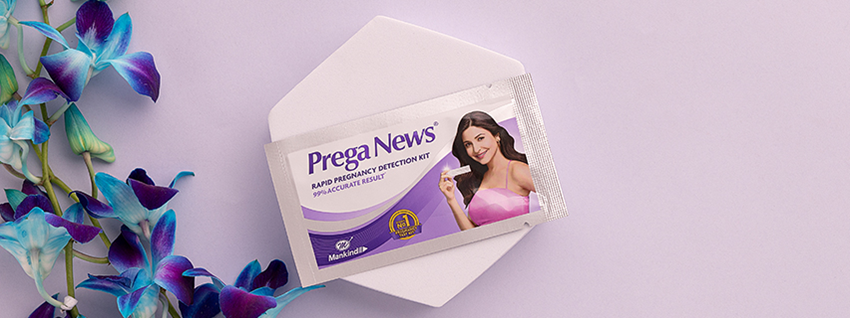
Prega News

  • It is one of the earliest known pregnancy test kits among the Indian population.
  • Prega News pregnancy detection kit helps to detect the presence of hCG hormone in urine.
  • The results test time is approximately 5 to 10 minutes or even fewer in some instances.
  • It is highly recommended to be used after a missed period.
  • The packaging of Prega News appears in a classic Pink Box.

Prega News Advance

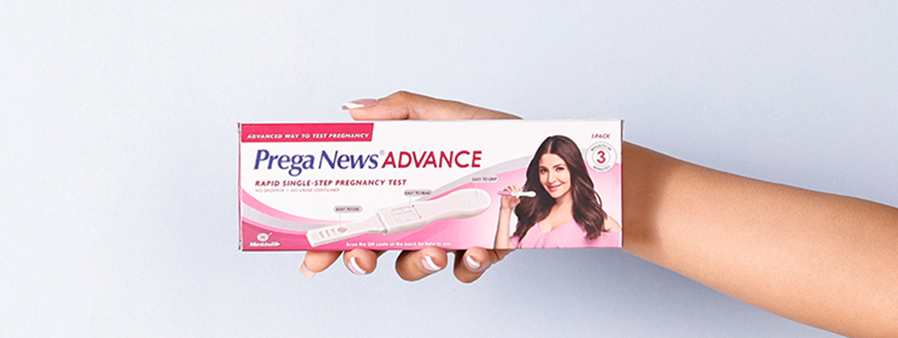
  • A recent and innovative pregnancy detection kit from Prega News
  • Prega News Advance detects the presence of hCG but with higher sensitivity levels.
  • The approximate time taken to reveal the results using a Prega News Advance detection kit is generally 3 to 5 minutes.
  • It can detect pregnancy even after 7 days of a missed period or 4 to 6 days before a missed period.
  • The packaging of Prega News Advance features a sleek, white or purple design.

Prega News Advance vs Prega News: When to Use What?

Both kits are reliable, but the choice between Prega News Advance vs Prega News depends on timing and personal preference.

Prega News is ideal for women preferring a budget friendly and trustworthy pregnancy test kit. Whereas Prega News Advance helps women who are actively tracking ovulation and want earlier confirmation. Prega News Advance has higher sensitivity in detecting the hCG hormone, due to which it provides quicker results.

How to Test Pregnancy using an Advanced Pregnancy Test Kit?

Conducting a pregnancy test using Prega News Advance is a pretty straightforward process.

  • The Advanced absorbent strip in the Advanced kit eliminates the need to collect the urine in a clean container and put it on the strip using a dropper. The Advanced pregnancy detection kit allows you to pass your urine on the strip.
  • Wait for 3 to 5 minutes for the results to show up.
  • Read the results within the time frame mentioned. Any potential delay may lead to false readings.
  • If there is 1 pink line at ‘C’, the pregnancy result is negative. However, if there are two pink lines on ‘T’ and ‘C’, it indicates a positive result.
  • A single pink line at ‘T’ or the absence of any line indicates that the test is invalid. Maybe it is too early to take the pregnancy test.

Also Read – Pregnancy Tests: How They Work & What to Expect

Is Prega News Advance More Accurate than the Other?

Although both variants are almost 99% accurate when the test kit is used as per the instructions. However, its accuracy largely depends on

  • The timing of the test
  • Whether you used the first urine of the day
  • Hormonal balance and implantation timing

However, if you test too soon, it can result in false negative results as well.

Why Timing Matters in Pregnancy Testing?

The occurrence of the hCG hormone in a woman’s urine is the foundation of all pregnancy test kits. The body produces this hormone after the fertilized egg implants itself in the uterus in the woman’s body. However, the levels of hCG increase in the body with each passing day, especially after a missed period.

That’s why the difference between Prega News and Prega News Advance lies mainly in their detection sensitivity. It helps to detect the pregnancy result at the right time, thus enabling you to make suitable decisions.

Prega News is perfect when hCG levels are already high, like after missing your period. Prega News Advance is engineered to pick up even lower levels of hCG, making it ideal for early detection.

Choosing between Prega News Vs Prega News Advance depends entirely on your situation. If you are a woman who doesn’t mind waiting a few days after a missed period, a Prega News Advance kit is highly recommended. However, if you are someone who prefers taking the test on the day of your missed period, the Prega News pregnancy detection kit is ideal for you.

At Prega News, we believe every woman deserves the right tools and information to confidently navigate her pregnancy journey. No matter which test you choose, always follow instructions, and for confirmed results or doubts, consult your doctor.

Frequently Asked Questions

Q. Which is better, Prega News or Prega News Advance?

A.  Prega News Advanced pregnancy kit is considered better than the standard Prega News kit due to its enhanced features and convenient use. The Advanced pregnancy detection kit of Prega News offers a midstream approach, eliminating the need for a dropper and container.

Q. Is Prega News 100% right?

A. Prega News delivers results within 5 to 10 minutes, and the results are correct 99% of the time.

Q. What are C and T in Prega News?

A. The ‘C’ in Prega News pregnancy detection kit stands for Control line, which simply indicates that the test is working correctly. The ‘T’ stands for the test line, which appears if there is detection of the pregnancy hormone hCG in the urine.

Q. Can I use Prega News Advance at any time of the day?

A. For best and highly accurate results, it is recommended to use the Prega News Advance detection kit in early morning urine, especially when testing early before a missed period, as hCG concentration is highest then.

Q. Is there a significant price difference between prega News vs prega News Advance?

A. Yes, Prega News Advance is slightly more expensive due to its enhanced early detection capabilities, while Prega News is more budget-friendly.

Other
Mankind Brands

Other Mankind Brand - Acne Star
Other Mankind Brand - Gas-o-fast
Other Mankind Brand - HealthOk
Other Mankind Brand - EPIC
Other Mankind Brand - Manforce