












Pregnancy Chances After Period: When Can You Get Pregnant
Introduction
The week after your period is often called the safe week. It isn’t. Pregnancy chances after period start low, then climb fast, because sperm can survive up to five days.
Can You Get Pregnant After Your Period
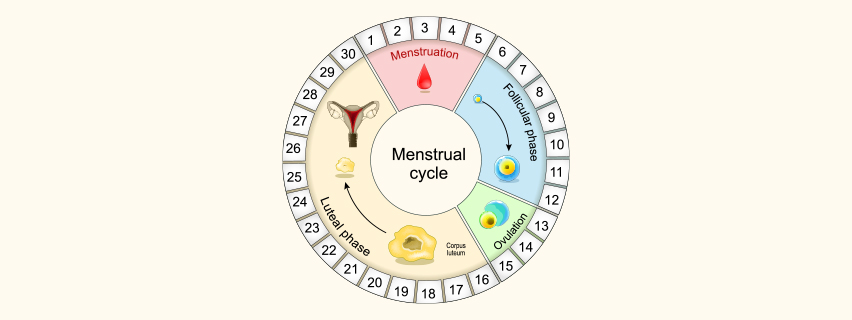
Yes. Fertility isn’t counted forwards from the day bleeding stops, but backwards from your next period, because ovulation happens 10 to 16 days before it.
ACOG notes the gap between ovulation and your period is the most consistent part of the cycle. The first half varies most.
Is Pregnancy Possible Immediately After Your Period
It’s uncommon, but it happens. In a 22-day menstrual cycle with bleeding to day 5, ovulation falls around day 8. Sperm from that day may still be alive.
What Are the Chances of Getting Pregnant After Your Period
Your chances of getting pregnant after period depend on how close that day sits to ovulation.
Why There Is No Single Pregnancy Percentage
Any single number describes an average woman who may not exist. In a study of 696 cycles, only 30 per cent of women had a fertile window falling entirely within days 10 to 17. Most reached it earlier.
What Affects Pregnancy Chances After Your Period
Several factors move your odds:
- Cycle length: shorter cycles ovulate earlier
- Period length: longer bleeding leaves fewer low-chance days
- Cycle regularity: stress and illness can shift ovulation
- Cervical mucus: near ovulation it thins, helping sperm survive
- Age: couples in their twenties conceive in 25 to 30 per cent of cycles, under 10 per cent by 40
How Many Days After Your Period Can You Get Pregnant
Fertility doesn’t switch on. It rises as a curve, and where that curve starts depends on your cycle length.
Can You Get Pregnant 1 Day After Your Period
Low for most cycles, since ovulation is over a week away in a 28-day cycle. At 24 days or fewer, it may be days off.
Can You Get Pregnant 2 Days After Your Period
Slightly higher. Sperm from today can stay viable five days, so they may still be present if a short cycle ovulates on day 8.
Can You Get Pregnant 3 Days After Your Period
Climbing for almost every cycle length. From day 6 to day 21, women had at least a 10 per cent chance of being fertile.
Can You Get Pregnant 5- 7 Days After Your Period
Often the start of peak fertility. In a 28-day cycle these days land around day 10 to 12, inside the fertile window.
How Does Your Menstrual Cycle Affect Pregnancy Chances After Your Period
Cycle length is the biggest variable. The NHS considers anything from 21 to 35 days normal, so 28 days is just one common pattern. These day numbers are averages; ovulation can shift.
Pregnancy Chances After Period With a 21-24 Day Cycle
The highest of any group. ACOG puts ovulation around day 7 in a 21-day cycle, so the window can open on day 2, during bleeding.
Pregnancy Chances After Period With a 28-Day Cycle
Ovulation is likely near day 14, putting the window at days 9 to 15. If your period ends on day 5, expect a few low-chance days first.
Pregnancy Chances After Period With a 30-35 Day Cycle
Ovulation arrives later, near day 21 in a 35-day cycle, so the low-chance stretch is longer. Longer cycles vary more.
Pregnancy Chances After Period With an Irregular Cycle
Calendar prediction stops working when cycle length changes monthly. Track physical signs instead, and see a doctor if cycles fall outside 21 to 35 days.
Pregnancy Chances After Period: Cycle-Day Chart
| Cycle length | Likely ovulation | Fertile window | Fertility right after a 5-day period |
| 21 days | Day 7 | Days 2 to 7 | High, overlaps bleeding |
| 24 days | Day 10 | Days 5 to 10 | High |
| 28 days | Day 14 | Days 9 to 14 | Low, then rising |
| 35 days | Day 21 | Days 16 to 21 | Low for ten days |
| Irregular | Varies | Varies | Assume fertile |
These estimates assume ovulation 14 days before your next period.
Also Read: How Pre-Pregnancy Supplements Boost Your Fertility
What Is the Fertile Window
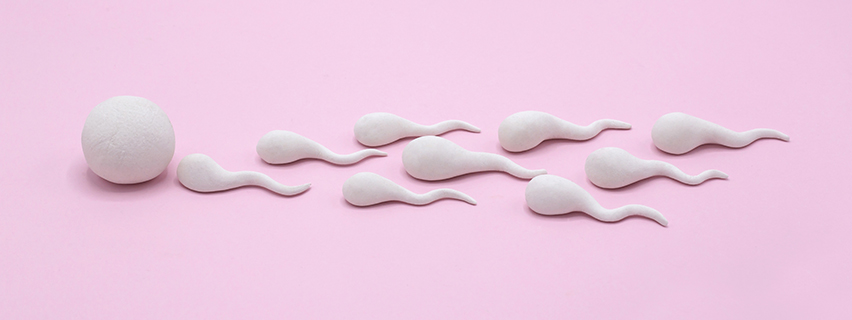
The days each cycle when sex can result in pregnancy.
How Long Is the Fertile Window
About six days: the five before ovulation, plus ovulation day. Sperm live up to five days, an egg only 12 to 24 hours. The window is built around how long sperm can wait.
When Is the Best Time to Have Sex to Get Pregnant
The one or two days before ovulation are most likely to result in conception. ACOG suggests sex every day or every other day across the window, rather than pinpointing one.
Why Can Sex After Your Period Still Lead to Pregnancy
Because sperm arrive early and wait. The NHS states they can survive in the fallopian tubes for up to seven days. As ovulation nears, cervical mucus thins, helping sperm survive and reach the egg.
IHow Ovulation Determines Your Chances of Getting Pregnant After Your Period
Every figure above traces back to one event: the day your ovary releases an egg.
When Does Ovulation Usually Occur
Around 10 to 16 days before your next period. Counting backwards from your expected period beats counting forwards.
What Happens During Ovulation
As a follicle matures, oestrogen rises. That triggers a surge of luteinising hormone (LH), telling the follicle to release its egg. Ovulation typically follows about a day and a half later.
Can Ovulation Happen Earlier Than Expected
Yes, and commonly. If only 30 per cent have a window confined to days 10 to 17, roughly seven in ten fall outside it. It can’t be predicted.
How Long Do Sperm and Egg Survive
The mismatch between these two lifespans explains the confusion about timing.
How Long Can Sperm Survive
ACOG puts sperm survival at up to five days, while the NHS says up to seven in the fallopian tubes. Many die far sooner, and the estimates here use the cautious five-day figure.
How Long Does the Egg Survive After Ovulation
Only about 12 to 24 hours. This is why sex a day after ovulation is far less likely to work than sex three days earlier.
Why Does Sperm Survival Matter After Your Period
It pushes your fertile window backwards in time. Sperm can wait for the egg, but the egg cannot wait for sperm.
Also Read – Do Medications Affect Ovulation Test Results?
How to Track Your Fertile Window After Your Period
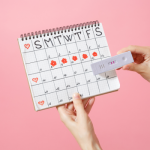
Counting days assumes an ovulation date your body may not follow. Combine two or three of these.
1. Track Cervical Mucus
Of the self-checks, ACOG notes cervical mucus (the fluid your cervix produces) tends to be the most reliable. Before ovulation it turns from thick and sticky to clear, slippery and stretchy.
2. Use an Ovulation Predictor Kit
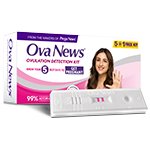
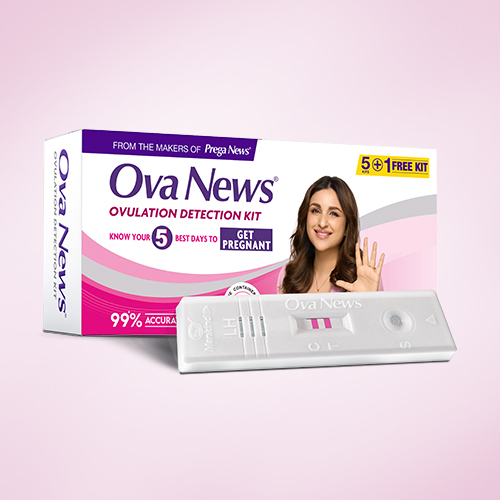
These detect the LH surge in urine. A positive result means ovulation is likely within 24 to 36 hours. Ova News detects your five most fertile days, with results in 5 minutes.
3. Track Basal Body Temperature
Your resting temperature rises slightly after ovulation. It confirms ovulation rather than predicting it, so chart two cycles.
4. Use an Ovulation Calculator
Start with the ovulation calculator, then check it against mucus changes or a kit. Estimates fail if cycles vary by over a week.
Signs You May Be Approaching Ovulation
Your body often gives quiet signals a day or two ahead:
- Clear, stretchy cervical mucus: the most useful early sign
- Mild one-sided pelvic pain: sometimes called mittelschmerz
- A small rise in basal body temperature
- Increased libido
- A positive ovulation predictor kit: ovulation likely within 24 to 36 hours
Can You Get Pregnant During Your Period
Yes, though uncommon. If you bleed seven days and ovulate on day 10, sperm from day 6 may still be alive.
What If You Don’t Want to Get Pregnant After Your Period
Then no day is automatically safe. Researchers found 4 to 6 per cent of women were potentially fertile in the fifth week. Cycle tracking alone isn’t reliable contraception, so speak to your doctor.
If you’ve already had unprotected sex, emergency contraception is time-sensitive. The NHS advises using it within 3 to 5 days, and sooner is better. A pharmacist or doctor can talk you through the options.
When Should You Take a Pregnancy Test
Testing too early is why results confuse people. hCG (Human Chorionic Gonadotropin), the hormone a test looks for, starts being produced around six days after fertilisation. It takes longer to reach a level a home test can detect.
If You Had Unprotected Sex After Your Period
If you’re unsure when your next period is due, the NHS advises testing at least 21 days afterwards.
If Your Period Is Late
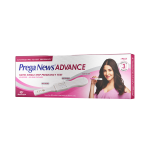
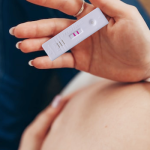
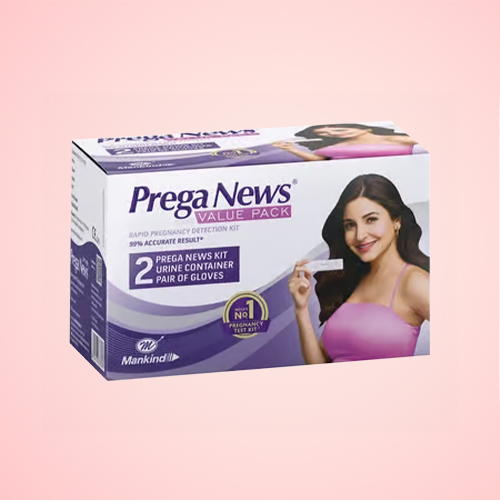
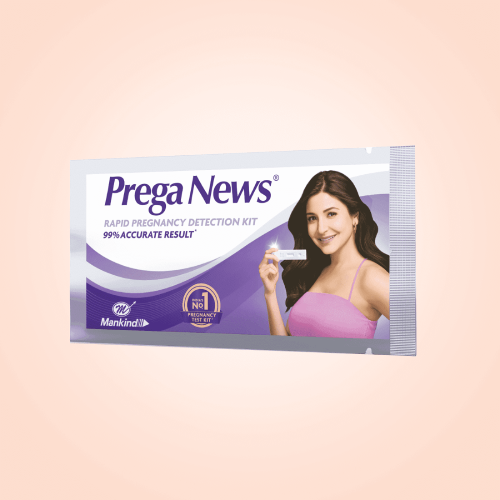
Test from the first day of your missed period. The Prega News Pregnancy Test Kit offers 99 per cent accuracy in 5 minutes, ideally using first morning urine.
What If the Pregnancy Test Is Negative
hCG may still be too low, especially if you ovulated late. Test again in a few days, and see your doctor if your period stays away.
When Should You See a Doctor
Most cycle variation is normal. Please consult your healthcare provider if you notice:
- Cycles consistently shorter than 21 or longer than 35 days
- Bleeding between periods, or periods that stop
- No pregnancy after a year of trying, or six months if over 35
- Severe pelvic pain
Your doctor can give personalised guidance, or ask an expert via Ask a Gynae.
Conclusion
The days after your period aren’t blank space. They’re the run-up to your fertile window, and how soon it opens depends on your cycle length.
While this can help you understand pregnancy chances after period, every body is different, so please consult your healthcare provider.
FAQs
Q. Can I get pregnant immediately after my period?
Uncommon but possible, especially with a short cycle or long period. Sperm can survive five days, so sex on the last day of bleeding may meet an egg.
Q. How many days after my period can I get pregnant?
There’s no fixed day. It depends on your cycle length. Women had at least a 10 per cent chance of being fertile on every day from day 6 to day 21.
Q. Can I get pregnant 2 days after my period?
Yes, though lower than mid-cycle. Sperm may still be viable if a shorter cycle ovulates on day 8.
Q. How fertile are you after your period?
Low at first, then rising quickly. From day 6 to day 21, women had at least a 10 per cent chance of being in their fertile window.
Q. Can you get pregnant on the last day of your period?
Yes, especially if your cycle runs 24 days or shorter. Sperm may still be alive when ovulation begins.
Q. When is the best time to get pregnant after your period?
The one or two days before ovulation, usually days 12 to 14 in a 28-day cycle.
Q. How many days after your period do you ovulate?
It depends on cycle length, not period length. Ovulation occurs 10 to 16 days before your next period.
Q. How can I calculate my fertile window after my period?
Subtract 14 from your cycle length to estimate ovulation day, then count back five days.
MEDICAL CLAIMS & SOURCE LINKS
| Blog Section | Medical Claim | Link |
| Introduction | Sperm can survive up to five days inside the female reproductive tract, and a 21-day cycle is likely to ovulate around day 7 while a 35-day cycle ovulates around day 21 | https://www.acog.org/womens-health/experts-and-stories/the-latest/trying-to-get-pregnant-heres-when-to-have-sex |
| What Are the Chances of Getting Pregnant After Your Period | Only about 30 per cent of women had a fertile window falling entirely within days 10 to 17, and on every day from day 6 to day 21 women had at minimum a 10 per cent probability of being fertile | https://pubmed.ncbi.nlm.nih.gov/11082086/ |
| Can You Get Pregnant After Your Period | Ovulation usually happens around 10 to 16 days before the next period, and sperm can survive in the fallopian tubes for up to seven days | https://www.nhs.uk/conditions/periods/fertility-in-the-menstrual-cycle/ |
| How Ovulation Determines Your Chances of Getting Pregnant After Your Period | A surge in luteinising hormone causes the mature follicle to rupture and release the oocyte, with ovulation typically occurring after the surge begins | https://www.ncbi.nlm.nih.gov/books/NBK500020/ |
| What Is the Fertile Window | The fertile window is about six days, the five days before ovulation plus ovulation day, and an egg survives only 12 to 24 hours after release | https://www.acog.org/womens-health/faqs/fertility-awareness-based-methods-of-family-planning |
| When Should You Take a Pregnancy Test | hCG starts being produced around six days after fertilisation, and testing is advised at least 21 days after unprotected sex if the next period date is unknown | https://www.nhs.uk/pregnancy/trying-for-a-baby/doing-a-pregnancy-test/ |
| How Many Days After Your Period Can You Get Pregnant | The likelihood of being within the fertile window is about 2 per cent on cycle day 4, reaching a maximum of about 58 per cent on day 12 | https://pubmed.ncbi.nlm.nih.gov/23340057/ |
| How Does Your Menstrual Cycle Affect Pregnancy Chances After Your Period | Periods are irregular if the gap between them is under 21 days or over 35 days, and a GP should be consulted if the normal pattern changes | https://www.nhs.uk/symptoms/irregular-periods/ |
| How to Track Your Fertile Window After Your Period | Basal body temperature rises slightly after ovulation and should be taken each morning before eating or drinking; ovulation kits test for luteinising hormone in urine, and sex in the 24 to 36 hours after a detected surge improves the chance of pregnancy | https://www.webmd.com/baby/am-i-ovulating |
| Can You Get Pregnant During Your Period | Emergency contraception needs to be used within 3 to 5 days of unprotected sex, and is usually more effective the sooner it is used | https://www.nhs.uk/contraception/emergency-contraception/ |
| What Are the Chances of Getting Pregnant After Your Period | Couples in their twenties conceive in about 25 to 30 per cent of cycles, falling below 10 per cent by age 40 | https://www.acog.org/womens-health/faqs/treating-infertility |
| When Should You See a Doctor | Infertility evaluation is recommended after a year of trying, or after six months if older than 35 | https://www.acog.org/womens-health/faqs/evaluating-infertility |
| What Is the Fertile Window | The highest probability of pregnancy comes from sex on the day prior to ovulation, falling close to zero after ovulation | https://pubmed.ncbi.nlm.nih.gov/10402400/ |
| Signs You May Be Approaching Ovulation | Mittelschmerz is benign preovulatory lower abdominal pain occurring midcycle, felt near the ovary on the same side as the developing follicle, and coinciding with the peak in luteinising hormone | https://www.ncbi.nlm.nih.gov/books/NBK549822/ |
| When Should You See a Doctor | Bleeding between periods should always be checked by a GP or sexual health clinic | https://www.nhs.uk/symptoms/vaginal-bleeding-between-periods-or-after-sex/ |
SHARE











Leave a comment