












Period Cramps vs Early Pregnancy Cramps: Key Differences Explained
It’s four days before your period is due, and a familiar ache settles into your lower belly. Whether you’re hoping to conceive or hoping you’re not, the same cramp can tell two very different stories. The quick answer on period cramps vs early pregnancy cramps: you can’t separate them by feel alone. Timing, bleeding and companion symptoms offer clues; only a pregnancy test can confirm.
Period Cramps vs Early Pregnancy Cramps: What’s the Difference
Both begin in the same organ, the uterus (womb), which is why they feel so alike. Here is what may differ between them.
Quick Comparison Table
| Feature | Period Cramps | Early Pregnancy Cramps |
| Cause | Contractions shedding the uterine lining | Rising hormones, early uterine growth |
| Timing | 1 to 2 days before bleeding starts | Often 6 to 12 days after ovulation |
| Sensation | Often throbbing or squeezing | Often a dull pulling or pressure |
| Duration | May ease within 48 to 72 hours | Often a day or two, on and off |
| Bleeding | A regular menstrual flow | Light pink or brown spotting, if any |
These are typical patterns, not rules. The overlap is real, and neither type of cramp can confirm or rule out pregnancy on its own.
What Do Period Cramps Feel Like
Period cramps (dysmenorrhoea, the medical name for painful periods) happen when hormone-like substances called prostaglandins make the uterus contract to shed its lining. Strong contractions briefly reduce blood flow to the muscle, and that dip in oxygen registers as pain. Higher prostaglandin levels tend to mean stronger cramps.
Where Are Period Cramps Usually Felt
Usually across the lower abdomen, spreading to the lower back and thighs. Many women describe throbbing or squeezing, though sensations vary widely.
When Do Period Cramps Start
They typically begin one to two days before bleeding and often ease within 48 to 72 hours.
What Other Symptoms Can Occur
Common companions include:
- Bloating and breast tenderness
- Mood swings, irritability and tiredness
- Mild nausea or loose stools, because prostaglandins can affect the gut too
What Do Early Pregnancy Cramps Feel Like
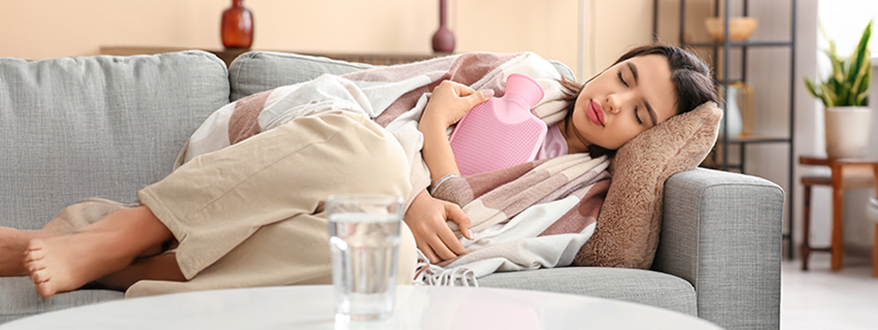
Early pregnancy cramping is usually gentler. The fertilised egg is only a few millimetres across when it implants, so implanting itself rarely causes strong symptoms. Most early cramping is believed to come from rising hormones and the growing uterus.
Where Are Early Pregnancy Cramps Felt
Typically low and central, sometimes with a mild lower back ache. Some women describe a dull pulling or gentle pressure, but this isn’t a reliable way to tell it apart from period pain.
How Long Do They Last
Cramping around implantation, if it happens at all, usually lasts a day or two. No particular cramp can be identified as an implantation cramp with certainty.
Are Early Pregnancy Cramps Mild or Severe
Typically mild to moderate, coming and going. Severe, constant or worsening pain isn’t typical and deserves prompt medical attention.
Why Do Period Cramps and Early Pregnancy Cramps Feel Similar
With early pregnancy cramps vs menstrual cramps, both come from the same organ and travel the same nerve pathways, so your brain reads them alike. Progesterone also rises in the late cycle and in early pregnancy, so bloating, sore breasts and tiredness appear in both. Your body uses overlapping signals for two different events.
Period Cramps vs Early Pregnancy Cramps Before a Missed Period
Symptoms in this window overlap heavily with PMS, because implantation can happen on the very days premenstrual cramping normally begins. That makes every twinge unreliable as a sign, in either direction. If your period arrives on time, the cramps were almost certainly menstrual; if not, that’s your cue to test.
Period Cramps vs Early Pregnancy Cramps: Timing Differences
When Do Period Cramps Usually Start
Typically one to two days before your period, peaking with the heaviest flow and fading as bleeding tapers.
When Can Early Pregnancy Cramps Occur
Implantation typically happens six to twelve days after ovulation, so mild cramping may appear then. The timing alone cannot tell you whether a cramp is related to implantation.
Can You Have Pregnancy Cramps Before a Missed Period
Yes, some women notice light twinges then, and many feel nothing at all, so absent cramps rule nothing out.
Also Read – Physiological Changes During Pregnancy: What Happens to Your Body Each Trimester
Period Cramps vs Pregnancy Cramps with Bleeding
Menstrual Bleeding
A period starts light, builds into a steady red flow over several days and tapers, cramps riding with the heaviest bleeding.
Early Pregnancy Spotting
Spotting in early pregnancy tends to be light pink or brown, far lighter than a period, and stops within a day or two. Up to 1 in 4 pregnancies involve light bleeding early on, often around the time a period would have been due, though many women see none.
Does Spotting Mean Implantation
Not necessarily. Spotting can follow hormonal shifts or irritation of the cervix (the neck of the womb), so it can’t confirm implantation.
Also Read – How Much Bleeding Is Normal in Early Pregnancy?
Other Symptoms: Period vs Early Pregnancy
The symptoms around a cramp add context, though none of them can confirm pregnancy.
Breast Tenderness
Common in both. Soreness continuing after a missed period adds context, not confirmation.
Bloating
PMS bloating typically settles with your period, while bloating can linger in pregnancy. Neither pattern is specific enough to confirm anything.
Nausea
Occasional queasiness can occur before a period. Nausea that builds and lingers is more often reported in pregnancy, but it has many other causes.
Fatigue
Both can leave you tired. Rising progesterone can make pregnancy tiredness heavier, though tiredness alone proves nothing.
Mood Changes
PMS mood swings usually lift once the period arrives. Mood changes that continue may add context, not confirmation.
Frequent Urination
Not typical of PMS, and common after a missed period, but it can also follow a urinary infection or simply drinking more.
Can Cramps Tell You If You’re Pregnant
Honestly, no. Cramping is one of the least reliable pregnancy signs, because every pattern has exceptions and many pregnant women feel nothing at all. If you keep one line from this article, keep this: treat cramps as a prompt to test at the right time, never as an answer in themselves.
When Should You Take a Pregnancy Test If You Have Cramps
If Your Period Is Late
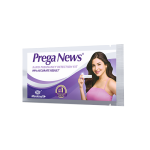
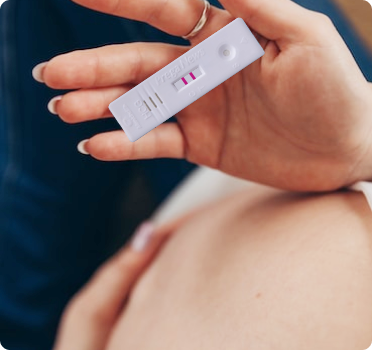
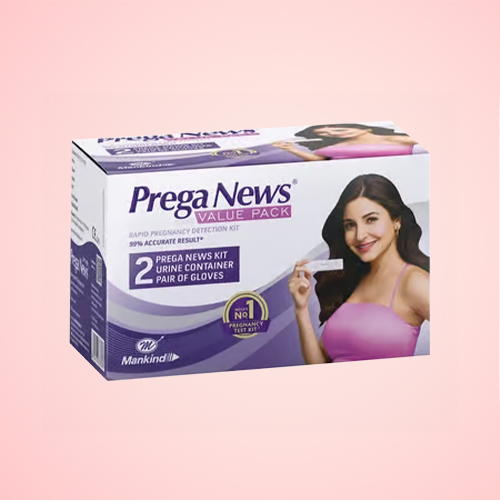
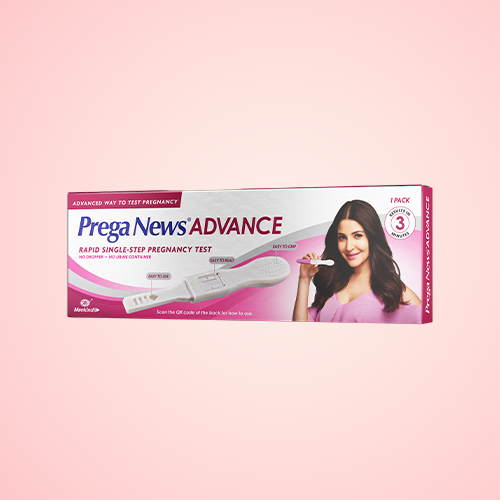
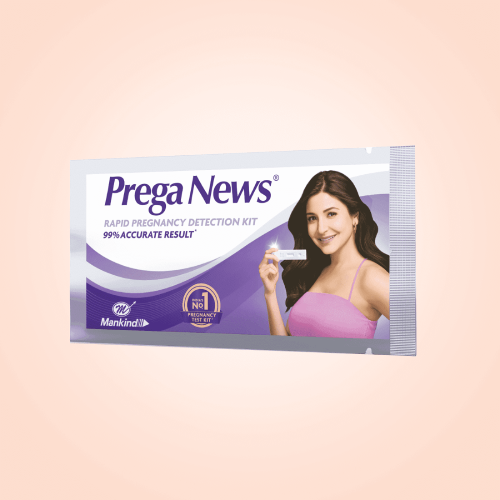
A home pregnancy test is appropriate once your period is late, so testing now is reasonable. Used at this point, the Prega News Pregnancy Test Kit detects hCG (human chorionic gonadotropin, the pregnancy hormone) with 99% accuracy in about 5 minutes. First morning urine is most concentrated, though any time of day can be used.
If You Had Unprotected Sex
hCG needs time to build, so a test is most reliable from your expected period date onwards. If you test earlier, a negative may simply be too early. If it’s negative and your period still hasn’t come, retest after a few days or see your doctor.
Can You Test Before a Missed Period
You can, but a negative may not be trustworthy yet, as hCG may not be detectable. No kit’s accuracy can make up for testing too early, so the Pregnancy Test Date Calculator can find your ideal day.
What Else Can Cause Lower Abdominal Cramps
Not every cramp is about your period or pregnancy. These are possibilities to be aware of, not likely explanations:
Ovulation Pain
A one-sided, mid-cycle twinge (mittelschmerz) lasting a few hours to a day or so.
Gas and Constipation
Digestive cramps can mimic uterine ones, though they often ease after passing wind or stool.
UTI
A urinary tract infection (a bladder or urinary passage infection) can cause lower tummy pain with burning while urinating.
Endometriosis
Tissue similar to the uterine lining growing outside the uterus, which can cause severe period pain.
Fibroids
Non-cancerous growths in the uterine wall that may cause heavy, painful periods.
Ovarian Cysts
Fluid-filled sacs on an ovary causing a one-sided ache. If any of these sound familiar, please consult your doctor.
How Can You Manage Mild Cramps
1. Rest and Hydration
Give yourself downtime and sip water, as dehydration can make cramping feel worse.
2. Gentle Activity
A short walk or light stretching may improve blood flow and ease the ache. Your usual routine is generally fine; just stop if any movement hurts.
3. Heat Therapy
A warm (not hot) water bag on the lower abdomen can soothe cramping muscles.
4. When to Ask a Doctor
If cramps regularly disrupt your day, talk to your doctor; if you might be pregnant, check before taking any medicine.
When Are Early Pregnancy Cramps a Medical Concern
Mild cramping can be normal in early pregnancy, but please seek urgent medical help if you experience:
Severe Pain
Intense or constant pain that doesn’t settle should never be waited out.
One-Sided Pain
Sharp pain on one side may signal an ectopic pregnancy (a pregnancy growing outside the womb, usually in a fallopian tube).
Heavy Bleeding
Bleeding that soaks through pads or brings clots alongside cramps needs prompt review.
Shoulder-Tip Pain
Unusual pain where your shoulder ends and arm begins can occur when internal bleeding irritates the diaphragm (the breathing muscle). It needs emergency care.
Dizziness/Fainting
Feeling faint or dizzy alongside abdominal pain is a red flag. Don’t wait; get help immediately.
Conclusion
Period cramps vs early pregnancy cramps is rarely a question your body answers on its own, and that’s okay. The takeaway is simple: cramps alone can’t tell you whether you’re pregnant. If your period is due or late, test at the right time; if pain is severe or unusual, seek medical advice. Every person’s body is different, so for any concerns, please consult your healthcare provider for personalised guidance.
Frequently Asked Questions
Q. Do early pregnancy cramps feel like period cramps?
They can feel similar, as both begin in the uterus; feel alone can’t separate them.
Q. How can you tell the difference between period cramps and pregnancy cramps?
Look at timing and bleeding rather than the cramp itself, then confirm with a test.
Q. Can you have period-like cramps in early pregnancy?
Yes, but they can feel the same as PMS cramps and cannot confirm pregnancy.
Q. What do early pregnancy cramps feel like?
Often a dull pulling or gentle pressure that comes and goes, though period cramps can feel identical.
Q. Where are early pregnancy cramps located?
Usually low and central, though location doesn’t distinguish them from period cramps.
Q. How early can pregnancy cramps start?
Some notice mild cramping six to twelve days after ovulation, but timing can’t identify a cramp as implantation.
Q. Can you have cramps before a missed period and still be pregnant?
Yes, though such cramps overlap completely with PMS, so only a test can tell.
Q. Why do I feel like my period is coming but no period?
Early pregnancy, stress or hormonal shifts can all cause this. Test if your period stays late.
Q. Are pregnancy cramps lighter than period cramps?
Often, yes, though every woman’s experience differs and overlap is common.
Q. Do cramps mean I’m pregnant?
No. Only a home test after a missed period can tell you reliably.
Q. When should I take a pregnancy test if I have cramps?
From your expected period date onwards, ideally using first morning urine.
Q. When should early pregnancy cramps be a concern?
Seek urgent care for severe or one-sided pain, heavy bleeding, shoulder-tip pain or dizziness.
Medical Claims & Source Links
| Blog Section | Medical Claim | Link |
| What Do Period Cramps Feel Like | Prostaglandins, natural chemicals made in the uterine lining, cause the muscles and blood vessels of the uterus to contract; levels are highest on day one and fall as the lining sheds, which is why pain eases | https://www.acog.org/womens-health/faqs/dysmenorrhea-painful-periods |
| What Do Period Cramps Feel Like | Period pain begins shortly before or at the start of bleeding, is felt as cramping in the lower tummy that can spread to the back and thighs, and usually lasts up to three days | https://www.nhs.uk/symptoms/period-pain/ |
| What Do Period Cramps Feel Like | Prostaglandins constrict uterine blood vessels, and the resulting tissue ischaemia (reduced oxygen supply) produces menstrual pain | https://pubmed.ncbi.nlm.nih.gov/7001019/ |
| What Do Period Cramps Feel Like | Primary dysmenorrhoea is menstrual pain with no underlying pelvic disease, driven by increased prostaglandin activity in the uterus | https://www.ncbi.nlm.nih.gov/books/NBK279324/ |
| Period Cramps vs Early Pregnancy Cramps: Timing Differences | Implantation typically occurs six to twelve days after ovulation, and symptoms around that window cannot confirm or rule out pregnancy | https://www.healthline.com/health/implantation-signs |
| What Do Early Pregnancy Cramps Feel Like | Mild cramping “a bit like period pains” is a recognised early pregnancy symptom, alongside light spotting as the fertilised egg burrows into the uterus | https://www.nhs.uk/best-start-in-life/pregnancy/week-by-week-guide-to-pregnancy/1st-trimester/week-4/ |
| Period Cramps vs Early Pregnancy Cramps Before a Missed Period | Early pregnancy symptoms usually start at around four to six weeks, not everyone gets them, and implantation bleeding appears as a very light bleed around the time the period is due | https://www.nhs.uk/pregnancy/trying-for-a-baby/signs-and-symptoms-that-might-mean-youre-pregnant/ |
| Why Do Period Cramps and Early Pregnancy Cramps Feel Similar | Hormonal change in early pregnancy causes tiredness and breast tenderness “just as they might do before your period”, which is why the two states overlap | https://www.nhs.uk/pregnancy/trying-for-a-baby/signs-and-symptoms-of-pregnancy/ |
| Other Symptoms: Period vs Early Pregnancy | PMS symptoms occur in the luteal phase and improve when the period starts, disappearing within a few days | https://www.nhsinform.scot/healthy-living/womens-health/girls-and-young-women-puberty-to-around-25/periods-and-menstrual-health/premenstrual-syndrome-pms/ |
| When Should You Take a Pregnancy Test If You Have Cramps | Most pregnancy tests can be taken from the first day of a missed period; hCG production begins around six days after fertilisation; if the period date is unknown, test at least 21 days after unprotected sex | https://www.nhs.uk/pregnancy/trying-for-a-baby/doing-a-pregnancy-test/ |
| When Should You Take a Pregnancy Test If You Have Cramps | A positive result is almost certainly correct if instructions are followed; a negative result is less reliable, so wait a week and test again | https://www.nhs.uk/pregnancy/trying-for-a-baby/doing-a-pregnancy-test/ |
| When Should You Take a Pregnancy Test If You Have Cramps | Home pregnancy tests are highly accurate when used correctly, and first morning urine is the most concentrated sample | https://www.healthline.com/health/pregnancy/tests |
| Period Cramps vs Pregnancy Cramps With Bleeding | Light bleeding or spotting occurs in up to 25% of pregnancies in the first 12 weeks, and around half of those pregnancies continue normally | https://www.nbt.nhs.uk/our-services/a-z-services/emergency-zone/ed-miu-patient-information/early-pregnancy-bleeding |
| When Are Early Pregnancy Cramps a Medical Concern | Tummy pain low down on one side and shoulder-tip pain, felt where the shoulder ends and the arm begins, can indicate an ectopic pregnancy and need immediate medical advice | https://www.nhs.uk/conditions/ectopic-pregnancy/symptoms/ |
| When Are Early Pregnancy Cramps a Medical Concern | Any pain or bleeding in early pregnancy should be assessed by a healthcare professional, with referral to an early pregnancy assessment service where indicated | https://www.nice.org.uk/guidance/ng126/chapter/recommendation |
SHARE











Leave a comment