


















How Much Bleeding Is Normal in Early Pregnancy? Signs, Causes & When to See a Doctor
Noticing even a few drops of blood in early pregnancy can feel deeply unsettling. It is one of the most common concerns expecting mothers search for, and that uncertainty can quickly turn into worry. Many women wonder how much bleeding is normal in early pregnancy and whether what they are seeing is a warning sign or simply part of the body adjusting. Knowing the difference between normal spotting and bleeding that needs attention can bring real reassurance, and that is exactly what this guide will help you understand.
Quick Reassurance: Light pink or brown spotting in early pregnancy is often common and usually harmless. However, heavy bright red bleeding, severe cramps, dizziness, fainting, or passing clots require immediate medical attention. The information in this article is for educational purposes only and is not a substitute for advice from your healthcare provider.
Is Bleeding Normal During Early Pregnancy
Research suggests that early pregnancy spotting can occur in roughly 20 to 30 per cent of pregnancies during the first trimester, and many of these pregnancies continue normally with healthy outcomes. Studies indicate that a large share of women who experience only light, brief spotting in the early weeks go on to deliver healthy babies.
That said, “normal” can look different for every woman, and not all bleeding is harmless. Recognising what your body may be signaling can help you respond calmly rather than fearfully.
How Much Bleeding Is Normal in Early Pregnancy
Light spotting that appears as a few drops of pink, brown, or rust-coloured blood is generally considered normal in early pregnancy. It is usually light enough that it does not soak a sanitary pad and often lasts only a few hours to a couple of days.
By contrast, bleeding that fills more than one sanitary pad within an hour, appears bright red, includes clots, or comes with strong cramping is not considered typical and warrants prompt medical attention. Knowing this difference can help you decide what to do next with greater confidence.
Common Causes of Light Bleeding in Early Pregnancy
Mild pregnancy bleeding in the early weeks can have several gentle, non-threatening explanations. Knowing the possible reasons can ease anxiety and help you describe what you are experiencing to your doctor.
Some of the most common causes include:
- Implantation bleeding: Light pink or brown spotting that may occur 6 to 12 days after conception, when the fertilised egg attaches to the uterine lining
- Cervical changes: Increased blood flow to the cervix can cause light bleeding, especially after intimacy or a pelvic examination
- Hormonal shifts: Rising hormone levels can sometimes lead to mild breakthrough spotting in the early weeks
- Vaginal infections: Mild infections or irritation can also lead to light bleeding and may need treatment
- Subchorionic haematoma: A small collection of blood between the uterine wall and pregnancy sac that often resolves on its own
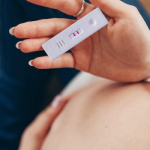
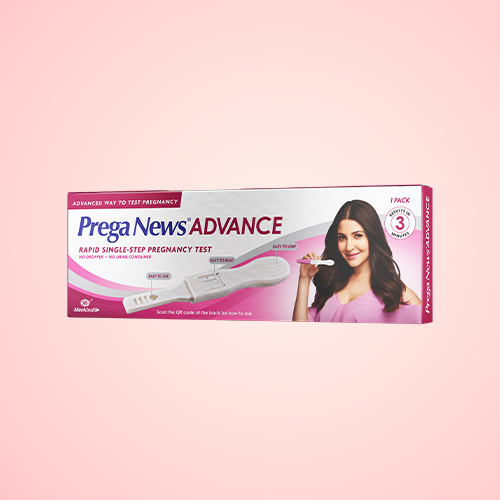
Because pink or brown spotting can sometimes be mistaken for the start of a period, confirming whether you are pregnant is a useful first step (a reliable home test such as the Prega News Advance Pregnancy Test Kit provides this confirmation in 3 minutes from the comfort of home).
Also Read: Implantation Bleeding vs Period: How to Tell the Difference
When Bleeding in Early Pregnancy May Be a Concern
While light spotting is often harmless, certain patterns deserve closer attention. Bleeding that grows heavy enough to soak a sanitary pad within an hour, turns bright red, or comes with cramping stronger than typical period pain should not be ignored.
It is also worth noting if first trimester bleeding is accompanied by dizziness, fainting, sharp one-sided pain, or the sudden disappearance of pregnancy symptoms such as nausea or breast tenderness. These signs do not always point to a serious issue, but they should be evaluated by a healthcare professional without delay.
Conditions Linked to Abnormal Bleeding During Early Pregnancy

In some cases, heavier or persistent bleeding in early pregnancy may indicate an underlying condition that needs medical care. Understanding how much bleeding is normal during early pregnancy can help you recognise when something requires attention.
Possible conditions associated with abnormal bleeding may include:
- Miscarriage: Heavier bleeding with strong cramping and clots may sometimes indicate a pregnancy loss, particularly in the first trimester
- Ectopic pregnancy: When the fertilised egg implants outside the uterus, often in the fallopian tube, it can cause bleeding along with one-sided pelvic pain and shoulder pain
- Molar pregnancy: A rare condition where abnormal tissue grows in the uterus, sometimes leading to dark brown spotting or bleeding
- Cervical or uterine issues: Conditions such as cervical polyps or infections may also contribute to bleeding
These conditions can feel frightening to read about, but they are not the most common explanations for early-pregnancy spotting. Only a qualified doctor can assess your specific situation through proper examination.
What Should You Do If You Experience Bleeding During Pregnancy
If you notice any bleeding during early pregnancy, the first step is to observe and record what is happening. Note the colour, amount, duration, and any accompanying symptoms such as cramps, pain, or dizziness.
Avoid using tampons, douching, or having intercourse until your doctor has assessed the situation. Resting and staying hydrated can also support your body during this time. If you would like trusted medical guidance without leaving home, the Ask a Gynae resource on PregaNews connects you with experts who can answer early pregnancy queries with care and clarity.
How Doctors Diagnose Early Pregnancy Bleeding
When you visit your doctor for pregnancy spotting, they will typically begin with a detailed conversation about your symptoms and medical history. A gentle physical examination may follow to check your cervix and uterus.
Two common investigations include:
- Ultrasound scan: A transvaginal or abdominal ultrasound helps confirm the location of the pregnancy and check the baby’s heartbeat, usually visible from around 6 to 7 weeks
- Blood tests: Serial hCG (Human Chorionic Gonadotropin) blood tests, often taken 48 hours apart, can show whether your pregnancy hormone levels are rising as expected
In many cases, especially when spotting is light, doctors find that the pregnancy is progressing well, and they may simply recommend rest and a follow-up scan. These investigations are designed to give you and your doctor a clearer picture so you can be guided with confidence and care.
Also Read: https://preganews.com/blogs/what-to-know-about-an-hcg-pregnancy-test/
Tips for Managing Light Bleeding in Early Pregnancy
If your doctor has confirmed that your bleeding is mild and not a cause for concern, there are gentle steps you can take to support your body.
1. Prioritise Rest and Gentle Movement
Allow yourself time to rest, especially during the first trimester when fatigue is common. Avoid heavy lifting, intense workouts, or activities that strain your body. Light walking and gentle stretching can keep you comfortable without overexertion.
2. Stay Hydrated and Eat Nourishing Meals
Drinking enough water and eating balanced, nutrient-rich meals helps your body cope with the changes of early pregnancy. Foods rich in iron, folic acid, and leafy greens can be particularly supportive during this phase.
3. Avoid Stress Triggers Where Possible
Emotional stress can heighten anxiety around pregnancy symptoms. Practise calming activities like deep breathing, prenatal yoga (with your doctor’s approval), reading, or talking to a loved one.
4. Keep a Symptom Diary
Note when the bleeding occurs, how much there is, the colour, and any associated symptoms. This record can be incredibly helpful for your doctor and gives you a clearer picture of patterns over time.
When to See a Doctor Immediately
While early pregnancy spotting is often manageable at home with medical guidance, certain symptoms require urgent care. Please reach out to your healthcare provider or visit a hospital promptly if you experience:
- Heavy bleeding that fills a sanitary pad within an hour
- Bright red bleeding with clots or visible tissue
- Abdominal or pelvic pain stronger than typical period cramps, especially on one side
- Sharp shoulder pain, dizziness, or fainting, which may indicate an ectopic pregnancy
- Fever above 38°C, chills, or unusual vaginal discharge
- Sudden loss of pregnancy symptoms alongside heavy bleeding
Your safety comes first. It is always better to call your doctor and be reassured than to wait in worry.
Also Read: Body Changes During Pregnancy: First Trimester
Conclusion
Understanding how much bleeding during early pregnancy is normal can bring real calm to what is often an emotional moment. Light spotting can occur for many women without harm, and many such pregnancies progress safely with the right care. The information shared here is for educational purposes only and should not replace professional medical advice. If you have any concerns about bleeding during pregnancy, please consult your gynaecologist or healthcare provider for personalised support.
Frequently Asked Questions
Q. How much bleeding is considered normal in early pregnancy?
Light spotting of a few drops in pink, brown, or rust colours that does not soak a pad is generally normal. Bright red bleeding that fills a pad within an hour needs prompt medical review.
Q. Is bleeding during early pregnancy always a sign of miscarriage?
No, many women experience light spotting and go on to have healthy pregnancies, but any bleeding should be discussed with your healthcare provider for personalised guidance.
Q. What colour is normal pregnancy spotting?
Normal pregnancy spotting is usually light pink, brown, or rust-coloured. Bright red bleeding, especially if heavy or painful, is less typical and warrants medical attention.
Q. Can implantation bleeding be heavy?
Implantation bleeding is typically light and brief, lasting a few hours to a couple of days. Bleeding heavy enough to fill a pad or lasting several days should be evaluated by a doctor.
Q. When should I worry about bleeding during pregnancy?
Seek medical care for heavy bright red bleeding, cramps stronger than period pain, dizziness, fainting, fever, or one-sided pelvic pain. These may signal a condition needing prompt attention.
Q. How long does normal spotting last in early pregnancy?
Light spotting often lasts from a few hours to one or two days. Spotting that continues for several days, grows heavier, or returns repeatedly should be reviewed by your gynaecologist.
Q. Should I go to the hospital for light spotting during pregnancy?
Light spotting alone often does not need an emergency visit, but it is wise to inform your doctor. Seek urgent care if it comes with heavy bleeding, severe pain, dizziness, or fainting.
Q. How do I know if it’s implantation bleeding or a period?
Implantation bleeding is usually lighter, shorter, and pink or brown, while a period is heavier and bright red. A reliable home pregnancy test after a missed period can confirm pregnancy.
Medical Claims & Source Links Verification
| Blog Section | Medical Claim | Link |
| Is Bleeding Normal During Early Pregnancy | Early pregnancy spotting can occur in roughly 20 to 30 per cent of pregnancies during the first trimester | https://www.webmd.com/baby/bleeding-during-pregnancy |
| Many women who experience light spotting in the early weeks go on to deliver healthy babies | https://www.webmd.com/baby/bleeding-during-pregnancy | |
| Light bleeding during the first trimester is common and often not a cause for concern | https://www.webmd.com/baby/first-trimester-of-pregnancy | |
| How Much Bleeding Is Normal in Early Pregnancy | Spotting refers to a few drops of blood that do not soak a pantyliner or pad | https://www.webmd.com/baby/bleeding-during-pregnancy |
| Bleeding that soaks through a sanitary pad is not considered normal and warrants medical attention | https://my.clevelandclinic.org/health/symptoms/22044-bleeding-during-pregnancy | |
| Common Causes of Light Bleeding in Early Pregnancy | Implantation bleeding may occur 6 to 12 days after conception when the fertilised egg attaches to the uterine lining | https://www.webmd.com/baby/implantation-bleeding-pregnancy |
| Cervical changes during pregnancy can cause light bleeding, especially after intercourse or a pelvic examination | https://www.acog.org/womens-health/faqs/bleeding-during-pregnancy | |
| Hormonal shifts during pregnancy can sometimes cause mild breakthrough spotting | https://my.clevelandclinic.org/health/symptoms/22044-bleeding-during-pregnancy | |
| Vaginal infections such as bacterial vaginosis or yeast infections may cause light bleeding during pregnancy | https://www.webmd.com/baby/yeast-infection | |
| Subchorionic haematoma is a collection of blood between the uterine wall and the gestational membrane that often resolves on its own | https://www.webmd.com/baby/what-is-a-subchorionic-hematoma | |
| When Bleeding in Early Pregnancy May Be a Concern | A sudden disappearance of pregnancy symptoms such as nausea or breast tenderness can be a warning sign of miscarriage | https://www.webmd.com/baby/understanding-miscarriage-symptoms |
| Conditions Linked to Abnormal Bleeding During Early Pregnancy | Heavier bleeding with strong cramping and clots may sometimes indicate a miscarriage, particularly in the first trimester | |
| Ectopic pregnancy occurs when the fertilised egg implants outside the uterus, often in the fallopian tube, and can cause one-sided pelvic pain | https://www.webmd.com/baby/pregnancy-ectopic-pregnancy | |
| Shoulder tip pain in early pregnancy can be a sign of an ectopic pregnancy due to internal bleeding irritating the diaphragm | https://www.nhs.uk/conditions/ectopic-pregnancy/symptoms/ | |
| Molar pregnancy is a rare condition where abnormal tissue grows in the uterus instead of a normal placenta | https://www.webmd.com/baby/what-is-molar-pregnancy | |
| Cervical polyps and infections may also contribute to bleeding during pregnancy | https://my.clevelandclinic.org/health/symptoms/22044-bleeding-during-pregnancy | |
| How Doctors Diagnose Early Pregnancy Bleeding | A transvaginal ultrasound is more accurate than abdominal ultrasound in the first trimester for checking the baby’s heartbeat | https://www.webmd.com/baby/transvaginal-ultrasound |
| A fetal heartbeat is usually visible on transvaginal ultrasound from around 6 to 7 weeks of gestation | https://pmc.ncbi.nlm.nih.gov/articles/PMC7065984/ | |
| hCG levels typically double approximately every 48 hours in early pregnancy and serial blood tests help track progression | https://americanpregnancy.org/getting-pregnant/hcg-levels/ | |
| When to See a Doctor Immediately | Heavy bleeding that soaks a sanitary pad within an hour, severe pelvic pain, dizziness, or fainting requires immediate medical attention | https://www.webmd.com/baby/bleeding-during-pregnancy |













Leave a comment