











Foods That Can Cause Miscarriage During Pregnancy: What to Avoid for a Safe Pregnancy
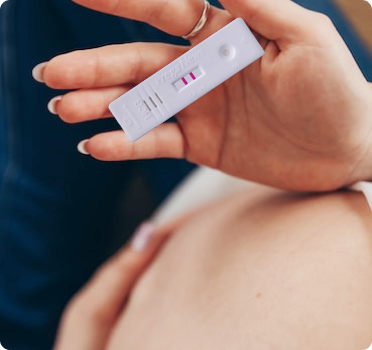
If you are pregnant and feeling anxious about what you ate or worried about whether a certain food could harm your baby, take a breath. You are not alone. Almost every expecting mother goes through this phase of second-guessing meals.
This blog will walk you through the foods that can cause miscarriage risks, explain the science behind them, bust common myths, and share practical alternatives so you can eat with confidence instead of fear.
Why Diet Matters During Pregnancy
What you eat during pregnancy directly supports your baby’s growth and development. Your body needs essential nutrients like folic acid, iron, and calcium to build your baby’s organs, bones, and immune system.
At the same time, your immune system undergoes changes during pregnancy, making you more susceptible to foodborne infections. This is why food safety becomes just as important as nutrition. Choosing the right foods helps protect both you and your growing baby.
Foods That Can Cause Miscarriage: What Science Says
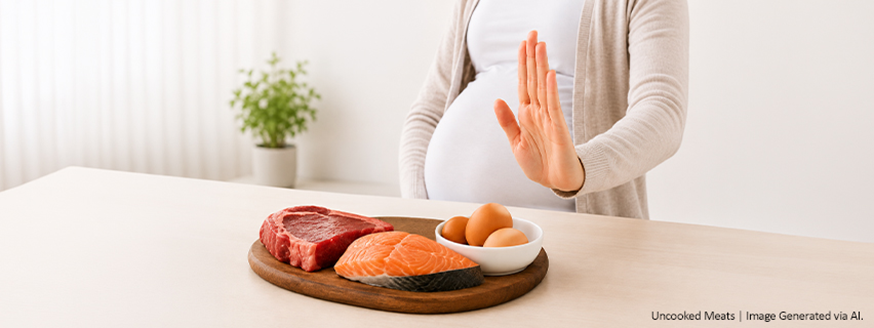
Here is the most important thing to remember: no single food directly causes miscarriage on its own. Most miscarriages, especially in the first trimester, are caused by chromosomal factors that are completely beyond your control.
However, certain foods carry harmful bacteria such as Listeria and Salmonella or contain toxins like mercury, which are associated with an increased risk of complications. The risk comes from how food is prepared, stored, or sourced rather than the food itself.
List of Foods That Can Cause Miscarriage
Here are some foods that may pose risks during pregnancy and the reasons behind them:
- High-mercury fish (shark, swordfish, king mackerel, tilefish): Mercury can accumulate in the body and may affect the baby’s developing brain and nervous system
- Raw or undercooked meat: May harbour Toxoplasma and Salmonella bacteria, which can lead to serious infections during pregnancy
- Raw or undercooked eggs: Can contain Salmonella, which may cause food poisoning and complications
- Unpasteurised dairy products (soft cheeses, raw milk): May contain Listeria bacteria, which is particularly dangerous during pregnancy and associated with miscarriage risk
- Excessive caffeine (more than 200 mg per day): High caffeine intake has been linked to an increased risk of miscarriage in some studies
- Alcohol: There is no known safe amount of alcohol during pregnancy, and consumption is associated with serious developmental risks
Worried because you already ate something from this list? Take a deep breath. In most cases, a single exposure does not cause harm. Watch for symptoms like fever, cramping, or unusual pain over the next 24 to 48 hours. If you feel fine, your baby is very likely fine too.
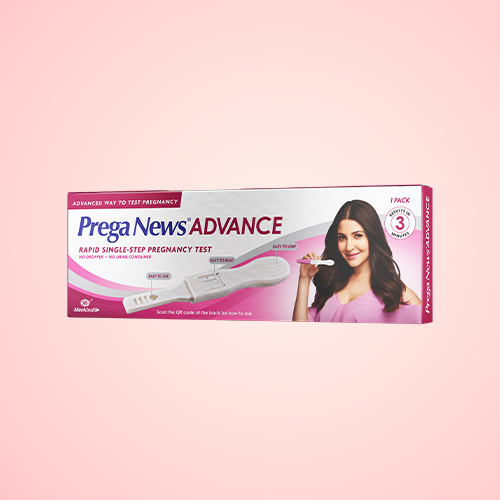
Also Read – How to Use the Prega News Pregnancy Test Kit
Food That Lead to Miscarriage: Myths vs Facts
There are plenty of myths surrounding food that lead to miscarriage, especially in Indian households:
- Myth: Eating spicy food can cause miscarriage. Fact: Spicy food may cause heartburn or indigestion but is not associated with miscarriage.
- Myth: Cold foods or cold drinks are harmful during pregnancy. Fact: There is no scientific evidence linking cold foods to pregnancy complications.
- Myth: Eating outside food is always unsafe. Fact: Eating out is fine as long as the food is freshly prepared, properly cooked, and from a hygienic source.
- Myth: Papaya and pineapple always cause miscarriage. Fact: Ripe papaya and moderate amounts of pineapple are generally considered safe. However, unripe or semi-ripe papaya is often advised to be avoided during pregnancy due to theoretical risk and a lack of sufficient safety data, though no proven causal link has been established.
Which Foods Cause Miscarriage in Early Pregnancy
The first trimester can feel especially nerve-wracking because your baby’s vital organs are forming. It is natural to feel more protective during this time.
During early pregnancy, raw sprouts, unwashed fruits and vegetables, and undercooked meats may carry bacteria that your changing immune system finds harder to fight off. Taking extra care with food hygiene during the first 12 weeks can help reduce these risks considerably.
Safe Alternatives to High-Risk Foods
Making simple swaps can help you enjoy a varied, nutritious diet:
1. Choose Low-Mercury Fish
Opt for salmon, sardines, or tilapia instead of high-mercury varieties. These provide omega-3 fatty acids that support your baby’s brain development.
2. Cook Meats Thoroughly
Ensure all meats are well-cooked until there is no pink remaining.
3. Switch to Pasteurised Dairy
Choose pasteurised milk, cheese, and yoghurt. Hard cheeses like cheddar and paneer are generally safe during pregnancy.
4. Opt for Fully Cooked Eggs
Enjoy eggs that are cooked until both the yolk and white are firm. This eliminates the risk of Salmonella.
5. Limit Caffeine Intake
Switch to decaffeinated beverages or herbal teas (after checking with your doctor). Keeping caffeine below 200 mg per day is generally recommended.
Tips to Maintain a Safe Pregnancy Diet
Following a few simple habits can make a big difference in keeping your diet safe:
- Wash all fruits and vegetables thoroughly under running water before eating or cooking
- Store raw and cooked foods separately in the refrigerator to avoid cross-contamination
- Always check expiry dates and food labels before purchasing packaged items
- Reheat leftovers until they are steaming hot throughout
- Avoid eating food that has been left at room temperature for more than two hours
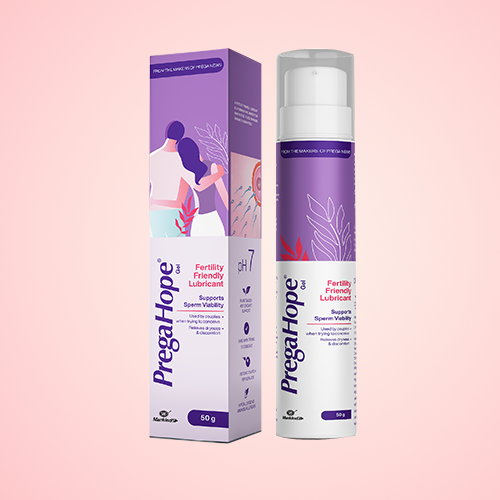
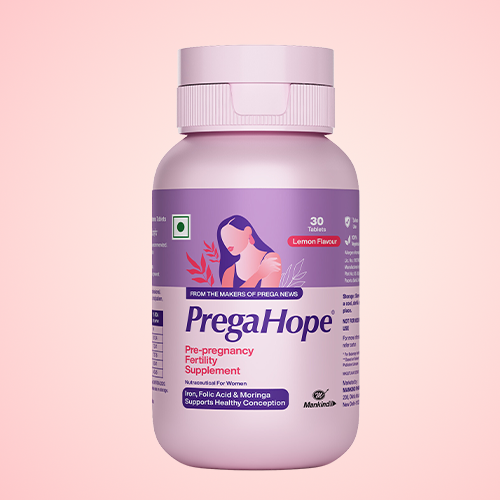
In addition to a balanced diet, your doctor may recommend prenatal supplements to fill nutritional gaps. Prega Hope Pre-Pregnancy Fertility Supplement, trusted by doctors, contains essential nutrients like iron and folic acid that support your body during this phase.
Also Read – Body Changes During Pregnancy: First Trimester
When to Seek Medical Advice
If you accidentally consume a high-risk food, try not to panic. In most cases, a single exposure does not lead to complications. However, seek medical attention if you experience: – Fever or chills after eating – Severe stomach cramps or persistent abdominal pain – unusual bleeding or spotting – Vomiting or diarrhoea that does not improve within a few hours
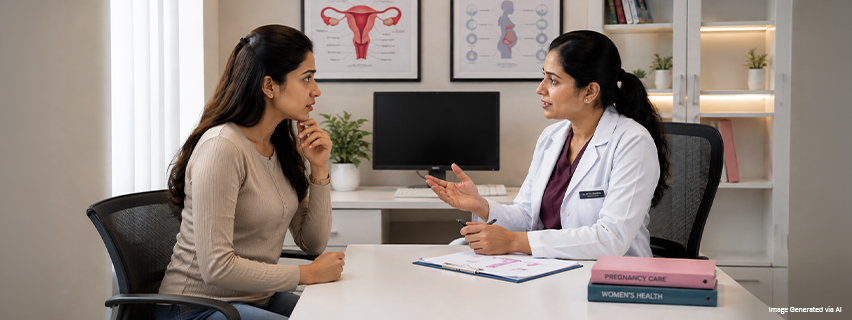
Your doctor can provide personalised guidance. You can also reach out to certified gynaecologists through the PregaNews Ask a Gynae portal for expert advice.
Conclusion
Being mindful of what you eat during pregnancy is one of the simplest ways to protect your health and your baby’s development. While the list of foods that can cause miscarriage risks may seem concerning, remember that most pregnancies progress safely when basic food safety guidelines are followed.
You are already doing a wonderful job by seeking the right information. If you ever have doubts, your healthcare provider is always the best person to consult.
This blog is for informational purposes only and should not replace professional medical advice. Please consult your gynaecologist or healthcare provider for personalised dietary guidance during pregnancy.
Frequently Asked Questions
Q. What foods can cause miscarriage in early pregnancy?
Raw or undercooked meats, unpasteurised dairy, high-mercury fish, raw eggs, excessive caffeine, and alcohol are some foods associated with increased risk during early pregnancy.
Q. Is papaya really unsafe during pregnancy?
Ripe papaya is generally considered safe in moderate amounts. However, unripe or semi-ripe papaya is often advised to be avoided due to theoretical risk and a lack of sufficient safety data. Consult your doctor if you have concerns.
Q. How much caffeine is safe during pregnancy?
Most healthcare providers recommend limiting caffeine to 200 mg per day, roughly one cup of coffee. Excessive caffeine has been associated with an increased risk of miscarriage.
Q. Are spicy foods harmful during pregnancy?
No, spicy foods are not associated with miscarriage. They may cause heartburn or indigestion, but they do not pose a risk to your baby. You can enjoy them in moderation.
Q. Which foods should be avoided during pregnancy to prevent miscarriage?
Avoid high-mercury fish, raw or undercooked meats and eggs, unpasteurised dairy, and alcohol. Limiting caffeine to under 200 mg per day is also recommended.
Q. What are the top foods that can cause miscarriage?
No single food directly causes miscarriage. However, foods carrying Listeria (unpasteurised dairy), Salmonella (raw eggs, undercooked meat), mercury (shark, swordfish), and alcohol are most commonly associated with increased pregnancy risks.
Q. What foods are completely safe during pregnancy? Well-cooked meats, pasteurised dairy, thoroughly washed fruits and vegetables, low-mercury fishlike salmon and sardines, whole grains, and legumes are all considered safe and nutritious during pregnancy.
Medical Claims & Links Table
| Blog Section | Medical Claim | Link |
| Foods That Can Cause Miscarriage: What Science Says | No single food directly causes a miscarriage on its own; most first-trimester miscarriages are caused by chromosomal factors | https://my.clevelandclinic.org/health/diseases/9688-miscarriage |
| Certain foods carry harmful bacteria such as Listeria and Salmonella, or contain toxins like mercury, which are associated with increased risk of complications | https://www.webmd.com/food-recipes/food-poisoning/food-poisoning-while-pregnant | |
| List of Foods That Can Cause Miscarriage | Mercury in high-mercury fish (shark, swordfish, king mackerel, tilefish) can accumulate in the body and may affect the baby’s developing brain and nervous system | https://www.webmd.com/baby/what-to-know-mercury-pregnant-breastfeeding |
| Raw or undercooked meat may harbour Toxoplasma and Salmonella bacteria, which can lead to serious infections during pregnancy | https://my.clevelandclinic.org/health/diseases/toxoplasmosis | |
| Raw or undercooked eggs can contain Salmonella, which may cause food poisoning and complications in pregnancy | https://www.webmd.com/food-recipes/food-poisoning/what-is-salmonella | |
| Unpasteurised dairy products may contain Listeria bacteria, which is particularly dangerous during pregnancy and associated with miscarriage risk | https://www.mayoclinic.org/diseases-conditions/listeria-infection/symptoms-causes/syc-20355269 | |
| Excessive caffeine intake (more than 200 mg per day) has been linked to an increased risk of miscarriage | https://www.webmd.com/baby/features/does-caffeine-raise-risk-of-miscarriage | |
| There is no known safe amount of alcohol during pregnancy, and consumption is associated with miscarriage and serious developmental risks | https://www.webmd.com/baby/fetal-alcohol-syndrome | |
| Food That Leads to Miscarriage: Myths vs Facts | Unripe or semi-ripe papaya contains latex, which may trigger uterine contractions in large quantities | https://www.webmd.com/vitamins/ai/ingredientmono-488/papaya#precautions |
| Which Foods Cause Miscarriage in Early Pregnancy | The first trimester is a sensitive period; infections from contaminated food can have a more significant impact on early development | https://www.acog.org/womens-health/faqs/listeria-and-pregnancy |
| Safe Alternatives to High-Risk Foods | Low-mercury fishlike salmon, sardines, and tilapia provide omega-3 fatty acids that support baby’s brain development | https://www.mayoclinic.org/healthy-lifestyle/pregnancy-week-by-week/in-depth/pregnancy-and-fish/art-20044185 |
| Pasteurised dairy products are safe alternatives; pasteurisation kills harmful bacteria including Listeria | https://www.webmd.com/food-recipes/food-poisoning/food-poisoning-while-pregnant | |
| Tips to Maintain a Safe Pregnancy Diet | Food hygiene practices such as washing produce, avoiding cross-contamination, and proper storage reduce risk of foodborne illness during pregnancy | https://www.mayoclinic.org/healthy-lifestyle/pregnancy-week-by-week/in-depth/pregnancy-nutrition/art-20043844 |
| When to Seek Medical Advice | Warning signs after consuming high-risk food include fever, severe cramps, unusual bleeding, and persistent vomiting or diarrhoea | https://www.webmd.com/food-recipes/food-poisoning/food-poisoning-while-pregnant |
| FAQ: How much caffeine is safe during pregnancy | ACOG recommends limiting caffeine intake to less than 200 mg per day during pregnancy; no significant increase in miscarriage risk below this level | https://www.acog.org/clinical/clinical-guidance/committee-opinion/articles/2010/08/moderate-caffeine-consumption-during-pregnancy |









Leave a comment