

















What is Anovulation: Signs, Symptoms, Causes and Treatment
If you have been trying to conceive without success, you might wonder whether your body is releasing an egg each month. Anovulation, a condition where the ovaries do not release an egg during a menstrual cycle, is one of the most common reasons for fertility challenges.
The good news is that anovulation is often temporary and treatable. Understanding its signs, causes and treatment options can help you take the first step towards your fertility journey.
What is Anovulation?
The anovulation meaning is straightforward: your ovaries do not release a mature egg (oocyte) during a menstrual cycle. In a typical cycle, the released egg travels to the fallopian tube, ready for fertilisation. When this does not happen, conception becomes unlikely.
What makes this condition tricky is that you may still experience bleeding. This can make your cycle seem normal when, in fact, no egg has been released. This is why tracking ovulation, rather than just periods, is so important when trying to conceive.
Common Causes of Anovulation
Several factors can act as an anovulation cause. Understanding these can help you seek appropriate support:
- Polycystic Ovary Syndrome (PCOS): One of the most common causes, affecting hormone balance
- Thyroid disorders: Both underactive and overactive thyroid can disrupt ovulation
- Extreme stress: Chronic stress can interfere with hormones regulating your cycle
- Significant weight changes: Being significantly underweight or overweight affects hormone production
- Hormonal imbalances: Conditions affecting prolactin or reproductive hormones may cause irregular cycles
Signs and Symptoms to Watch For
Recognising anovulation symptoms early can help you seek timely guidance. Common signs include:
- Irregular periods: Cycles shorter than 21 days or longer than 35 days
- Absent periods (amenorrhoea): Missing periods for several months
- Unpredictable bleeding: Very light or unusually heavy periods
- Lack of cervical mucus changes: During ovulation, mucus typically becomes clear and stretchy. Absence of this may suggest no egg release
- No basal body temperature rise: A flat temperature pattern may indicate issues. However, BBT tracking only confirms ovulation after it has occurred and is considered less reliable than LH testing or ultrasound.
If you notice these symptoms consistently, it may be worth investigating further.
How to Detect an Anovulatory Cycle
If reading about causes and symptoms feels overwhelming, take a breath. Knowledge is your ally here, and detecting an anovulatory cycle is simpler than you might think.
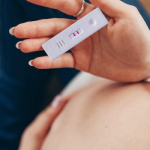
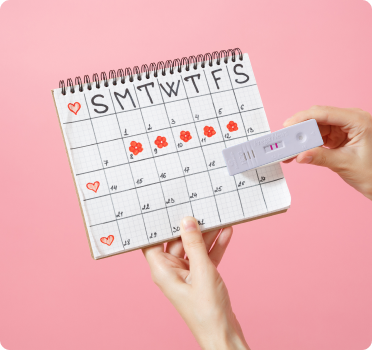
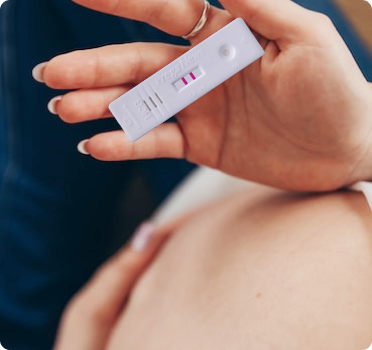
The most reliable way to predict ovulation at home is through an ovulation kit that detects the luteinising hormone (LH) surge. This surge typically occurs 24 to 36 hours before ovulation, making it a strong predictor of your fertile window. While OPKs detect the LH surge rather than ovulation itself, research shows they correlate strongly with actual ovulation.
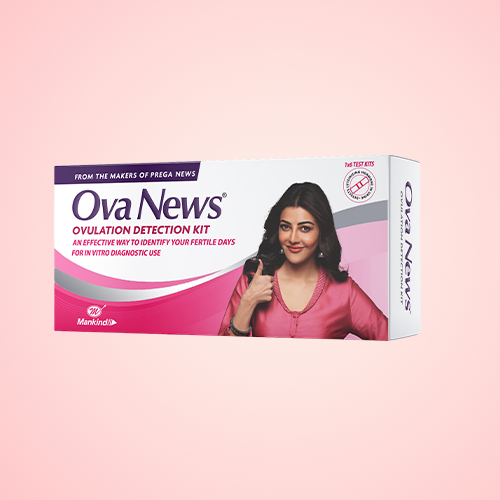
The Ova News Ovulation Detection Kit uses this proven LH detection method to help you identify your 5 most fertile days with results in just 5 minutes. By testing regularly, you can determine whether your body is showing signs of approaching ovulation.
Also Check: Track Your Fertile Days with Ovulation Calculator
Treatment Options and Management

Many women with anovulation go on to conceive successfully with the right support. Treatment depends on the underlying cause and may include:
- Lifestyle modifications: Maintaining a healthy weight, managing stress and balanced nutrition can support hormonal health
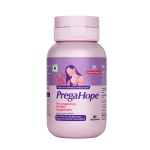
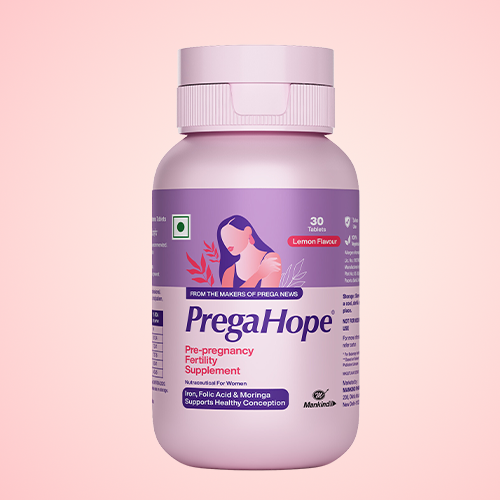
- Fertility supplements: Nutritional preparation is important when trying to conceive. Prega Hope is formulated with evidence-based fertility-supporting nutrients:
- Folic Acid: WHO recommends folic acid supplementation for women planning pregnancy. Research shows it supports healthy egg development and helps prevent neural tube defects.
- Iron: Studies indicate that adequate iron intake may help reduce the risk of ovulatory infertility.
- Zinc: Research identifies zinc as a key regulator of egg cell development and fertilisation.
- Vitamin B12: Studies suggest B12 supplementation may support fertility outcomes in women.
These nutrients help prepare your body for conception by supporting overall reproductive health.
- Medical treatment: Your doctor may prescribe medications to stimulate ovulation based on your situation
- Managing underlying conditions: Treating PCOS, thyroid disorders or other hormonal imbalances can help restore regular ovulation
Your healthcare provider can recommend the most suitable approach for you.
When to Consult a Doctor
Consider speaking with a healthcare professional if:
- Your cycles are consistently shorter than 21 days or longer than 35 days
- You have been trying to conceive for over 12 months (if under 35) or 6 months (if over 35)
- You experience absent periods for three or more consecutive months
Early consultation can help identify issues and explore treatment options sooner.
Conclusion
Anovulation is a common fertility challenge, but understanding its signs and causes empowers you to take positive steps forward. With the right support, many women with this condition conceive successfully.
If you have concerns about your cycle, please reach out to your healthcare provider for personalised guidance.
Frequently Asked Questions
Q. Can I still have a period if I am not ovulating?
Yes, you may still experience bleeding even without ovulation. This makes the condition difficult to detect without proper tracking.
Q. What is the main cause of not ovulating?
PCOS is one of the most common causes. Other factors include thyroid disorders, stress and hormonal imbalances.
Q. How can I check if I am ovulating at home?
Using an ovulation detection kit like Ova News can help detect the LH surge that indicates ovulation.
Q. Is anovulation permanent?
Not usually. It is often temporary and treatable through lifestyle changes or addressing underlying health conditions.
The information provided here is for educational purposes only and should not replace professional medical advice. Please consult your gynaecologist or healthcare provider for any health concerns.
MEDICAL CLAIMS & SOURCE LINKS TABLE
| # | Medical Claim | Link |
| 1 | Anovulation is a condition where the ovaries do not release an egg during a menstrual cycle Anovulation is often temporary and treatable Bleeding can still occur even without ovulation (anovulatory bleeding) PCOS is one of the most common causes of anovulation, affecting hormone balance Being significantly underweight or overweight affects hormone production and ovulation | https://www.webmd.com/infertility-and-reproduction/what-is-anovulation |
| 2 | Both underactive and overactive thyroid can disrupt the ovulation process | https://pmc.ncbi.nlm.nih.gov/articles/PMC4724596/ |
| 3 | Irregular periods (cycles shorter than 21 days or longer than 35 days) may indicate anovulation | https://www.webmd.com/infertility-and-reproduction/irregular-periods-and-getting-pregnant |
| 4 | Very light or unusually heavy periods can be a sign of anovulatory cycles | https://my.clevelandclinic.org/health/diseases/21698-anovulation |
| 5 | Lack of cervical mucus changes (clear and stretchy) may suggest no egg release | https://mcpress.mayoclinic.org/pregnancy/finding-your-fertility-window/ |
| 6 | A flat basal body temperature pattern may indicate ovulation issues | https://pmc.ncbi.nlm.nih.gov/articles/PMC5689497/ |
| 7 | LH surge indicates ovulation will occur within the next 24 to 36 hours | https://medlineplus.gov/ency/article/007062.htm |
| 8 | Ovulation tests are approximately 99% accurate in detecting the LH surge | https://americanpregnancy.org/getting-pregnant/infertility/ovulation-kits/ |
| 9 | Treating underlying conditions like PCOS and thyroid disorders can help restore regular ovulation Bleeding can occur without ovulation (anovulatory bleeding) | https://my.clevelandclinic.org/health/diseases/21698-anovulation |
Added References
| # | Blog Section | Medical Claim | Source Link |
| 1 | Signs and Symptoms | BBT tracking is less reliable than LH testing as it confirms ovulation retrospectively | https://pmc.ncbi.nlm.nih.gov/articles/PMC5689497/ |
| 2 | How to Detect | OPKs detect LH surge which strongly correlates with ovulation | https://americanpregnancy.org/getting-pregnant/infertility/ovulation-kits/ |
| 3 | Treatment Options | Folic acid is recommended by WHO for women planning pregnancy | WHO Preconception Care Guidelines |
| 4 | Treatment Options | Iron deficiency may increase risk of ovulatory infertility | Harvard Nurses’ Health Study II |
| 5 | Treatment Options | Zinc is a key regulator of egg cell development | https://ods.od.nih.gov/factsheets/Zinc-HealthProfessional/ |
| 6 | Treatment Options | Vitamin B12 supplementation may support fertility outcomes | https://pubmed.ncbi.nlm.nih.gov/ (multiple studies) |
| 7 | When to Consult | Seek help if TTC for over 12 months (under 35) or 6 months (over 35) | https://www.webmd.com/infertility-and-reproduction/what-is-anovulation |
SHARE














Leave a comment