




















Vaginal Pain During Pregnancy: Understand Causes and How to Relieve
Pregnancy is a beautiful journey filled with anticipation, but it also brings physical changes that can sometimes feel uncomfortable or worrying. If you have been experiencing vaginal pain during pregnancy, you are certainly not alone. Many expecting mothers feel anxious when they notice unfamiliar sensations in their pelvic region.
The good news is that most vaginal discomfort is a normal part of your body adjusting to pregnancy. This blog will help you understand the common causes, offer practical relief tips, and guide you on when to speak with your healthcare provider.
Is Vaginal Pain During Pregnancy Normal?
For many women, mild vaginal discomfort in early pregnancy is completely normal. As your uterus begins to expand and blood flow to the pelvic area increases, you may notice occasional aching or pressure sensations. These changes are your body’s natural way of preparing for your growing baby.
However, it is important to distinguish between mild discomfort and severe pain. While a dull ache or occasional twinge is typically nothing to worry about, intense or persistent pain deserves attention. Understanding the difference can help you feel more confident about what your body is experiencing.
Common Causes of Vaginal Pain by Trimester
The causes of vaginal pain often vary depending on which stage of pregnancy you are in.
First and Second Trimester
During the early months, vag pain during early pregnancy is commonly linked to:
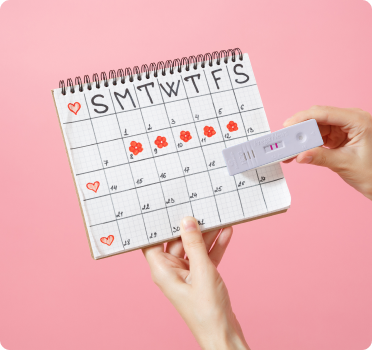
- Implantation cramping: This occurs before pregnancy is typically confirmed, around 6 to 10 days after ovulation, as the fertilised egg attaches to the uterine lining. Light early cramping after a positive test can also be normal as the uterus begins to grow and adjust.
- Uterine expansion: Your uterus grows significantly, which can cause stretching sensations
- Hormonal changes: Increased hormones may affect ligaments and muscles in the pelvic region
- Round ligament pain: Sharp but brief pain on either side of the lower abdomen
These sensations can feel surprising at first, but they typically settle on their own as your body adapts.
Third Trimester

As you approach delivery, you may experience different types of discomfort. Many mums describe this phase as “intense but manageable.”
- Lightning crotch: This refers to sharp vaginal pain during pregnancy, often described as sudden electric-like sensations. It occurs when your baby’s head presses against nerves in the cervix and may also involve round ligament stretching
- Baby dropping: When your baby moves lower into the pelvis, you may feel increased pressure
- Cervical changes: Your cervix begins preparing for labour, which can cause occasional discomfort
Also Read – What are the Symptoms of Pregnancy?
5 Tips to Relieve Vaginal Discomfort
While some discomfort is unavoidable, these strategies may help ease your symptoms:
1. Practise Pelvic Floor Exercises
Kegel exercises can strengthen the muscles supporting your bladder and uterus, potentially reducing pressure sensations.
2. Take Warm Baths
A warm (not hot) bath can help relax tense muscles and provide temporary relief from aching.
3. Use a Support Belt
Maternity support belts help distribute your baby’s weight more evenly, reducing strain on your pelvis.
4. Rest on Your Left Side
Lying on your left side improves blood circulation and can ease pressure on pelvic nerves.
5. Embrace Self-Care Routines
Taking time for gentle body care can make a real difference. Keeping your skin comfortable with products like Prega Happy Anti-Stretch Mark Cream can be part of a soothing routine that helps you relax and feel more at ease in your changing body.
When to Consult a Doctor
While mild discomfort is often normal, trust your instincts. Pain that feels intense, worsening, or simply “not right” deserves attention. Please contact your healthcare provider if you experience:
- Vaginal bleeding or unusual discharge
- Severe or persistent pain that does not ease with rest
- Fever or chills
- Pain accompanied by contractions before 37 weeks
- Difficulty urinating or burning sensations
If you have questions that are not emergencies, the PregaNews Ask a Gynae service can provide expert guidance and reassurance.
Disclaimer: This blog is for informational purposes only and does not replace professional medical advice. Please consult your healthcare provider for personalised guidance.
Conclusion
If this discomfort has been worrying you, take a breath. You are doing the right thing by learning about your body.
Experiencing vaginal pain during pregnancy can feel unsettling, but understanding its causes often brings peace of mind. Most discomfort is simply your body adapting to the remarkable process of growing new life. Trust your instincts, practise self-care, and never hesitate to reach out to your doctor if something feels wrong.
Frequently Asked Questions
Q. Is vaginal pain common in pregnancy?
Yes, mild vaginal pain is quite common and is often caused by normal changes like uterine growth and increased blood flow.
Q. What is lightning crotch?
Lightning crotch refers to sudden, sharp pain in the vaginal area, typically caused by your baby pressing against nerves during the third trimester. It may also involve round ligament stretching.
Q. Can vaginal pain indicate something serious?
While usually normal, pain accompanied by bleeding, fever, or severe cramping needs medical evaluation. Consult your doctor if worried.
Q. How can I relieve vaginal discomfort at home?
Pelvic floor exercises, warm baths, support belts, resting on your left side, and gentle self-care routines can help ease discomfort.
Q. When should I see a doctor?
Seek medical advice for severe pain, bleeding, fever, unusual discharge, or contractions before 37 weeks.
MEDICAL CLAIMS & SOURCE LINKS
| # | Medical Claim | Link |
| 1 | Mild vaginal discomfort in early pregnancy is often normal due to uterine growth and increased blood flow to the pelvic area | https://www.webmd.com/baby/pregnancy-am-i-pregnant |
| 2 | Implantation cramping occurs as mild cramping when the fertilised egg attaches to the uterine lining | https://my.clevelandclinic.org/health/symptoms/24536-implantation-bleeding |
| 3 | Round ligament pain causes sharp but brief pain on either side of the lower abdomen and is one of the most common complaints during pregnancy | https://www.webmd.com/baby/pregnancy-round-ligament-pain |
| 4 | Hormonal changes, particularly relaxin, cause ligaments and muscles in the pelvic region to loosen and stretch | https://my.clevelandclinic.org/health/body/24305-relaxin |
| 5 | Lightning crotch is a sharp, sudden pain in the vaginal or pelvic area caused when the baby’s head presses against nerves in the cervix | https://my.clevelandclinic.org/health/symptoms/lightning-crotch |
| 6 | Baby dropping (lightening) occurs when the baby moves lower into the pelvis, causing increased pelvic pressure | https://www.medicalnewstoday.com/articles/322456 |
| 7 | Kegel exercises strengthen pelvic floor muscles supporting the bladder and uterus, potentially reducing pressure sensations | https://www.webmd.com/women/kegel-exercises-women |
| 8 | Warm (not hot) baths can help relax tense muscles and provide relief from pregnancy-related aching | https://www.webmd.com/baby/understanding-pregnancy-discomforts-treatment |
| 9 | Maternity support belts help distribute baby’s weight more evenly, reducing strain on the pelvis and lower back | https://www.webmd.com/baby/pregnancy-support-band-benefits |
| 10 | Sleeping on the left side improves blood circulation and reduces pressure on pelvic nerves | https://americanpregnancy.org/healthy-pregnancy/pregnancy-health-wellness/sleeping-positions-while-pregnant/ |
| 11 | Vaginal bleeding during pregnancy can indicate serious conditions and requires immediate medical attention | https://www.webmd.com/baby/bleeding-during-pregnancy |
| 12 | Fever or chills during pregnancy may indicate infection requiring prompt medical evaluation | https://my.clevelandclinic.org/health/symptoms/22044-bleeding-during-pregnancy |
| 13 | Contractions before 37 weeks may indicate preterm labour, which requires immediate medical attention | https://www.webmd.com/baby/premature-labor |
| 14 | Difficulty urinating or burning sensations may indicate a urinary tract infection requiring treatment | https://www.mayoclinic.org/diseases-conditions/preterm-labor/symptoms-causes/syc-20376842 |
| 15 | Pain accompanied by bleeding, fever, or severe cramping needs medical evaluation to rule out serious conditions | https://www.webmd.com/baby/bleeding-during-pregnancy |
SHARE
















Leave a comment