

















Natural Pregnancy Care: How Pregnancy Acupressure Points Can Help
Pregnancy brings excitement and change, but it can also bring discomforts that are hard to ignore. Whether it is morning sickness early on, persistent back pain, or the pelvic heaviness, swollen feet, and sleepless nights of the third trimester, many expecting mothers look for gentle, natural relief.
Acupressure is one such approach that has gained attention for easing common pregnancy discomforts.
This blog covers what acupressure is, which pressure points may help, and what you need to know about safety.
As with any complementary therapy, consult your healthcare provider before trying acupressure during pregnancy.
What Is Acupressure and How Does It Work During Pregnancy
Acupressure is a traditional Chinese medicine practice involving finger pressure on specific body points. Some small clinical studies suggest it may help with pregnancy-related discomforts.
Understanding Acupressure in Simple Terms
Acupressure is a needle-free touch therapy. It involves applying firm but gentle pressure to specific body points, which is believed to influence nerve pathways and energy flow. The pressure should feel steady, similar to pressing a doorbell, but never painful.
Is Acupressure Safe During Pregnancy
Acupressure is generally considered low-risk when performed correctly. However, certain points should be avoided before full term (39 weeks), as they are believed to stimulate uterine activity.
How Pregnancy Acupressure Points Help the Body
As your body changes throughout pregnancy, acupressure can serve as a complementary therapy alongside prenatal care. When pressure is applied to specific points, it is believed to:
- Increase blood circulation to targeted areas
- Encourage muscle relaxation
- Support the release of endorphins, the body’s natural pain relievers
Benefits of Using Acupressure During Pregnancy
Expecting mothers find acupressure appealing for several reasons:
- No medication required: Relies on gentle touch rather than drugs
- Can be done at home: A partner or family member can learn simple techniques
- Accessible: No special equipment is needed
- Complementary: Can be used alongside regular prenatal care
- Relaxation support: May help promote calmness and reduce stress
Key Pregnancy Pressure Points and Their Benefits
Here are the most commonly discussed pregnancy pressure points and their benefits.
Pressure Points for Morning Sickness and Nausea
- Pericardium 6 (Inner Wrist): Located three finger-widths below the wrist crease on the inner forearm. Gentle pressure here is believed to ease nausea, particularly during the first trimester.
- Tip: Apply steady, circular pressure for 1-2 minutes on each wrist. This point is easy to reach yourself in any position.
Pregnancy Pressure Points for Back, Hip and Pelvic Pain
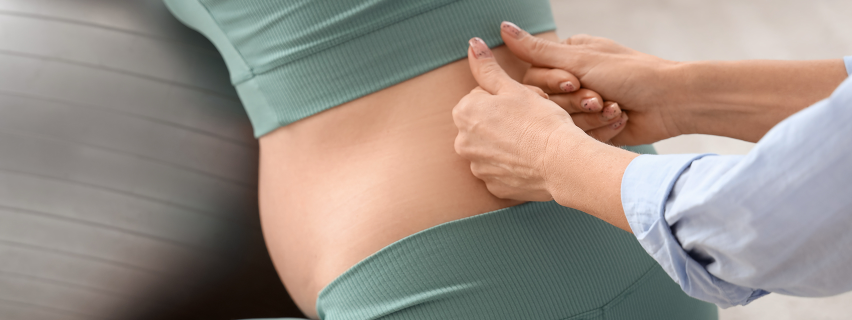
- Bladder 32 (Lower Back/Sacrum): Found in the dimple area of the lower back. This point is believed to relieve lower back pain and pelvic discomfort, especially common in the third trimester.
- Tip: Ask your partner to apply gentle, sustained thumb pressure for a few minutes. In late pregnancy, try leaning against a tennis ball placed between your lower back and a wall.
Acupressure Points for Stress, Anxiety and Better Sleep
- Liver 3 (Top of Foot): Located between the big toe and second toe. Gentle pressure here is believed to reduce anxiety and promote better sleep.
- Tip: Press gently for 1-2 minutes before bedtime. If bending is uncomfortable, your partner can help or you can use your opposite foot.
Also Read: Managing Morning Sickness: Tips and Remedies
Acupuncture During Pregnancy vs Acupressure: What’s the Difference
Both practices are rooted in traditional Chinese medicine but differ in approach.
Acupuncture Explained for Expecting Mothers
- Uses thin, sterile needles on specific points
- Must be performed by a licensed practitioner
- Involves deeper stimulation of energy pathways
- Done in a clinical setting
Why Many Pregnant Women Prefer Acupressure
- Needle-free and non-invasive
- Can be performed at home by the mother or partner
- Gentler with lower risk of side effects
- No specialised equipment needed
Acupressure to Induce Labour: What You Need to Know
As the due date approaches, some women explore acupressure to induce labour naturally. Certain points, such as Spleen 6 (inner ankle) and Large Intestine 4 (between thumb and index finger), are believed to encourage uterine contractions.
Important safety note: These points should never be stimulated before 39 weeks, as doing so may risk triggering premature labour. Always get your doctor’s approval first.
Use the PregaNews Due Date Calculator to track your gestational progress and confirm whether you have reached full term.
When to Stop and Consult Your Doctor
Certain symptoms during or after an acupressure session need immediate medical attention. Stop and contact your healthcare provider if you experience:
- Regular or painful contractions before 39 weeks
- Vaginal bleeding or fluid leakage
- Decreased or unusual baby movements
- Severe abdominal tightening or sharp pain
- Sudden swelling with headache or blurred vision
Your safety and your baby’s safety always come first.
Who Should Avoid Pregnancy Acupressure
Acupressure may not be suitable for everyone. Consult your doctor first if you:
- Have a high-risk pregnancy or history of preterm labour
- Are experiencing complications such as placenta praevia or preeclampsia
- Are before 39 weeks and considering induction-related points
- Have been advised bed rest
If you are unsure whether acupressure is right for you, the PregaNews Ask a Gynae portal connects you with medical professionals for personalised guidance.
Conclusion
Acupressure can be a gentle, comforting addition to your pregnancy care routine, from easing morning sickness and back pain to promoting relaxation.
For those approaching full term, acupressure to induce labour may be worth discussing with your doctor, but only after 39 weeks with medical approval.
This information is for educational purposes only and should not replace professional medical advice. Please consult your gynaecologist or healthcare provider for any health concerns.
Frequently Asked Questions
Q. Are pregnancy acupressure points safe for all trimesters?
Most general relaxation points are considered safe throughout pregnancy. However, points linked to uterine stimulation should be avoided until after 39 weeks.
Q. Can acupressure help with morning sickness during early pregnancy?
Gentle pressure on the Pericardium 6 point (inner wrist) is believed to reduce nausea and is commonly used during the first trimester.
Q. Is acupuncture during pregnancy better than acupressure?
Neither is necessarily better. Acupuncture during pregnancy involves needles and requires a practitioner, while acupressure is gentler and can be done at home.
Q. How often can I use pregnancy pressure points?
Most practitioners suggest once or twice daily for a few minutes per point. Avoid forceful pressure and always listen to your body.
Q. Can acupressure really induce labour naturally?
Some studies suggest that acupressure on specific points may support the body’s readiness for labour, but it is not guaranteed. It should only be attempted after 39 weeks with medical approval.
Q. Can acupressure harm my baby?
When performed gently on safe points, acupressure is not known to harm the baby. However, stimulating induction-related points before 39 weeks may carry risks.
Q. Should I consult my doctor before trying acupressure?
Yes. Speak with your healthcare provider before starting any complementary therapy during pregnancy, especially if you have a high-risk pregnancy.
Q. What pressure points should be avoided during pregnancy?
Points linked to uterine stimulation, such as Spleen 6 (inner ankle) and Large Intestine 4 (hand), should be avoided until after 39 weeks unless directed by a qualified practitioner.
Medical Claims & Source Links Table
| Medical Claim | Link |
| Placenta praevia and preeclampsia are complications that require caution with acupressure | https://my.clevelandclinic.org/health/diseases/17952-preeclampsia |
| Gentle pressure on LV3 is believed to reduce anxiety and promote better sleep | https://pmc.ncbi.nlm.nih.gov/articles/PMC4815368/ |
| Spleen 6 and Large Intestine 4 should be avoided until after 39 weeks as they are associated with uterine stimulation | https://pmc.ncbi.nlm.nih.gov/articles/PMC6918516/ |
| Gentle pressure on P6 is believed to ease nausea, particularly during the first trimester | https://pmc.ncbi.nlm.nih.gov/articles/PMC9518577/ |
| Some small clinical studies suggest acupressure may help with pregnancy-related discomforts | |
| Bladder 32 (BL32) is found in the dimple area of the lower back and is believed to relieve lower back pain and pelvic discomfort | https://www.healthline.com/health/pregnancy/acupressure-points-inducing-labor |
| These induction-related points should never be stimulated before 39 weeks as doing so may risk triggering premature labour | |
| Regular or painful contractions before 39 weeks require immediate medical attention | https://www.mayoclinic.org/diseases-conditions/preeclampsia/symptoms-causes/syc-20355745 |
| Acupressure does not guarantee labour and does not replace medical induction | https://www.medicalnewstoday.com/articles/323402 |
| Decreased or unusual baby movements should prompt immediate medical consultation | https://www.webmd.com/baby/features/7-pregnancy-warning-signs |
| Lower back and pelvic pain is especially common in the third trimester of pregnancy | |
| Morning sickness, back pain, pelvic heaviness, swollen feet, and sleepless nights are common pregnancy discomforts | |
| Acupressure has no known negative impact on mother or baby when used correctly | https://www.webmd.com/baby/is-it-safe-to-use-acupressure-to-induce-labor |
| Spleen 6 (inner ankle) and Large Intestine 4 (between thumb and index finger) are believed to encourage uterine contractions | |
| When performed gently on safe points, acupressure is not known to harm the baby | |
| Women with high-risk pregnancies or history of preterm labour should consult their doctor before trying acupressure | |
| Sudden swelling with headache or blurred vision may indicate preeclampsia | https://www.webmd.com/baby/what-is-preeclampsia |
| Acupressure is a needle-free touch therapy believed to influence nerve pathways and energy flow | https://www.webmd.com/balance/acupressure-points-and-massage-treatment |
| Acupressure is believed to encourage muscle relaxation | |
| Acupressure is believed to increase blood circulation to targeted areas | |
| Acupressure may help ease common pregnancy discomforts | |
| Acupressure may support the release of endorphins, the body’s natural pain relievers | |
| Acupuncture involves needles and requires a practitioner, while acupressure is gentler and can be done at home | |
| Liver 3 (LV3) is located between the big toe and second toe | |
| Pericardium 6 (P6) is located three finger-widths below the wrist crease on the inner forearm | https://www.webmd.com/balance/what-to-know-about-acupressure-points-for-nausea |
| Pericardium 6 point (inner wrist) is believed to reduce nausea and is commonly used during the first trimester |
SHARE















Leave a comment