

















How to Deal with High-Risk Pregnancy: Tips for Care and Management
Hearing the words “high risk pregnancy” can feel overwhelming, and that is completely normal. But this term simply means your healthcare team will monitor you more closely to ensure the best outcome for you and your baby. Many women with high-risk pregnancies go on to have healthy deliveries with proper care.
Understanding what this diagnosis means can help ease your worries. If you have doubts, you can consult an expert through Ask a Gynae for personalised guidance.
What is High Risk Pregnancy?
A high risk pregnancy is one where the mother, baby, or both may need additional medical attention during pregnancy or delivery. This does not mean something will definitely go wrong. It indicates that extra monitoring and specialised care can help address potential concerns early.
Your doctor may classify your pregnancy as high-risk based on health conditions, age, lifestyle factors, or issues that develop during pregnancy.
Common High Risk Pregnancy Causes
Several factors can contribute to a high-risk classification:
- Maternal age: Very young mothers (under 17) or those over 35 may need closer monitoring
- Pre-existing conditions: Diabetes, high blood pressure, thyroid disorders, or heart disease
- Pregnancy-related conditions: Gestational diabetes, preeclampsia (high blood pressure with sudden or severe swelling), or placenta issues (problems with how the placenta attaches or functions)
- Lifestyle factors: Smoking, alcohol use, or being significantly underweight or overweight
- Multiple pregnancies: Carrying twins or more
- Previous complications: History of miscarriages, preterm births, or caesarean deliveries
High Risk Pregnancy Symptoms and When to Seek Help
While your doctor will guide you on what to monitor, certain symptoms require prompt attention. Contact your healthcare provider immediately if you notice:

- Vaginal bleeding or unusual discharge
- Severe or persistent headaches, blurred vision, or seeing spots
- Reduced baby movement or no movement for an extended period
- Severe abdominal pain, cramping, or chest pain
- Sudden swelling of hands, feet, or face
- High fever, signs of infection, or water breaking before 37 weeks
Trust your instincts. If something feels wrong, seeking help is always the right choice.
Essential Tips for Management and Diet
Managing a high risk pregnancy involves medical care, nutrition, and self-care working together.
1. Prioritise Regular Checkups
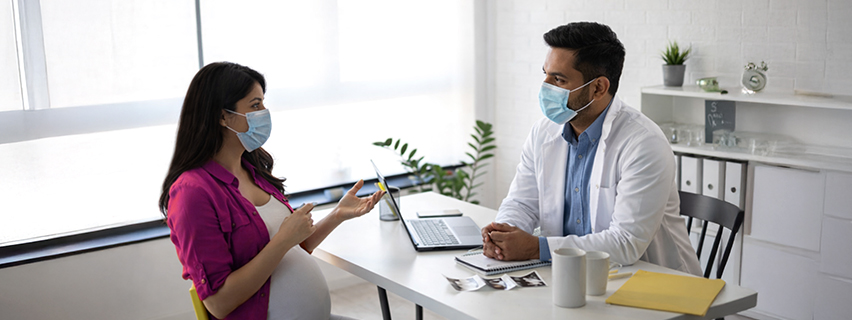
Frequent prenatal visits allow your doctor to monitor your condition closely. Keep all appointments, follow recommended tests, and communicate openly about any changes. You can track your pregnancy timeline to stay organised.
2. Focus on a Balanced High Risk Pregnancy Diet
Nutrition supports both your health and your baby’s development. Include iron-rich foods like leafy greens and lentils, calcium from dairy, protein from eggs and pulses, and folate from fruits and vegetables. Ensure adequate folic acid intake (400-600 µg daily), which is essential for your baby’s neural tube development. Vitamin D is also important for bone health and immune function – your doctor may recommend supplements based on your levels.
Avoid processed foods and excess salt. For food safety, avoid unpasteurised dairy products, raw or undercooked eggs, and raw fish to reduce infection risk.Your doctor may recommend specific supplements.
3. Rest and Manage Stress
Adequate rest is essential. Listen to your body and avoid overexertion. Gentle activities like walking or prenatal yoga, if approved by your doctor, can help with stress. Taking care of your changing skin is also important. Prega Happy Anti-Stretch Mark Cream can help soothe itching and keep skin hydrated, for external comfort only.
Also Read: Types of Pregnancy Tests: A Complete Guide to Methods, Accuracy & More
Your This Week’s Checklist
- Keep your next prenatal appointment and note any questions
- Track baby movements daily and note any changes
- Save your clinic’s emergency number where you can find it quickly
Conclusion
A high risk pregnancy requires extra care, but with proper medical support, balanced nutrition, and self-care, many women navigate this journey successfully. Stay connected with your healthcare team, follow their guidance, and take each day at a time. You are not alone in this.
Frequently Asked Questions
Q. What are the main causes of a high-risk pregnancy?
Common causes include maternal age, pre-existing conditions like diabetes or hypertension, lifestyle factors, and pregnancy-related complications such as preeclampsia.
Q. What foods should be included in a high-risk pregnancy diet?
Focus on iron-rich foods, calcium, protein, and folate. Leafy greens, lentils, dairy, eggs, and fresh fruits are beneficial. Ensure adequate folic acid (400-600 µg daily) and vitamin D intake. Avoid unpasteurised foods and raw seafood for safety.Consult your doctor for personalised advice.
Q. Can a high-risk pregnancy result in a normal delivery?
Yes, many women with high-risk pregnancies have normal vaginal deliveries. Your doctor will recommend the safest delivery method for your situation.
Q. How often should I visit the doctor for a high-risk pregnancy?
Frequency depends on your condition. Generally, high-risk pregnancies need checkups every two to four weeks initially and weekly in the third trimester.
Q. Is it normal to feel anxious during a high-risk pregnancy?
Yes, feeling anxious or overwhelmed is completely normal. Speak with your healthcare provider about your concerns. They can offer support, recommend counselling, or connect you with antenatal support groups.
This blog is for informational purposes only and should not replace professional medical advice. Please consult your gynaecologist or healthcare provider for guidance specific to your situation.
MEDICAL CLAIMS & SOURCE LINKS TABLE
| # | Medical Claim | Link |
| 1 | A high risk pregnancy is one where the mother, baby, or both may need additional medical attention during pregnancy or delivery | https://www.webmd.com/baby/managing-a-high-risk-pregnancy |
| 2 | Women under 17 or over 35 are at higher risk and may need closer monitoring | https://www.webmd.com/baby/managing-a-high-risk-pregnancy |
| 3 | Pre-existing conditions like diabetes, high blood pressure, and thyroid disorders can contribute to high-risk classification | https://www.webmd.com/baby/managing-a-high-risk-pregnancy |
| 4 | Preeclampsia is high blood pressure with swelling that can develop during pregnancy | https://www.webmd.com/baby/what-is-preeclampsia |
| 5 | Gestational diabetes is a pregnancy-related condition that increases risk | https://www.webmd.com/diabetes/gestational-diabetes |
| 6 | Carrying twins or more increases pregnancy complications risk | https://www.webmd.com/baby/features/11-things-you-didnt-know-about-twin-pregnancies |
| 7 | History of miscarriages or preterm births is a risk factor for high-risk pregnancy | https://www.webmd.com/baby/pregnancy-miscarriage |
| 8 | Vaginal bleeding or unusual discharge is a warning sign requiring medical attention | https://www.webmd.com/baby/bleeding-during-pregnancy |
| 9 | Severe headaches, blurred vision, or seeing spots are warning signs often associated with preeclampsia | https://www.mayoclinic.org/diseases-conditions/preeclampsia/symptoms-causes/syc-20355745 |
| 10 | Reduced baby movement or no movement for an extended period is a warning sign requiring immediate attention | https://my.clevelandclinic.org/health/articles/23497-kick-counts |
| 11 | Water breaking before 37 weeks is a warning sign of preterm labour | https://www.acog.org/womens-health/faqs/preterm-labor-and-birth |
| 12 | High-risk pregnancies require more frequent prenatal visits for closer monitoring | https://www.webmd.com/baby/how-often-do-i-need-prenatal-visits |
| 13 | Many women with high-risk pregnancies have normal vaginal deliveries with proper management | https://my.clevelandclinic.org/health/diseases/22190-high-risk-pregnancy |
SHARE
















Leave a comment