
















Haemoglobin Level During Pregnancy: Normal Range, Symptoms & Treatment
If you have just seen a lower haemoglobin number on your blood report, it is natural to feel anxious. But here is something reassuring: a drop in haemoglobin during pregnancy is one of the most common findings, and in most cases, it is easily manageable.
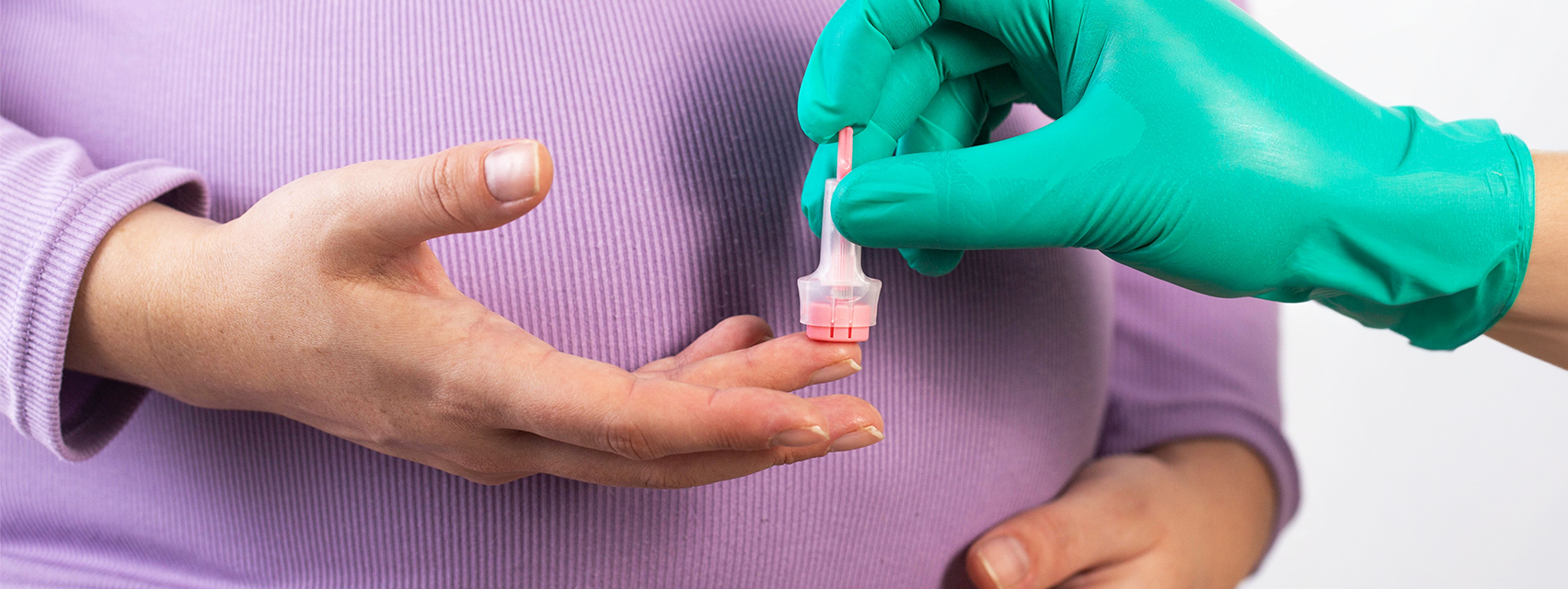
Your haemoglobin level during pregnancy is an important marker your doctor monitors. Haemoglobin carries oxygen to you and your growing baby, making it essential for a healthy pregnancy. In this guide, we cover normal ranges, symptoms, dietary tips, and when to consult your healthcare provider.
What Is Haemoglobin and Why Is It Important During Pregnancy
Haemoglobin (Hb) is an iron-rich protein in your red blood cells. Think of it as your body’s oxygen delivery system, carrying oxygen from your lungs to every part of your body, including your baby through the placenta. During pregnancy, oxygen demand rises, making adequate haemoglobin levels essential.
Haemoglobin Level During Pregnancy: Trimester-Wise Reference Ranges (WHO/CDC)
Your haemoglobin levels naturally fluctuate as pregnancy progresses.
Haemoglobin Reference Ranges During Pregnancy: By Trimester (WHO/CDC Cut-Offs)
| Trimester | Reference Hb Range |
| First Trimester | 11.0 to 13.9 g/dL |
| Second Trimester | 10.5 to 14.8 g/dL |
| Third Trimester | 11.0 to 15.0 g/dL |
Key note: The WHO and CDC recommend trimester-specific anaemia thresholds. In the first and third trimesters, haemoglobin below 11.0 g/dL is classified as anaemia. In the second trimester, the accepted cut-off is lower at 10.5 g/dL, because blood volume expansion (haemodilution) naturally lowers haemoglobin concentration during this period. This second-trimester dip is very common, and iron deficiency is the most frequent cause. Diet and iron supplements are the standard first-line approach to management. If your level falls slightly below these thresholds, your doctor can guide you on the best course of action.
WHO and Indian Medical Guidelines for Hb Levels
The World Health Organisation (WHO) classifies haemoglobin below 11 g/dL in pregnancy as anaemia. The WHO and CDC further recommend trimester-specific cut-offs: below 11.0 g/dL in the first and third trimesters, and below 10.5 g/dL in the second trimester. In India, over 50% of pregnant women may be affected, making regular monitoring essential.
What Is Considered Low Haemoglobin During Pregnancy
When haemoglobin drops below the recommended threshold, it is classified as anaemia.
Haemoglobin Low During Pregnancy: Classification (Based on WHO Trimester-Specific Cut-Offs)
The WHO recommends using trimester-specific haemoglobin thresholds to diagnose anaemia. Once diagnosed, severity is classified as follows:
- Mild Anaemia: 10 to 10.9 g/dL. Often manageable with dietary changes.
- Moderate Anaemia: 7 to 9.9 g/dL. Typically requires doctor-prescribed iron supplements.
- Severe Anaemia: Below 7 g/dL. Needs prompt medical attention.
Note: These severity classifications apply once anaemia has been identified using the trimester-specific cut-offs mentioned above (11.0 g/dL in the first and third trimesters, 10.5 g/dL in the second trimester).
Common Causes of Low Haemoglobin in Pregnancy
- Blood volume expansion (haemodilution): Blood volume increases by up to 50%, naturally diluting haemoglobin. This is a normal physiological change.
- Insufficient dietary iron: Not meeting the increased demand through diet.
- Folate or Vitamin B12 deficiency: Essential for red blood cell production.
- Morning sickness: Persistent nausea can reduce nutrient absorption.
Symptoms of Low Haemoglobin During Pregnancy
Some tiredness is a normal part of pregnancy. However, if symptoms become persistent or unusually intense, they may point to low haemoglobin. Common signs include:
- Persistent fatigue that does not improve with rest
- Pale skin, lips, or nail beds
- Shortness of breath even with light activity
- Dizziness or light-headedness
- Cold hands and feet
- Rapid or irregular heartbeat
If your haemoglobin is low during pregnancy and you notice persistent or combined symptoms, a blood test can confirm your levels.
Risks of Low Haemoglobin Levels for Mother and Baby
Mild drops are very common and highly treatable. Here is why monitoring matters.
Risks for the Mother
- Increased exhaustion and reduced energy
- Weakened immunity
- Higher risk of delivery complications
Risks for the Baby
- Possibility of low birth weight
- In cases of severe and untreated anaemia, there may be an increased risk of early delivery
Most women respond very well to treatment, and these risks can be effectively managed with timely care.
How to Increase Haemoglobin in Pregnancy Naturally
A well-planned diet can make a meaningful difference. During pregnancy, your body needs approximately 27 mg of iron daily, and the right foods to increase haemoglobin during pregnancy are a great first step.
Foods to Increase Haemoglobin During Pregnancy
Most foods below are vegetarian-friendly, well-suited for Indian diets.
High-Iron Foods: – Spinach and dark leafy greens Lentils (dal), chickpeas, and rajma – Fortified cereals and breakfast cereals
Moderate-Iron Foods (beneficial as part of a balanced diet): – Beetroot and beetroot juice (~0.8–1.0 mg iron per 100 g; also rich in nitrates and folate, which support overall blood health) – Dates, raisins, and dried apricots – Pomegranate and jaggery (gur)
Vitamin C-Rich Foods (to boost absorption): – Amla (Indian gooseberry), oranges, and guava
Folate-Rich Foods: – Fortified cereals, broccoli, and bananas
Tip: Pairing iron-rich foods with Vitamin C at the same meal significantly improves iron absorption. Prioritise high-iron foods like leafy greens, lentils, and fortified cereals as your primary dietary iron sources.
Sample Iron-Friendly Day (for reference): – Breakfast: Vegetable poha with lemon + amla juice – Lunch: Rajma or dal with spinach sabzi and roti – Evening: A bowl of pomegranate or dates – Dinner: Moong dal with beetroot salad
This is a general suggestion. Your doctor can help create a plan for your specific needs.
Also Read: When Should a Pregnant Woman Take Folic Acid?
Medical Treatment for Low Haemoglobin During Pregnancy
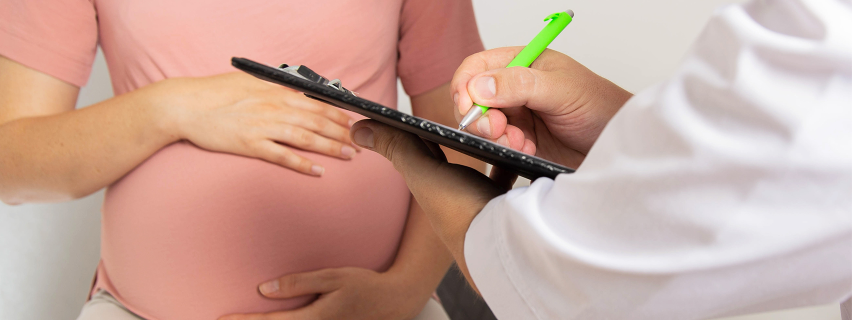
Dietary changes should complement, not replace, doctor-prescribed treatment. The MoHFW recommends iron and folic acid supplementation for all pregnant women in India.
Your doctor may prescribe:
- Oral iron supplements: Some women may experience mild constipation or nausea, which your doctor can help manage.
- Folic acid supplements: To support red blood cell production.
- Iron infusions: For severe cases only. These are generally safe and used when oral supplements are insufficient.
With consistent treatment, mild anaemia may improve in 3 to 4 weeks, with a follow-up blood test to track progress.
For personalised guidance, the PregaNews Ask a Gynae portal can connect you with professional advice.
Tips to Maintain Healthy Haemoglobin Levels When Pregnant
- Avoid tea and coffee with meals: Tannins reduce iron absorption. Wait at least an hour after eating.
- Cook in iron utensils: Cast-iron cookware adds small amounts of iron to food.
- Space out calcium and iron: Avoid taking them together as calcium interferes with absorption.
- Eat small, frequent meals: Helps nutrient absorption, especially with morning sickness.
- Stay consistent with prenatal vitamins: Take supplements regularly to maintain healthy haemoglobin levels when pregnant.
When to See a Doctor for Low Haemoglobin in Pregnancy
Certain symptoms require prompt medical attention. Please consult your healthcare provider if you experience:
- Severe breathlessness or difficulty breathing at rest
- Fainting or near-fainting episodes
- Rapid or pounding heartbeat
- Extreme fatigue that does not improve with rest
Tracking your pregnancy timeline helps plan blood tests at the right intervals. The PregaNews Due Date Calculator can help you monitor trimester progress.
Conclusion
Monitoring your haemoglobin level during pregnancy is one of the most important steps for a healthy pregnancy. While dips are common, most cases of anaemia are easily manageable with the right diet, supplements, and medical guidance.
With regular check-ups and your healthcare provider’s support, you can navigate this with confidence. If you feel unsure about your levels, do not hesitate to consult your doctor for personalised advice.
Frequently Asked Questions
Q. What is the normal haemoglobin level during pregnancy?
A haemoglobin level above 11 g/dL in the first and third trimesters, and above 10.5 g/dL in the second trimester, is generally considered within the acceptable range. Levels may fluctuate across trimesters, so consult your doctor for stage-specific guidance.
Q. Why do haemoglobin levels drop when pregnant?
Blood volume increases by up to 50% during pregnancy, diluting haemoglobin concentration. This process is known as haemodilution.
Q. How can I increase haemoglobin in pregnancy quickly?
Include iron-rich foods like spinach, lentils, and fortified cereals paired with Vitamin C for absorption. Your doctor may prescribe supplements, which can show improvement in about 3 to 4 weeks.
Q. Can low haemoglobin harm my baby?
Mild to moderate drops are common and treatable. Severe, untreated anaemia may be associated with risks like low birth weight, but with timely care, these risks can be managed effectively.
Q. How often should haemoglobin be checked during pregnancy?
Most healthcare providers recommend checking at least once each trimester. More frequent testing may be advised if levels are low.
Q. Which fruit is best for increasing haemoglobin?
Pomegranate is often recommended for its nutritional profile. Pairing it with Vitamin C-rich fruits like amla or oranges can further support absorption. However, for the highest dietary iron, prioritise lentils, leafy greens, and fortified cereals over fruits.
Q. Can low haemoglobin cause miscarriage?
Routine mild or moderate drops are very common, treatable, and not directly linked to miscarriage. Severe, untreated anaemia may be associated with complications, which is why regular monitoring is important.
Medical Claims & Source Links Table
| Medical Claim | Link |
| Iron infusions are generally safe and used when oral supplements are insufficient | https://ashpublications.org/blood/article/129/8/940/36329/How-I-treat-anemia-in-pregnancy-iron-cobalamin-and |
| Anaemia during pregnancy does not directly cause miscarriage | https://my.clevelandclinic.org/health/diseases/23112-anemia-during-pregnancy |
| Mild Anaemia: 10 to 10.9 g/dL | |
| Moderate Anaemia: 7 to 9.9 g/dL | |
| Severe Anaemia: Below 7 g/dL, needs prompt medical attention | |
| First Trimester normal Hb range: 11.6 to 13.9 g/dL | https://pmc.ncbi.nlm.nih.gov/articles/PMC4779156/ |
| Over 50% of pregnant women in India may be affected by anaemia | |
| Second Trimester normal Hb range: 9.7 to 14.8 g/dL | |
| Third Trimester normal Hb range: 9.5 to 15.0 g/dL | |
| Blood volume increases by up to 50% during pregnancy, naturally diluting haemoglobin (haemodilution) | https://pmc.ncbi.nlm.nih.gov/articles/PMC4928162/ |
| Tannins in tea and coffee reduce iron absorption | https://www.healthline.com/nutrition/coffee-caffeine-iron-absorption |
| Calcium can interfere with iron absorption | https://www.mayoclinic.org/healthy-lifestyle/pregnancy-week-by-week/in-depth/anemia-during-pregnancy/art-20114455 |
| Haemoglobin carries oxygen to the developing baby through the placenta | |
| Severe, untreated anaemia may increase risk of early delivery (premature birth) | |
| A drop in haemoglobin during pregnancy is one of the most common findings | https://www.webmd.com/baby/anemia-in-pregnancy |
| A level above 11 g/dL is generally considered healthy during pregnancy | |
| Folic acid supports red blood cell production | |
| Fortified cereals, broccoli as folate-rich foods | |
| Haemoglobin (Hb) is an iron-rich protein in red blood cells that carries oxygen from lungs to the body | |
| Haemoglobin carries oxygen to the mother and growing baby | |
| Higher risk of delivery complications | |
| Pale skin, lips, or nail beds as a sign of anaemia | |
| Persistent fatigue as a symptom of low haemoglobin | |
| Severe, untreated anaemia may be associated with low birth weight | |
| During pregnancy, the body needs approximately 27 mg of iron daily | https://www.webmd.com/baby/are-you-getting-enough-iron |
| Pairing iron-rich foods with Vitamin C significantly improves iron absorption | |
| Lentils, chickpeas, and beans as iron-rich foods | https://www.webmd.com/diet/iron-rich-foods |
| Spinach, kale, dark leafy greens as iron-rich foods | |
| Iron supplements may cause mild constipation or nausea as side effects | https://www.webmd.com/drugs/iron-supplements |
SHARE













Leave a comment