






















Understanding Chemical Pregnancy: Early Miscarriages Explained
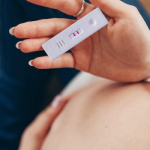
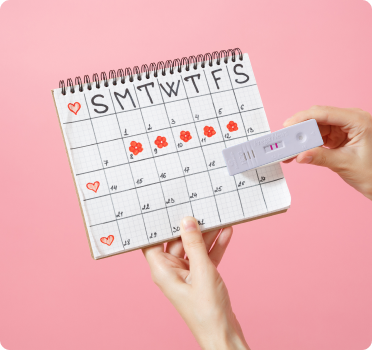
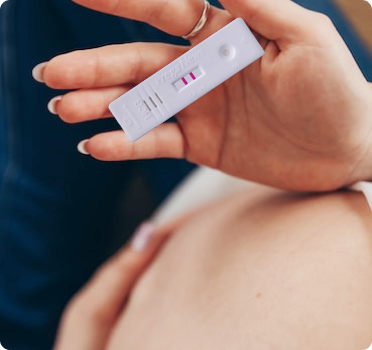
The early days of pregnancy are often filled with a mix of excitement, nervousness, and anticipation. Those two pink lines on a pregnancy test can bring immense joy, but sometimes that joy fades just as quickly as it appeared. When an early positive test is followed by bleeding or a sudden negative result a few days later, many women find themselves confused and heartbroken. This early loss, often happening before an ultrasound can even detect the pregnancy, is known as a chemical pregnancy.
What is a Bio – Chemical Pregnancy?
In medical terms, a chemical pregnancy refers to an early miscarriage that happens shortly after implantation. It is called “chemical” because the pregnancy is only detected through biochemical means, namely, the hormone hCG (human chorionic gonadotropin), rather than through ultrasound or physical symptoms.
In a typical conception, a fertilised egg travels down the fallopian tube and implants itself into the uterine lining. This triggers the release of hCG, which is what pregnancy tests detect. In a chemical pregnancy, the implantation process starts but does not progress properly. The embryo stops developing very early, and hCG levels drop rapidly. This decline results in what seems like a slightly delayed or heavier period, often before the woman even realises she’s pregnant.
To simplify, the meaning of chemical pregnancy is that conception did occur, but the pregnancy did not continue long enough to be clinically confirmed. It is an early miscarriage, not a false positive test, and it does not mean there is a problem with your ability to conceive. Many women go on to have healthy pregnancies after experiencing one.
Also Read – Evaporation line on a pregnancy test
What Causes a Chemical Pregnancy?
There is not a single cause for chemical pregnancies they result from multiple natural and physiological factors. Here are some of the most common causes explained in detail:
1. Chromosomal Abnormalities
The leading cause of a chemical pregnancy is chromosomal abnormality. This happens when the egg or sperm carries an incorrect number of chromosomes, leading to an embryo that cannot develop normally. It is nature is way of ensuring that only genetically healthy embryos continue to grow. In most cases, this is a random event and not something that repeats.
2. Hormonal Imbalances
Low progesterone or irregular hormonal fluctuations can make it difficult for an embryo to implant or sustain early growth. Hormonal imbalance may lead to an unstable uterine lining that cannot support implantation, causing the pregnancy to end very early.
3. Implantation Issues
Sometimes, the fertilised egg fails to implant properly in the uterus. This could happen due to conditions like a thin endometrial lining, uterine fibroids, or inflammation. When implantation is not secure, the embryo cannot receive the nourishment it needs, leading to a very early miscarriage.
4. Autoimmune or Immunological Factors
In some cases, the immune system mistakenly identifies the embryo as a foreign object and attacks it. Conditions such as autoimmune disorders or antiphospholipid syndrome can trigger this type of immune response, disrupting the implantation process.
What Are the Symptoms of a Chemical Pregnancy?
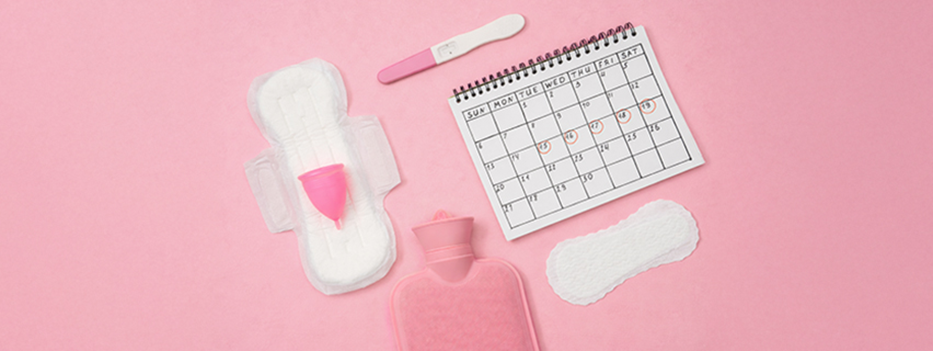
The symptoms of chemical pregnancy often mimic a regular menstrual cycle, which is why many women never realise they experienced one. However, there are a few subtle differences to note:
- You have a positive pregnancy test, but then you get your period.
- Your period comes about a week later than usual.
- Positive pregnancy test followed by a negative one a few weeks later
- Bleeding: heavier than usual, a few days after a missed period is common. It might resemble a heavier period but can occur slightly later than expected.
- More intense menstrual cramps
- No significant pregnancy symptoms: Since the pregnancy ends so early, symptoms like nausea, fatigue, or breast tenderness may not fully develop.
In short, the symptoms include short-lived positive pregnancy results, heavier bleeding, and mild discomfort. While the experience can be emotionally upsetting, medically it is usually not harmful and does not indicate long-term.
Also Read – Home Pregnancy Test
Diagnosis and When to Consult a Doctor

A doctor can confirm a chemical pregnancy through a combination of blood tests and ultrasound scans. Blood tests track the level of hCG; if it drops rapidly over a few days, it confirms that implantation did not continue. In most cases, the body resolves the miscarriage naturally without the need for medical intervention.
You should consult a gynaecologist if you experience repeated early miscarriages or have irregular cycles afterwards. Your doctor might recommend hormonal tests, thyroid checks, or ultrasound scans to ensure everything is functioning well.
For future planning, maintaining a healthy lifestyle and managing stress can go a long way in improving fertility and reducing the risk of another early loss.
Can You Get Pregnant After a Chemical Pregnancy?
The short answer is yes, absolutely. Having a chemical pregnancy does not mean you are infertile or that something is wrong with your reproductive system. In fact, many women go on to conceive successfully in the next few cycles.
Since the miscarriage happens very early, the body typically recovers quickly. Ovulation may resume within two to four weeks, making it possible to try again soon after if you feel emotionally ready. It is always a good idea to discuss timing with your doctor, especially if you have had more than one chemical pregnancy.
This experience can be emotionally challenging, but medically, it often shows that fertilisation and early conception are happening, a sign that pregnancy is possible and likely to succeed next time with proper care.
Frequently Asked Questions – Chemical Pregnancy
Q.1 How early can a chemical pregnancy occur?
A chemical pregnancy usually occurs within the first five weeks after conception, often before an ultrasound can confirm the pregnancy.
Q.2 Can stress cause a chemical pregnancy?
Stress alone does not directly cause it, but chronic stress can influence hormones that affect early pregnancy stability.
Q.3 How long does bleeding last after a chemical pregnancy?
Bleeding typically lasts 3–7 days, similar to a period, though it may be slightly heavier than usual.
Q.4 Can I try to conceive right after a chemical pregnancy?
Yes, most doctors say you can try again after your next menstrual cycle, once your body and emotions have had time to recover.
Q.5 Do chemical pregnancies show on home tests?
Yes, they often result in a faint positive pregnancy test before hCG levels drop, leading to a negative result a few weeks later.
SHARE


















Leave a comment