



















Causes of Post Partum Haemorrhage: A Complete Guide for New Mothers
If you have recently given birth and are worried about heavy bleeding, take a deep breath. Most bleeding after pregnancy is a normal part of recovery. However, understanding the causes of post partum haemorrhage can help you tell the difference between what is expected and what needs urgent attention.
Seek immediate medical help if you are soaking through a pad every hour, feel dizzy or faint, or are passing large clots repeatedly. If these do not apply right now, read on to learn more.
What Is Post Partum Haemorrhage
Post partum haemorrhage (PPH) refers to excessive delivery of bleeding after childbirth. It is typically defined as blood loss of more than 500 ml following a vaginal delivery or more than 1,000 ml after a caesarean section. PPH can be primary (within 24 hours) or secondary (between 24 hours and 12 weeks postpartum).
While it is a serious condition, it is also one that doctors are highly trained to manage effectively.
Normal vs Abnormal Postpartum Bleeding
Here is a simple way to tell the difference between normal recovery and a possible concern:
Normal recovery bleeding (Lochia):
- Gradually reduces over days and weeks
- Colour changes from bright red to pink to yellowish-white
Possible signs of PPH (seek help promptly):
- Soaking through one or more pads every hour
- Large, frequent blood clots
- Feeling faint, dizzy, or extremely weak
If you are ever unsure, trust your instincts. You know your body best.
Small clots early on can be normal, whereas large or recurrent clots are concerning.
If you are ever unsure, trust your instincts. You know your body best.
Causes of Post Partum Haemorrhage
Several factors can lead to excessive bleeding after childbirth, commonly grouped into the “4 Ts.”
The 4 Ts of Post Partum Haemorrhage
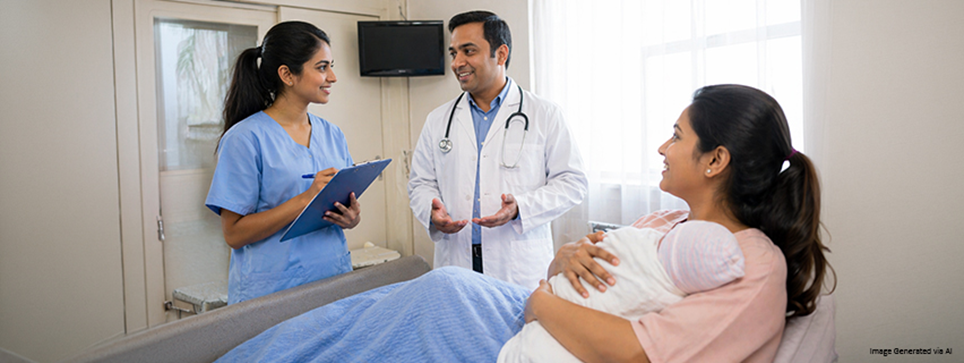
The most common cause is the uterus not contracting properly after delivery. Here is what each of the 4 Ts means:
- Tone (Uterine Atony): The uterus does not tighten after birth. It must contract to compress blood vessels at the placental site, and when it fails, significant blood loss can occur.
- Trauma: Tears or injury during delivery. Lacerations to the cervix, vagina, or perineum can cause heavy bleeding.
- Tissue (Retained Placenta): Parts of the placenta remain inside the uterus, preventing it from contracting effectively.
- Thrombin (Clotting Disorders): The blood does not clot as it should, due to pre-existing or pregnancy-related conditions.
In some cases, more than one “T” may coexist, particularly in severe PPH.
Other Contributing Causes of Post Partum Haemorrhage
Beyond the 4 Ts, additional factors may play a role:
- An overdistended uterus due to a large baby, twins, or excess amniotic fluid
- Prolonged or very rapid labour
- Uterine infection or infection of the uterus after delivery (endometritis postpartum)
Causes of Post Partum Haemorrhage After Different Delivery Types
The triggers for PPH can vary depending on how your baby is delivered.
- Vaginal delivery: Uterine atony and perineal tears are among the more common triggers.
- Caesarean section: Surgical complications, incision extensions, and placental abnormalities may contribute.
Risk Factors That Increase Chances of Post Partum Haemorrhage
While PPH can happen to anyone, certain factors may raise the likelihood:
- A history of PPH in a previous pregnancy
- Carrying multiple babies (twins or more)
- Obesity or advanced maternal age (over 35 years)
- Placenta previa or placental abruption
- Pre-eclampsia or high blood pressure during pregnancy
Discussing these with your doctor during prenatal visits helps your team plan ahead.
Also Read – How to Use the Prega News Pregnancy Test Kit
Signs and Symptoms to Watch For
Being aware of the symptoms of bleeding post birth can help you act quickly:
- Soaking through a sanitary pad every hour or less
- Passing large blood clots (bigger than a small lemon)
- Feeling dizzy, lightheaded, or faint
- A rapid or irregular heartbeat
- Skin appearing pale or clammy
For example: If your pad is completely soaked within an hour and you feel dizzy when standing, this is not typical recovery bleeding. Do not wait to see if it improves on its own.
Diagnosis and Medical Evaluation
Healthcare providers typically diagnose PPH through:
- Monitoring blood loss during and after delivery
- Physical examination of the uterus, cervix, and vagina
- Blood tests to check haemoglobin and clotting function
- Ultrasound to detect retained placental tissue
How Is Post Partum Haemorrhage Treated
Treatment depends on the cause and severity. Your healthcare team may use one or more approaches:
- Uterine massage: Gently massaging the uterus to encourage contractions
- Medications: Drugs that help the uterus contract and reduce bleeding
- Fluid replacement and blood transfusions: To restore lost blood volume
- Surgical procedures: In severe cases, procedures to stop bleeding may be necessary
When identified early, PPH is highly treatable. You are in safe hands.
How to Prevent Post Partum Haemorrhage
While not all cases can be prevented, certain steps may help reduce the risk:
- Regular prenatal check-ups to identify risk factors early
- Active management of the third stage of labour (delivery of the placenta)
- Adequate nutrition, including iron-rich foods, during pregnancy
- Open communication with your healthcare provider about your medical history
Recovery After Post Partum Haemorrhage
Recovering from PPH takes time and self-care. It is okay if recovery feels slower than expected. Your body is healing from a major event.
- Focus on iron-rich foods such as spinach, lentils, dates, and fortified cereals
- Stay well-hydrated and rest as much as possible
- Accept help from family and friends
When Should You Seek Medical Help
While some bleeding after birth is normal, certain situations need immediate action. Do not wait at home if the bleeding feels heavier than your normal period. Seek emergency care if you experience:
- Very heavy bleeding that soaks through a pad every hour or less
- Large blood clots that persist beyond the first few days
- Fever along with heavy bleeding
- Severe dizziness, confusion, or fainting
What to do: Call your doctor or go to the nearest hospital immediately. Track how many pads you are soaking to share with your medical team.
If you need guidance from a certified gynaecologist, use the PregaNews Ask a Gynae portal for expert consultation from home.
Conclusion
Understanding the causes of post partum haemorrhage is an important step towards a safer recovery. PPH is a well-understood condition, and healthcare providers are trained to manage it effectively.
The information provided here is for educational purposes only and should not replace professional medical advice. Please consult your gynaecologist or healthcare provider for personalised guidance.
Most women recover safely with timely care. Knowing these signs puts you in control.
Frequently Asked Questions
Q. What are the main causes of postpartum haemorrhage?
The main causes are grouped into the 4 Ts: Tone (uterine atony), Trauma (tears or lacerations), Tissue (retained placenta), and Thrombin (clotting disorders). Uterine atony is the most common.
Q. How much postpartum bleeding is considered normal?
Some bleeding after delivery is completely normal. Lochia starts as heavy, bright red flow and gradually becomes lighter. However, soaking through a pad every hour, passing large clots, or feeling dizzy may indicate something more serious.
Q. What are the warning signs of excessive bleeding after pregnancy?
Warning signs include soaking through a pad every hour or less, passing large blood clots repeatedly, feeling faint or dizzy, a rapid heartbeat, pale or clammy skin, and fever alongside heavy bleeding.
Q. Can postpartum haemorrhage be prevented?
Not all cases can be prevented, but the risk can be lowered through regular prenatal check-ups, active management of the third stage of labour, and open communication with your healthcare team.
Q. What is the most common cause of postpartum haemorrhage?
Uterine atony is the most common cause. It occurs when the uterus does not contract firmly enough after delivery to compress blood vessels at the placental site, leading to excessive bleeding.
Q. How do you stop postpartum bleeding naturally?
While medical intervention is essential for PPH, certain steps may support recovery. These include resting, staying hydrated, breastfeeding (which may help the uterus contract), and eating iron-rich foods. If bleeding is heavy, seek medical help immediately.
Q. How long does bleeding last after giving birth?
Normal lochia typically lasts about 4 to 6 weeks after delivery. The duration of postpartum bleeding varies from person to person, but it should gradually reduce in flow and change colour from red to pink to yellowish-white.
Q. Is postpartum bleeding heavier at night?
Some women may notice heavier bleeding after lying down, as blood can pool in the uterus while resting. A small gush when standing up is usually normal. However, if bleeding is consistently heavy or accompanied by dizziness, consult your doctor.
Medical Claims & Links Table
| Blog Section | Medical Claim | Link |
| What Is Post Partum Haemorrhage | PPH refers to excessive bleeding after childbirth, defined as blood loss of more than 500 ml following vaginal delivery or more than 1,000 ml after caesarean section | https://www.webmd.com/baby/what-is-a-postpartum-hemorrhage |
| PPH can be primary (within 24 hours of birth) or secondary (between 24 hours and 12 weeks postpartum) | ||
| Normal vs Abnormal Postpartum Bleeding | Normal postpartum bleeding (lochia) gradually reduces over days and weeks, changing colour from bright red to pink to yellowish-white | https://my.clevelandclinic.org/health/body/22485-lochia |
| Soaking through one or more pads every hour, large frequent blood clots, and feeling faint or dizzy are possible signs of PPH | https://www.webmd.com/women/vaginal-bleeding-after-birth-when-to-call-doctor | |
| The 4 Ts of Post Partum Haemorrhage | The causes of PPH are categorised into the 4 Ts: Tone (uterine atony), Trauma, Tissue (retained placenta), and Thrombin (clotting disorders) | https://my.clevelandclinic.org/health/diseases/22228-postpartum-hemorrhage |
| Uterine atony is the most common cause of PPH, accounting for 70-80% of all cases | https://www.ncbi.nlm.nih.gov/books/NBK499988/ | |
| Retained placental fragments can prevent effective uterine contraction, leading to continued bleeding | https://www.webmd.com/baby/what-is-a-postpartum-hemorrhage | |
| Other Contributing Causes | An overdistended uterus (due to large baby, twins, or excess amniotic fluid) and prolonged labour can contribute to PPH | https://www.webmd.com/baby/what-is-a-postpartum-hemorrhage |
| Risk Factors | Risk factors include history of previous PPH, multiple pregnancy, placenta praevia, placental abruption, and pre-eclampsia | https://www.webmd.com/baby/what-is-a-postpartum-hemorrhage |
| Signs and Symptoms | Symptoms of PPH include soaking through a pad every hour, passing large blood clots, dizziness, rapid heartbeat, and pale or clammy skin | https://www.webmd.com/women/vaginal-bleeding-after-birth-when-to-call-doctor |
| Diagnosis and Medical Evaluation | PPH is diagnosed through monitoring blood loss, physical examination, blood tests for haemoglobin and clotting, and ultrasound | https://my.clevelandclinic.org/health/diseases/22228-postpartum-hemorrhage |
| How Is PPH Treated | When identified early, PPH is highly treatable with prompt medical intervention | https://www.webmd.com/women/vaginal-bleeding-after-birth-when-to-call-doctor |
| Treatment includes uterine massage, uterotonic medications, fluid replacement, blood transfusions, and surgical procedures in severe cases | https://internationalmidwives.org/resources/guidelines-postpartum-haemorrhage/ | |
| How to Prevent PPH | Active management of the third stage of labour (delivery of the placenta) helps reduce the risk of PPH | https://internationalmidwives.org/resources/guidelines-postpartum-haemorrhage/ |
| Causes After Different Delivery Types | Caesarean section carries a higher risk of PPH compared to vaginal delivery due to surgical complications and placental abnormalities | https://www.webmd.com/women/vaginal-bleeding-after-birth-when-to-call-doctor |
| FAQ – How much postpartum bleeding is considered normal | Normal lochia starts as heavy, bright red flow and gradually becomes lighter; soaking a pad every hour or passing large clots may indicate PPH | https://www.webmd.com/women/vaginal-bleeding-after-birth-when-to-call-doctor |
| FAQ – Is postpartum bleeding heavier at night | Blood can pool in the uterus while lying down, causing a small gush when standing; this is usually normal unless accompanied by dizziness or consistently heavy flow | https://www.webmd.com/women/vaginal-bleeding-after-birth-when-to-call-doctor |
| Causes After Different Delivery Types , Risk Factors | Uterine atony and perineal tears are common triggers in vaginal delivery; surgical complications and placental abnormalities may contribute in caesarean section | https://www.thelancet.com/journals/lancet/article/PIIS0140-6736(25)00448-9/fulltext |
SHARE
















Leave a comment