




















Eating Pineapple in Pregnancy: Benefits, Risks, and Myths
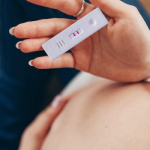
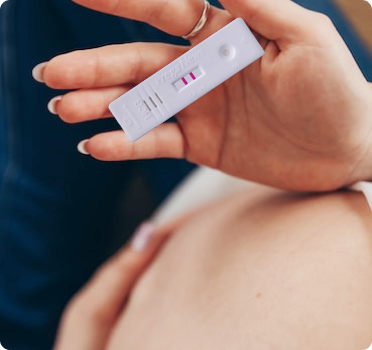
The moment those two pink lines appear on your Prega News Pregnancy Test Kit, everything changes. Alongside the joy comes a flood of advice from everyone around you, and suddenly, foods you’ve always suddenly become sources of worry. If you’ve found yourself anxious about whether something you ate could affect your pregnancy, you’re not alone. Commonly believed to be dangerous” Because organisations/societies do not label pineapple as dangerous in pregnancy. You may have heard that pineapple during pregnancy can cause miscarriage or induce early labour. But is there truth to this, or is it simply a myth?
This blog separates fact from fiction, exploring the real benefits, potential risks, and science behind this tropical fruit. Can We Eat Pineapple During Pregnancy?
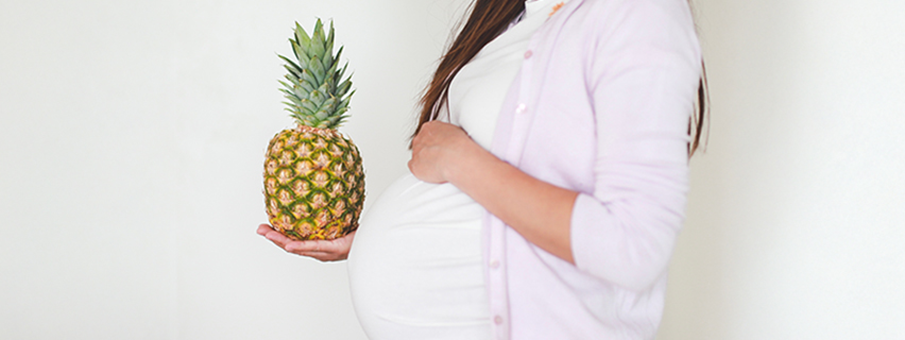
Yes, you can eat pineapple during pregnancy. When consumed in moderate amounts, pineapple is safe and nutritious for most pregnant women. The concern stems from bromelain, an enzyme found in pineapple. Most bromelain is concentrated in the core rather than the edible flesh. While bromelain has been linked to cervical softening in very high concentrations, the enzymatic activity present in typical servings of fresh pineapple is far too weak to affect cervical tissue. As a result, pineapple consumed in normal amounts is generally considered safe.
It is important to distinguish between eating pineapple fruit and taking concentrated bromelain supplements. While the fruit is safe, bromelain supplements should be avoided during pregnancy.
Is Pineapple During Pregnancy First Trimester Safe?
The first trimester can be anxious, and many women wonder specifically about pineapple during pregnancy first trimester, when concerns about miscarriage feel most urgent.
Here is the reassuring truth: medical professionals confirm there is no scientific evidence that moderate pineapple consumption causes miscarriage or harms your baby. The bromelain in one or two servings is simply not enough to affect your pregnancy.
If you have already enjoyed pineapple before reading this and feel worried, please take a breath. You and your baby are fine. You would need to consume an extremely large quantity for bromelain to have any potential effect.
If you have specific concerns or a history of complications, your healthcare provider can offer personalised reassurance.
Nutritional Benefits of Eating Pineapple During Pregnancy
Eating pineapple during pregnancy can offer several nutritional benefits. However, because pineapple has a relatively high glycaemic index, women with gestational diabetes or those monitoring blood sugar levels should consume it in moderation and be mindful of portion sizes.
Vitamin C: Supports your immune system and helps your body absorb iron, particularly important during pregnancy.
Vitamin B6: Pineapple has some B6, but not enough to treat morning sickness.
Dietary Fibre: Helps relieve constipation, a common pregnancy complaint.
Folate: Pineapple contributes some folate but should not be relied upon as the main source, compared to legumes or leafy greens.
Manganese: Supports bone health and metabolism for both mother and baby.
Understanding the Risks and Side Effects
While pineapple is safe for most pregnant women, some situations warrant caution.
Heartburn and Acidity
Pineapple’s natural acidity can cause or worsen heartburn and reflux, common complaints especially in later trimesters. If you experience frequent heartburn, enjoy smaller portions.
Blood Sugar Considerations
Pineapple contains natural sugars. If you have gestational diabetes, be mindful of your intake and count it as part of your overall carbohydrates.
Latex-Fruit Allergy Syndrome
Latex allergies are rare but possible, women with already known latex allergies may react to pineapple. Watch for symptoms like itching, swelling, or discomfort after eating.
If you have specific health conditions, speaking with a gynaecologist can help create a suitable diet plan. The Ask a Gynae service offers a convenient way to get expert guidance.
How to Safely Include Pineapple in Your Diet
Follow these guidelines to enjoy pineapple during pregnancy safely.
1. Moderation is Key
Stick to about one cup of fresh pineapple daily. This provides nutritional benefits without excessive bromelain or sugar.
2. Avoid the Core
The core has more bromelain than the flesh, but still not high enough to harm pregnancy.
3. Choose Fresh Over Canned
Fresh pineapple is best. Canned varieties often contain sugary syrup. If using canned, choose those packed in natural juice.
4. Listen to Your Body
Every pregnancy is unique. If you notice discomfort or heartburn, reduce your intake or consult your healthcare provider.
Also Read – How to Use the Prega News Pregnancy Test Kit?
When to Consult a Doctor
Certain symptoms warrant medical attention. Contact your healthcare provider if you experience:
- Allergic reactions such as itching, hives, swelling, or difficulty breathing
- Severe abdominal cramping or pain
- Unusual vaginal spotting or bleeding
- Any symptom causing significant concern
When in doubt, seeking professional guidance is always wise.
Conclusion
Pineapple is a nutritious fruit that can be safely enjoyed during pregnancy. According to medical consensus, the myth linking pineapple to miscarriage is not supported by evidence. In moderate amounts, it offers valuable vitamins and fibre for you and your baby.
Moderation and awareness of your body’s responses are key. For personalised advice, please consult your gynaecologist or healthcare professional.
Frequently Asked Questions – Eating Pineapple During Pregnancy
1. Can I eat pineapple during pregnancy if I have gestational diabetes?
You can enjoy small portions, but be mindful of sugar content. Discuss appropriate serving sizes with your healthcare provider.
2. Does eating pineapple induce labour naturally?
No. Doctors confirm the bromelain in fresh pineapple is too low to affect labour or the cervix.
3. Is pineapple juice safe for pregnant women?
Generally safe in moderation, though juice lacks fibre and contains concentrated sugars. Fresh pineapple is the healthier choice.
4. How much pineapple during pregnancy is considered safe?
About one cup of fresh pineapple daily is safe for most pregnant women.
5. What part of the pineapple should I avoid?
Avoid the hard central core, which contains higher bromelain concentrations than the flesh. Enjoy only the soft flesh.
SHARE















Leave a comment