














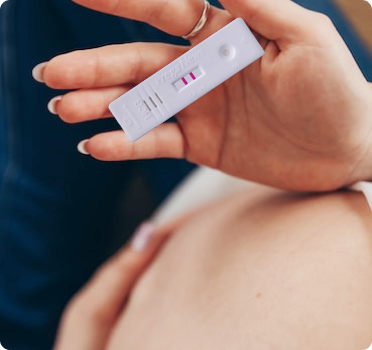


Breast Pain and Pregnancy: Diagnosis and Treatments
Pregnancy brings with it a beautiful mix of excitement, anticipation, and yes, some unexpected physical changes. Among the earliest signs many women notice is breast tenderness or discomfort. If you’ve been experiencing soreness, heaviness, or sensitivity in your breasts, you are certainly not alone. Breast pain during pregnancy is one of the most common experiences reported by expecting mothers. In this article, we’ll explore the causes behind this discomfort and share effective remedies to help you find relief.
Understanding Breast Pain During Pregnancy
Breast discomfort during pregnancy often presents itself as a feeling of heaviness, tingling, or general soreness. This sensation can begin as early as a few weeks after conception and is, in fact, one of the first signs that your body is preparing for motherhood.
The changes happening in your breasts are a natural part of pregnancy. Your body is getting ready to nourish your baby, and this process begins well before delivery. Recognising this as a normal part of the journey can help ease some of the worry that often accompanies these unfamiliar sensations.
Why Do Breasts Hurt During Pregnancy?
The primary reason behind breast pain during pregnancy is hormonal changes. After conception, your body produces higher levels of oestrogen (a key female hormone) and progesterone (a hormone that supports pregnancy). These hormones play a crucial role in preparing your breasts for breastfeeding by stimulating the growth of milk ducts and glands.
Additionally, blood flow to your breasts increases significantly during pregnancy. This enhanced circulation supports the development of breast tissue but can also contribute to feelings of fullness and sensitivity. The combination of hormonal shifts and increased blood supply means your breasts are working hard, which often translates to temporary discomfort. As your pregnancy progresses, the milk ducts continue to expand, and fatty tissue develops to support milk production. All these changes, While these changes support the body during pregnancy, they can cause breast tightness, ache, pain, or discomfort—often easing as you move into the second trimester.
Signs and Symptoms to Recognise
Understanding what to expect can help you feel more prepared. Common symptoms of breast discomfort during pregnancy include:
- Increased sensitivity to touch: Even light contact may feel uncomfortable
- Heaviness or fullness: Your breasts may feel noticeably heavier than usual
- Tingling sensations: A pins-and-needles sensation, particularly around the nipples
- Darkening areolas: The area around your nipples may become darker in colour
- Visible veins: Blue or greenish veins may become more prominent beneath the skin
- Breast and armpit tenderness during pregnancy: Tenderness may extend to the armpit area due to breast tissue changes
- Enlargement: Your breasts may increase in size, sometimes requiring a larger bra
These symptoms typically begin in the first trimester and may ease somewhat in the second trimester before returning closer to delivery. Every woman’s experience is unique, so don’t be concerned if your symptoms differ slightly from others.
Effective Pregnancy Breast Pain Remedies
While breast tenderness is a normal part of pregnancy, there are several ways to manage the discomfort and find relief.

1. Choose the Right Supportive Bra
Wearing a well-fitted, supportive bra can make a significant difference in managing breast pain. Look for bras made from soft, breathable fabrics with wide straps that distribute weight evenly. As your body changes, you may need to be fitted for new bras several times throughout your pregnancy.
2. Try Temperature Therapy
Applying warm or cold compresses can help soothe sore breasts. A warm compress (not hot) may help relax the tissue and ease tension, while a cold compress (should be wrapped in cloth to prevent skin irritation)can reduce swelling and numb mild pain. Experiment with both to see which provides you with the most relief.
3. Stay Well Hydrated
Drinking plenty of water helps reduce fluid retention, which can contribute to breast swelling and discomfort. Aim for at least eight glasses of water daily and limit your intake of salty foods that may cause your body to retain water. Proper hydration supports your overall wellbeing during pregnancy and may help minimise breast tenderness.
4. Practice Gentle Massage
A gentle massage can help improve circulation and reduce tension in breast tissue. Use light, circular motions and be careful to avoid vigorous rubbing, especially around the nipple area. This is particularly important in late pregnancy, as vigorous nipple stimulation may trigger uterine During later stage of pregnancy.
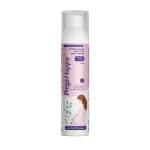
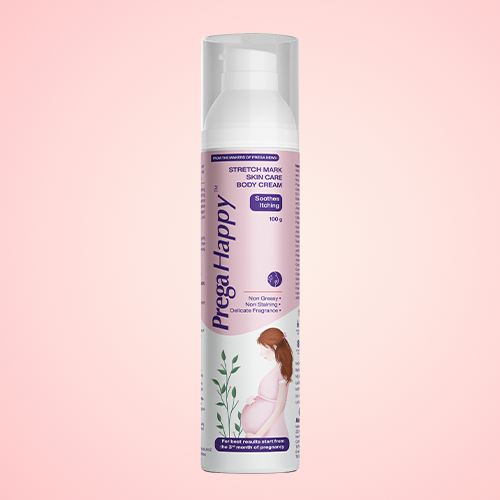
For added comfort, you can use a soothing cream designed for pregnancy skin care. Prega Happy Anti-Stretch Mark Cream is formulated with natural ingredients like aloe vera, almond oil, and shea butter that help hydrate and soothe stretching skin. While primarily designed to prevent stretch marks, it can also provide comfort during breast massage, helping to ease the tightness and itching that often accompanies breast changes during pregnancy. If you notice redness, fever, or one breast becoming unusually painful, speak to your doctor.
What to Avoid
Alongside helpful remedies, being mindful of certain habits can also reduce breast discomfort:
- Underwire bras or tight-fitting undergarments: These can restrict circulation and increase discomfort
- Harsh soaps or body washes: These may irritate already sensitive breast skin; opt for gentle, fragrance-free options
- Sleeping on your stomach: This can put unnecessary pressure on tender breasts; try sleeping on your side with a supportive pillow
- Excessive caffeine: Some women find that reducing caffeine intake helps minimise breast tenderness
When to Consult Your Doctor
While breast pain during pregnancy is typically normal, certain symptoms warrant medical attention. Please consult your healthcare provider if you experience:
- A distinct lump in your breast that does not go away. Most lumps are harmless, but it’s important to have them checked.
- Redness, warmth, or swelling in one specific area
- Fever accompanied by breast pain, which could indicate mastitis (a breast infection)
- Unusual discharge from the nipples
- Severe pain that significantly affects your daily activities
- Pain that is only on one side and feels different from general tenderness
- Sudden changes in one breast’s size or shape.
Your doctor can provide personalised guidance based on your specific situation. If you have questions or concerns between appointments, the Ask a Gynae feature on PregaNews allows you to connect with medical experts for professional advice.
Conclusion
Breast pain during pregnancy, while uncomfortable, is a common and natural change as your body adapts to pregnancy. Hormonal shifts and physical changes in the breasts including preparation for possible milk production after pregnancy can contribute to sensations such as tenderness, ache, or discomfort.
Choosing supportive undergarments, staying well-hydrated, and using gentle measures like warm or cool compresses and light massage may help ease discomfort.
If you feel unsure about your symptoms or would like reassurance, it’s always best to speak with your healthcare provider. They can guide and support you throughout your pregnancy journey.
Frequently Asked Questions – Breast Pain during Pregnancy
1. How long does breast pain last during pregnancy?
Breast tenderness often begins in the first trimester and may ease during the second trimester. However, it can return in the third trimester as your body prepares for breastfeeding. The duration varies for each woman.
2. Is breast pain a sign of a baby’s gender?
There is no scientific evidence linking breast pain or tenderness to the baby’s gender. This is a common myth, and breast changes are simply a result of hormonal shifts that occur in all pregnancies.
3. Can I take pain medication for breast pain during pregnancy?
Before taking any medication during pregnancy, it’s essential to consult your doctor. They can recommend safe options if needed and advise on appropriate dosages for your specific situation.
4. Does breast pain mean something is wrong with my pregnancy?
In most cases, breast pain is a normal symptom of pregnancy and not a cause for concern. However, if you notice unusual symptoms like lumps, fever, or severe one-sided pain, consult your healthcare provider for evaluation.
5. What is a pregnancy breast pain remedy I can try at home?
Wearing a supportive bra, applying warm or cold compresses, staying hydrated, and gentle massage are all effective home remedies.












Leave a comment