






















Pregnancy Workouts – Before and After Pregnancy
Pregnancy brings about one of the most transformative phases in a woman’s life, physically, mentally, and emotionally. While the body nurtures new life, it also undergoes profound changes that require care, balance, and movement. Staying active through pregnancy workouts can be one of the healthiest choices you make during this time. Contrary to the myth that pregnant women should avoid physical activity, research consistently shows that appropriate pregnancy-safe workouts not only strengthen the body but also support smoother labour, faster recovery, and emotional well-being.
Similarly, after your baby arrives, fitness is crucial for helping your body heal and rebuild strength. It is not about “getting your body back,” it is about feeling energised, confident, and strong again. If you are planning for pregnancy, currently expecting, or navigating the postpartum period, having a thoughtful pregnancy workout plan can make all the difference.
Here is a list of the best workouts before and after pregnancy to adapt your exercise routine through every stage of motherhood.
Fitness Before Pregnancy: Preparing the Body for a Healthy Journey
The journey to motherhood begins long before conception. Building a strong foundation through fitness before pregnancy helps prepare your body for the physical demands ahead. Pre-pregnancy fitness enhances stamina, supports hormonal balance, and promotes a healthy weight, all of which contribute to easier conception and a healthier pregnancy.
1. Focus on Core Strength
A strong core supports the spine and reduces strain on your back as your belly grows. Pilates, yoga, and planks, with proper guidance, are excellent for developing core stability. Strengthening the abdominal and pelvic muscles early on also aids in postpartum recovery.
2. Build Cardiovascular Endurance
Cardio exercises like brisk walking, cycling, or swimming help improve stamina, something you will need during labour and delivery. Engaging in 30 minutes of moderate cardio most days can make your body more resilient to upcoming changes.
3. Balance and Flexibility Work
Pregnancy shifts your centre of gravity. Including balance-focused movements like single-leg stands or light yoga helps prevent falls later. Flexibility routines improve joint mobility and prepare the body for carrying extra weight comfortably.
4. Establish a Sustainable Routine
It is tempting to push hard before pregnancy, but consistency matters more than intensity. A manageable pregnancy workout plan before conception ensures you can easily adapt it once you are expecting, avoiding sudden disruptions or fatigue.
Pregnancy Workouts: Staying Active the Safe Way

Once pregnant, exercise becomes less about performance and more about mindful movement. The key is choosing pregnancy-safe workouts that strengthen the body without straining it. Always consult your healthcare provider before starting or continuing any workout routine.
1. Walking: The Simplest and Safest Workout
Walking remains one of the easiest and most effective forms of pregnancy fitness. It improves blood circulation, keeps weight gain in check, and uplifts mood. Even a 20–30 minute walk each day helps maintain cardiovascular health without overexertion.
2. Prenatal Yoga
Yoga promotes flexibility, reduces stress, and eases pregnancy-related discomfort. Focus on gentle poses and breathing exercises that calm the mind while strengthening the body. Avoid lying flat on your back or deep twists during the second and third trimesters.
3. Swimming and Water Workouts
Water supports your weight and relieves joint pressure, making swimming an ideal pregnancy safe workout. It enhances stamina, tones muscles, and helps reduce swelling in the legs. Aqua aerobics is another great low-impact option for expecting mothers.
4. Pelvic Floor Exercises
Strengthening pelvic floor muscles supports bladder control and prepares the body for labour. Kegel exercises, short muscle contractions done throughout the day, are highly effective and can be performed anytime, anywhere.
5. Light Strength Training
Strength training with light weights or resistance bands helps maintain muscle tone and improve posture. Focus on controlled movements, squats, wall push-ups, and seated rows, are excellent examples of safe resistance exercises during pregnancy.
6. Stretching and Mobility Work
Daily stretching keeps muscles supple, reduces cramps, and relieves tension. Stretching the hips, back, and calves improves flexibility and circulation, promoting comfort as your belly grows.
7. Breathing and Relaxation Practices
Incorporate deep breathing techniques to prepare for labour and reduce anxiety. Controlled breathing improves oxygen flow, helping both mother and baby. It also enhances focus during contractions and encourages better sleep.
Also Read – Few exercises that may help you deal with stress during pregnancy
Pregnancy Workout Plan: Building a Safe Routine
A well-structured pregnancy workout plan combines strength, mobility, and relaxation. Here s a simple weekly framework:
- 3–4 days of light cardio like walking or swimming.
- 2 days of strength training with light weights or bodyweight exercises.
- 1–2 days of yoga or stretching for flexibility and balance.
- Daily pelvic floor exercises for support.
Always listen to your body, rest when needed, stay hydrated, and avoid overheating. Remember, the goal is not performance, but progress and comfort.
Fitness After Pregnancy: The Path to Recovery
Postpartum recovery is a deeply personal process. Regardless of whether you have delivered vaginally or via C-section, it takes time for your body to heal. Starting a postpartum workout plan too early or without guidance can delay recovery, so always wait for your doctor’s approval, usually around 6–8 weeks postpartum.
1. Start with Gentle Movements
Begin with light stretches, walking, and deep breathing. Focus on rebuilding pelvic floor strength before attempting more intensive exercises. These movements stimulate blood flow, ease stiffness, and gently reawaken your muscles.
2. Rebuild Core Strength Gradually
Pregnancy stretches abdominal muscles, sometimes causing separation. Start with safe core reactivation moves like pelvic tilts and heel slides. Avoid crunches or planks until cleared by your doctor.
3. Prioritise Pelvic Floor Health
Continuing Kegel exercises after delivery is essential. They strengthen muscles weakened by childbirth and improve bladder control. Gradually increase intensity as your recovery progresses.
4. Incorporate Low-Impact Cardio
Walking and swimming are excellent for early postpartum fitness. They boost energy levels, improve circulation, and elevate mood without straining healing tissues.
5. Strength Training When Ready
Once cleared, add light resistance exercises to your fitness after pregnancy plan. Focus on full-body workouts that improve posture and stability, like squats, modified push-ups, or seated dumbbell lifts.
6. Stay Mindful of Energy Levels
Sleep deprivation, breastfeeding, and hormonal shifts can impact stamina. Listen to your body and avoid pushing yourself too hard. Gentle consistency always beats overexertion in a postpartum workout plan.
7. Nutrition and Hydration Matter
Recovery is incomplete without proper nutrition. Pair your workouts with a balanced diet rich in protein, healthy fats, and hydration. This fuels your body and supports milk production if you are breastfeeding.
Pregnancy Fitness: The Long-Term Perspective
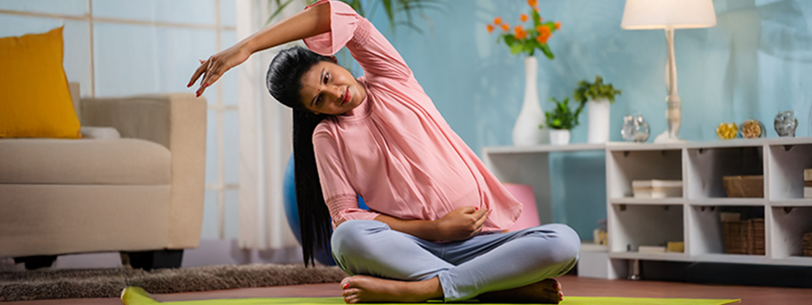
Pregnancy fitness is not just about one phase; it is a continuum that stretches before, during, and after pregnancy. Consistent movement strengthens not only the body but also the mind, helping mothers manage stress, build endurance, and adapt to new routines.
Staying active enhances posture, supports metabolism, and reduces common pregnancy discomforts like back pain and swelling. More importantly, it sets the stage for a smoother postpartum recovery. A sustainable fitness journey allows mothers to feel empowered, confident, and connected to their bodies at every stage of motherhood.
Pregnancy is a time of incredible change, and movement can make it both healthier and more fulfilling. A well-balanced pregnancy workout plan or postpartum workout plan does not just shape your body; it nurtures your mind and spirit. It is important to trust the process and remember that fitness through motherhood is not about perfection; it is about feeling strong, supported, and in tune with your journey.
Frequently Asked Questions – Pregnancy Fitness
Q.1 Are pregnancy workouts safe in all trimesters?
Most pregnancy-safe workouts are safe throughout all trimesters, provided they are low-impact and approved by your doctor. Modify intensity as your pregnancy progresses.
Q. 2 Can I start exercising if I was not active before pregnancy?
Yes, but start slow. Begin with walking or prenatal yoga, then gradually increase intensity under supervision.
Q. 3 When can I start fitness after pregnancy?
Usually, around 6–8 weeks postpartum, once your doctor clears you. Start with light stretches and core activation first.
Q. 4 What are the signs I should stop a pregnancy workout?
Stop immediately if you experience dizziness, vaginal bleeding, contractions, or severe discomfort during exercise. Consult your doctor before continuing.
SHARE
















Leave a comment