


















PMS vs Pregnancy Symptoms – How to Tell the Difference and When to Take a Test
Many women face moments of confusion every month, questioning whether their body’s signals mean their period is coming or if they could be pregnant. The physical and emotional overlap of PMS vs pregnancy symptoms creates uncertainty for countless people hoping to decode their bodies. Understanding the similarities, telling symptoms apart and knowing when to take a pregnancy test is essential for peace of mind.
The Overlap: PMS and Pregnancy Symptoms
Both PMS (premenstrual syndrome) and early pregnancy cause changes in hormones, which can lead to very similar symptoms. Let’s see how PMS and pregnancy symptoms can show up in both situations:
- Breast tenderness or swelling
- Mild cramping or discomfort in the lower abdomen
- Mood swings or irritability
- Fatigue or sleepiness
- Changes in appetite or specific food cravings
- Bloating or water retention
- Headaches or back pain
With this considerable overlap, it is easy to see why signs of PMS vs pregnancy often confuse.
PMS vs Pregnancy Symptoms: Key Differences
While the majority of PMS vs pregnancy symptoms look alike, subtle differences may point to the true cause:
| Symptom | PMS | Pregnancy |
| Timing | Starts 1–2 weeks before period; ends when bleeding begins | Starts 1–2 weeks after conception; persists beyond missed period |
| Breast changes | Tenderness improves after period starts | Tenderness lasts longer; breasts feel fuller and heavier |
| Bleeding | No spotting before period; normal flow during period | Light spotting (implantation bleeding) may occur 6–12 days after conception |
| Mood swings | Mood swings and Irritability resolves after period begins | Mood changes can persist throughout pregnancy |
| Nausea | Rare | Common (morning sickness), usually starts after missed period |
| Cramping | Strong, persistent before period | Mild, sporadic cramps early in pregnancy |
| Food Cravings | Short Lived | Can last throughout pregnancy |
Pregnancy vs PMS: When to Suspect Pregnancy
Only a pregnancy test can give a definitive answer, but there are subtle signs that may guide you:
- Unusual or unfamiliar symptoms– compared to your usual PMS pattern
- Symptoms persist or intensify beyond your normal PMS timeline
- A missed period — the most common sign
- You notice spotting, accompanied by other symptoms such as nausea or breast changes
Always remember:
Every woman’s experience is unique. The key distinction is duration:
Pregnancy symptoms tend to last or get stronger, especially after a missed period.
PMS symptoms usually fade once menstruation begins.
PMS vs Early Pregnancy: Spotting the Tell tale Signs
Breast Changes
Both PMS and early pregnancy cause breast tenderness. With PMS, this tenderness is usually a dull ache that subsides once menstruation begins. In early pregnancy, the breasts often feel more swollen and sensitive, with noticeable darkening of the areolas and occasional tingling.
Cramping
Both can cause cramping in the lower abdomen, but there is a difference. PMS cramps are usually stronger and happen right before your period. They get better when you start bleeding. Pregnancy-related cramps are usually milder and more persistent, often caused by the embryo implanting in the uterine lining.
Bleeding Patterns
PMS culminates in a regular menstrual period with typical flow. In contrast, early pregnancy may cause implantation bleeding, light pink/brown discharge short-lived spotting that is usually much lighter than a normal period.
Nausea
Nausea is rare with PMS but commonly seen in pregnancy. Morning sickness, which may include vomiting, can begin as early as the first week after conception.
Mood Swings
Mood swings happen during both PMS and pregnancy, but they are different in how strong and long they last. Mood changes related to PMS usually get worse before menstruation and get better once bleeding starts. Pregnancy hormones can make mood swings in the first trimester more severe and last longer.
Appetite and Cravings
Both states can cause changes in appetite and cravings. PMS often causes increased hunger and specific food cravings, while pregnancy might lead to both cravings and aversions, with some women experiencing a metallic taste or loss of appetite.
Fatigue
Fatigue is common in PMS but usually temporary. Pregnancy fatigue tends to be more intense and ongoing, influenced by increased progesterone levels supporting early pregnancy.
In PMS vs early pregnancy, these nuanced differences, combined with menstrual tracking and observation, can guide you towards the answer.
When to Take a Pregnancy Test

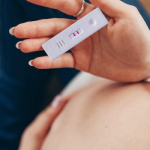
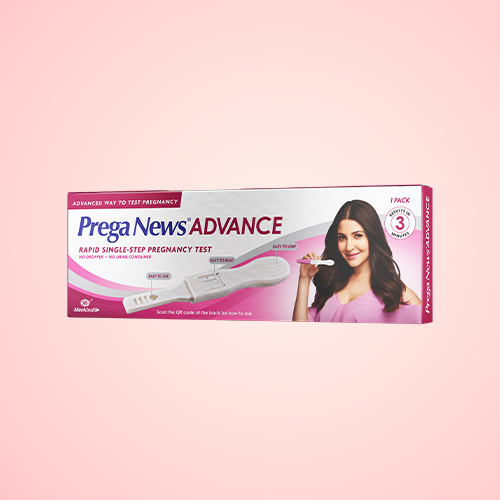
If you are unsure whether you are experiencing PMS or pregnancy symptoms, a home pregnancy test is the most reliable way to determine the cause. Here is how to time your test for maximum accuracy:
- Wait until the first day after your missed period. Most tests are accurate at this stage.
- If you have irregular periods, take the test at least 21 days after unprotected sex.
- Testing too soon can yield a false negative if hCG hormone levels are too low to detect.
Use morning’s first urine, which is most concentrated, to boost accuracy in early pregnancy.
If you receive a negative result but still suspect you are pregnant, repeat the test a few days later. Persistently negative tests with ongoing symptoms warrant a visit to your healthcare provider. Most home pregnancy tests can accurately detect pregnancy hormone (hCG) levels starting from the first day of a missed period, which is generally about two weeks after ovulation. Testing too early may result in a false negative because hCG levels might still be too low to detect. For the highest accuracy, it is recommended to use the test with the first-morning urine since it contains the most concentrated hCG.
Key Takeaways: How to Tell the Difference
- Timing is critical: If symptoms persist after your period is due, time to consider pregnancy as a possibility.
- Bleeding pattern matters: PMS typically leads to a regular menstrual period; pregnancy may cause light, brief spotting.
- Symptom duration and intensity: PMS symptoms end with menstruation; pregnancy symptoms linger or intensify.
- Nausea and urination: Much more common and pronounced in early pregnancy.
- Always confirm with a test: When in doubt, take a pregnancy test and consult your doctor if uncertainty continues.
Frequently Asked Questions – PMS vs Pregnancy Symptoms
Q.1 What are the main signs of PMS vs pregnancy?
Both can cause breast tenderness, cramping, mood swings and fatigue. However, missed periods, intense nausea, and persistent breast changes more strongly suggest pregnancy.
Q.2 Can PMS and pregnancy symptoms occur at the same time?
Yes, especially early in pregnancy before a positive test. Many women still experience PMS-like signs even after conception.
Q.3 Is spotting a period or a sign of pregnancy?
Implantation bleeding (light, pink/brown brief spotting) is a classic early sign of pregnancy vs PMS, which usually doesn’t cause spotting before a regular period starts.
Q.4 When should I take a pregnancy test?
Take a test the first day after a missed period or at least 21 days after unprotected sex if your cycles are irregular. For best accuracy, use first-morning urine.
Q.5 Can other factors mimic both PMS and pregnancy symptoms?
Stress, hormonal imbalances unrelated to pregnancy and some illnesses can sometimes cause similar symptoms, so always confirm with a test when in doubt.
Q.6 How soon can pregnancy symptoms show up after conception?
Some women notice symptoms as early as a week after conception, but most won’t feel anything until a week or more after their missed period. Knowing your body and cycle helps with the tricky task of distinguishing PMS vs pregnancy symptoms; you will become adept at reading patterns over time. Until then, a reliable pregnancy test and a consultation with your healthcare provider are the best ways to put your mind at ease.













Leave a comment