













Planning for Pregnancy? Best Age to Get Pregnant with PCOS Explained
Polycystic Ovary Syndrome (PCOS) affects millions of women worldwide, and one of the most common concerns it brings is infertility or difficulty conceiving. Hormonal imbalances, irregular menstrual cycles and insulin resistance often make it challenging to plan a pregnancy. But with the right approach, timing and care, many women with PCOS go on to conceive naturally and have healthy pregnancies. This article explores the best age to get pregnant with PCOS, along with practical steps to increase your chances of conception.
Understanding PCOS and Fertility
Before discussing the best age to get pregnant with PCOS, it is crucial to understand how PCOS impacts fertility. PCOS is a hormonal disorder where the ovaries produce higher-than-normal amounts of androgens (male hormones), which can interfere with ovulation. Without regular ovulation, it becomes difficult to predict fertile days, which can hinder conception.
However, PCOS does not mean permanent infertility. Many women manage their symptoms through lifestyle changes, medical treatments and holistic therapies, ultimately achieving healthy pregnancies. The key lies in early diagnosis, consistent management and understanding your body s fertility window.
What Is the Best Age to Get Pregnant with PCOS?
When we talk about the best age to get pregnant with PCOS, the answer is similar to the general fertility curve for women; your 20s to early 30s tend to be the most fertile years. Biologically, ovarian reserve and egg quality are highest during this period.
For women with PCOS, this age range is even more crucial because, as you grow older, insulin resistance and metabolic issues can intensify, further impacting ovulation. So, ideally, the best age to get pregnant with PCOS falls between 25 and 32 years. During this phase, your body responds better to fertility treatments or natural interventions and the risk of complications like gestational diabetes is relatively lower.
While many women search for the best age to get pregnant with PCOS, age is only one factor. A healthy lifestyle, timely medical guidance, and effective stress management can be just as important when planning a pregnancy.
How to Get Pregnant with PCOS Quickly
If you are trying to conceive soon, you may wonder how to get pregnant with PCOS quickly. While there’s no one-size-fits-all solution, several evidence-backed strategies can increase your chances:
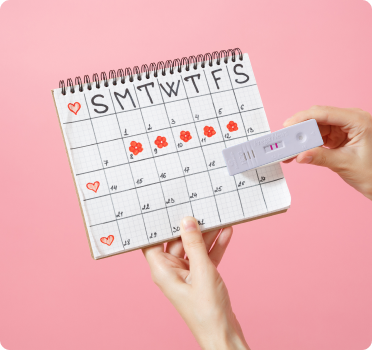
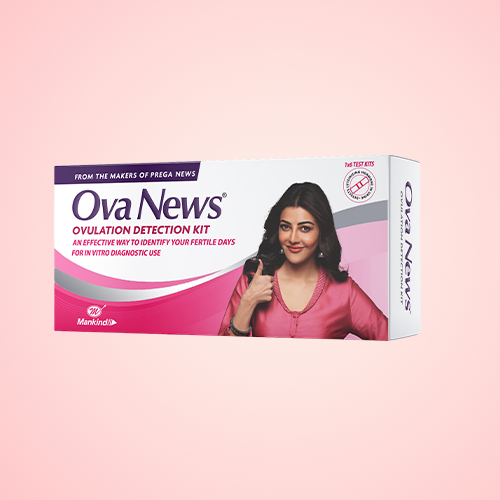
- Track Your Cycle: Even with irregular periods, ovulation predictor kits or basal body temperature monitoring can help identify potential fertile days.
- Maintain a Healthy Weight: Even a 5–10% weight loss can help regulate menstrual cycles and improve ovulation frequency.
- Follow a Balanced Diet: Focus on whole grains, lean proteins, healthy fats and fibre. Reducing refined carbs can help manage insulin levels, which play a big role in PCOS-related infertility.
- Consult a Fertility Expert: Medications like Clomiphene, Letrozole or Metformin are often prescribed for ovulation induction under medical supervision.
Each step contributes to improving your body’s natural rhythm and increasing the likelihood of conception.
How to Get Pregnant with PCOS Quickly, Naturally

Natural conception is absolutely possible, especially when PCOS symptoms are managed effectively. If you are looking for how to get pregnant with PCOS quickly and naturally, these lifestyle-driven approaches can make a real difference:
- Focus on Nutrition: Include foods rich in antioxidants, like berries, nuts, spinach, and avocados, to boost egg quality.
- Balance Hormones through Exercise: Moderate workouts such as yoga, Pilates or brisk walking can improve insulin sensitivity and hormone balance.
- Reduce Stress: Chronic stress affects hormones like cortisol, which indirectly disrupts ovulation. Mindfulness, therapy, or relaxation exercises can help manage stress.
- Sleep Well: Poor sleep can worsen hormonal imbalance, so aim for at least 7–8 hours of quality rest every night.
Consistency in these areas not only improves fertility but also prepares your body for a healthy pregnancy journey.
Factors that Influence the Best Age to Get Pregnant with PCOS
While your 20s are often considered the best age to get pregnant with PCOS, there are other factors to keep in mind:
- Hormonal Stability: PCOS symptoms like irregular cycles or cystic ovaries may stabilise with treatment, making conception easier at different stages.
- Metabolic Health: Women with well-managed insulin levels can conceive successfully even in their mid-30s.
- Medical Support: Access to fertility treatments and personalised healthcare has improved chances for women to conceive beyond the so-called optimal age window.
Thus, while age plays a role, your overall reproductive and metabolic health ultimately determines your fertility potential.
What Age Is Best to Get Pregnant with PCOS?
If you are evaluating what age is best to get pregnant with PCOS, consider both biological and lifestyle factors. Most experts agree that starting earlier, typically between ages 25 and 32, yields the best results. This timeline helps ensure better egg quality, lower pregnancy risks, and higher success rates for natural or assisted conception. However, with proper medical support, many women conceive later as well. Age 35 is often considered the upper threshold where fertility starts to decline gradually, but PCOS management through diet, supplements and medication can extend reproductive wellness.
Maintaining a Fertility-Ready Lifestyle
Preparing your body for conception is one of the smartest things to do when dealing with PCOS. Along with understanding the best age to get pregnant with PCOS, a proactive plan can improve outcomes significantly:
- Eat Balanced Meals: Prioritise complex carbs (like quinoa, millets), proteins and unsaturated fats.
- Get Regular Check-ups: Monitor hormone levels like LH, FSH and testosterone regularly.
- Supplement Wisely: Talk to your doctor about taking folic acid, inositol, vitamin D and omega-3 fatty acids.
- Limit Caffeine and Sugar: These can impact insulin and hormone balance.
- Stay Active: Exercise releases endorphins that counteract insulin resistance, one of PCOS’s biggest challenges.
Your overall health directly influences your fertility timeline more than any number on the calendar.
Emotional and Mental Health in PCOS Pregnancy Planning
It can be emotionally draining to deal with PCOS while trying to get pregnant. It is important to remember that everyone reacts differently what works for one woman may take longer for another. Focus on small wins, such as getting your period on time or improving lab results. Having a partner, family member, or counsellor who is there for you can make this journey easier.
Acknowledging your emotions and seeking expert guidance can reduce stress, a key factor that often delays conception in PCOS.
Frequently Asked Questions – Planning a Pregnancy with PCOS
Q.1 What is the best age to get pregnant with PCOS?
Typically, the best age to get pregnant with PCOS is between 25 and 32 years, when egg quality and fertility potential are highest.
Q.2 Can women with PCOS get pregnant naturally?
Yes, many women with PCOS conceive naturally with lifestyle changes, weight management, and proper ovulation tracking using an ovulation tracker online.
Q.3 How to get pregnant with PCOS quickly?
To get pregnant with PCOS quickly, focus on balanced nutrition, regular exercise, medical consultation and stress management.
Q.4 At what age is it best to get pregnant with PCOS if you’re undergoing treatment?
With medical management, women can conceive successfully between ages 25 and 35. However, earlier attempts generally show better outcomes.
Q.5 How to get pregnant with PCOS quickly, naturally?
Adopt a whole-food diet, maintain an active lifestyle, manage stress and use natural supplements after consulting your doctor.
Q.6 Does age make PCOS worse?
PCOS symptoms can become harder to manage with age due to metabolic changes, which is why early lifestyle management is key.
Q.7 Can fertility treatments help if age and PCOS are both concerns?
Yes. Treatments like ovulation induction, IVF or IUI can significantly increase your chances of conception even beyond your early 30s.










Leave a comment